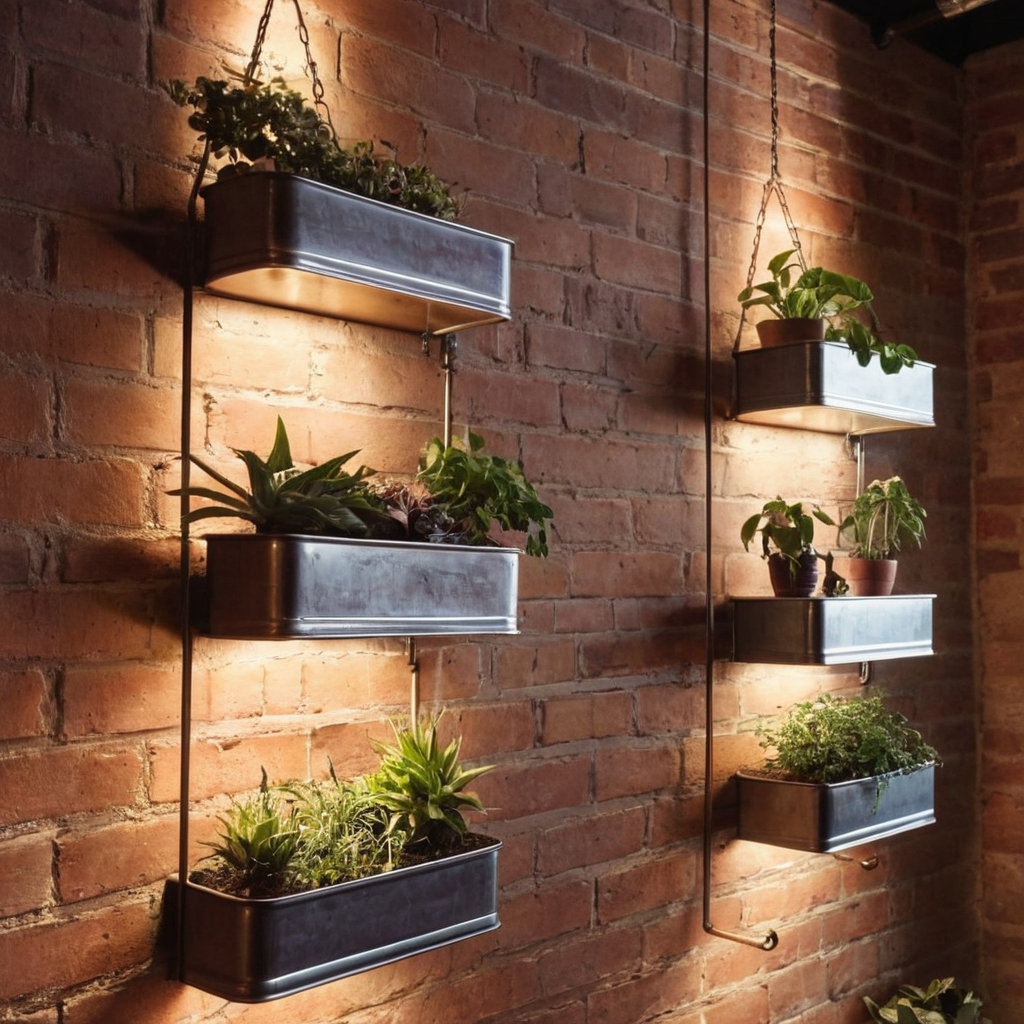
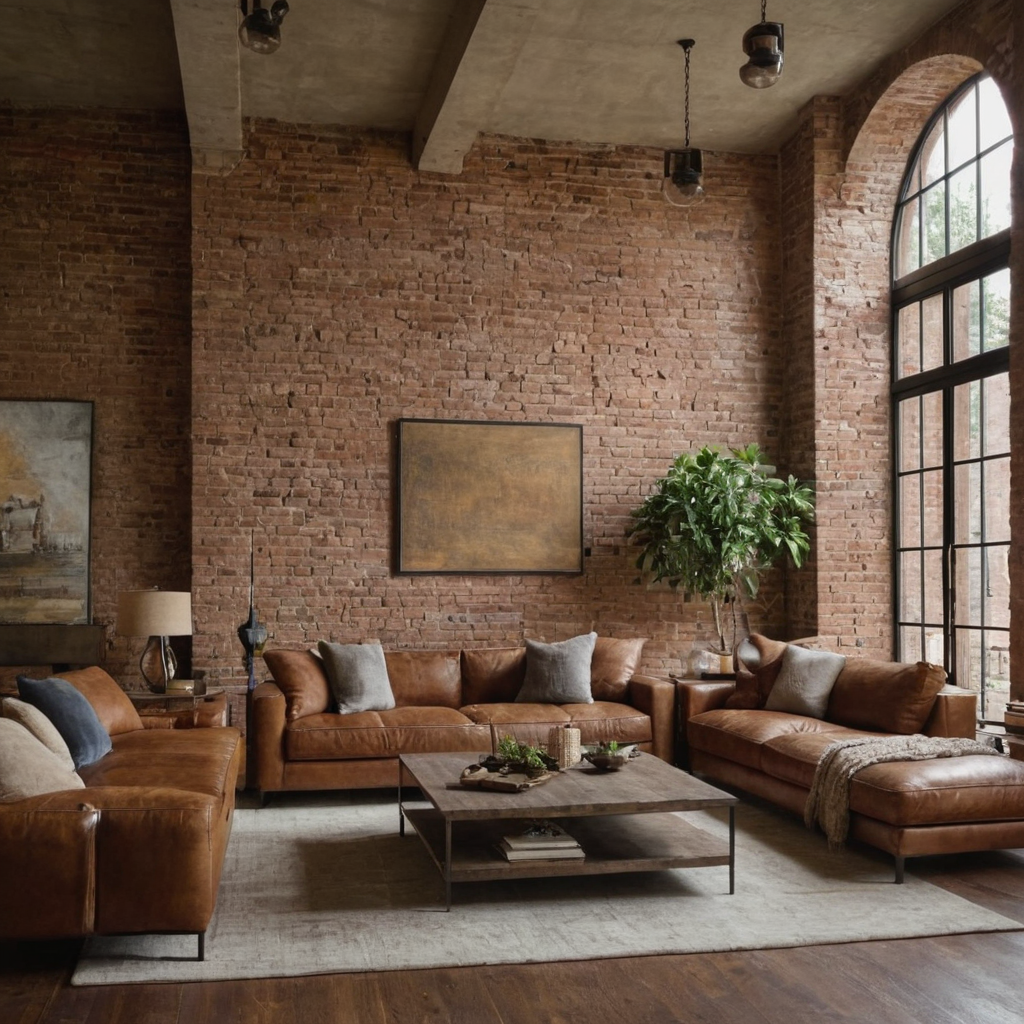
1. Exposed Brick Walls
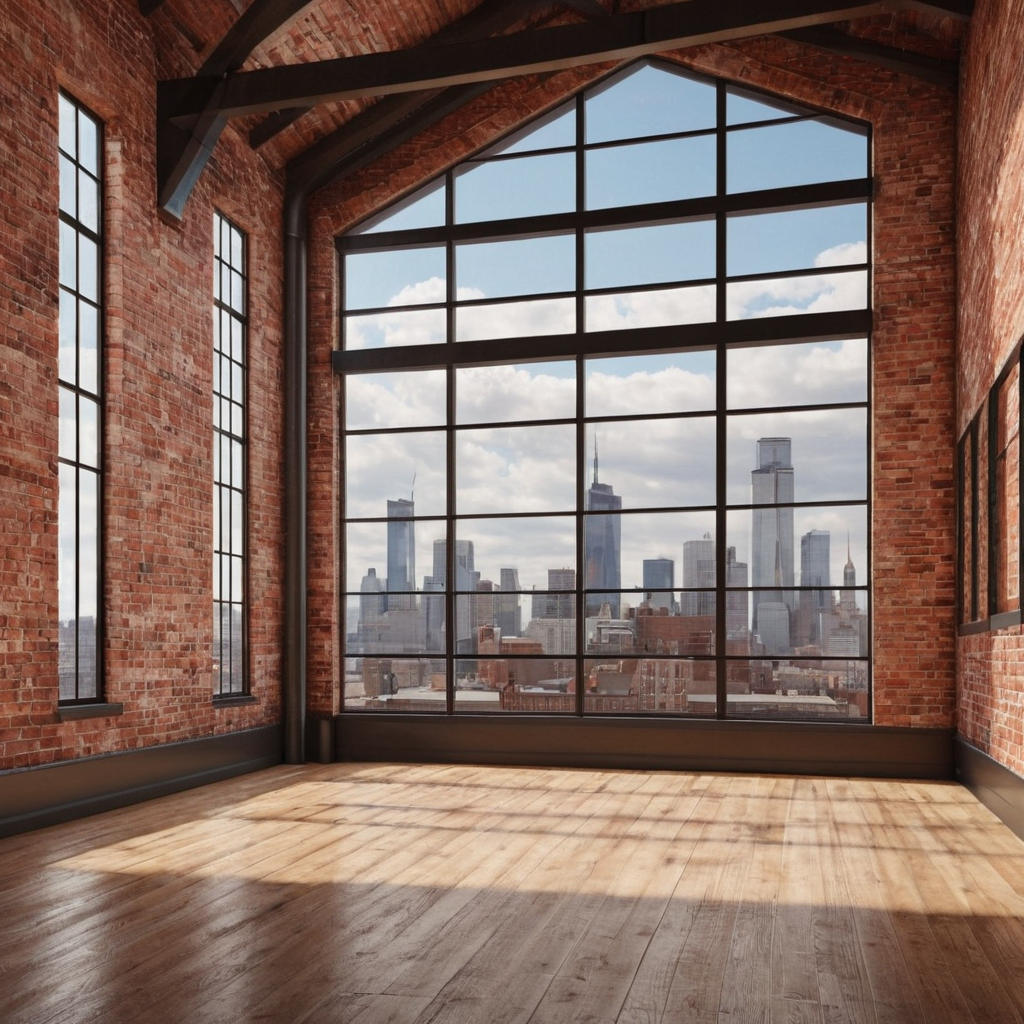
Exposed brick is a hallmark of industrial loft design, providing an earthy backdrop that brings warmth and texture to the space. It speaks to the building’s history and adds character without overwhelming the minimalist aesthetic typical in industrial settings.
To incorporate exposed brick into your home, consider retaining original walls or installing faux brick veneers for a similar effect without renovation costs. Pair with dark metals and neutral fabrics to enhance the raw look.
2. Metal Accents
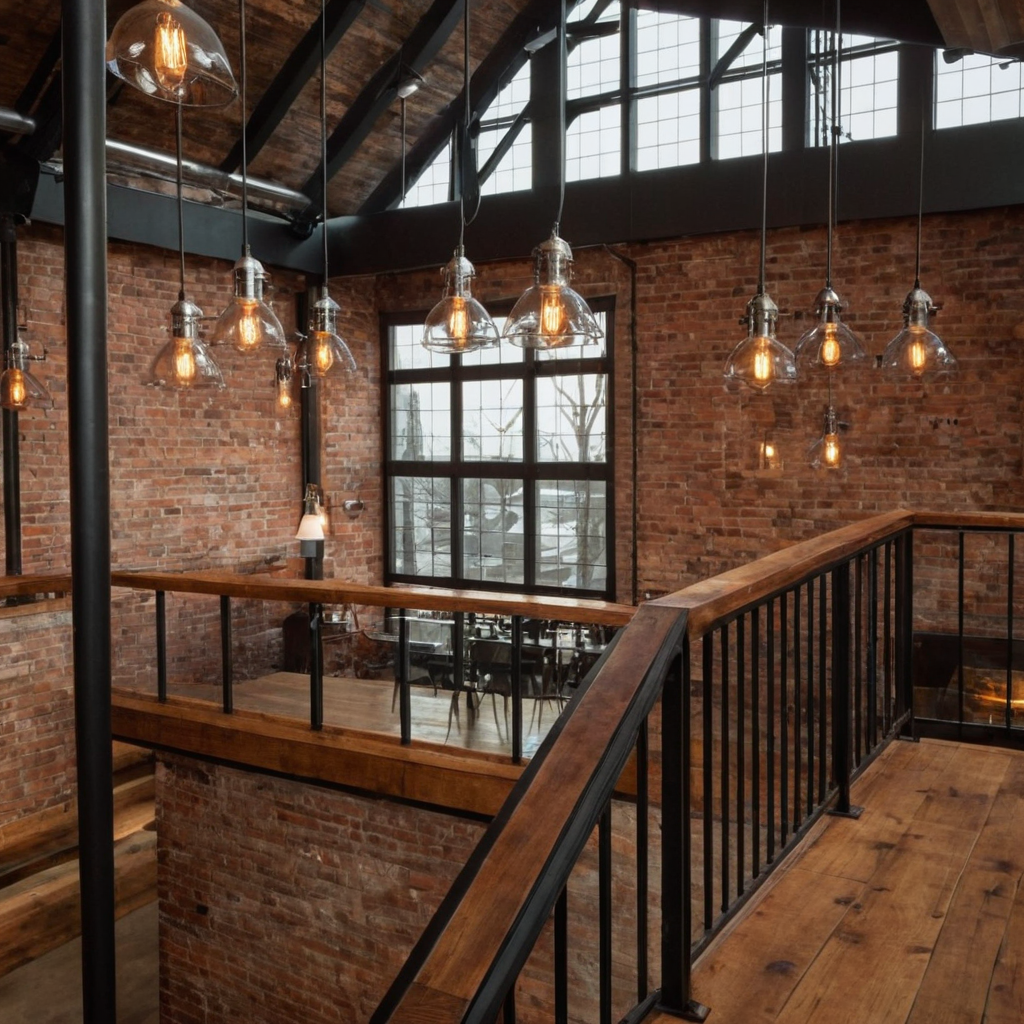
Metal accents in industrial lofts are often seen through light fixtures, stair railings, and furniture frames. Metals like steel or iron offer a stark contrast to softer elements and complement the utilitarian feel of exposed structures.
When choosing metal components, think about how they can be used to anchor different areas of your home. A large metal coffee table in the living room or industrial pendant lights over dining tables are great starting points.
3. Open-Concept Layout
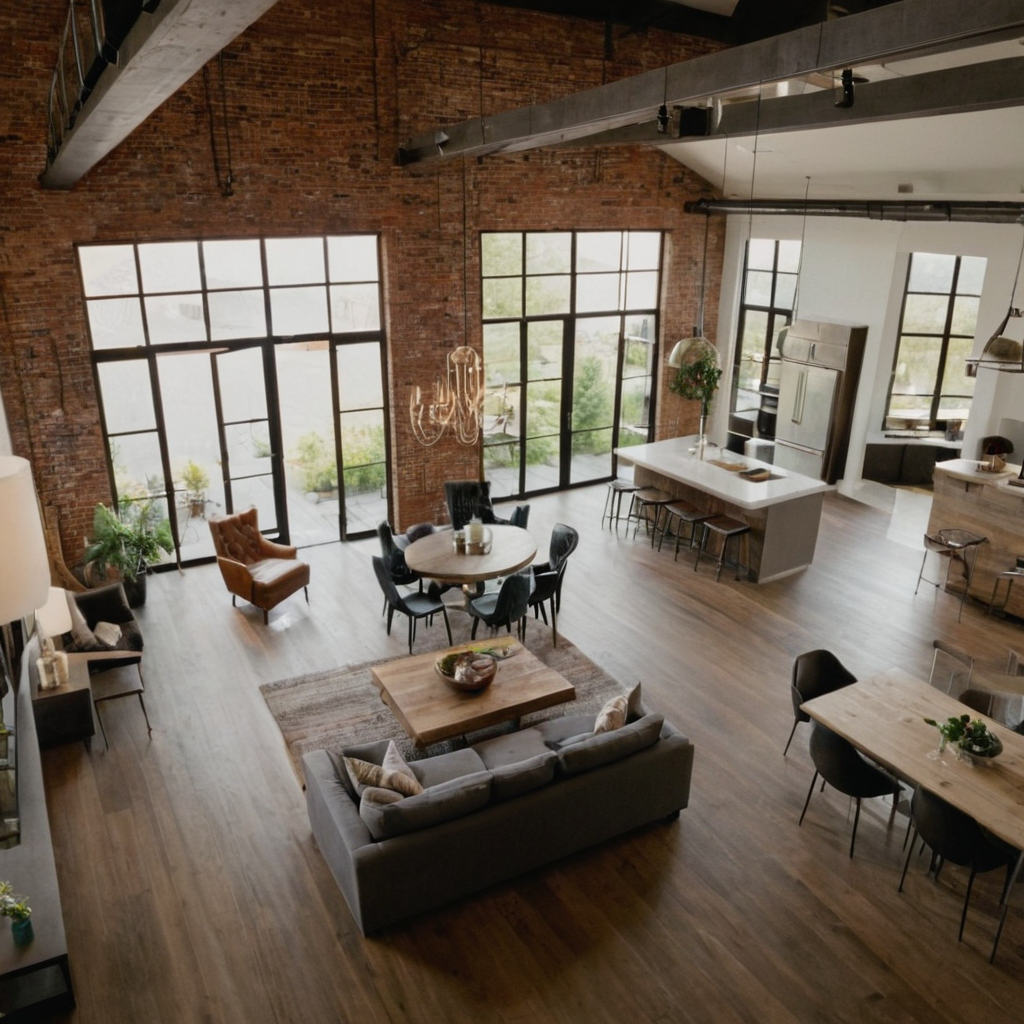
An open-concept layout is essential for creating a spacious feel characteristic of lofts and industrial spaces. This design choice removes walls to connect living areas, enhancing the flow between different zones while making the space appear larger.
To achieve an effective open plan in your loft, consider using furniture placement rather than dividers to delineate spaces. For example, arrange seating around a central coffee table to create a natural living room area.
4. Large Windows
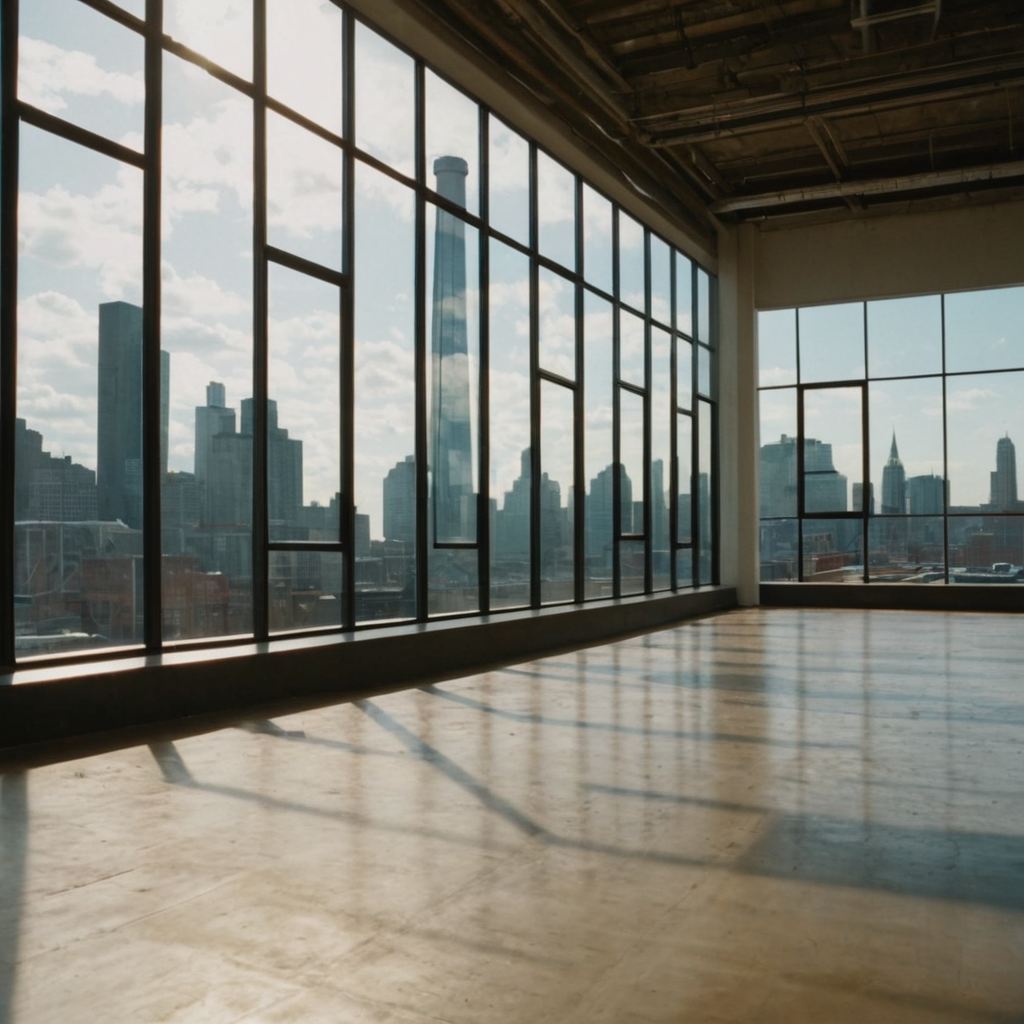
Large windows are a key feature of many lofts, offering abundant natural light and spectacular city views that enhance the modern, urban feel of the space. These expansive openings also create a sense of connection between indoor and outdoor environments.
Maximize the benefits of large windows by choosing minimal window treatments or no curtains at all to ensure maximum daylight and unobstructed views. Use sheer blinds if privacy is needed.
5. Raw Wood Elements
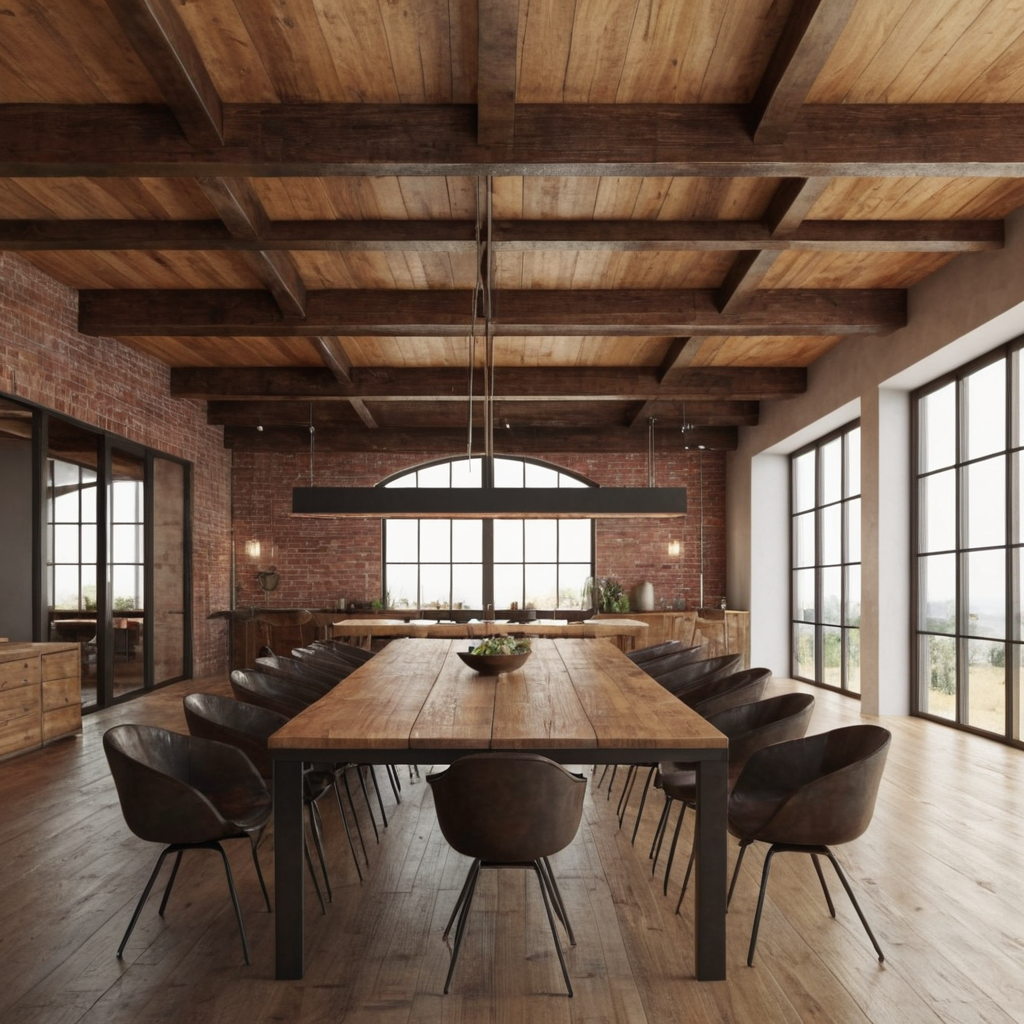
Wood elements, often left unfinished or minimally treated, add warmth to the cool and stark surfaces of industrial design. Whether through flooring, furniture, or architectural features like beams, wood contributes a natural, rustic touch that balances out the hard-edged materials.
Incorporate raw wood by using it for structural supports in exposed beam ceilings or as dining tables and shelves. The natural grain can be complemented with metal accents to tie into other industrial elements.
6. Concrete Floors
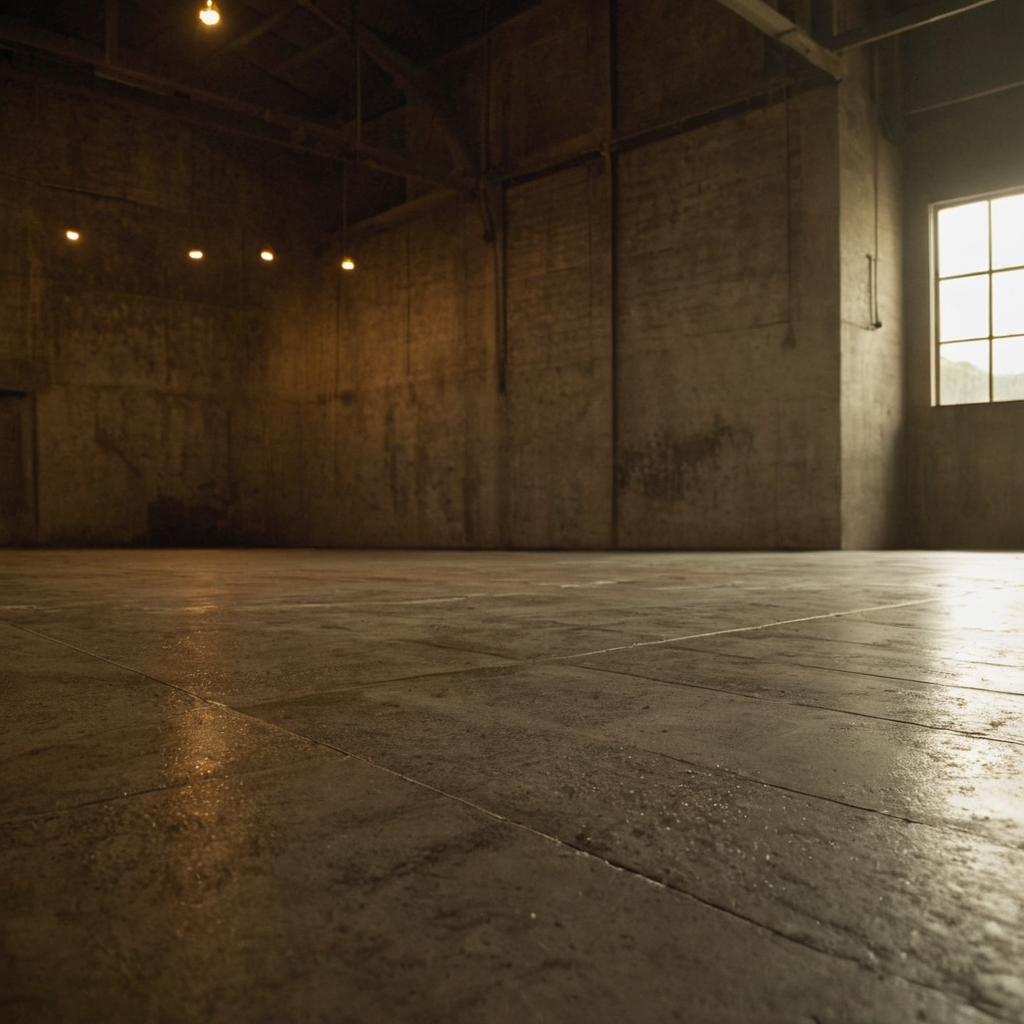
Concrete floors are another signature element of industrial lofts. They provide a robust and durable surface that is easy to maintain while adding to the raw aesthetic of the space. The smooth or textured finish can vary based on personal preference but should complement other materials in use.
If you’re considering concrete flooring, assess its suitability for your environment; it may need some insulation if coldness is an issue in cooler climates. Consider applying a sealant to protect against moisture and stains.
7. Industrial Lighting
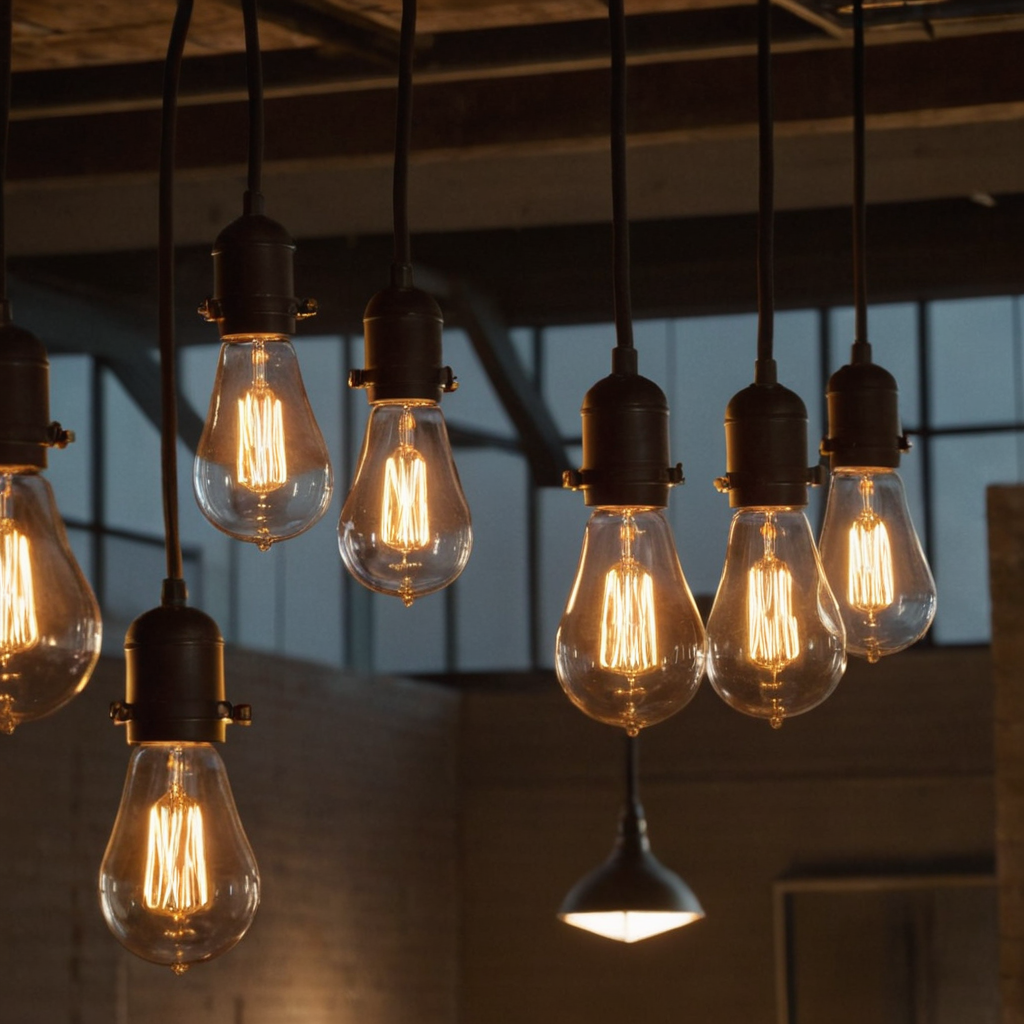
Industrial lighting includes fixtures that are functional and aesthetically pleasing, often featuring metallic finishes with open bulbs or exposed wiring. Pendant lights, sconces, and wall-mounted fixtures can all add to the utilitarian atmosphere of an industrial loft.
Choose light fixtures that not only serve a practical purpose but also enhance your space’s style. For instance, hanging multiple industrial pendant lights over dining areas creates both ambiance and focal points.
8. Minimalist Furniture
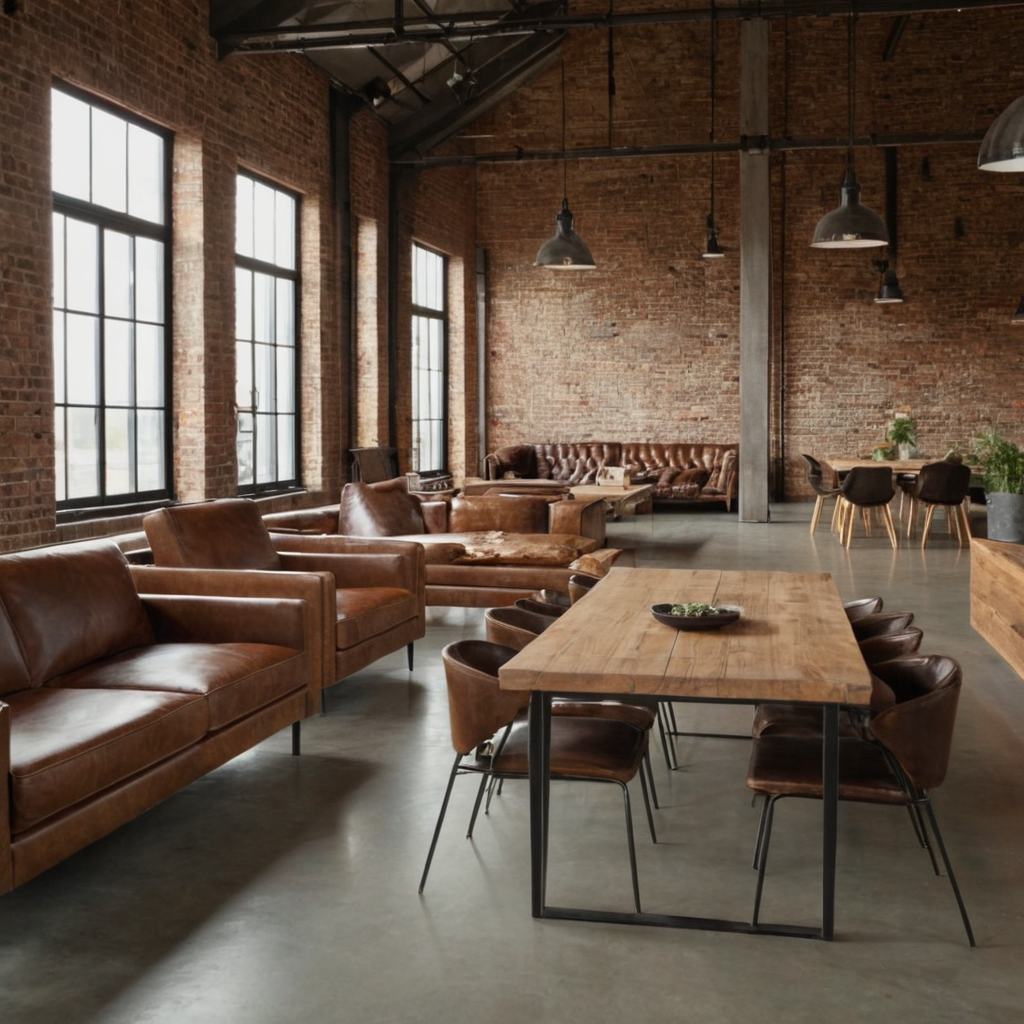
Minimalist furniture is key to maintaining the uncluttered look of industrial design. Pieces should be simple and often feature clean lines, with an emphasis on function over form. Materials may include metals, woods, or leather, which complement the rawness of exposed surfaces.
Select minimalist pieces that serve their purpose without overwhelming the space. For instance, a sleek sofa with a metal frame can blend seamlessly into the industrial aesthetic while providing comfortable seating.