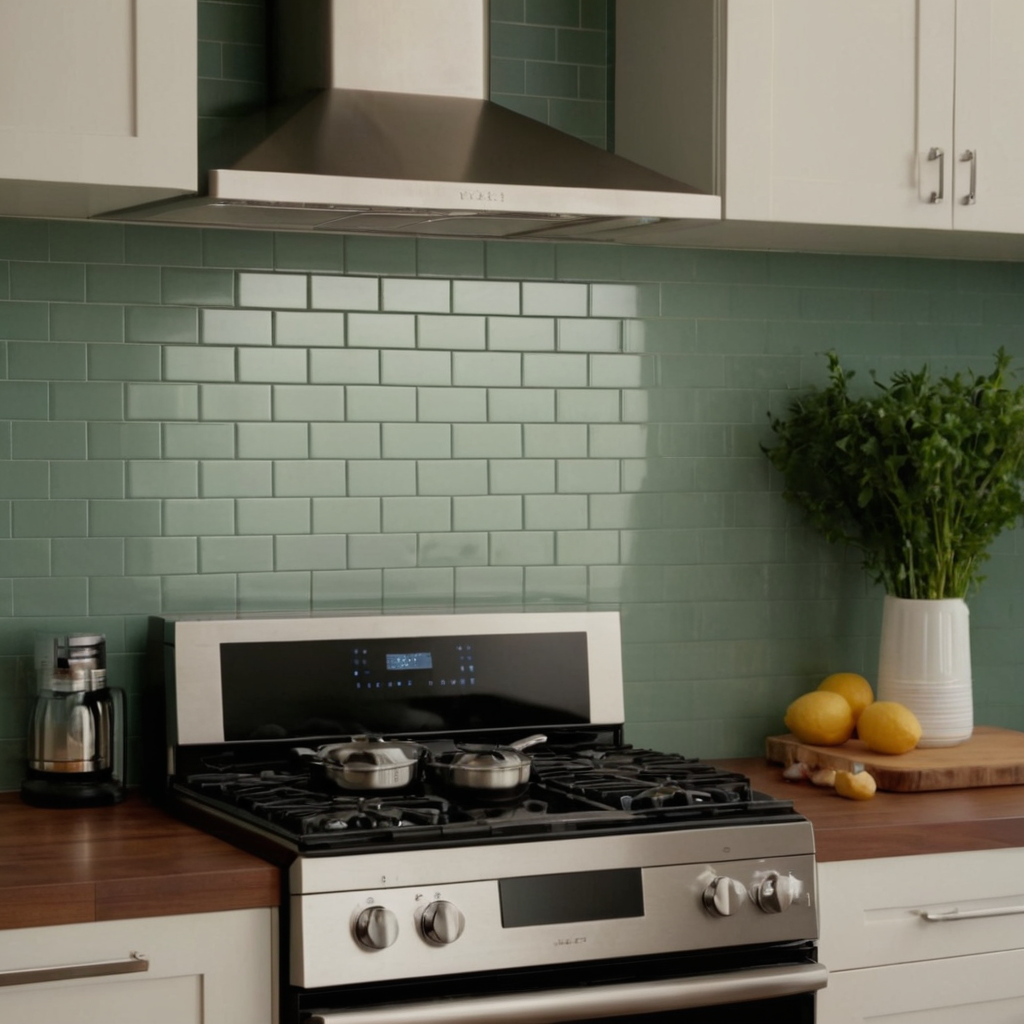
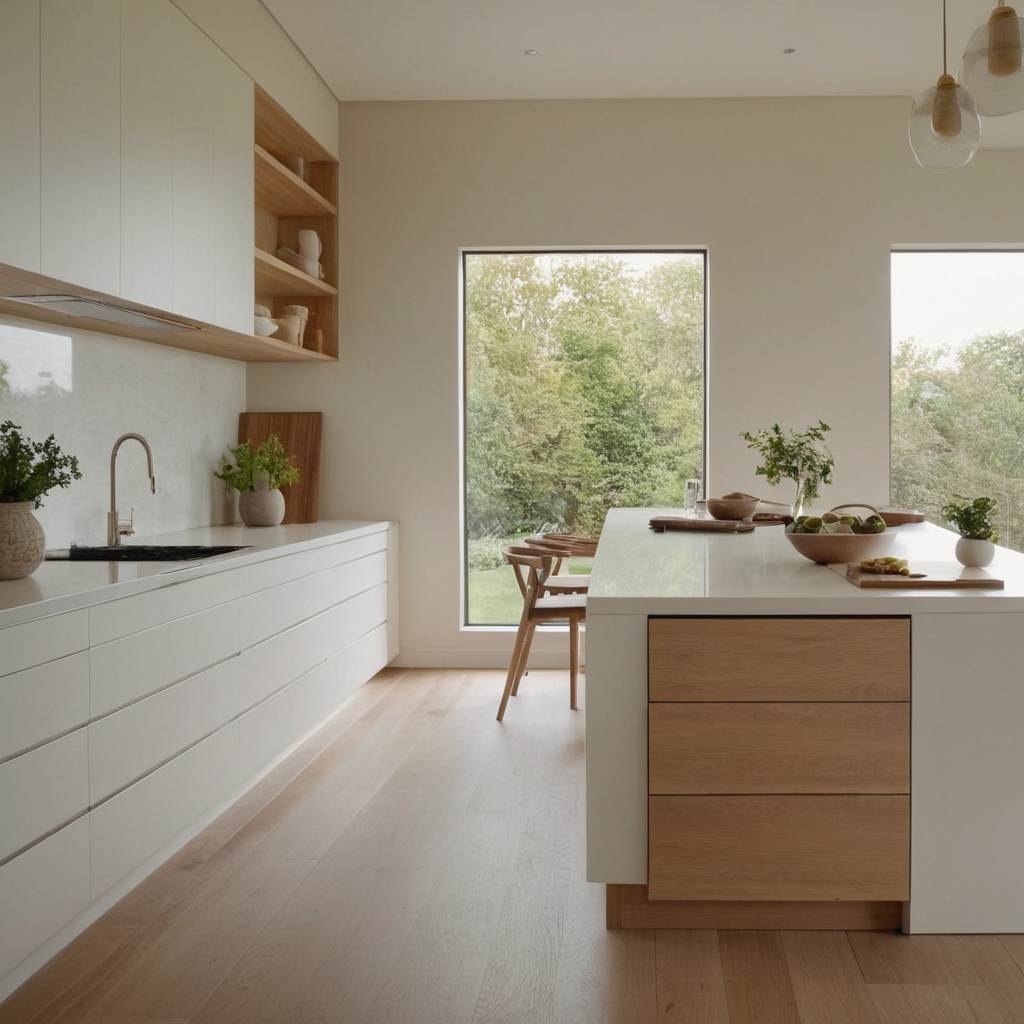
1. Backsplash Tiles: Aesthetic and Functional Appeal
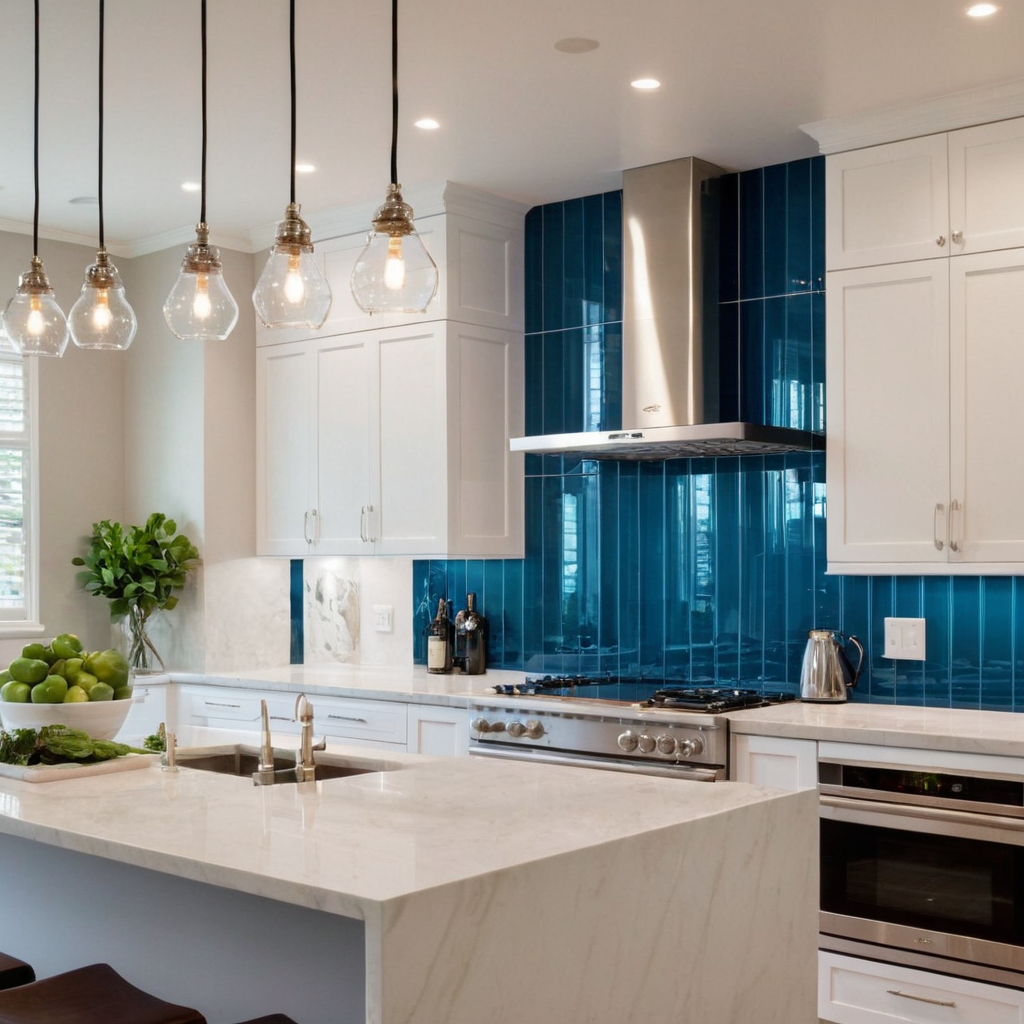
A backsplash not only protects the walls from water damage but also serves as a decorative element that can dramatically change the look of your kitchen. Opt for materials like glass, ceramic or natural stones to create an eye-catching focal point in your space. Glass tiles are particularly versatile and can reflect light beautifully, making smaller spaces feel larger and brighter.
For practical advice, consider choosing lighter colors if you want to brighten up a darker corner or select a patterned design to add visual interest. Ensure that the tile is easy to clean and maintain for a low-maintenance kitchen.
2. Smart Cabinetry: Maximizing Storage Space
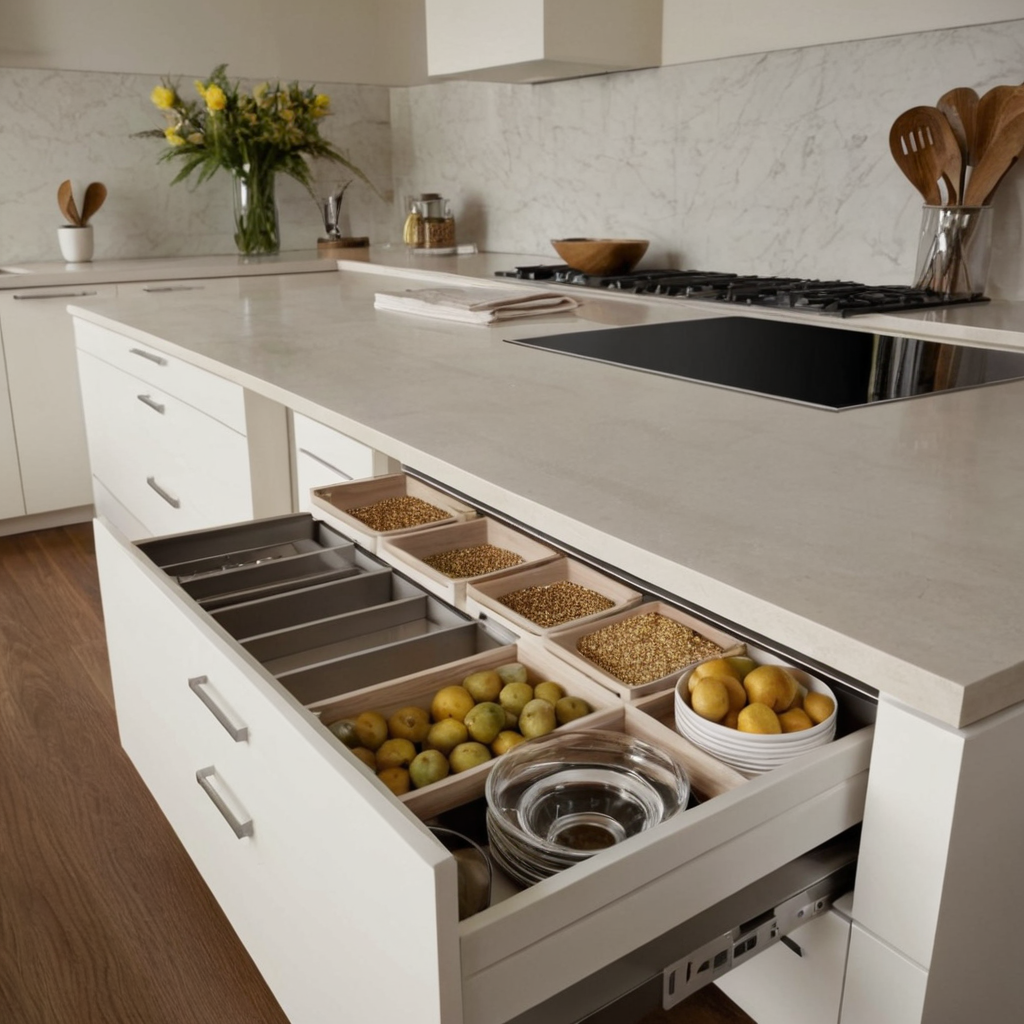
Smart cabinetry is essential for efficient storage and organization in modern kitchens. Innovative designs like pull-out drawers, lazy susans, and adjustable shelves make every inch of space accessible and useful. Modular systems allow you to customize your kitchen layout based on specific needs, whether it’s more countertop space or specialized areas for appliances.
Consider incorporating drawers with dividers for smaller utensils or deep cabinets with adjustable shelving to store larger items like pots and pans. For a clean look, use soft-close hinges and drawer slides that ensure smooth operation without noise.
3. Open Shelving: A Contemporary Touch
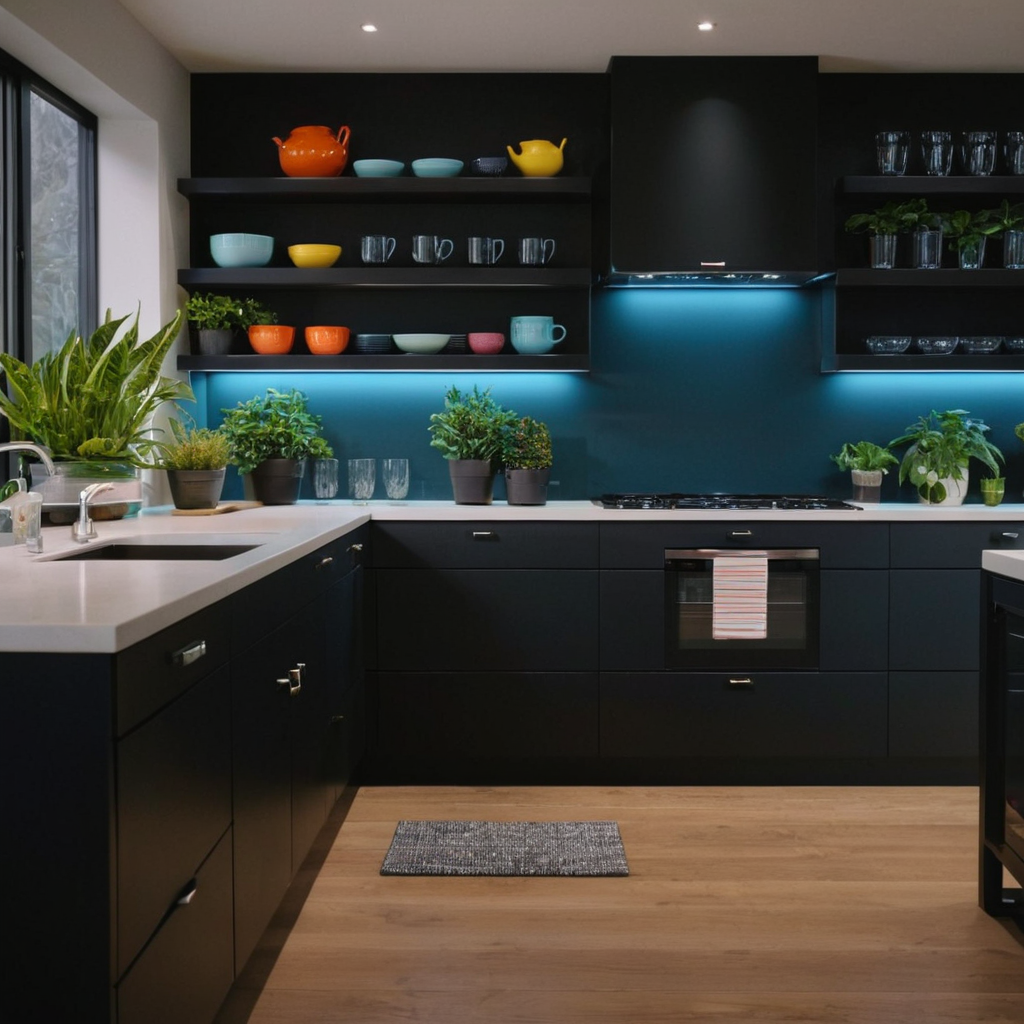
Open shelving has become a popular trend in modern kitchens due to its ability to create an airy, open feel while showcasing stylish cookware or decorative items. This design element not only adds visual interest but also serves as a functional storage solution for frequently used items like dishes and glasses.
To style your open shelves effectively, choose a mix of clear glassware, colorful dishware, and greenery to add depth and color. Keep the overall look organized by grouping similar items together and using baskets or trays to contain smaller objects.
4. Island Workstations: Centralized Cooking Areas
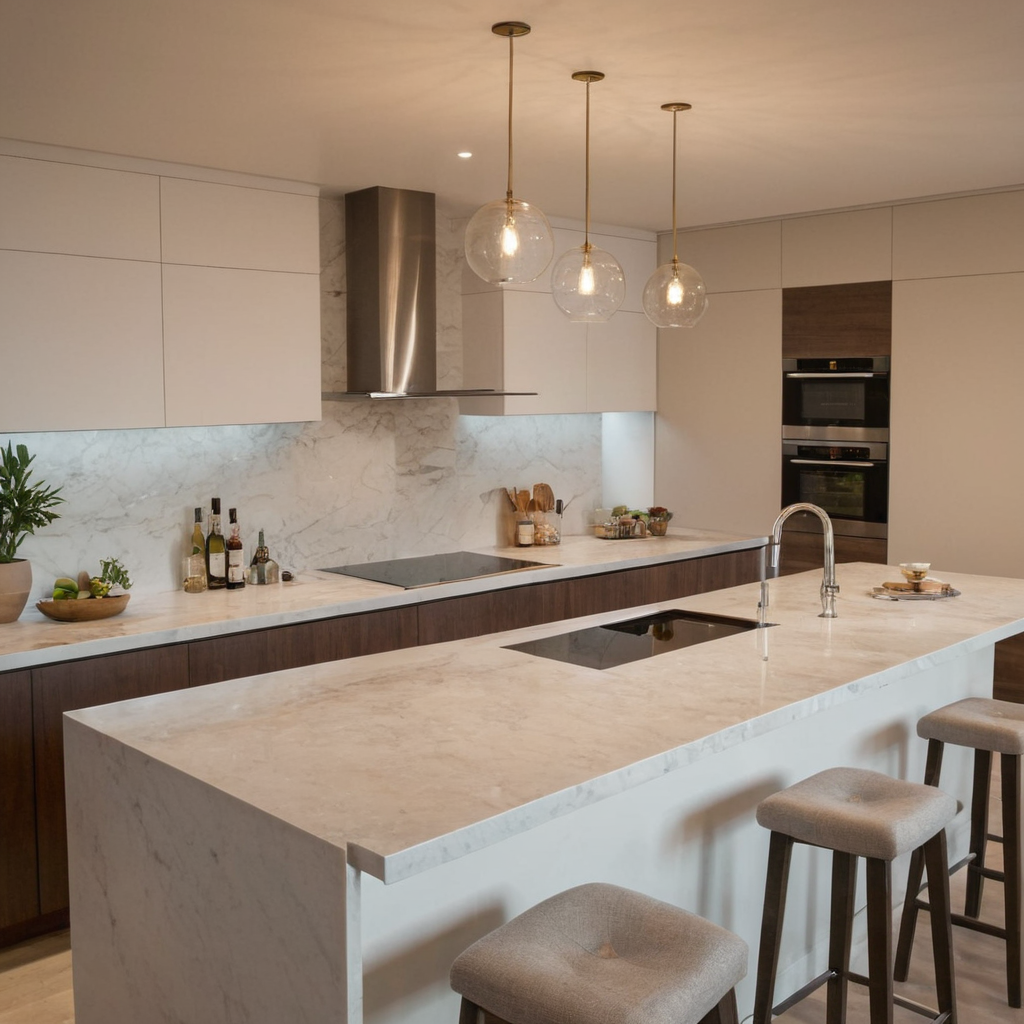
A kitchen island serves as the central hub of activity in many homes and can be customized to include a range of features from prep areas to seating spaces. Islands are not just about aesthetics; they provide additional storage, counter space, or even a small dining area depending on your needs.
When designing an island, consider incorporating built-in appliances like cooktops or sinks for added functionality. Ensure that the island’s size and shape complement the overall kitchen layout without creating congestion. For example, a peninsula-style island can work well in smaller spaces.
5. Lighting: Brightening Up Your Space
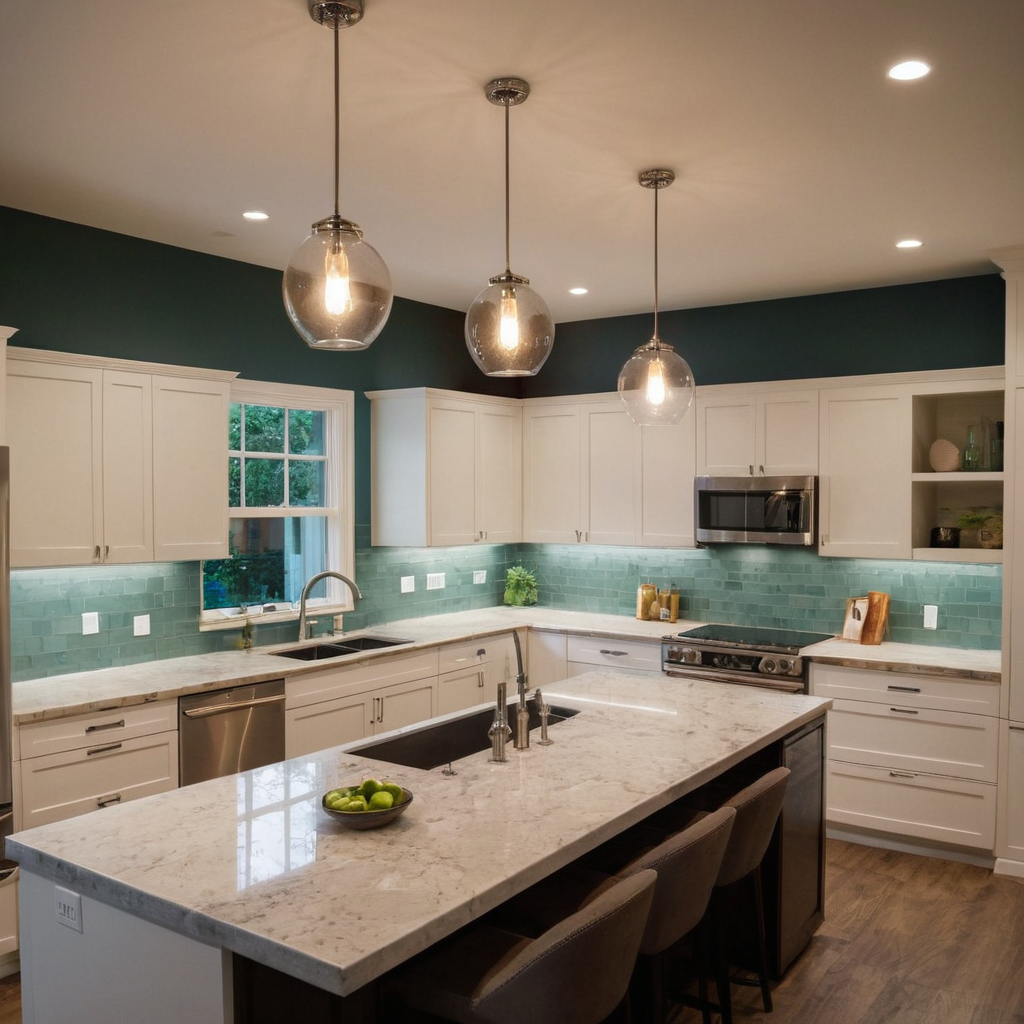
Proper lighting is crucial in creating a functional yet inviting atmosphere in your kitchen. A combination of ambient, task, and accent lighting can help define various zones within the space while also serving practical purposes such as illuminating countertops or highlighting architectural details.
Incorporate different types of fixtures like recessed lights for general illumination, pendant lights above islands or dining areas, and under-cabinet strip lights to illuminate work surfaces. LED bulbs are energy-efficient and come in a variety of color temperatures that can be adjusted according to the time of day.
6. Material Selection: Durability Meets Aesthetics
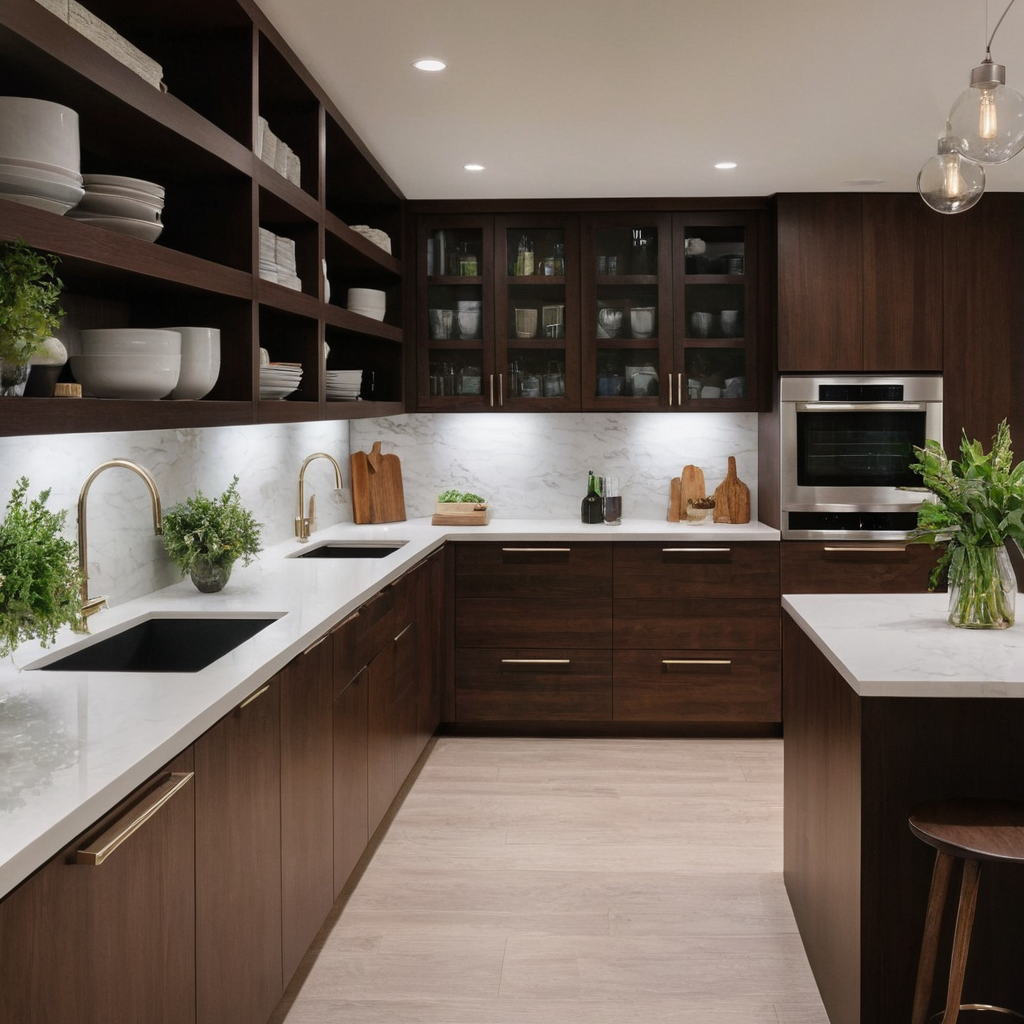
Choosing the right materials for your kitchen surfaces is essential to ensure both durability and style. Quartz and granite countertops are popular choices due to their resilience and ability to withstand daily wear and tear while providing a luxurious look.
For cabinetry, consider using wood or laminate finishes that offer not only aesthetic appeal but also protection against moisture and stains. Additionally, selecting materials with sustainable certifications can contribute positively to the environment.
7. Color Palette: Creating Mood and Contrast
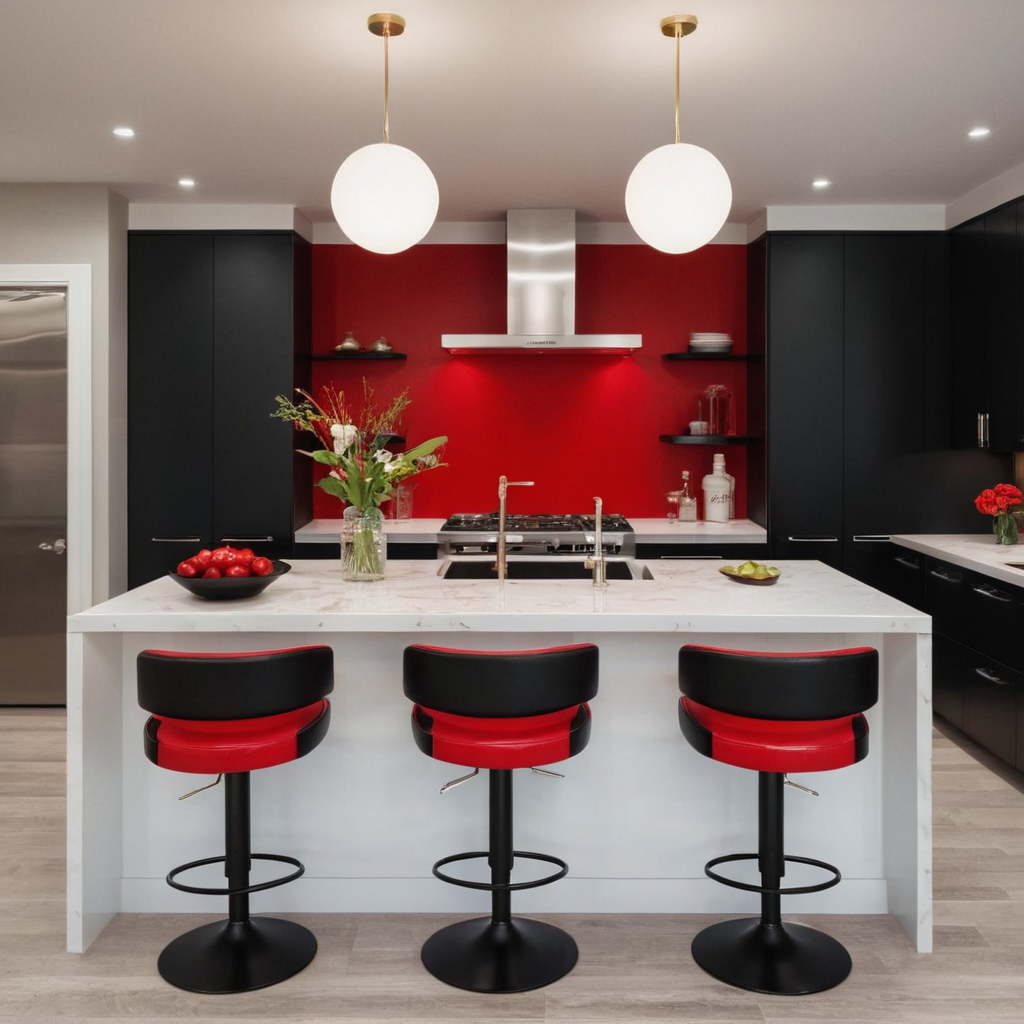
The color palette you choose for your kitchen can dramatically influence the mood of the space. Neutral tones like whites, grays, or beiges create a clean backdrop that makes it easy to update with colorful accessories over time.
To add visual interest, consider incorporating contrasting elements such as dark cabinetry paired with light countertops or vice versa. Accents in bold colors can also energize the space without overwhelming it.
8. Flooring: Durability Meets Style
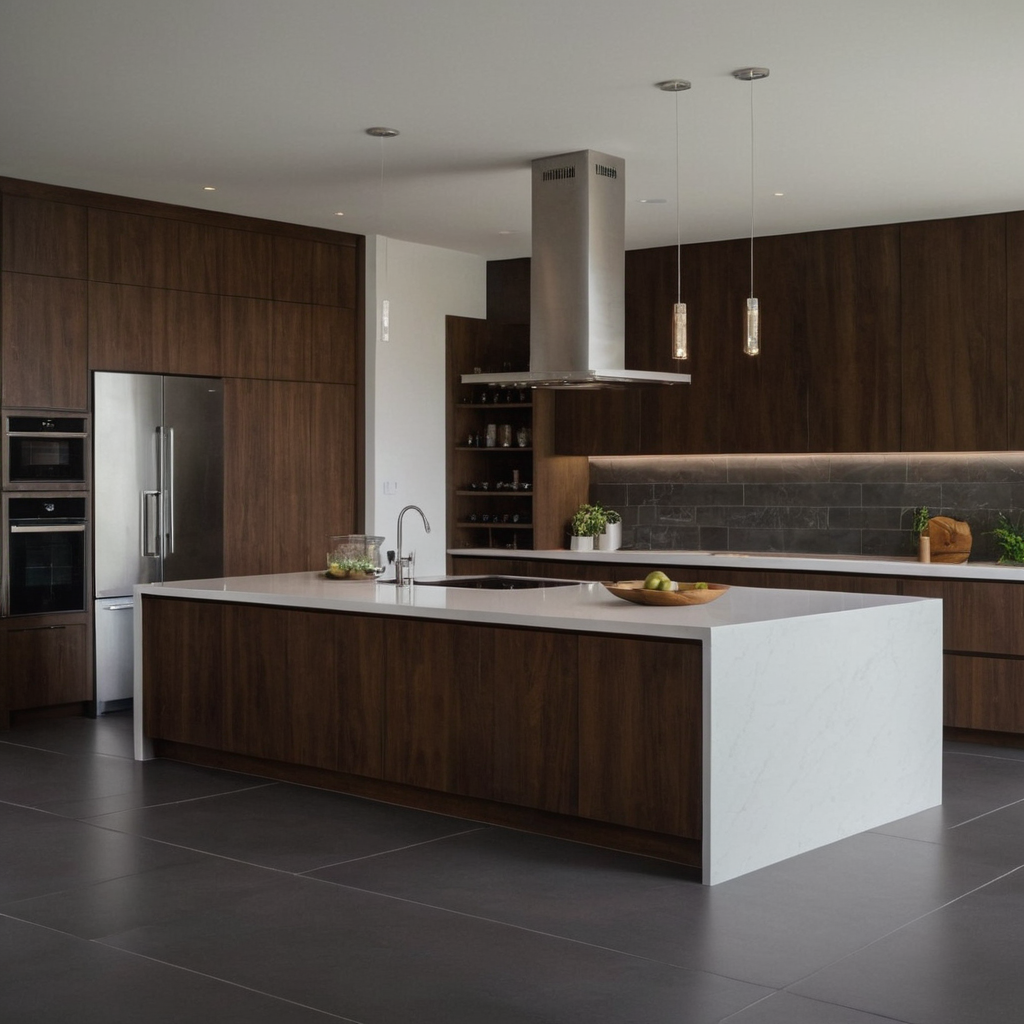
Flooring is another critical element that contributes both to the aesthetic appeal and practicality of your kitchen. Options like tile, hardwood, or laminate each offer unique benefits in terms of durability, ease of maintenance, and visual style.
For a modern look, choose large-format tiles or engineered wood flooring for a seamless appearance. Ensure the material is slip-resistant if safety is a concern, especially around wet areas.
9. Appliance Integration: Sleek and Seamless
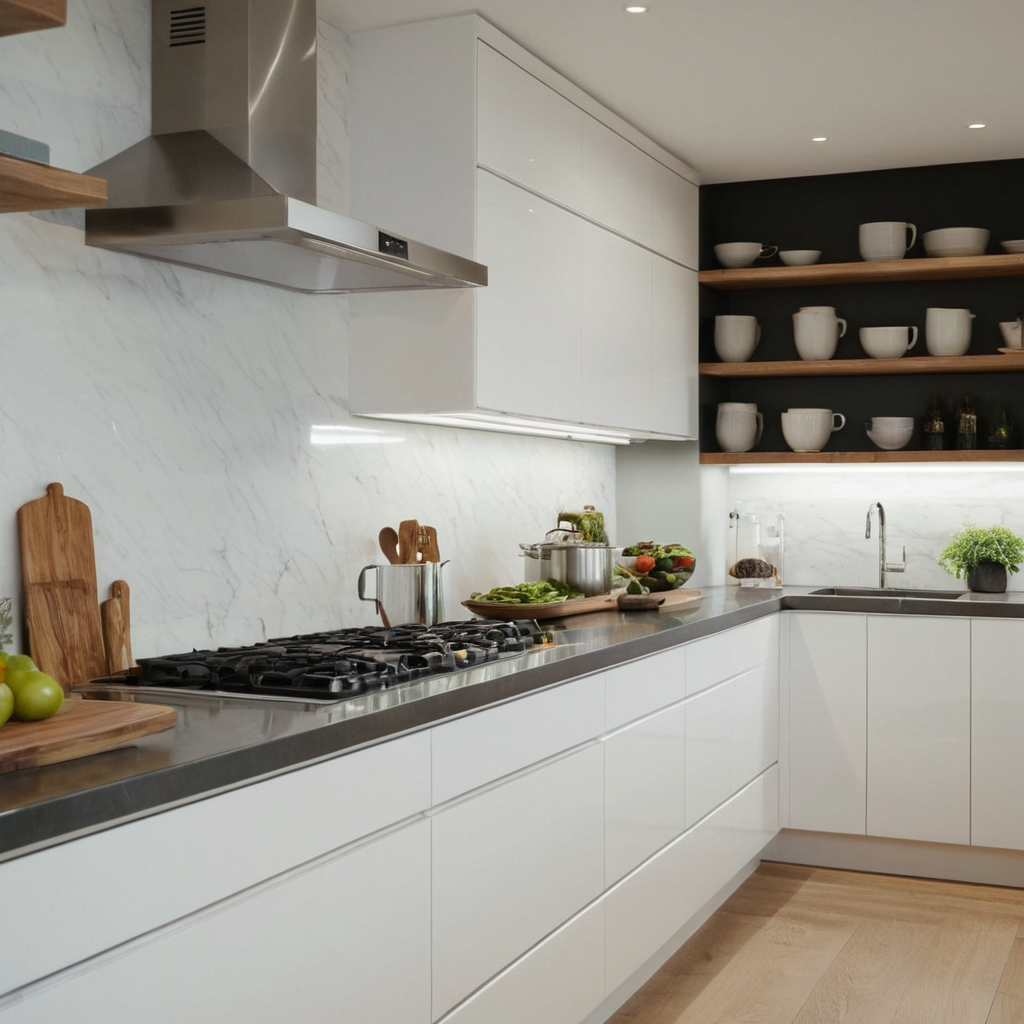
Incorporating appliances into your kitchen design seamlessly can enhance both the functionality and aesthetics of the space. Built-in refrigerators, dishwashers, and ovens that match the cabinetry fronts create a cohesive look.
When selecting appliances, consider energy efficiency ratings to help reduce utility costs over time. Also, think about future-proofing by choosing models with smart capabilities for easy integration with home automation systems.