1. Choose Pendant Lights for Focal Points
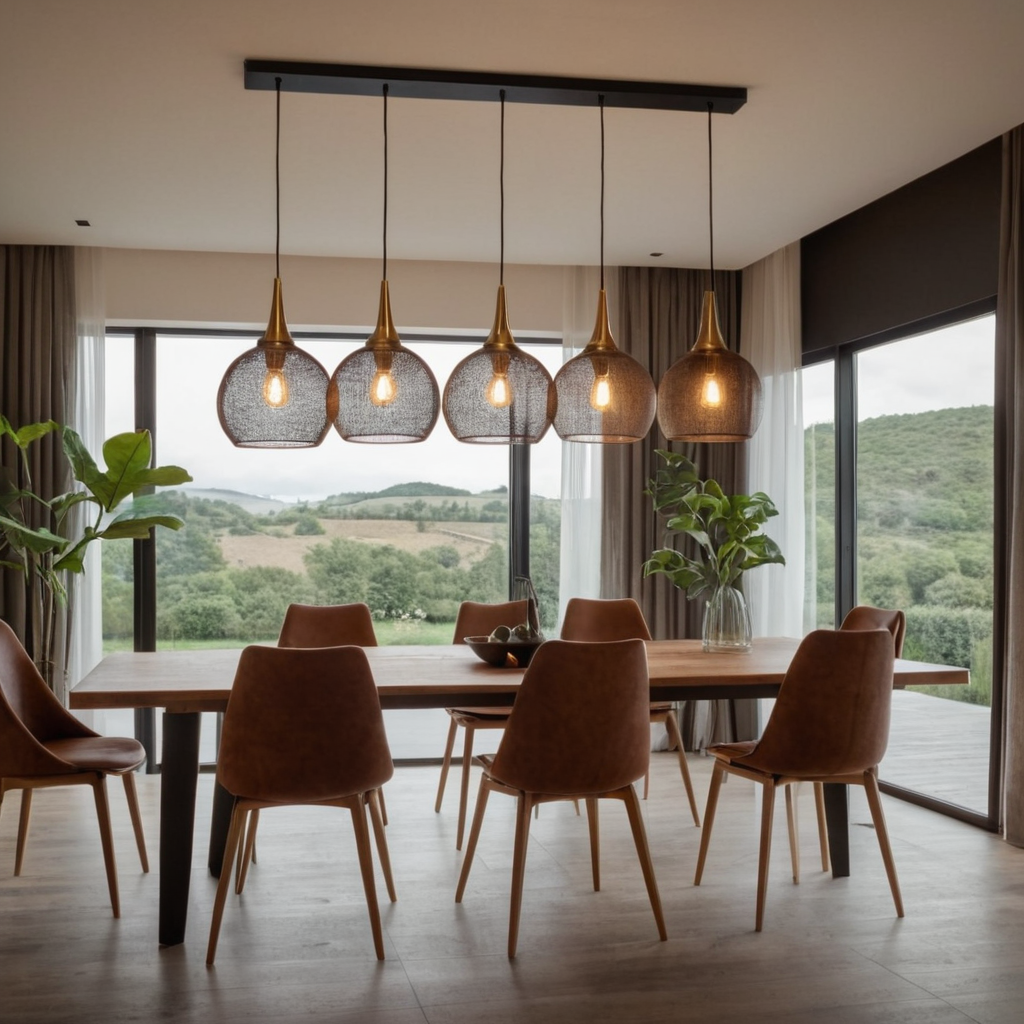
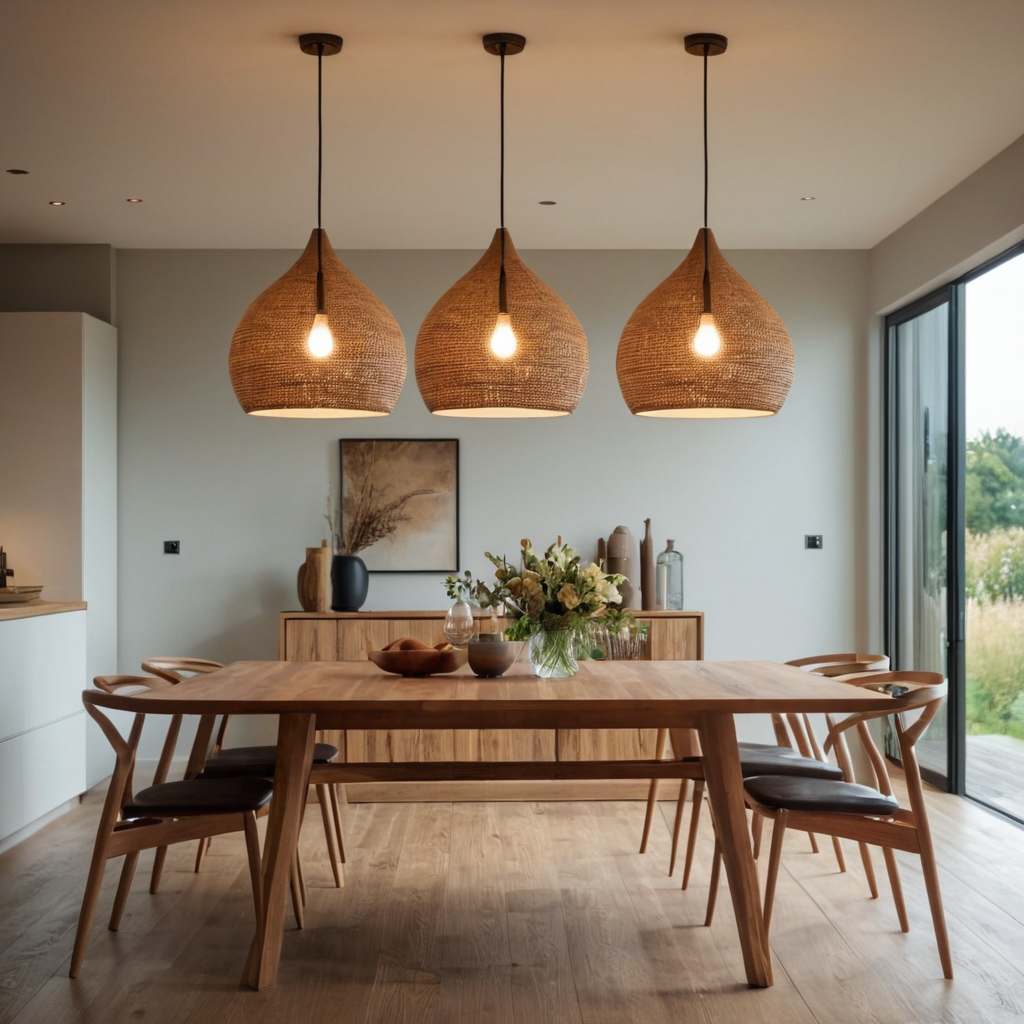
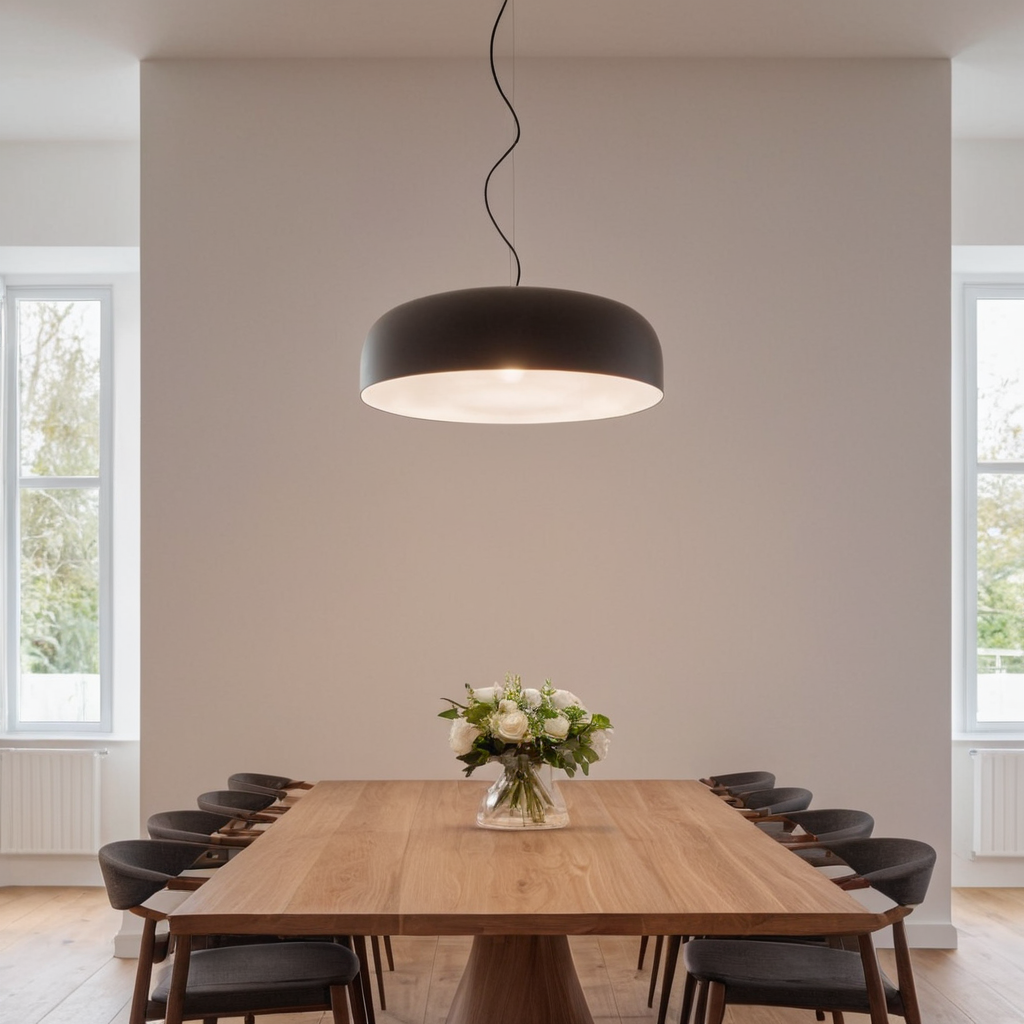
Pendant lights are a versatile addition to any room, serving as both functional lighting and decorative elements. They can highlight dining tables or create visual interest in living areas. When selecting pendant lights, consider the size of your space; larger rooms benefit from multiple fixtures, while smaller spaces may need a single statement piece.
To style pendant lights effectively, ensure they are hung at an appropriate height—typically 30-34 inches above the dining table or 7 feet above the floor for general lighting. Mix metals and finishes to add depth and character to your space.
2. Select Floor Lamps for Warm Ambiance
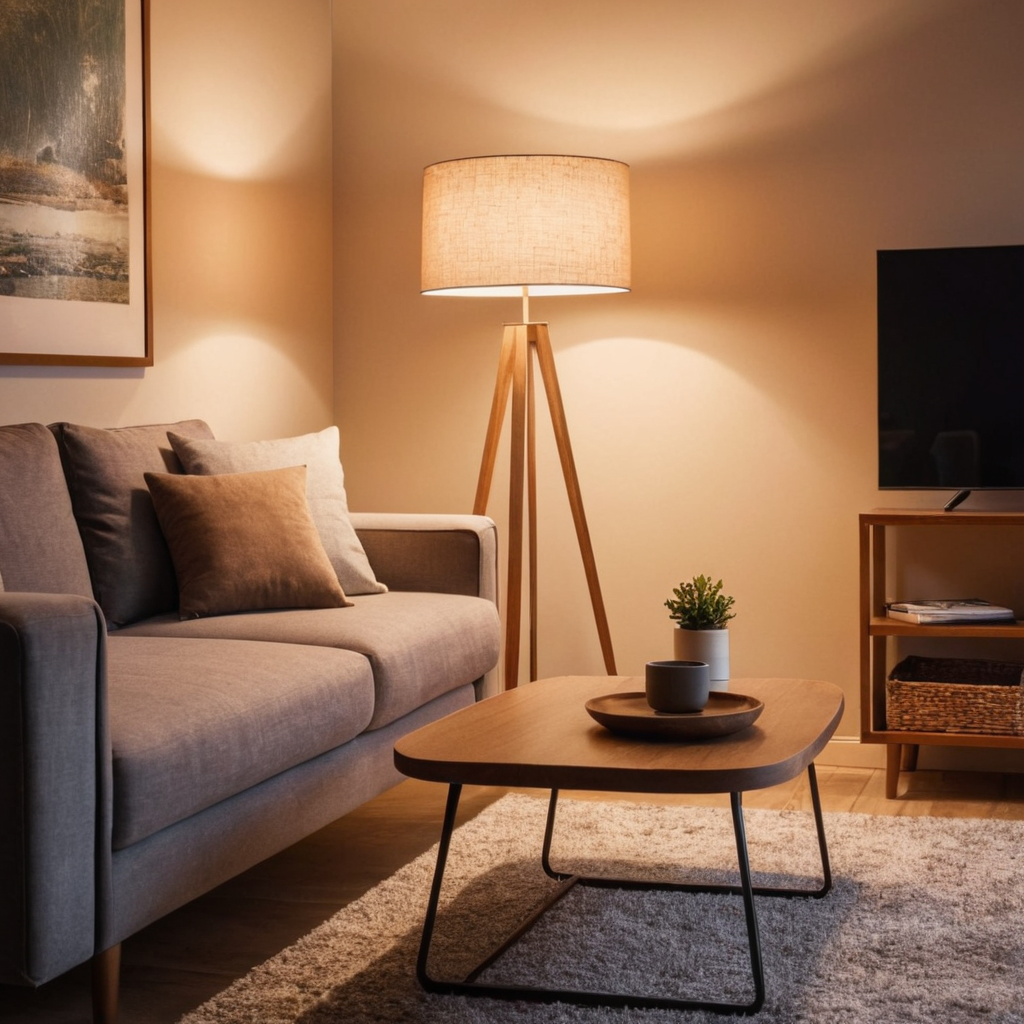
Floor lamps are essential in creating a warm and inviting atmosphere, particularly in living rooms and bedrooms. They offer flexible lighting options that can be adjusted to suit different activities or moods throughout the day. Consider choosing floor lamps with adjustable brightness settings to match your needs.
When placing floor lamps, position them in corners near seating areas or beside beds for optimal use as reading lights. Opt for designs with sleek lines and minimalistic styles if you’re aiming for a contemporary look; choose more ornate fixtures for traditional decor.
3. Use Architectural Lighting for Visual Drama
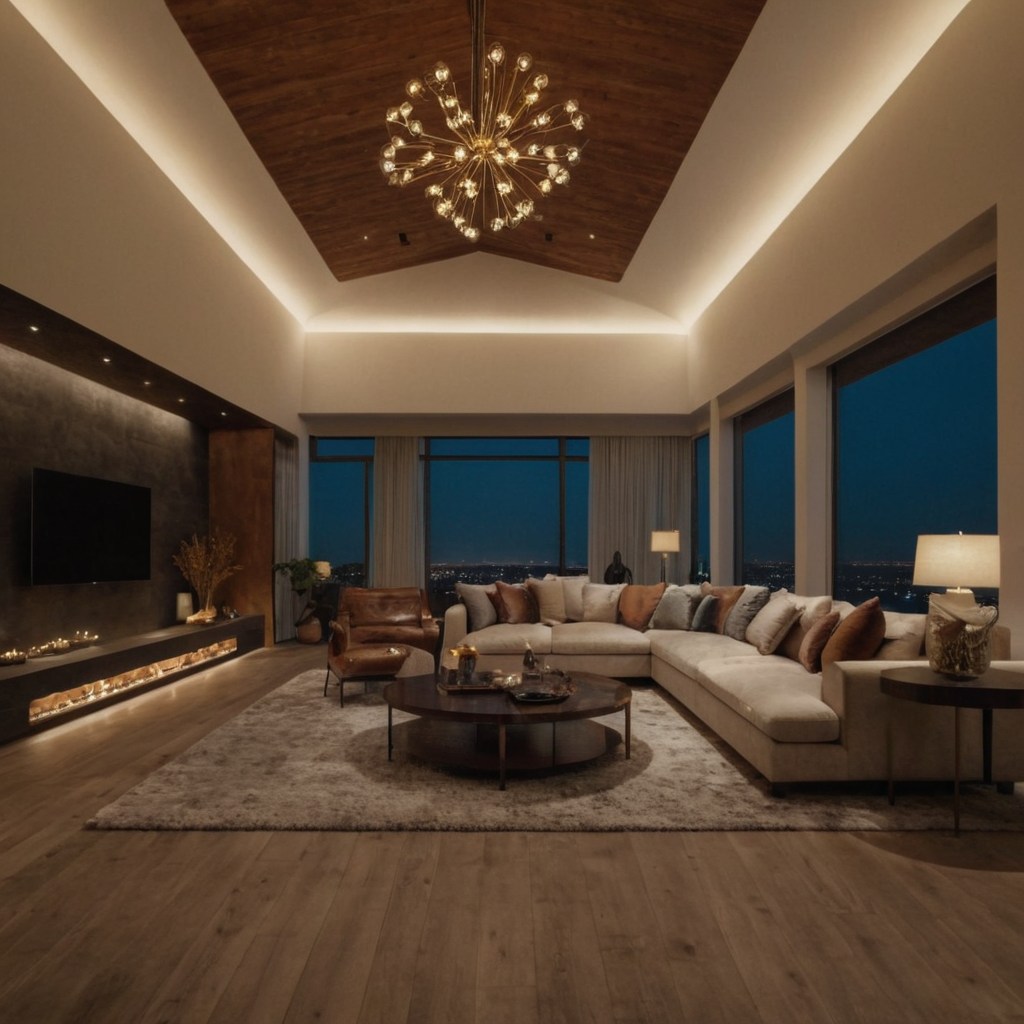
Architectural lighting, such as recessed lights and wall washers, can transform your home by accentuating its architectural features and creating dramatic effects. These types of fixtures are particularly effective in large open spaces like foyers or great rooms where you want to highlight specific elements.
To integrate architectural lighting into your design plan, consider the layout of the room. Use recessed lights for general illumination and add wall washers to emphasize textures and details on walls or columns. Ensure that these fixtures are well-placed to avoid harsh shadows.
4. Mix Lighting Types for Balanced Aesthetics
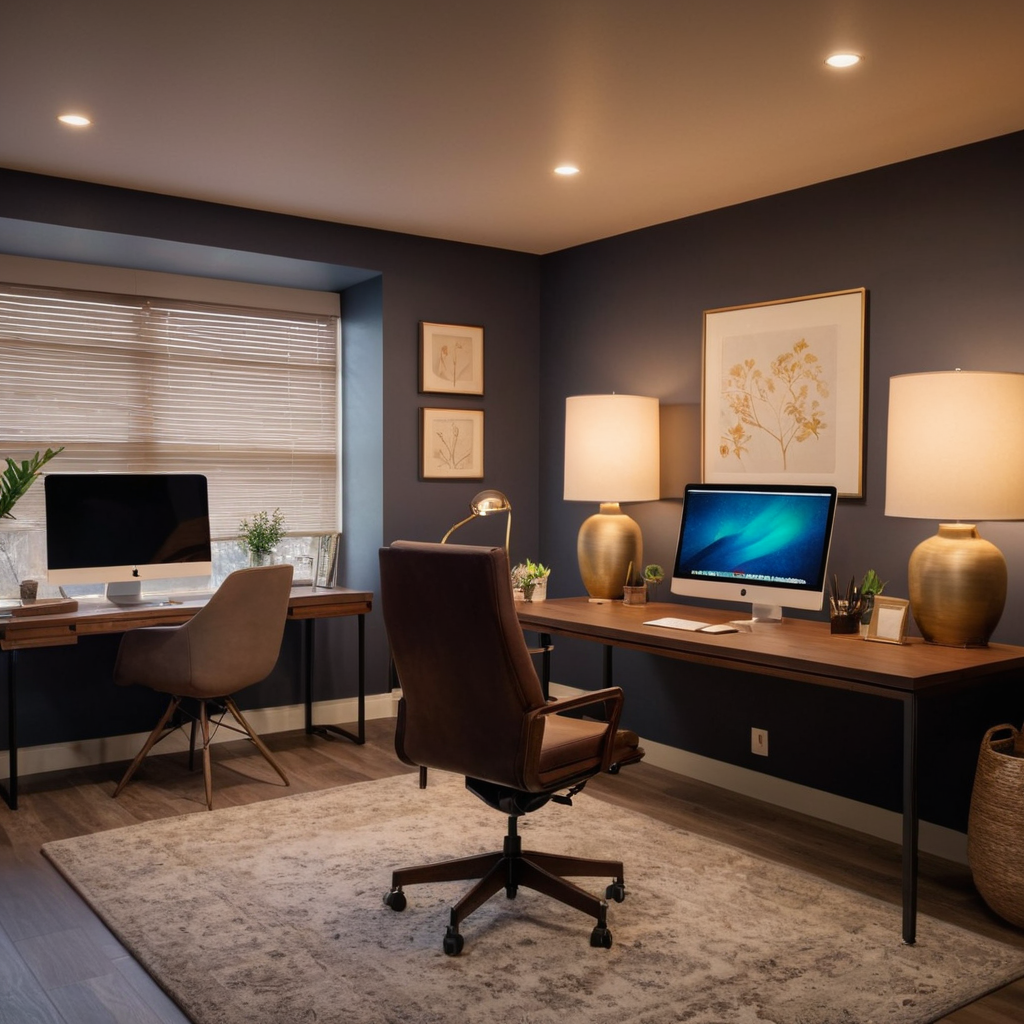
A well-lit home is achieved through a mix of different types of lighting, including ambient, task, and accent lighting. Each serves a specific purpose, from providing overall illumination to highlighting focal points or aiding in tasks like reading or cooking.
To achieve balanced aesthetics, layer your lighting by combining general overhead lights with targeted sources such as under-cabinet lights for the kitchen or bedside lamps for bedrooms. This approach creates depth and flexibility in how you use light throughout different times of day.
5. Opt for Energy-Efficient Lighting Solutions
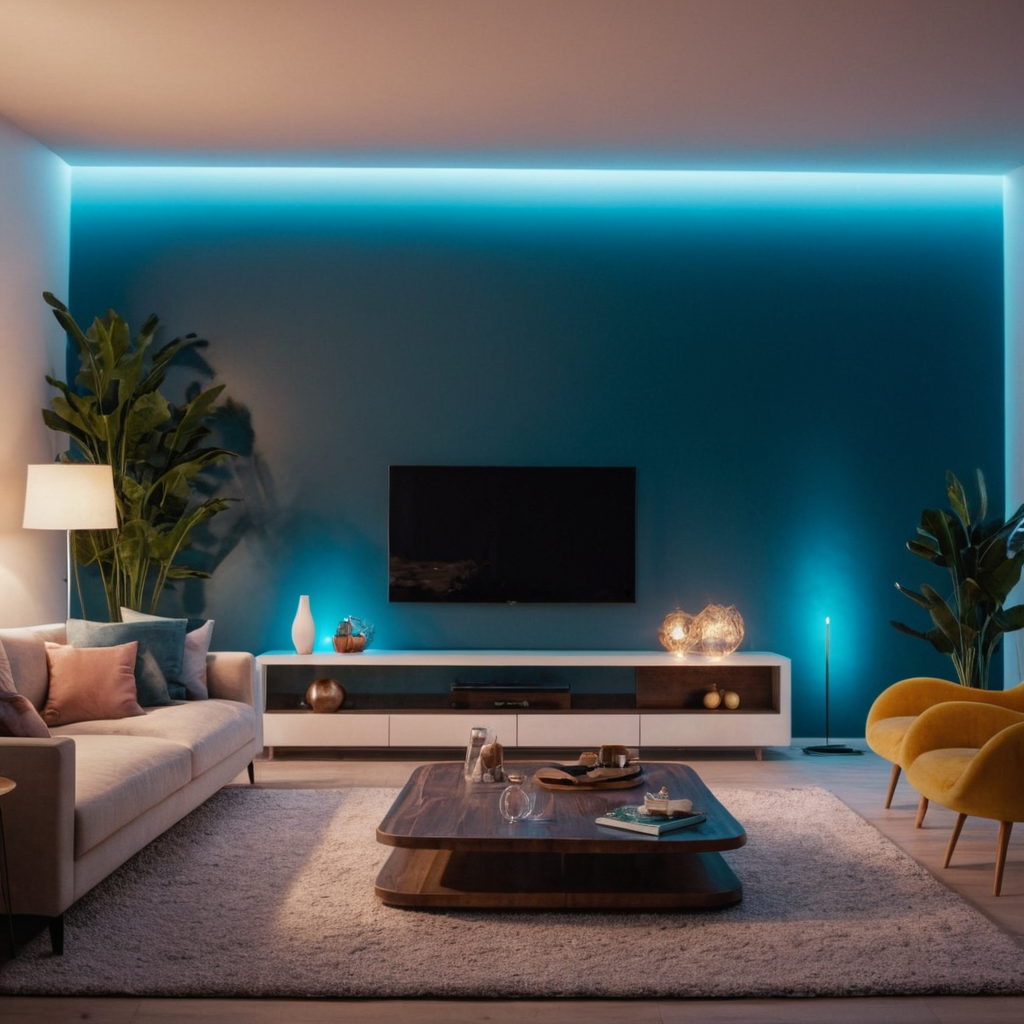
Incorporating energy-efficient light bulbs is not only environmentally friendly but can also lead to significant cost savings on your electricity bills. LED lights are the most efficient option available today, offering long lifespans and minimal power consumption.
Replace traditional incandescent bulbs with LEDs in all fixtures around your home. Consider smart lighting options that allow you to adjust brightness and color temperature using a smartphone app or voice commands, enhancing both energy efficiency and convenience.
6. Style Pendant Lights for Various Room Functions
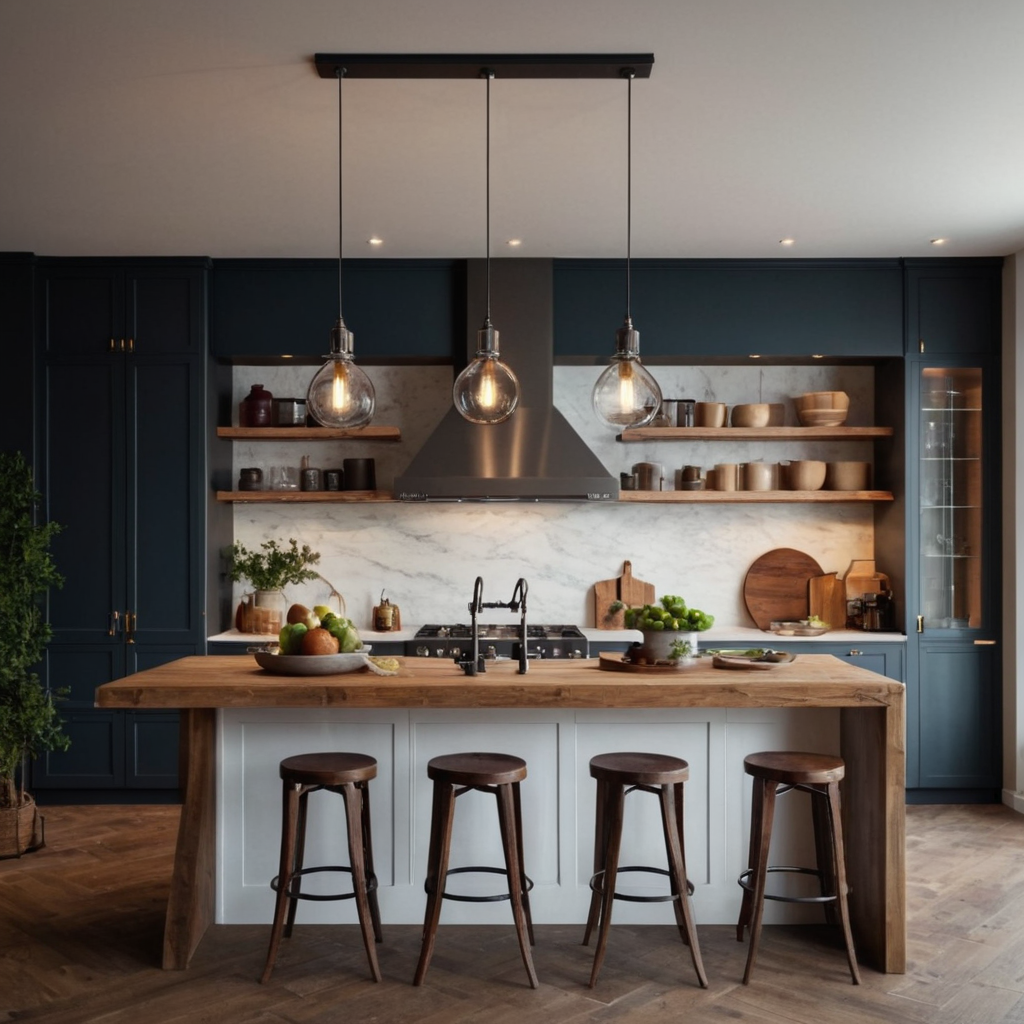
Pendant lights can fulfill various roles depending on the function of your space and personal style preferences. In kitchens, opt for industrial-style pendants that complement a more rugged aesthetic; in bedrooms or bathrooms, choose softer, warmer-toned fixtures to create relaxing environments.
For practical advice, consider how pendant lights interact with other design elements. In dining areas, ensure they do not obstruct views between diners and are positioned at comfortable eye level for all seated individuals.
7. Incorporate Artistic Floor Lamps for Visual Interest
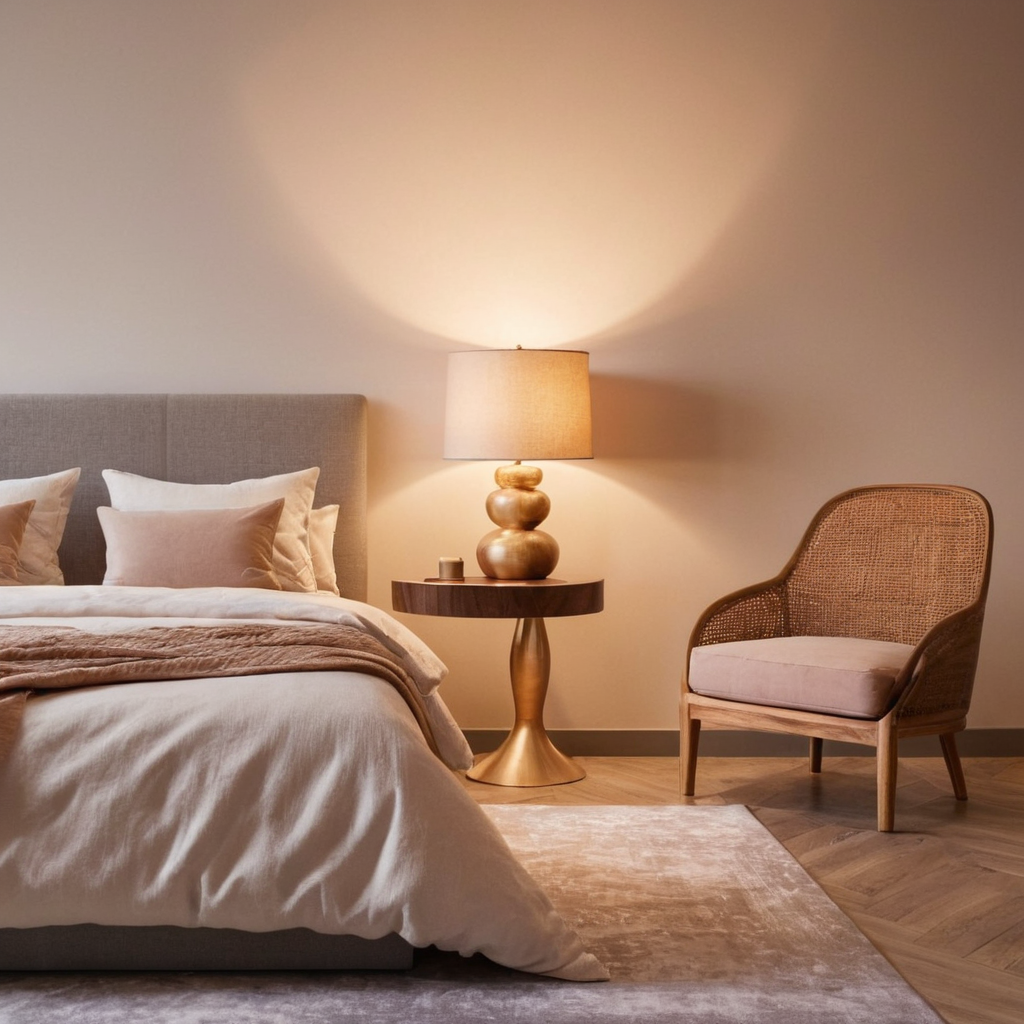
Floor lamps can add artistic flair to any room, especially when selected with unique designs that stand out as focal points. They are excellent additions to living rooms and bedrooms where they can serve both decorative and functional purposes.
When selecting an artistic floor lamp, consider how its style complements the overall aesthetic of your space. For instance, choose a sculptural piece in a modern setting or opt for vintage-inspired designs that echo traditional decor.
8. Use Architectural Lighting to Highlight Artwork
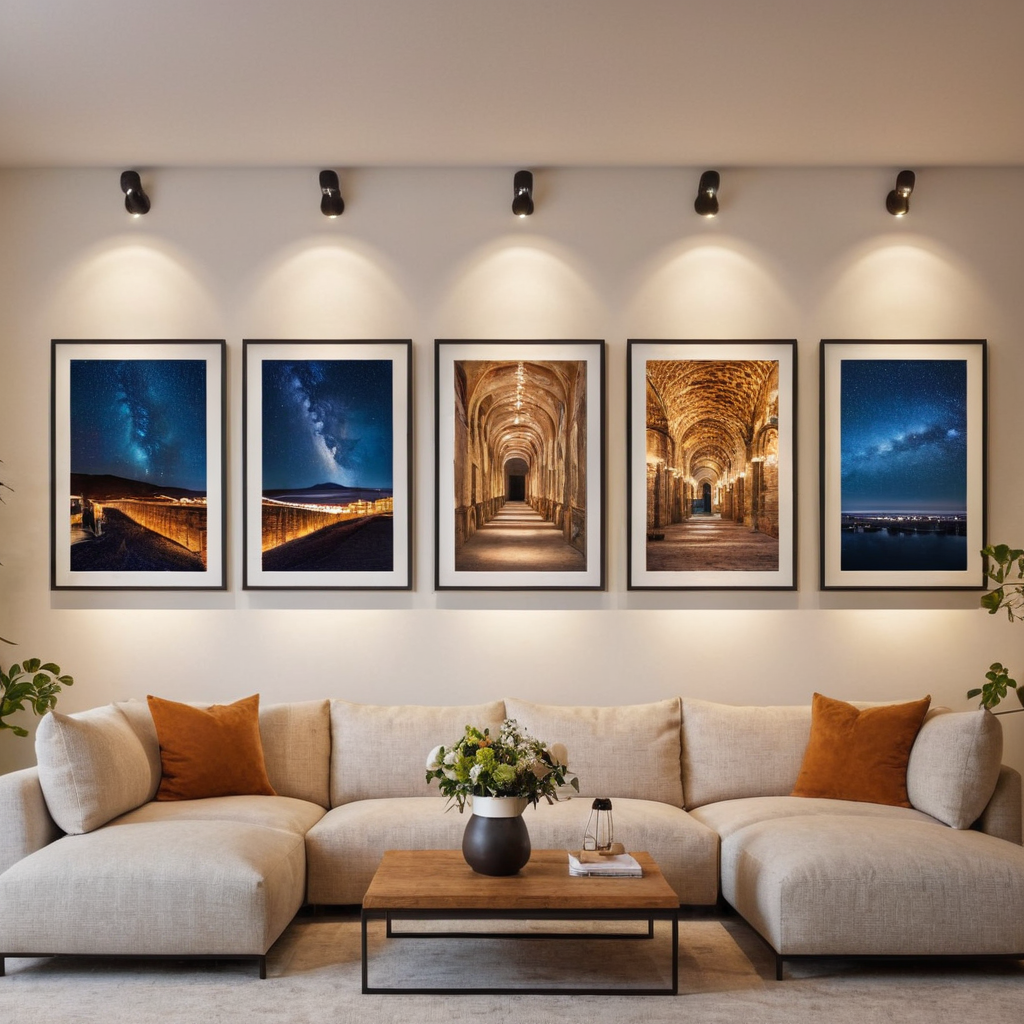
Architectural lighting is invaluable in showcasing artwork or architectural details within a room. Wall washers can be used to highlight large canvases, while track lights provide precise illumination for smaller pieces.
To effectively display artwork with architectural lighting, ensure the light sources do not create glare or harsh shadows on the piece. Position your lights at angles that bring out colors and textures without overwhelming the space.
9. Balance Warmth and Coolness with Color Temperature
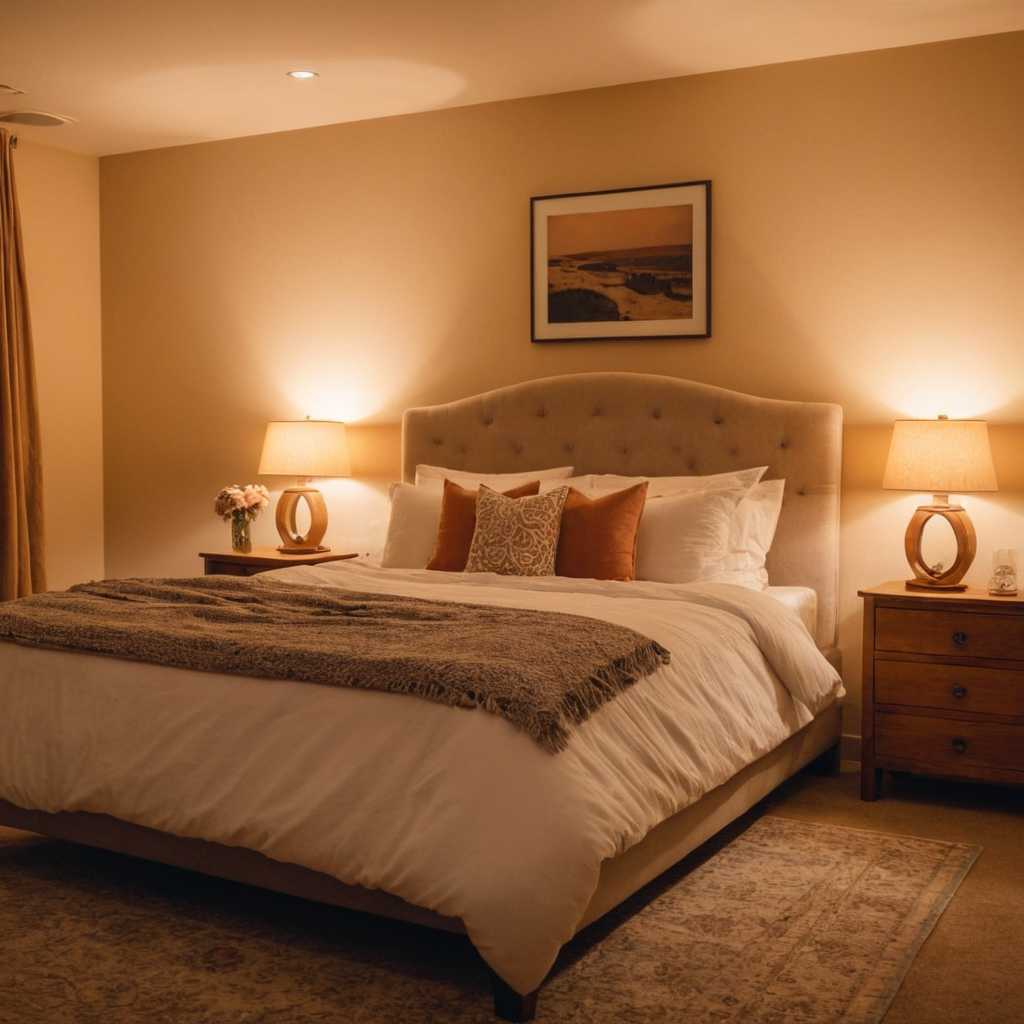
Understanding the color temperature of your light sources can significantly impact how you experience a space. Warmer tones (below 3000K) create cozy environments, ideal for bedrooms or living rooms, while cooler tones (above 4000K) are better suited to task-oriented spaces like kitchens and home offices.
To achieve the right balance of warmth and coolness in your home’s lighting scheme, consider using dimmers that allow you to adjust color temperature based on the time of day or activity. Mixing warmer and cooler bulbs in different areas can also add layers of visual interest.