1. Assess Your Space Needs
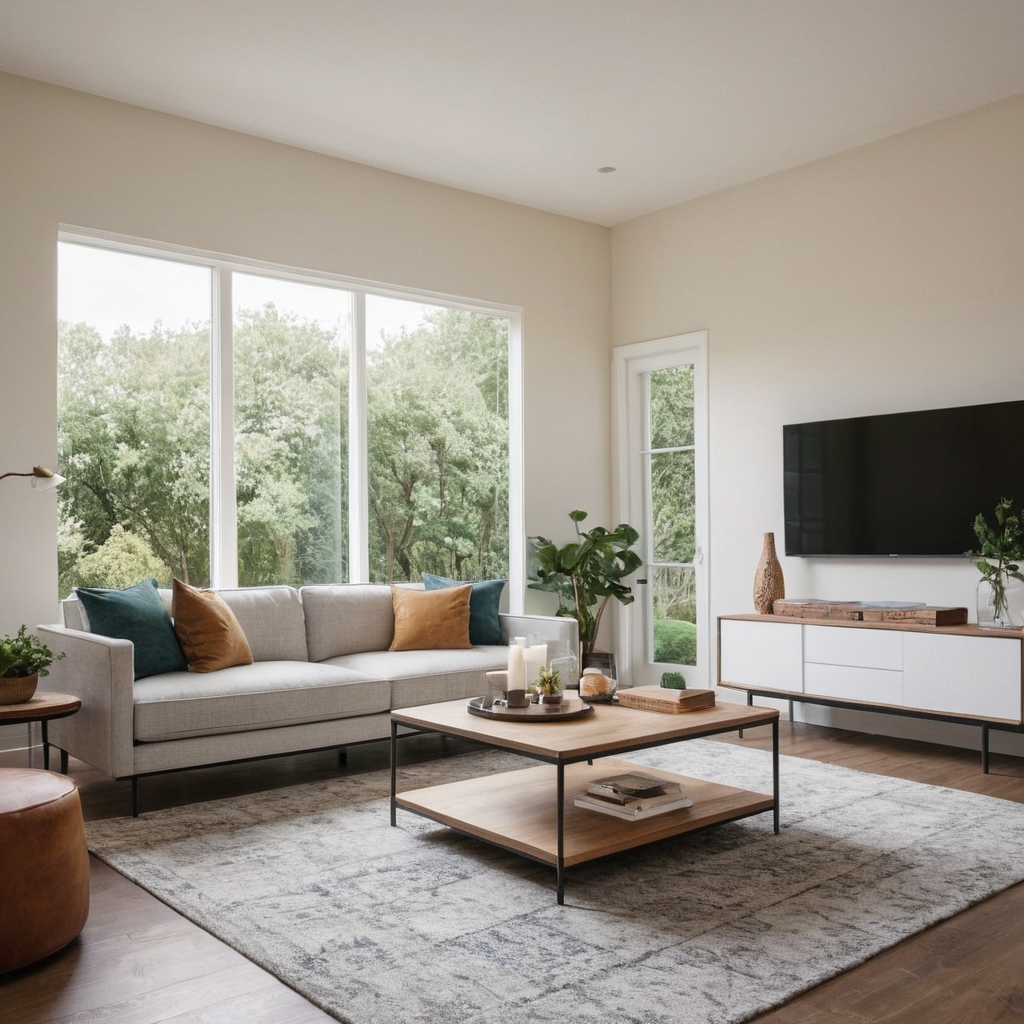
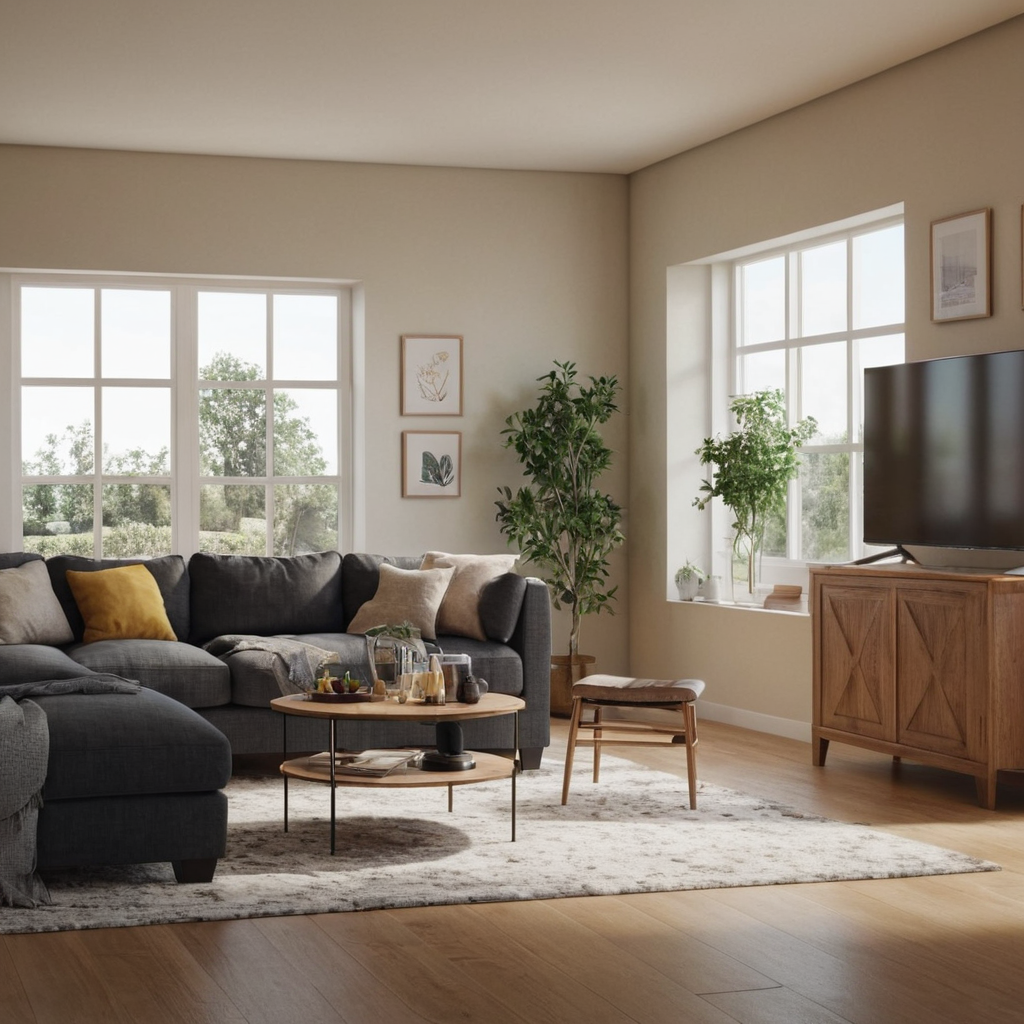
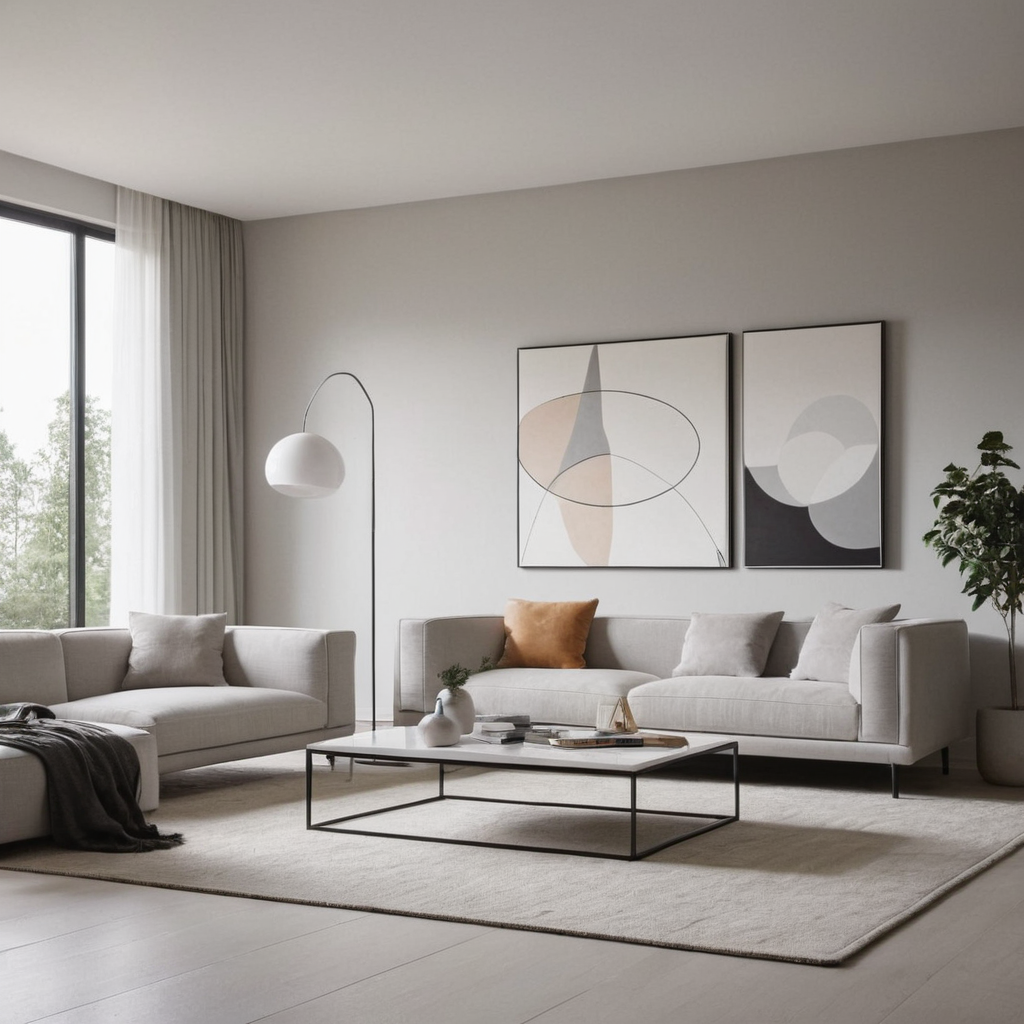
Before you start shopping for furniture, it’s essential to understand the dimensions and layout of your room. This will help you determine what pieces can fit and how they will function together. A common mistake is not accounting for traffic flow or natural light when arranging furniture.
2. Start with the Statement Piece
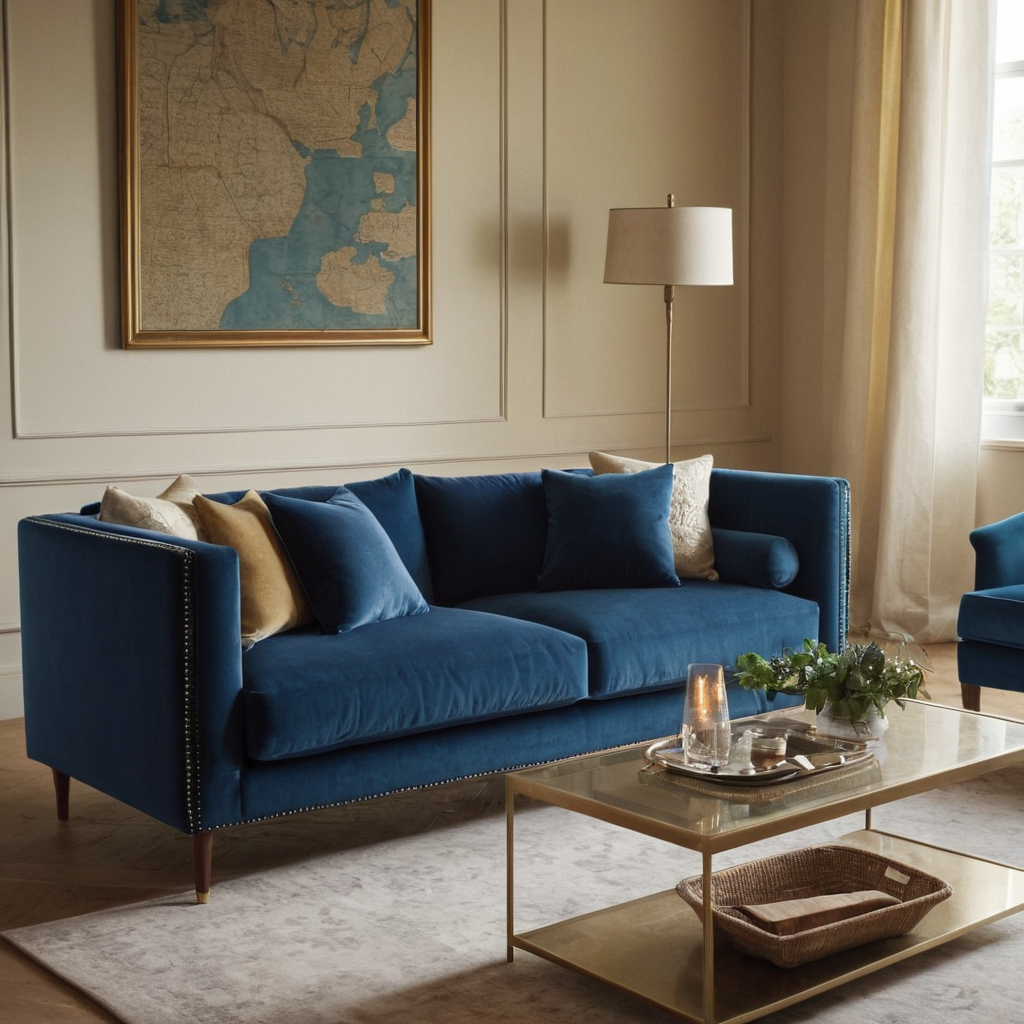
Choosing a statement piece is crucial for setting the tone and style of your space. This could be an eye-catching sofa, dining table, or even a bold armchair. Once you’ve selected this piece, it can guide your choices for other items to ensure they complement each other.
3. Consider Quality and Craftsmanship
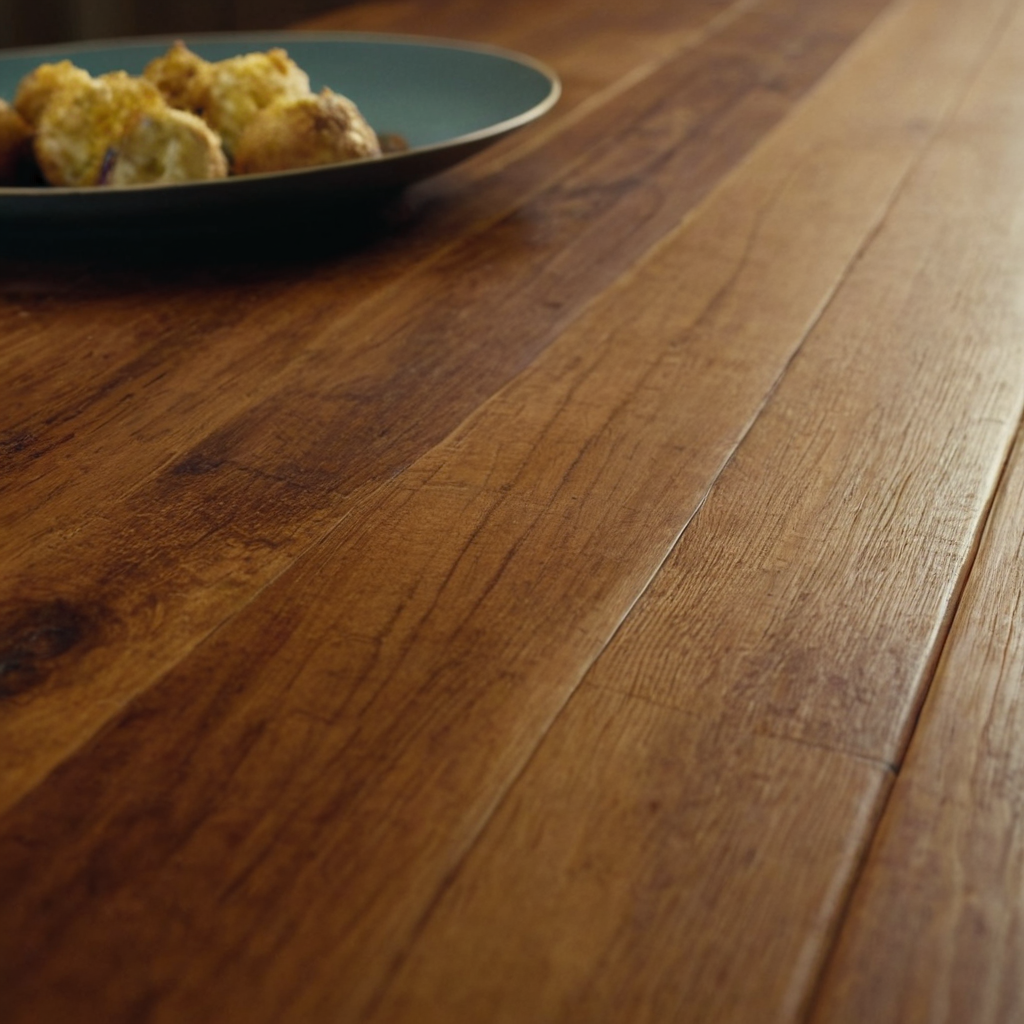
Investing in quality furniture is worth considering, especially for items like sofas or dining tables that you’ll use daily. Check the materials used, construction techniques, and durability before making your purchase to ensure longevity.
4. Mix Different Styles
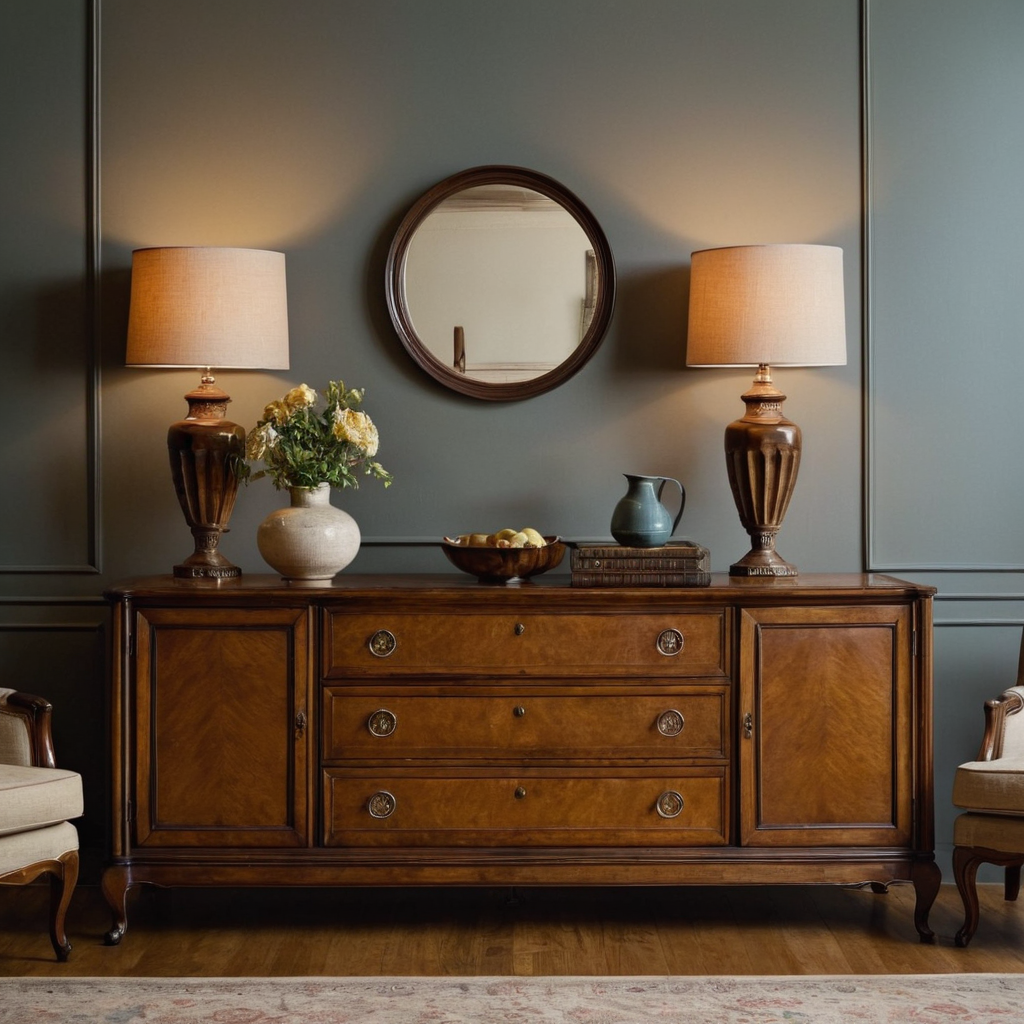
Don’t be afraid to mix different furniture styles within the same room. This can create a unique, eclectic look that feels personalized. For example, you could pair a modern sofa with vintage armchairs or an industrial coffee table.
5. Focus on Functionality

Ensure that your furniture serves its intended purpose effectively without sacrificing style. Consider storage options in living areas, comfortable seating for dining, or ergonomic choices for workspaces.
6. Think About the Future
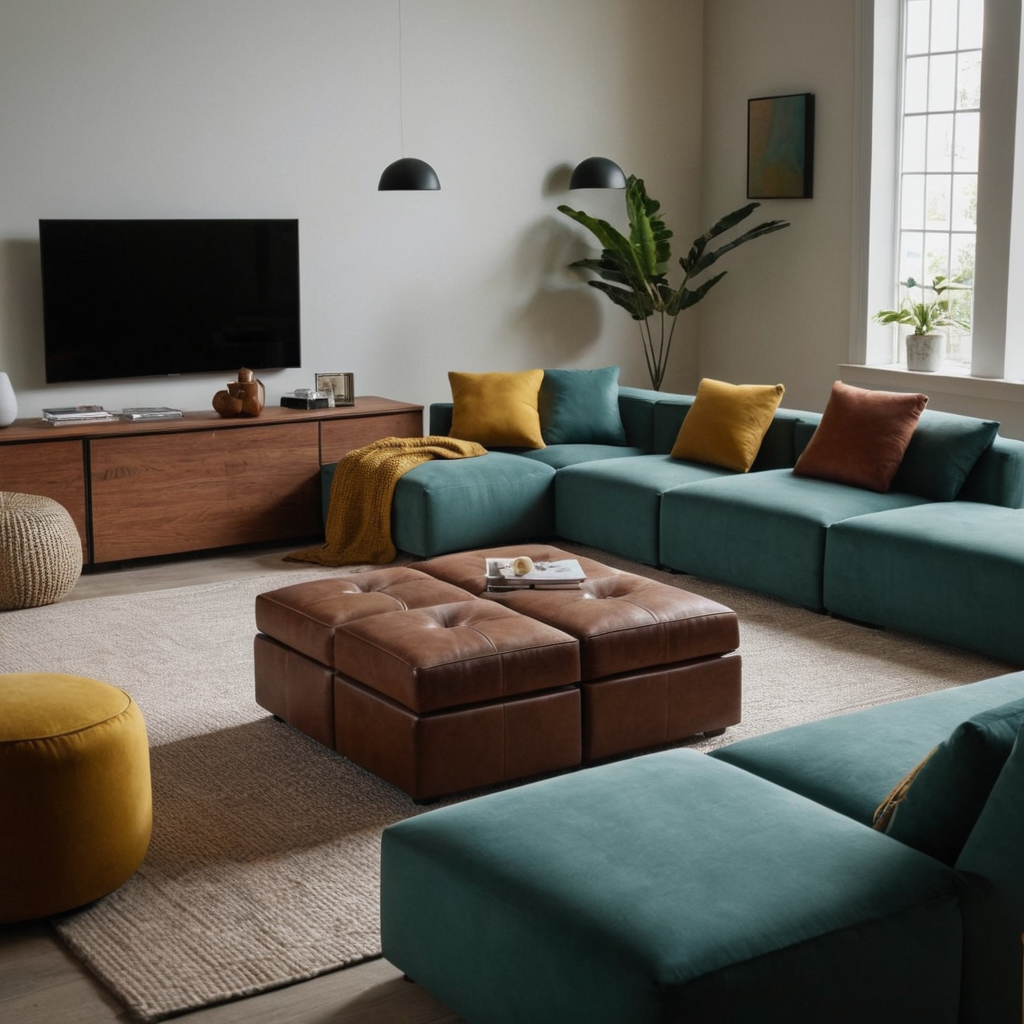
When selecting furniture, consider how it might adapt as your needs change over time. Modular pieces can be rearranged or expanded, while multi-functional items like ottomans with storage can provide lasting value.
7. Scale is Key
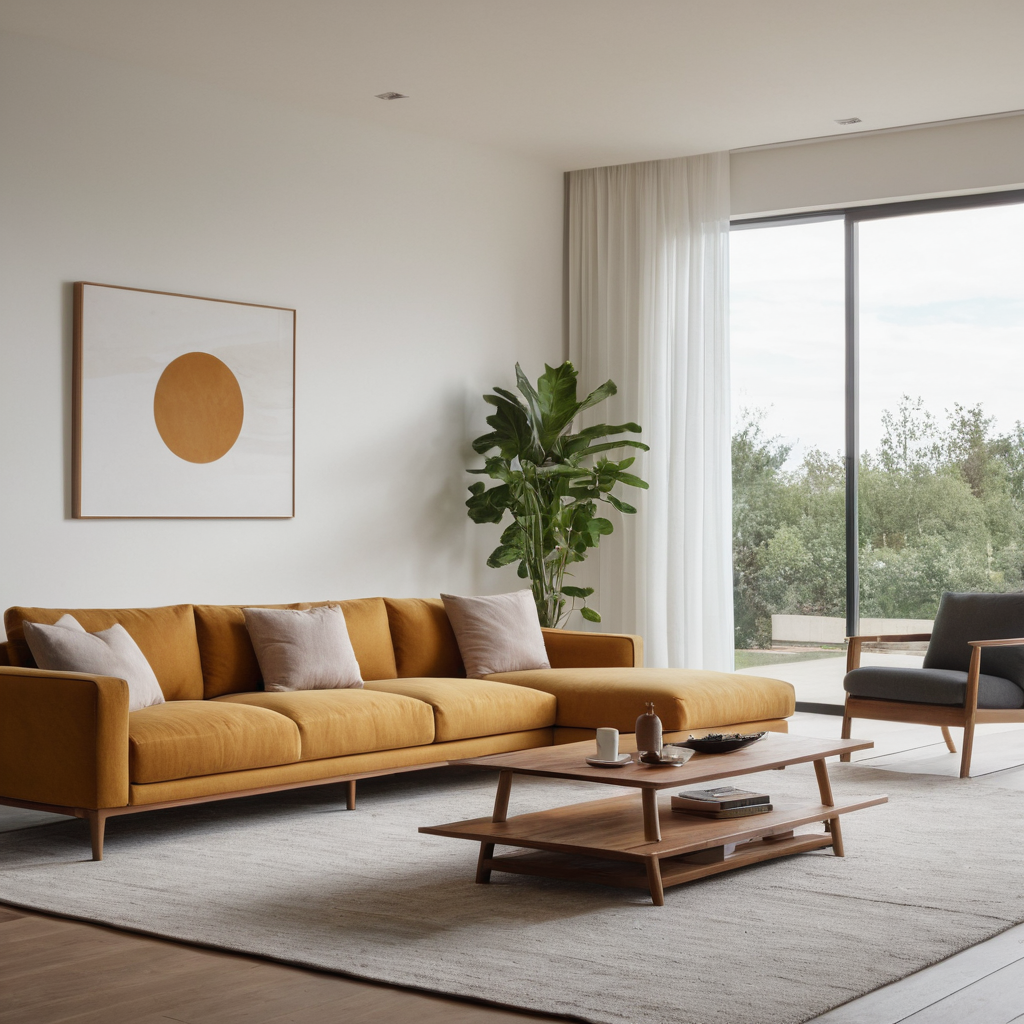
Scaling your furniture properly to fit the room is crucial for maintaining a balanced aesthetic. Large rooms might handle oversized pieces, whereas smaller spaces need more modest dimensions to avoid feeling cramped.
8. Play with Patterns
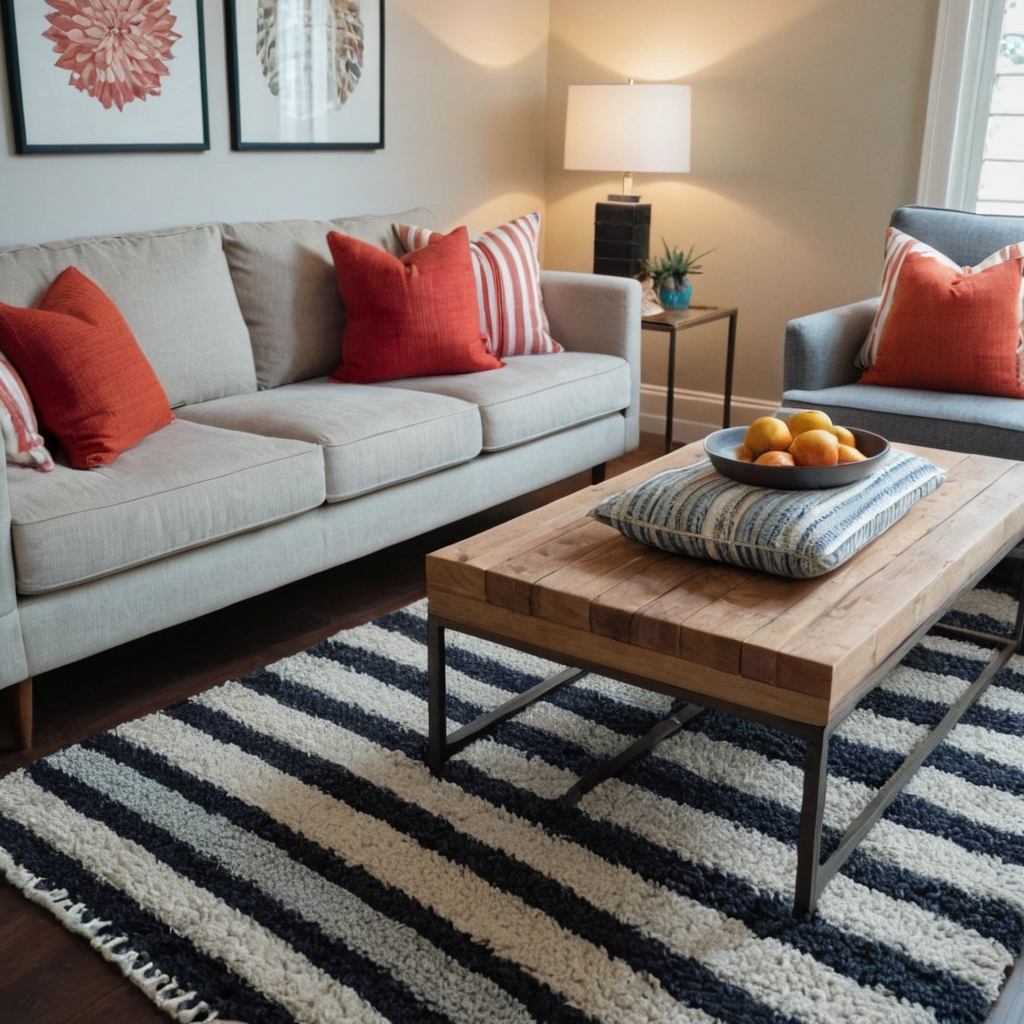
Incorporating patterns into your furniture selection can add depth and interest to any space. Mix bold prints with solid colors or pair different patterns of similar hues for a harmonious look.
9. Balance Your Budget
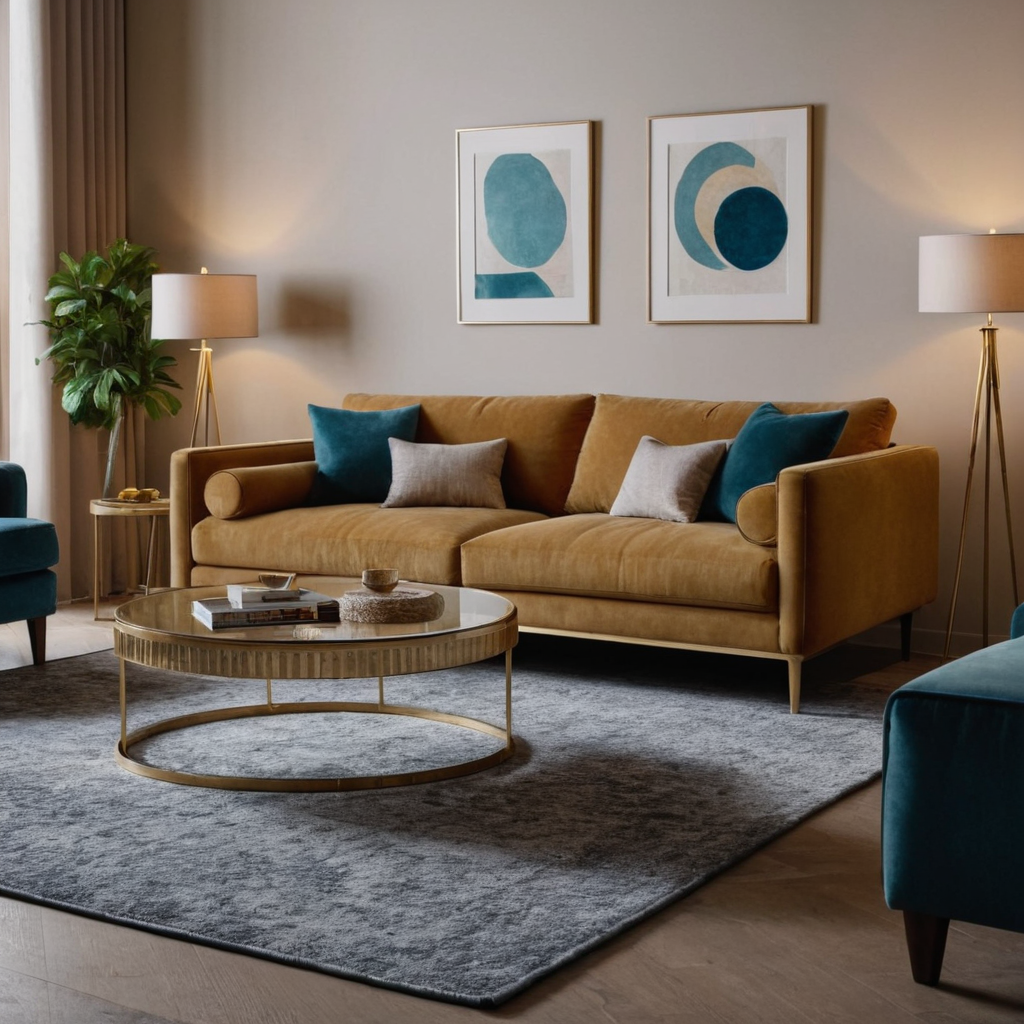
While it’s tempting to splurge on high-end pieces, balancing your budget across multiple furniture items can help create a cohesive space without breaking the bank. Prioritize spending on key pieces and look for sales or second-hand deals on complementary items.