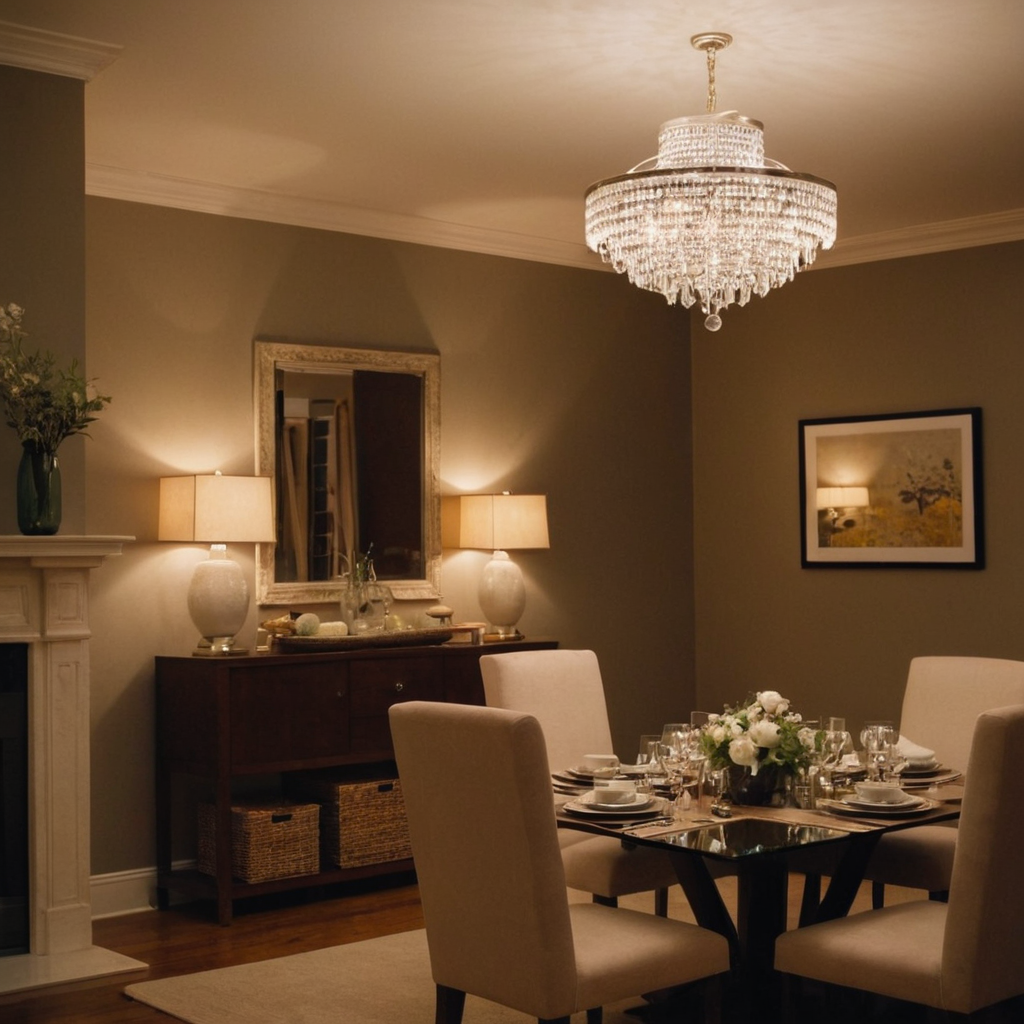
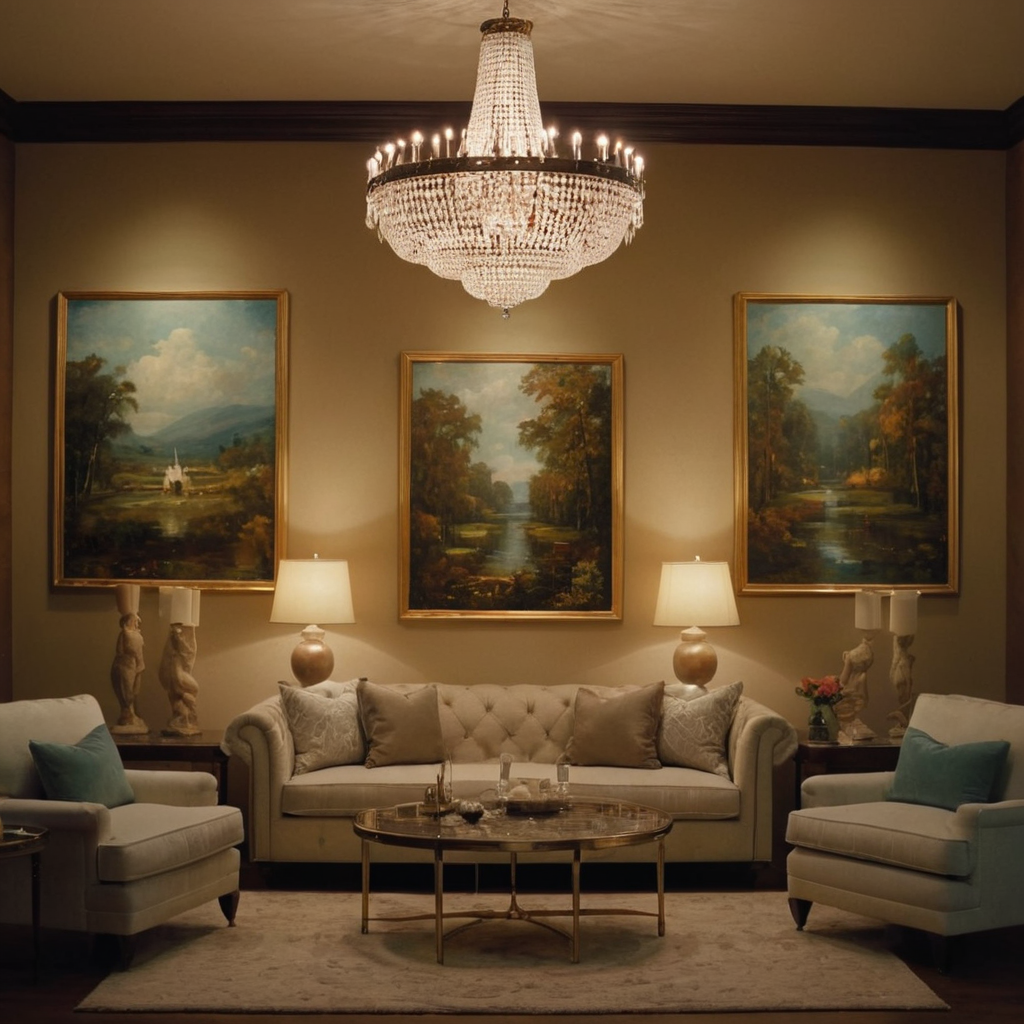
1. Lighting: The Mood Setter
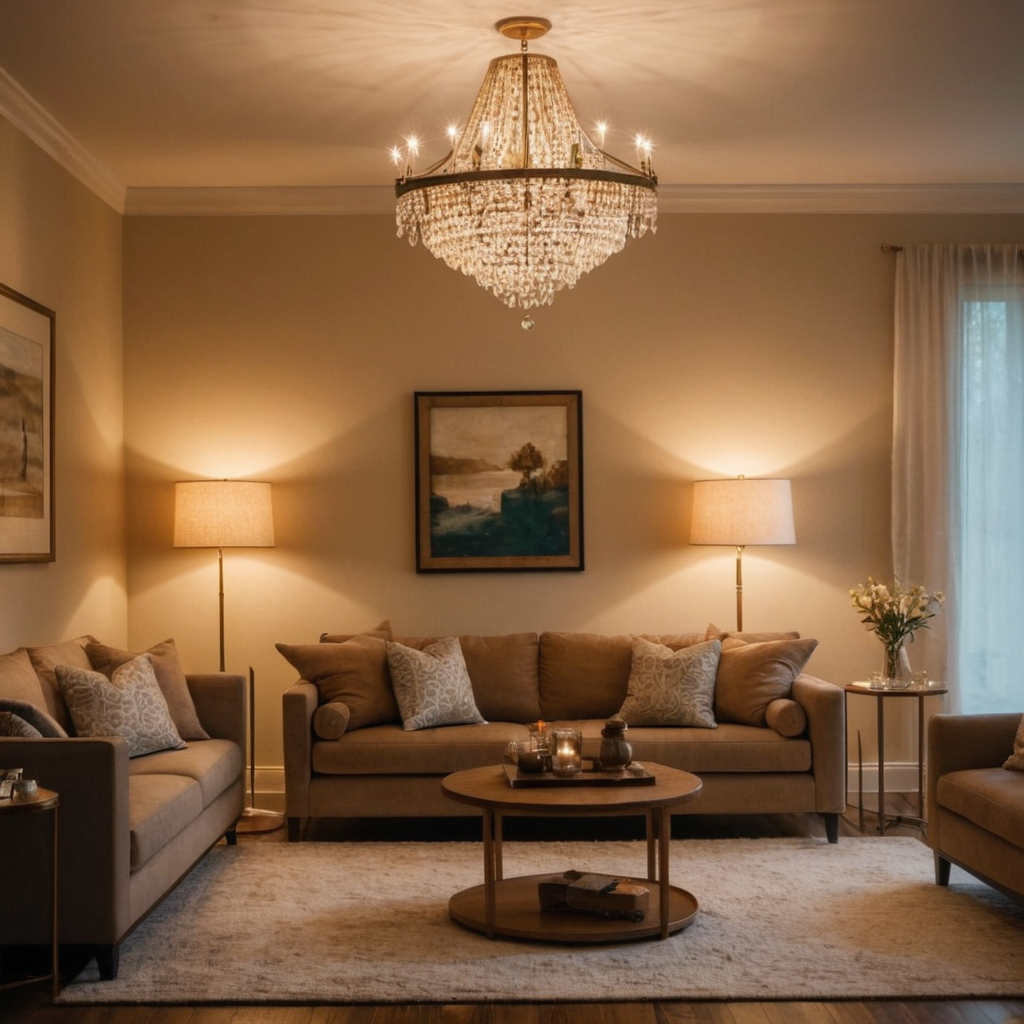
Lighting is not just about visibility; it’s the essence of ambiance and atmosphere in any room. Proper lighting can create a warm, inviting space or highlight architectural details that might otherwise go unnoticed.
For practical application, consider layering your lighting with a combination of ambient, task, and accent lights. Use dimmable bulbs to adjust the mood depending on the time of day or occasion.
2. Textiles: Adding Texture & Comfort
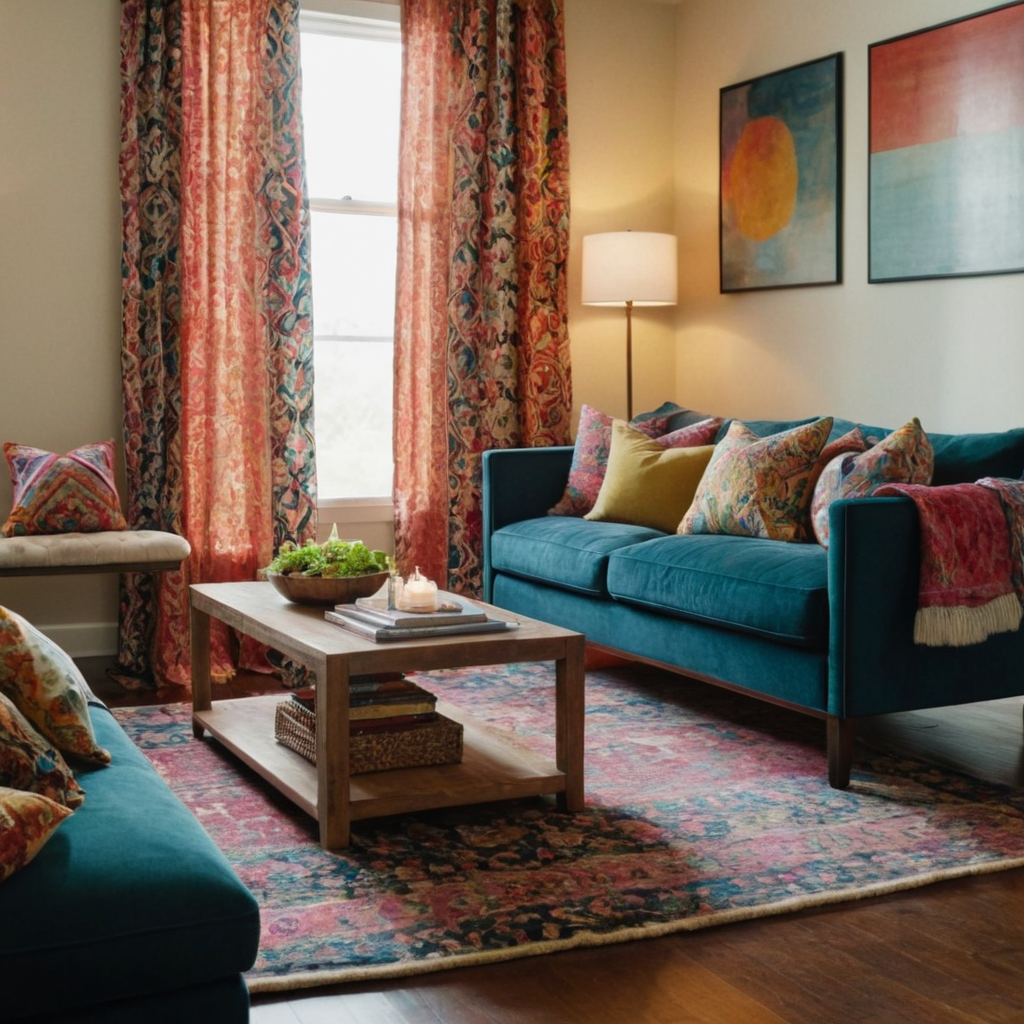
Textiles such as rugs, throw pillows, and curtains play a crucial role in adding warmth and texture to any space. They can also serve functional purposes like sound absorption or insulation while offering a pop of color or pattern.
To style textiles effectively, mix patterns with different scales for visual interest. Choose fabrics that complement the overall theme of your room, ensuring they add comfort without overwhelming the space.
3. Furniture Arrangement: Function Meets Form
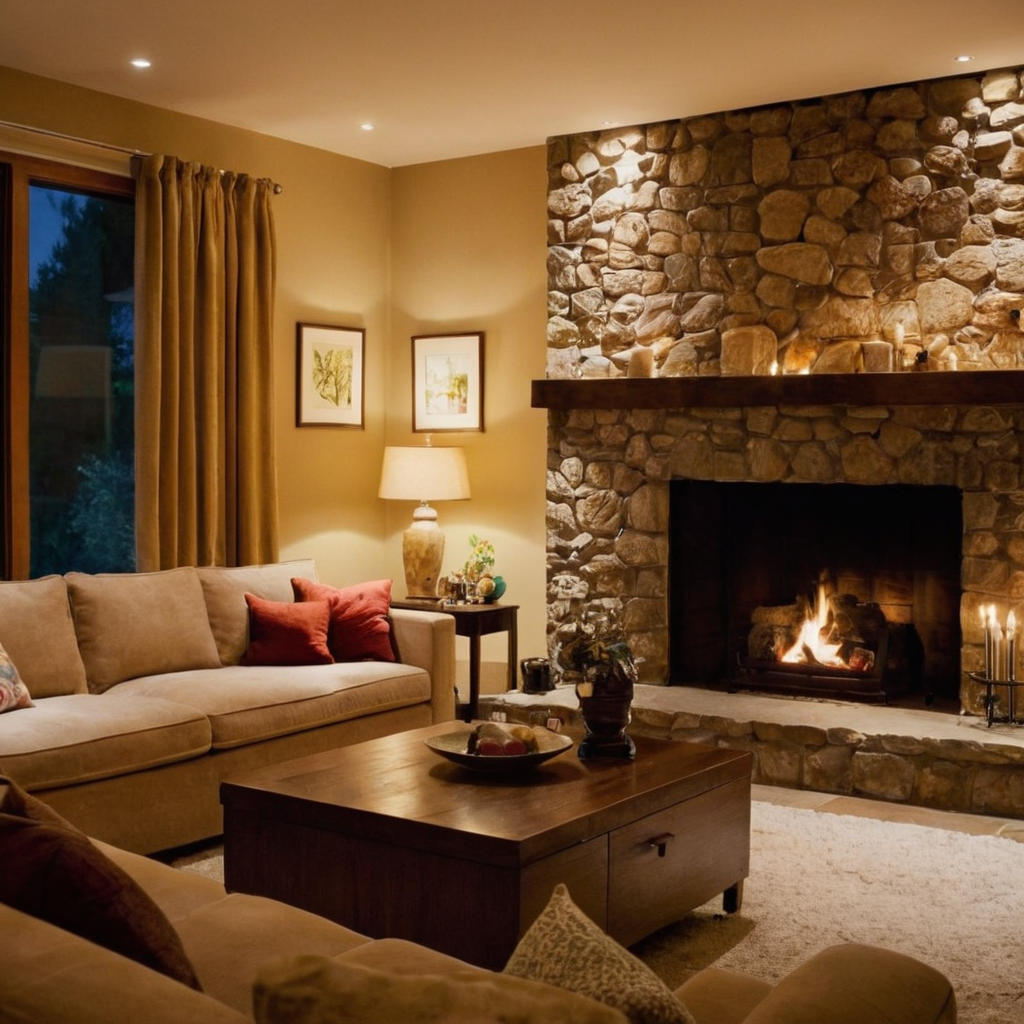
The way furniture is arranged can greatly affect the functionality and aesthetics of a space. Proper placement ensures not only that the area is usable but also visually appealing, guiding flow and creating focal points.
When arranging your furniture, consider both traffic patterns and visual balance. Place seating to face conversation areas or focal points like fireplaces or entertainment centers.
4. Artwork: Personalizing Your Space
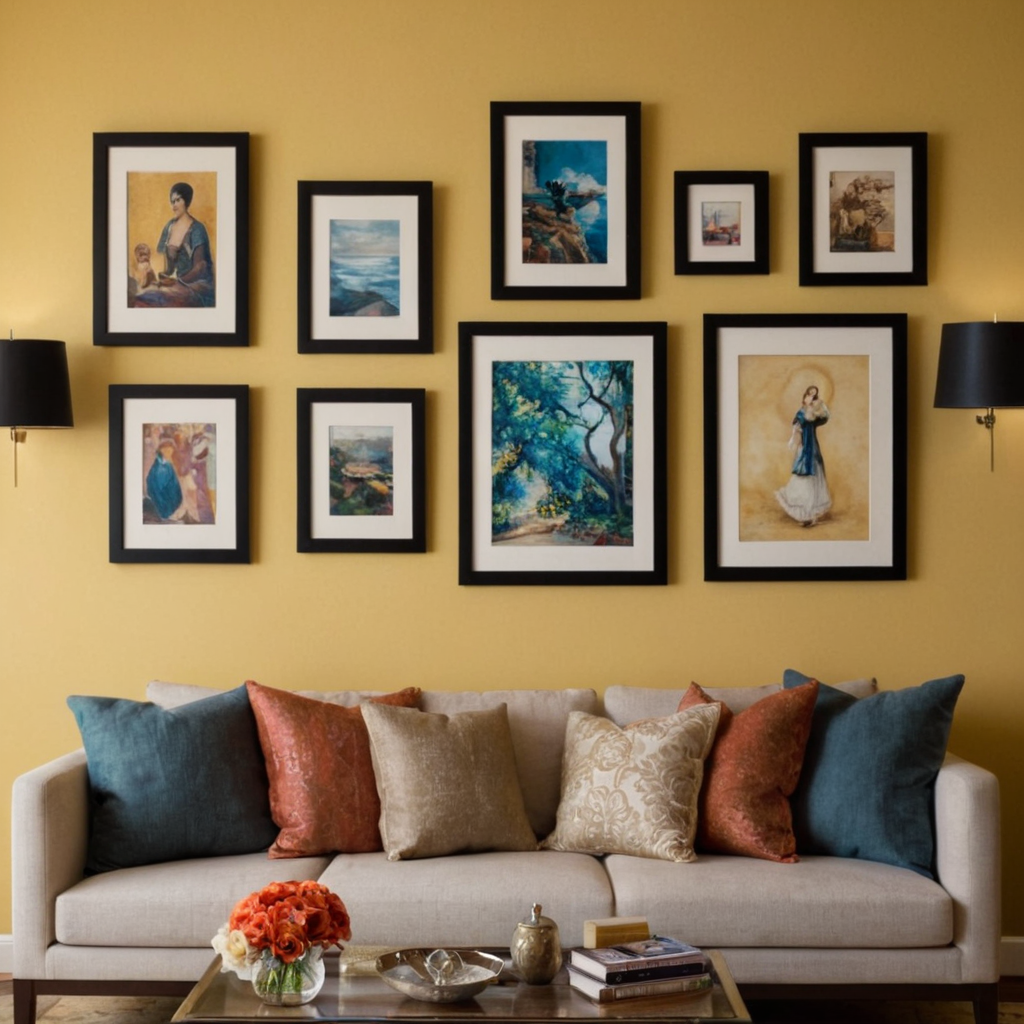
Artwork is one of the most impactful ways to personalize your space and make it uniquely yours. It can set the tone for a room, reflect personal style, or tell a story through visual elements.
To choose artwork effectively, consider its scale relative to surrounding furniture and walls. Frame pieces that resonate with you personally and hang them at eye level for maximum impact.
5. Decorative Accents: The Touches That Matter
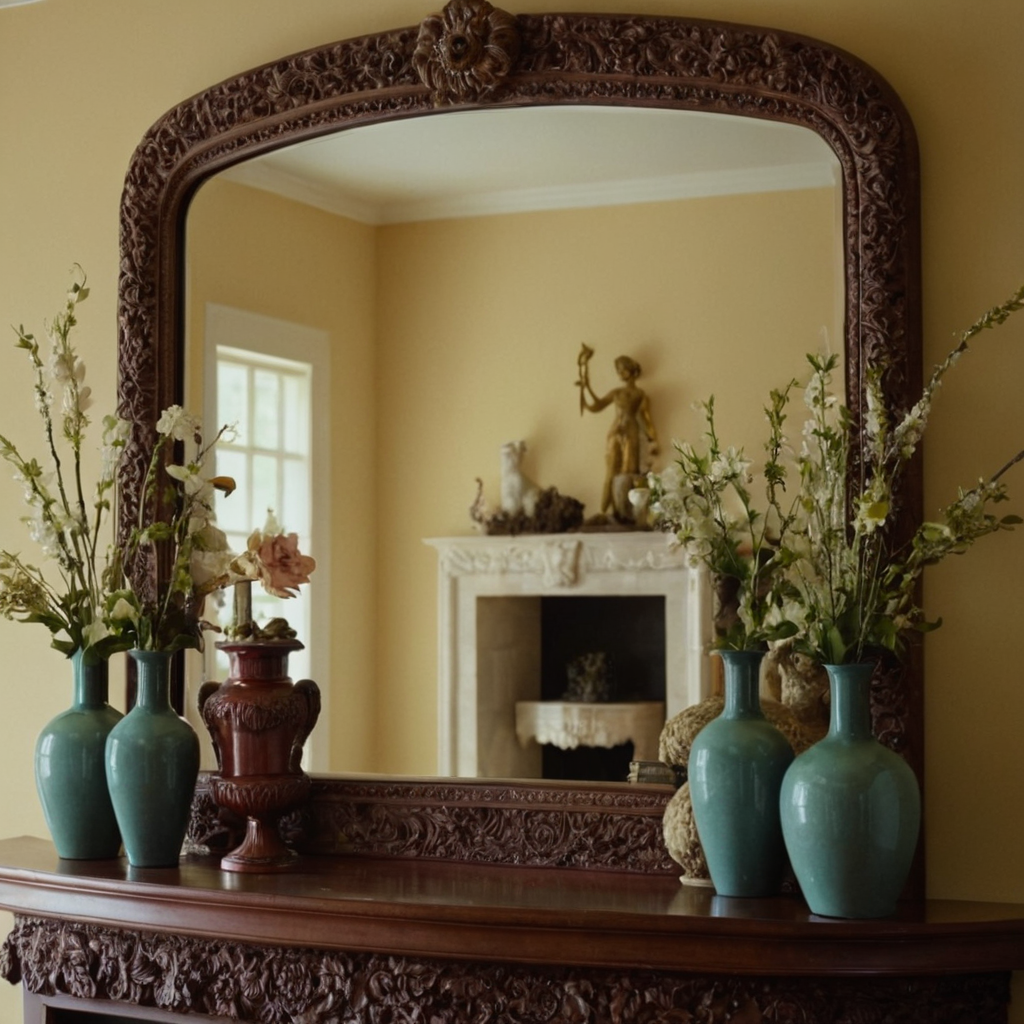
Decorative accents like vases, sculptures, and mirrors can transform a space by adding character and depth. These items are often where your personality truly shines through in interior design.
Select decorative accents that complement the room’s color scheme and theme but also stand out enough to be noticed. Group objects of varying heights on surfaces for visual interest.
6. Rugs: The Foundation of Your Design
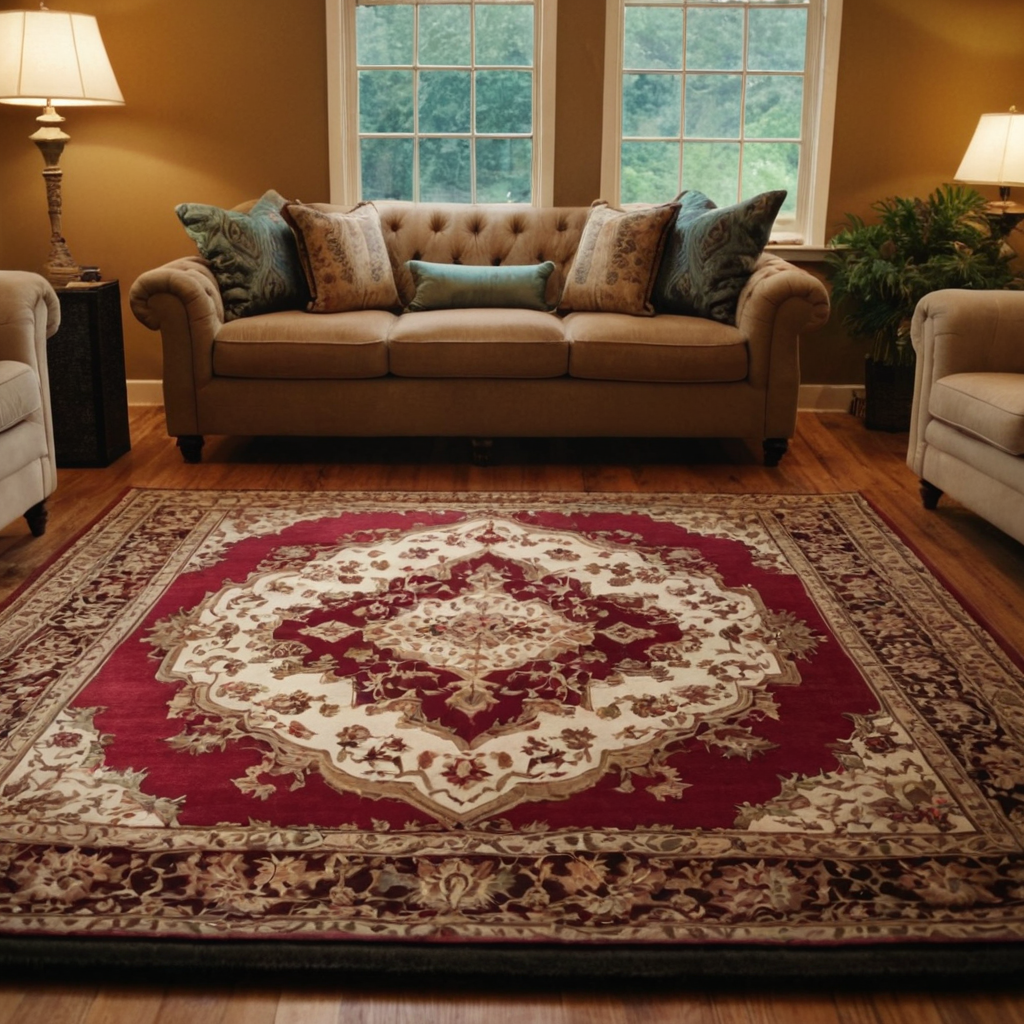
Rugs can ground a room, define spaces, and add warmth and texture to the floor. They’re essential in tying together different elements within a design scheme.
Choose rugs based on both color and material that complement your existing decor. A large rug under seating areas or dining tables helps unify the space and provides comfort.
7. Window Treatments: Privacy & Style
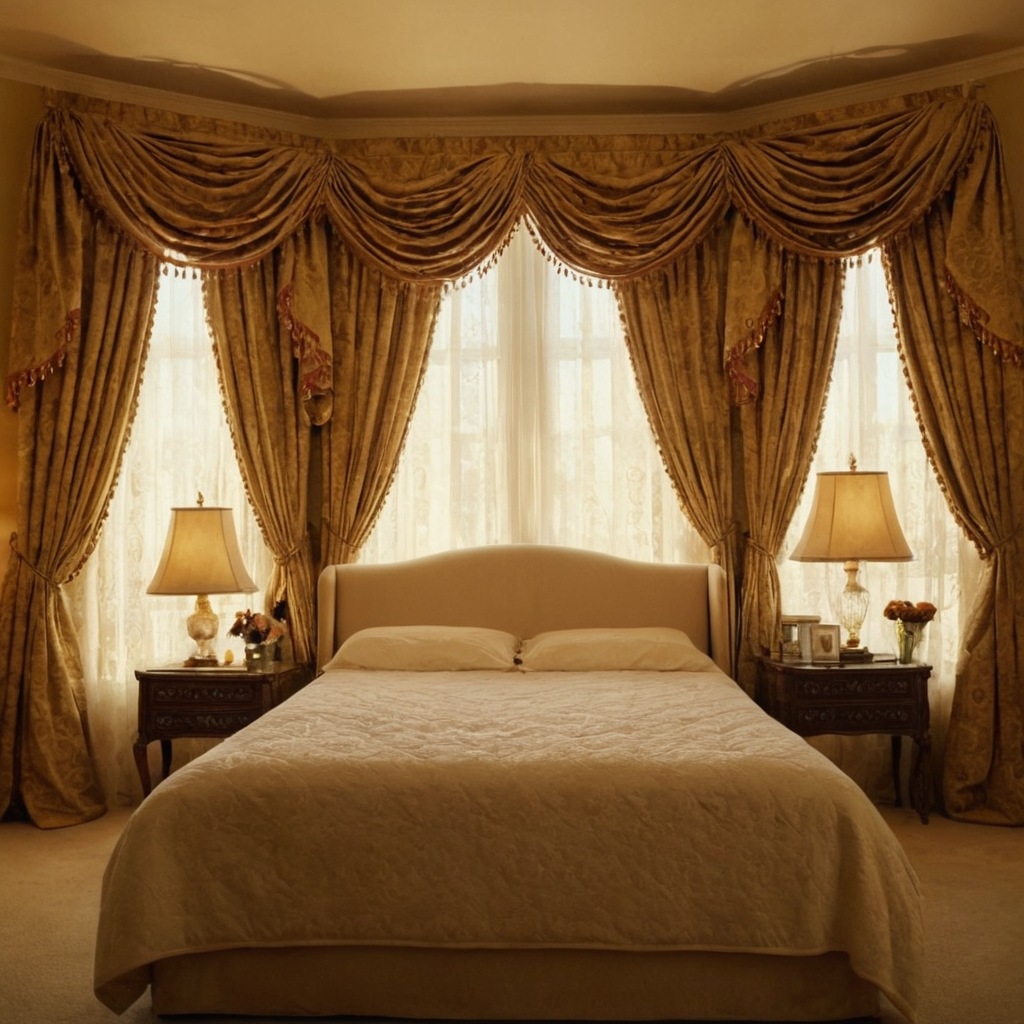
Window treatments like curtains and blinds not only control light but also play an important role in the overall aesthetic of a space, adding elegance or casual style depending on your choice.
Select window treatments that match your room’s theme without overwhelming it. Consider blackout curtains for bedrooms to maximize privacy and light control.
8. Wall Colors & Accents: The Background Story
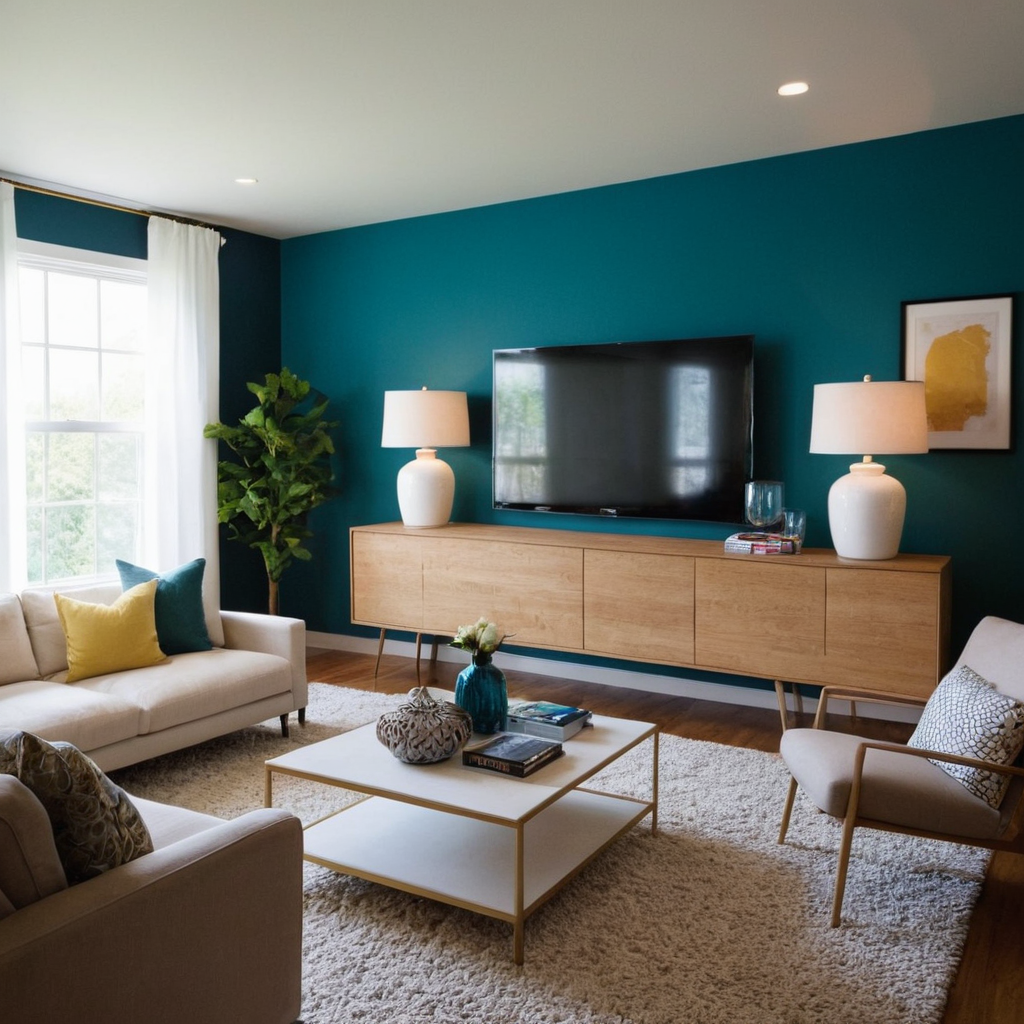
Wall colors and accents significantly impact the mood of a space, affecting how large or small it feels and influencing overall style from modern to classic.
Choose wall colors that complement your furniture and decor while setting the desired tone for the room. For added depth, consider adding an accent wall with a contrasting color.
9. Greenery: Bringing Life to Spaces
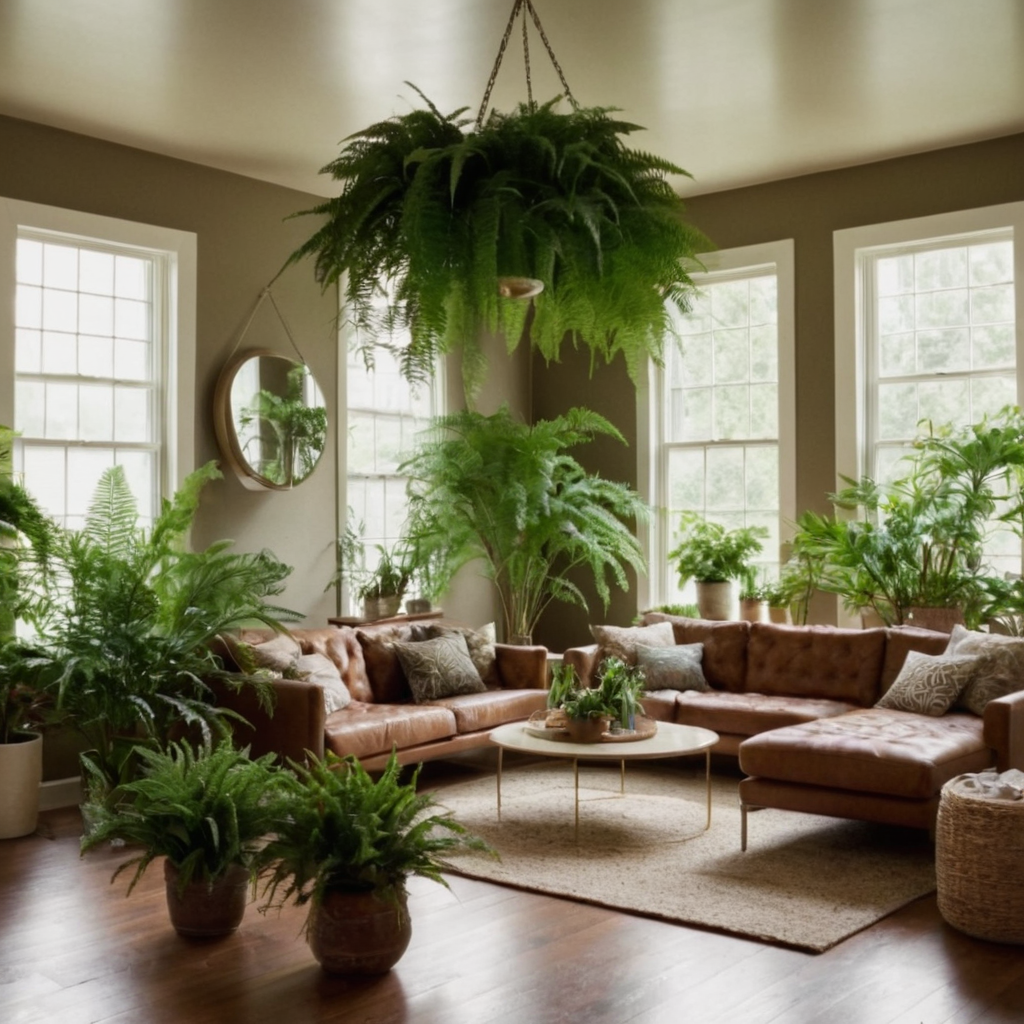
Indoor plants are not just decorative; they enhance air quality, reduce stress levels, and bring life into any space. They’re essential for adding vibrancy and freshness indoors.
Place greenery in areas that receive the right amount of sunlight and can be easily maintained. Group plants with similar needs together to simplify care and create lush displays.