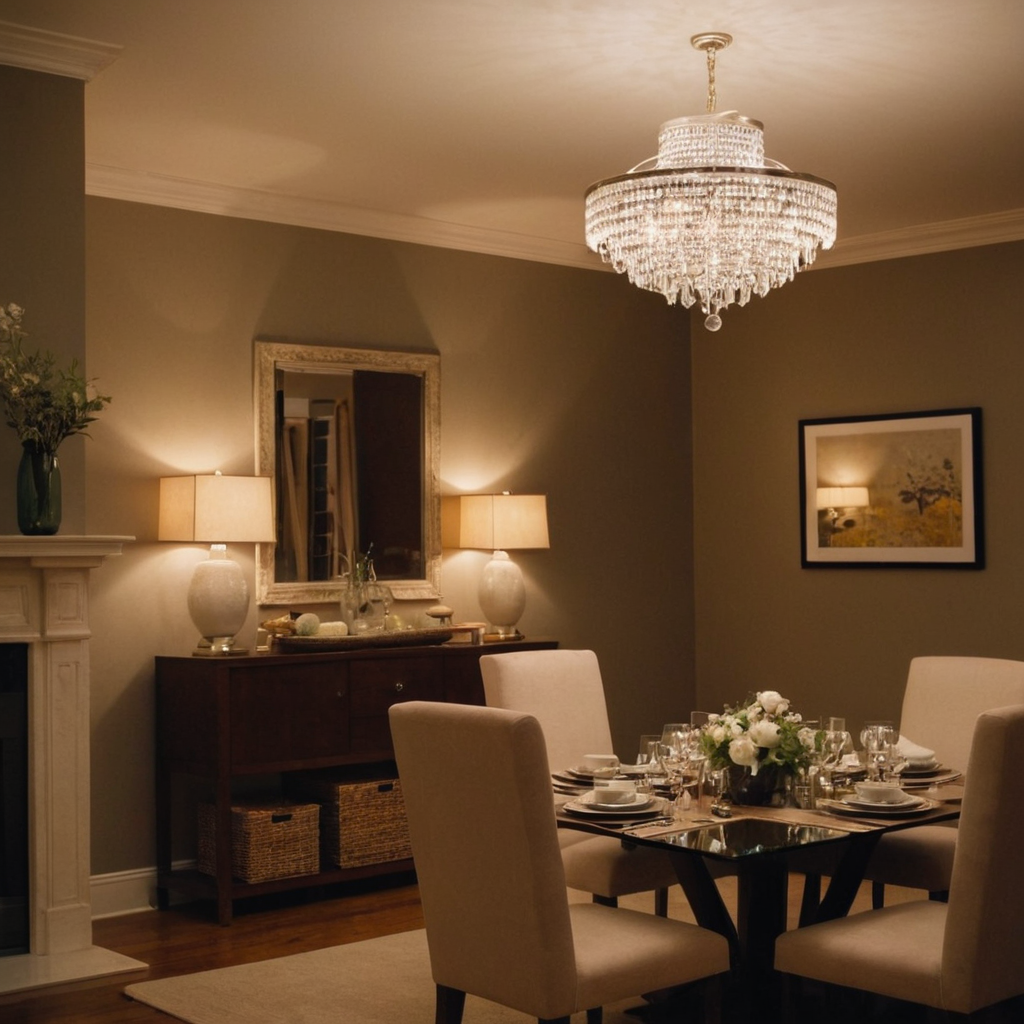
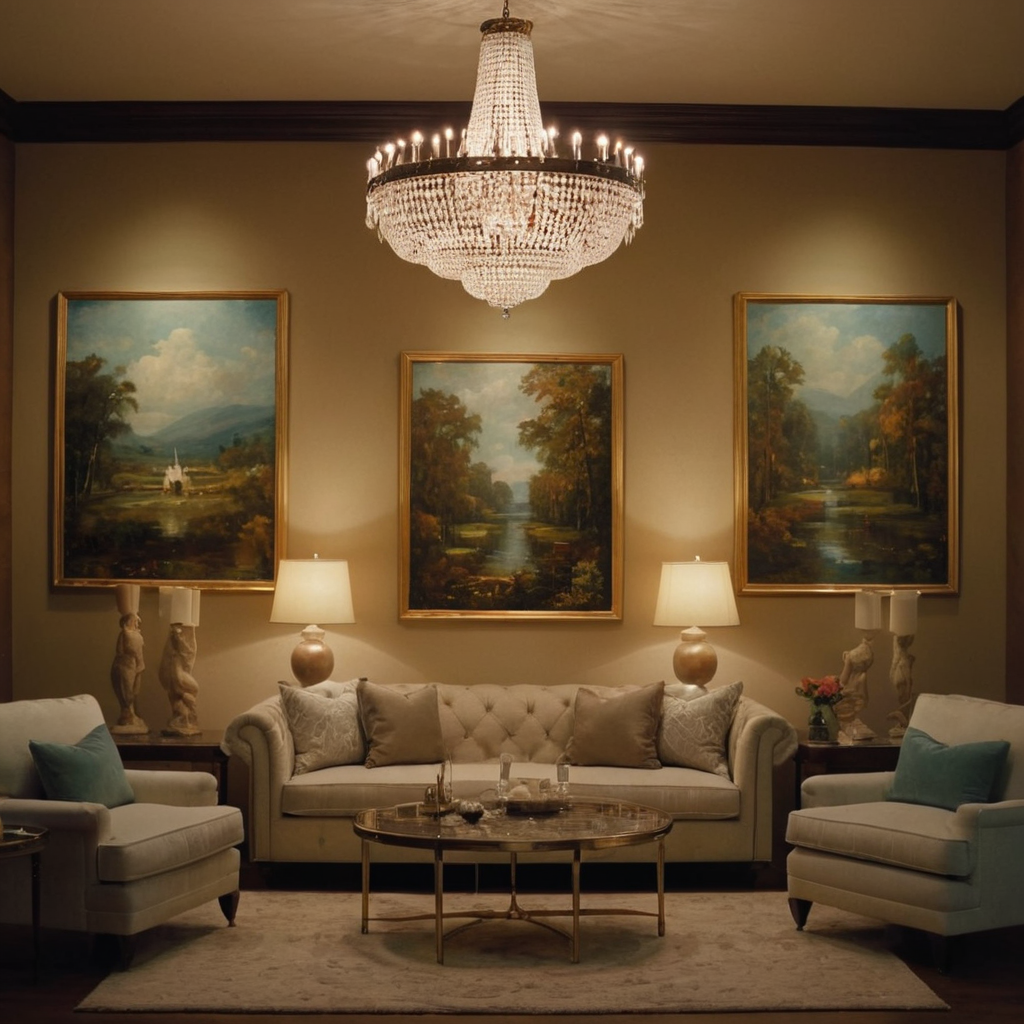
1. Lighting: The Heartbeat of Your Room
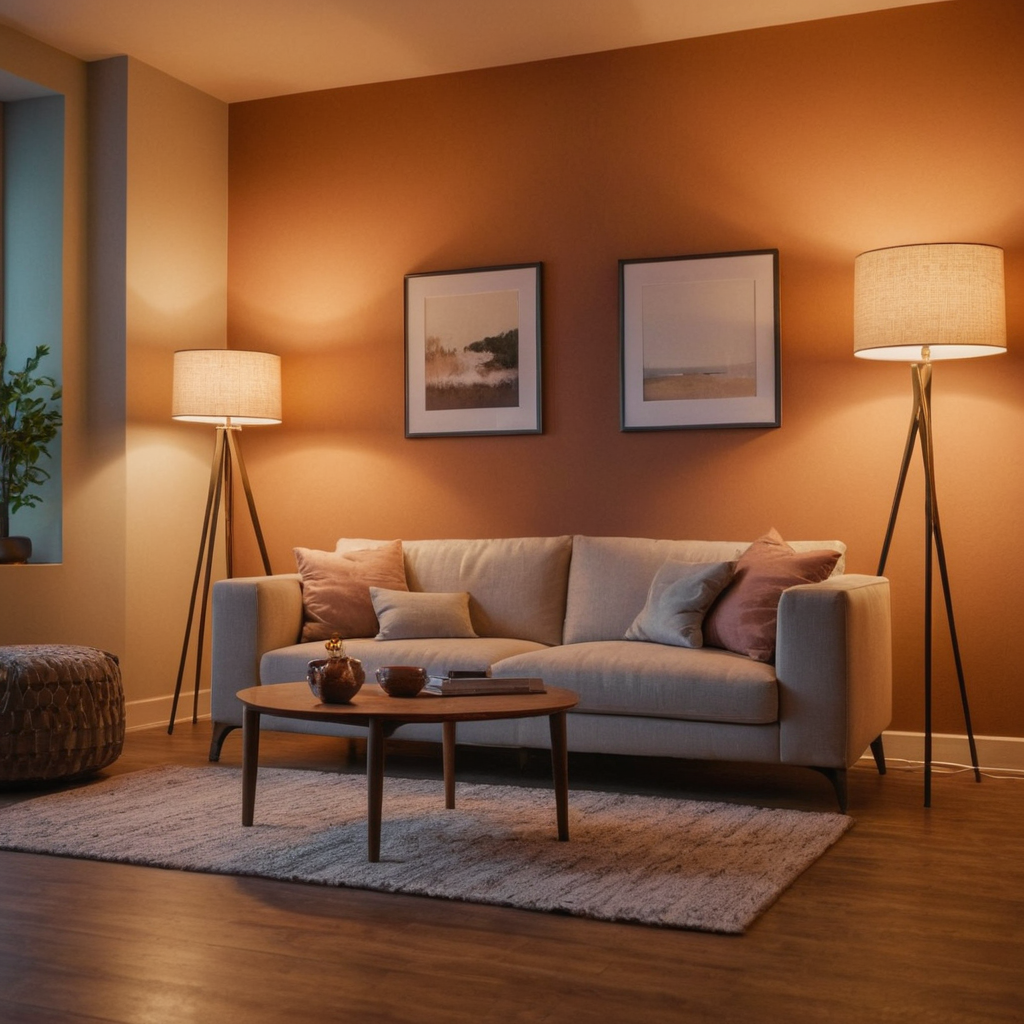
Lighting is crucial as it sets the mood and ambiance of a space. Proper lighting can highlight architectural features, create focal points, or simply provide functional illumination. It’s about balance; too much light can be overwhelming while too little can make a room feel dreary.
Choose layered lighting that includes ambient, task, and accent lights. For instance, use overhead fixtures for general lighting, table lamps for reading areas, and spotlights to highlight artworks or architectural elements.
2. Textiles: Adding Texture and Warmth
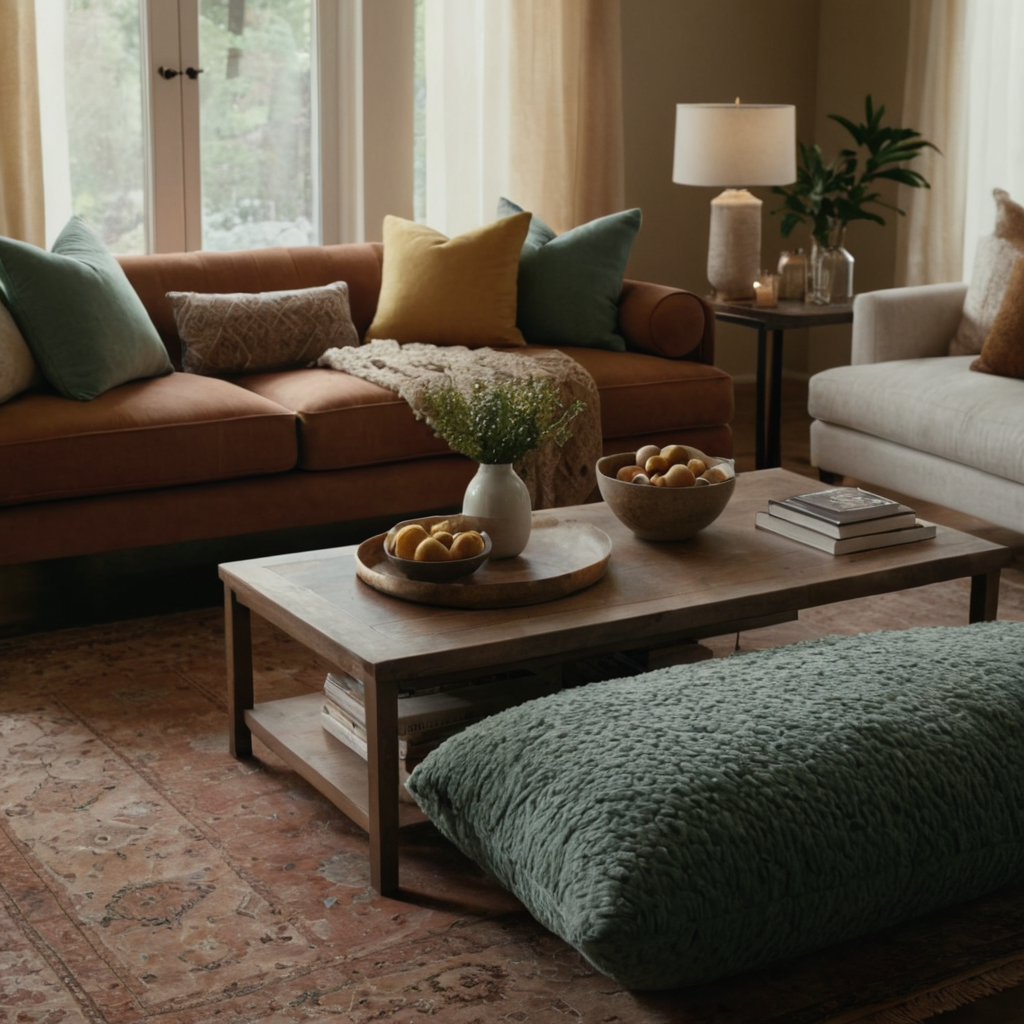
Textiles such as curtains, rugs, and throw pillows not only add color and texture but also provide warmth and comfort to your space. They can create a cohesive look or introduce contrast, depending on the design goal.
Select textiles that complement your furniture and room colors while considering their practicality in terms of maintenance and durability. For example, use plush rugs in areas with high foot traffic and delicate fabrics like silk for decorative throw pillows.
3. Wall Art: Making an Impactful Statement
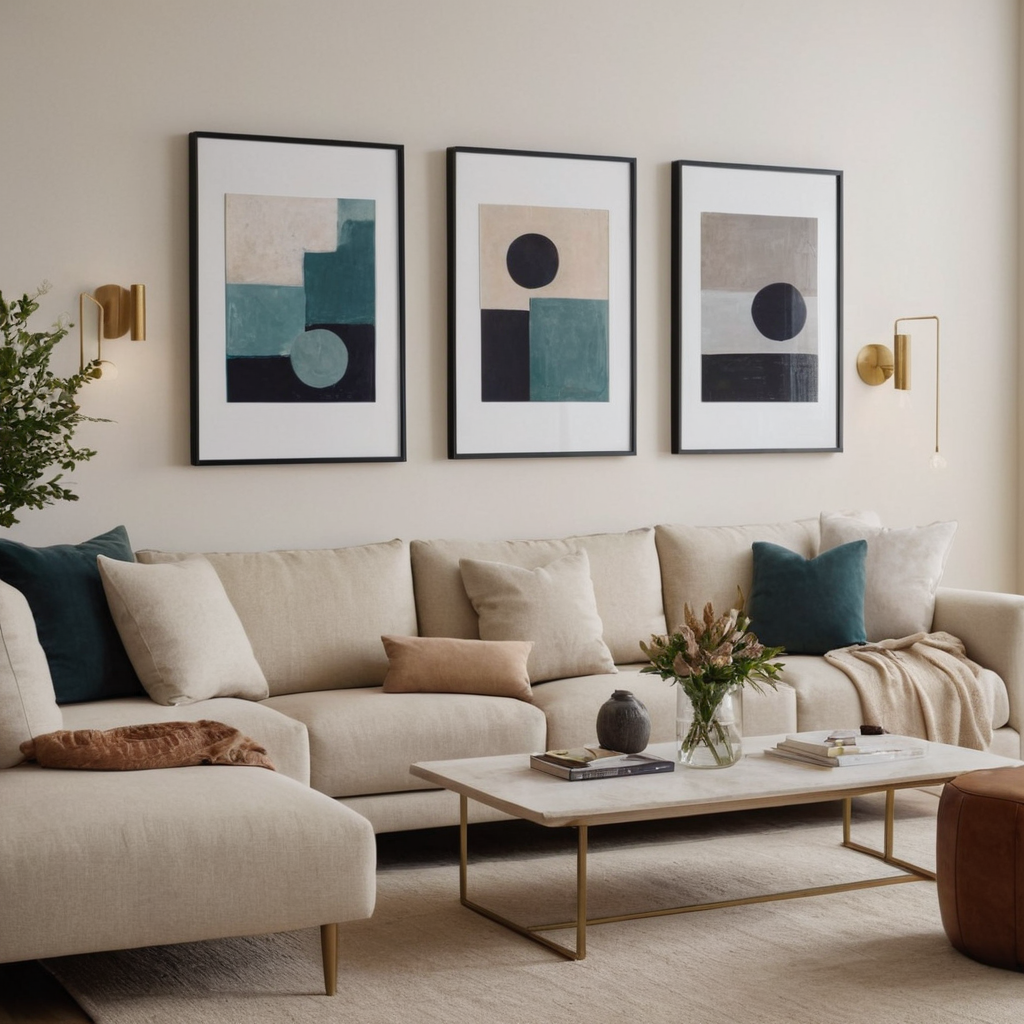
Wall art is one of the easiest ways to personalize your space and express your personality. It can be anything from paintings, photographs, or even modern wall sculptures that add depth and intrigue.
When choosing wall art, consider its size in relation to the room and the surrounding furniture. Larger pieces work well in spacious rooms, while smaller frames are ideal for more intimate settings. Mix styles to create a curated look.
4. Furniture: Function Meets Form
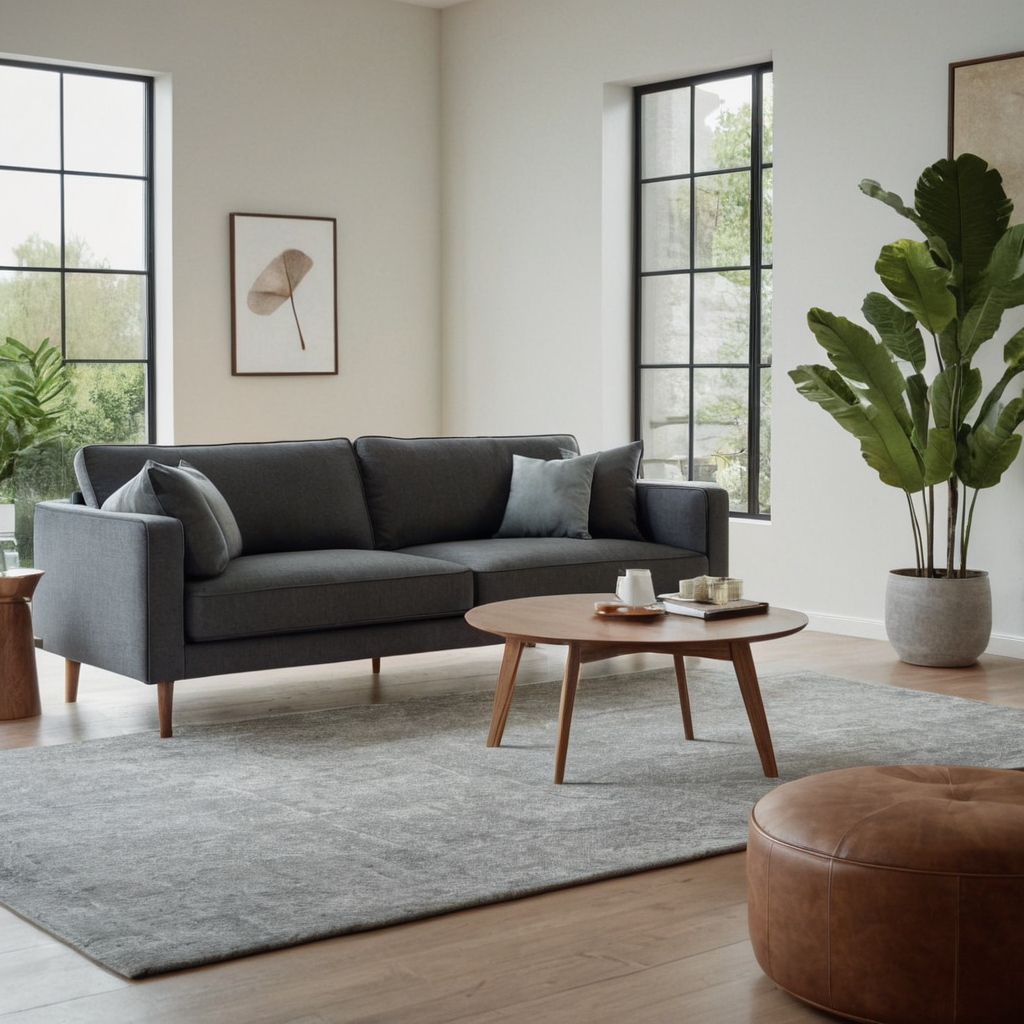
Furniture is essential in defining the function and style of your space. Each piece should serve both practical and aesthetic purposes, fitting seamlessly into the overall design theme.
Consider the scale and proportion of furniture pieces relative to each other and the room size. Choose multifunctional items that can adapt to different uses or occasions. For example, a storage ottoman serves as seating while providing extra storage space.
5. Window Treatments: Privacy and Style
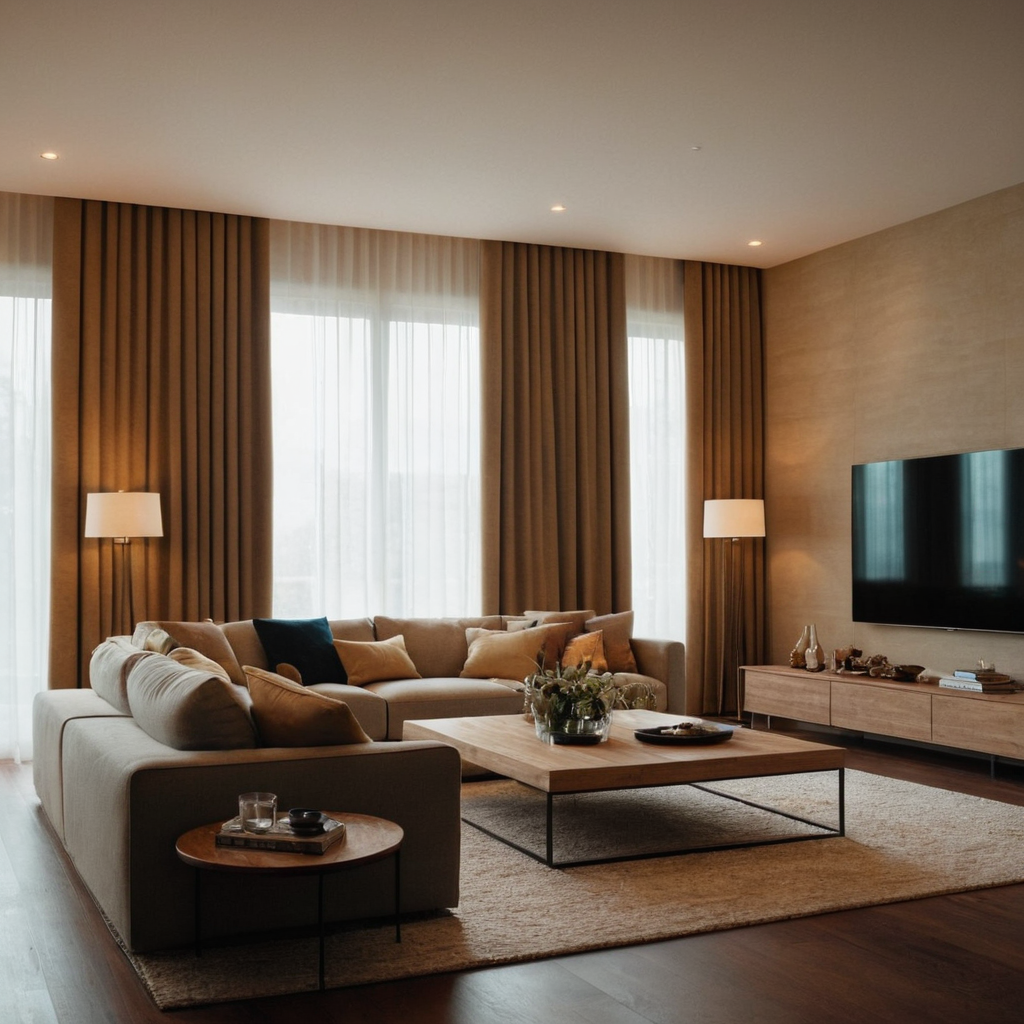
Window treatments are not just about privacy; they can also enhance the look of your space by adding color, pattern, or texture. Curtains and blinds offer both aesthetic and practical benefits such as controlling light and maintaining temperature.
Select window treatments that complement your decor style and room size. For example, heavy drapes work well in larger rooms to create a dramatic effect, while lightweight sheers are ideal for smaller spaces.
6. Rugs: The Foundation of Your Room
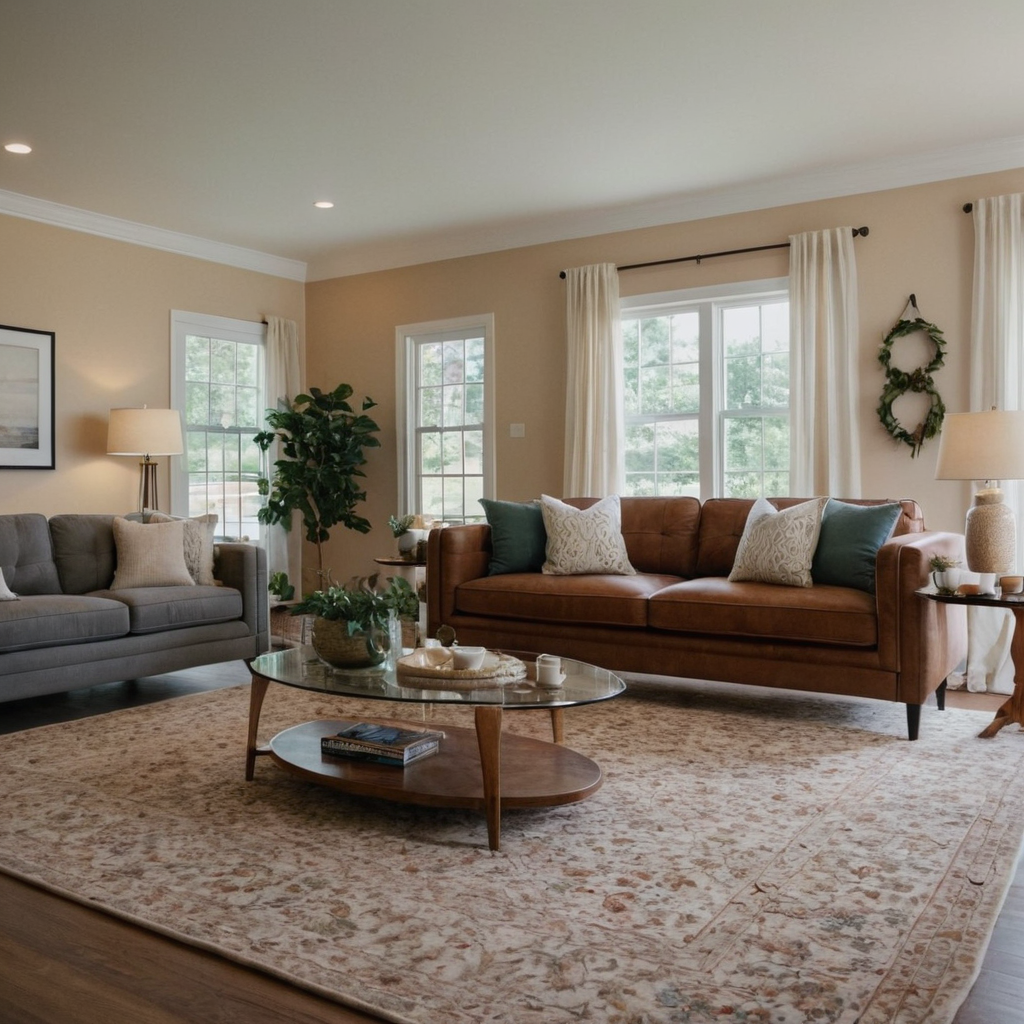
Rugs can anchor a space, tying together colors and patterns while also adding warmth and texture to the flooring. They are especially useful in defining distinct areas within open floor plans.
Choose rugs based on both aesthetics and practicality. Consider their size relative to furniture placement and room dimensions. A large area rug under seating arrangements can create a cozy atmosphere.
7. Decorative Accents: The Final Touches
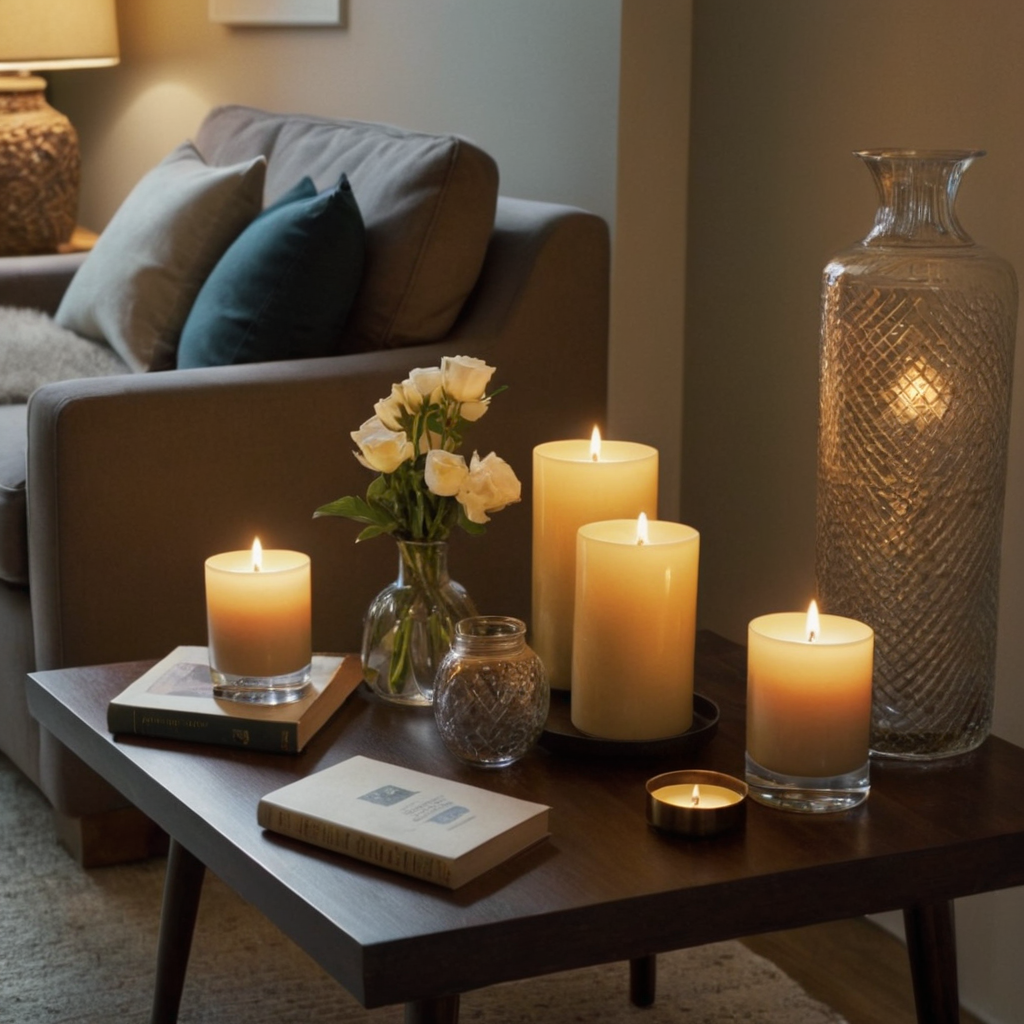
Decorative accents such as vases, candles, and books can transform your space with their unique designs and colors. They are the finishing touches that add personality and depth to a room.
Select decorative items that reflect your personal style but also complement existing elements in the room. For instance, use metallic accents for a modern look or ceramic pieces for a more traditional feel.
8. Mirrors: Expanding Your Space
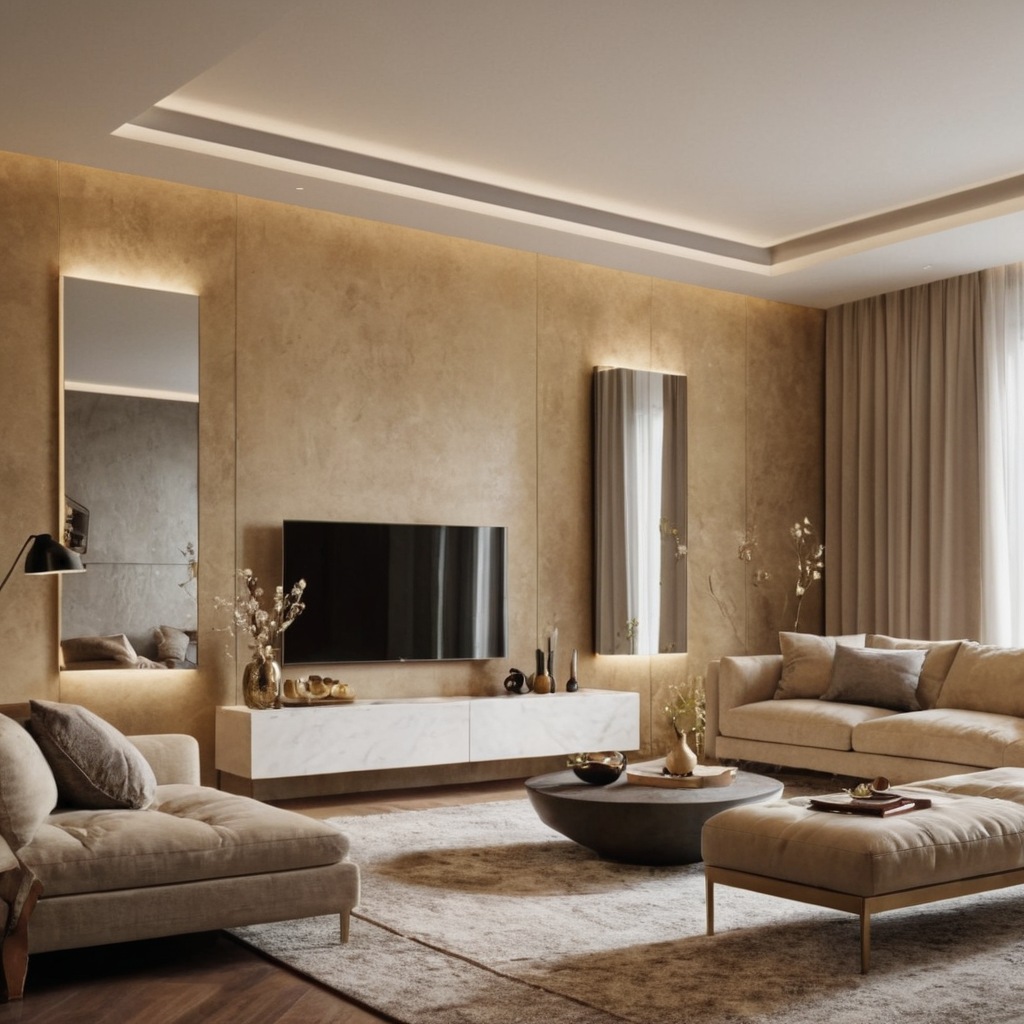
Mirrors are not just functional; they can visually expand a room, making it appear larger and brighter. They reflect light and create the illusion of depth.
Place mirrors strategically to enhance natural light or to frame scenic views from your windows. Consider their shape and size based on the room’s layout. For example, large wall mirrors work well in narrow hallways.
9. Greenery: Bringing Life Indoors
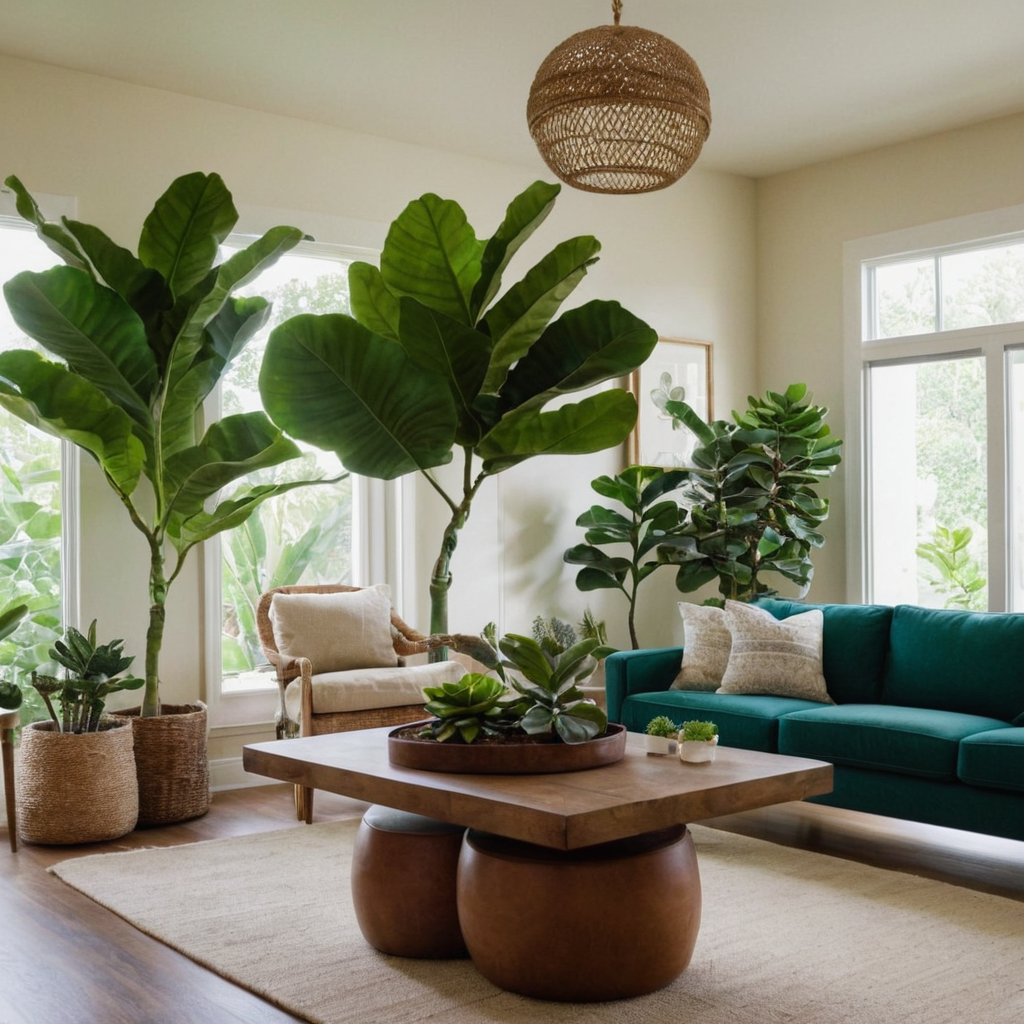
Plants can bring life, color, and a sense of tranquility into your space. They improve air quality while adding natural elements to your decor.
Select indoor plants that thrive in the lighting conditions of your room. Consider low-maintenance options like succulents or ferns for those with less time to care for them.