1. Embrace Exposed Brick
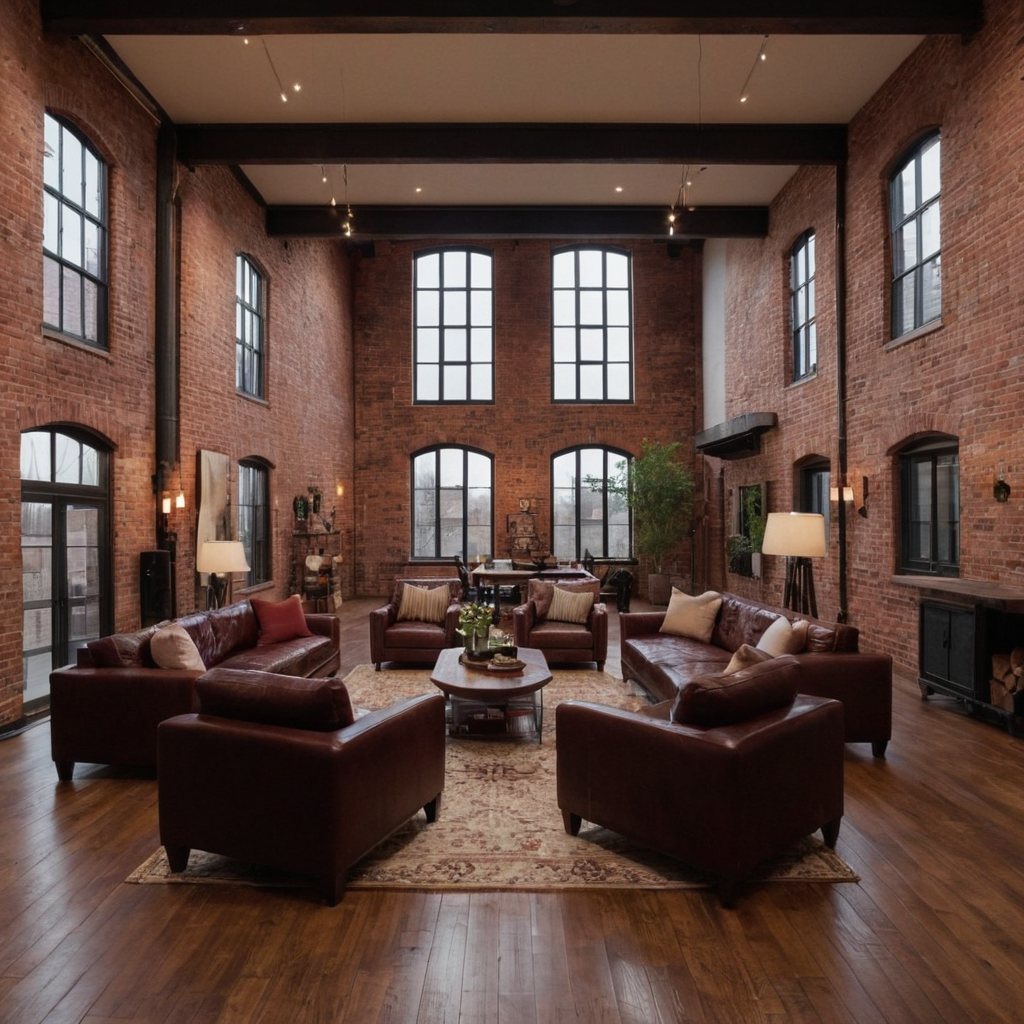
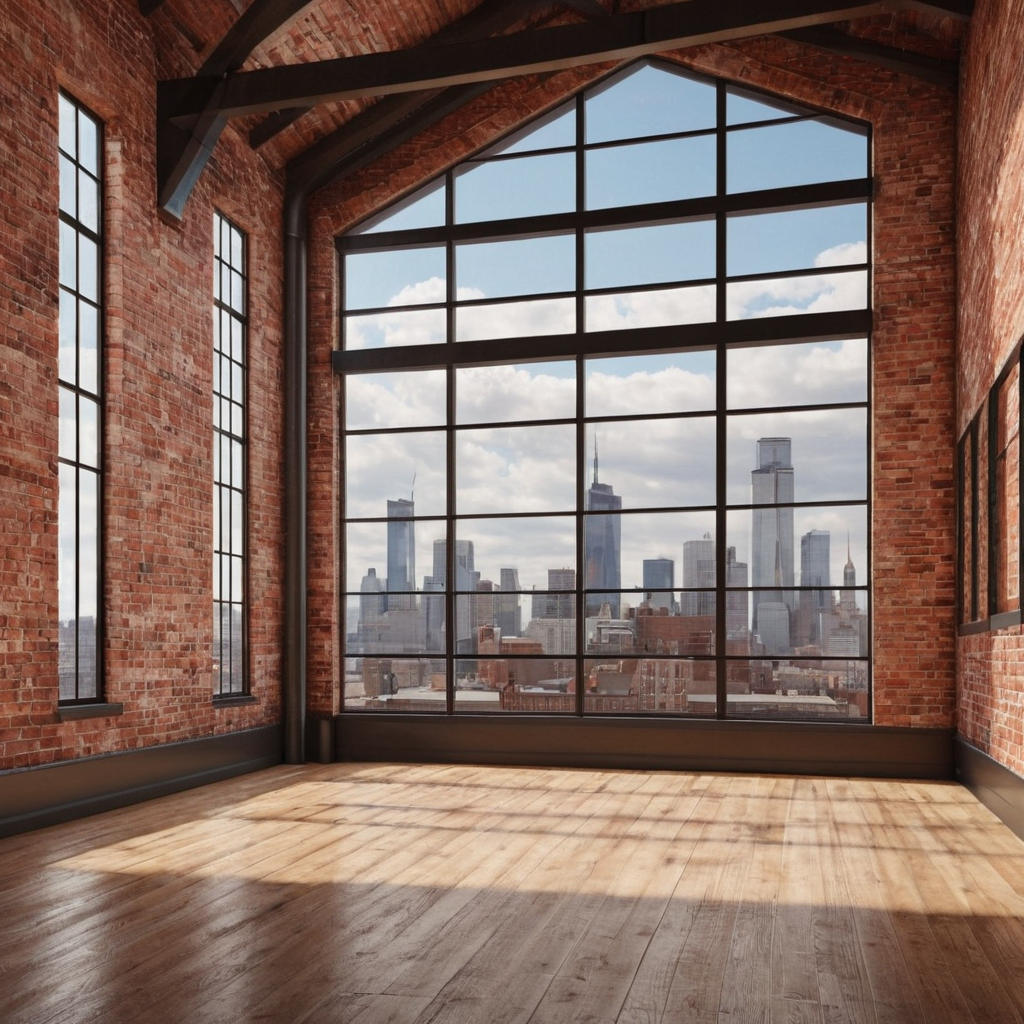
Exposed brick is a hallmark of industrial loft aesthetics, offering warmth and character to the space. This raw material adds depth and texture without overwhelming the room. To enhance this feature, consider leaving large sections of your walls untouched by paint or wallpaper.
Pair exposed brick with minimalist furniture to let it shine. Dark-stained wooden tables and chairs create a contrast that highlights the rustic charm of the bricks.
2. Utilize Metal Accents
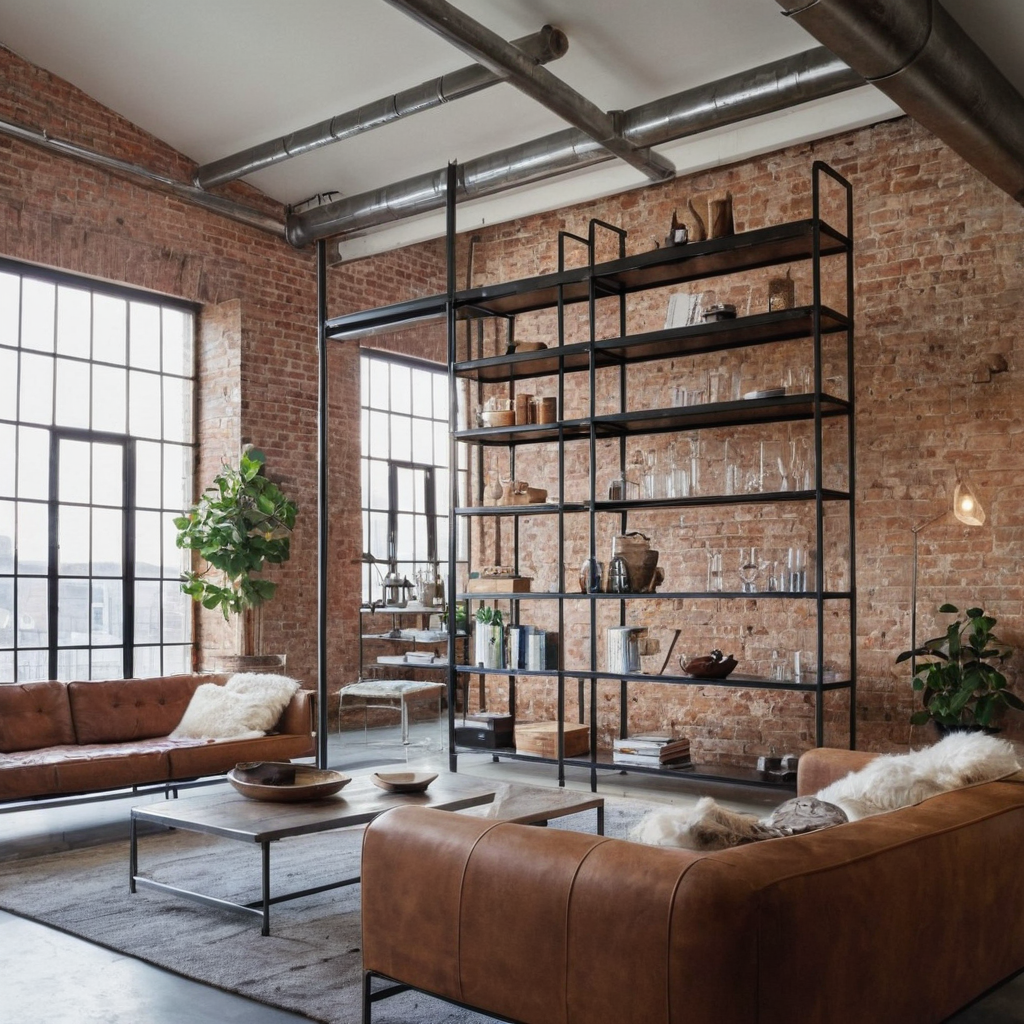
Metal accents are essential for achieving that authentic industrial look. Elements like steel beams, metal shelving units, and metallic furniture pieces can make your space feel both rugged and contemporary. These materials add a sense of strength and stability to the room.
To incorporate metal accents without going overboard, start with smaller items such as picture frames or light fixtures. This gradual approach will help you achieve balance while maintaining the industrial vibe.
3. Opt for Industrial Lighting
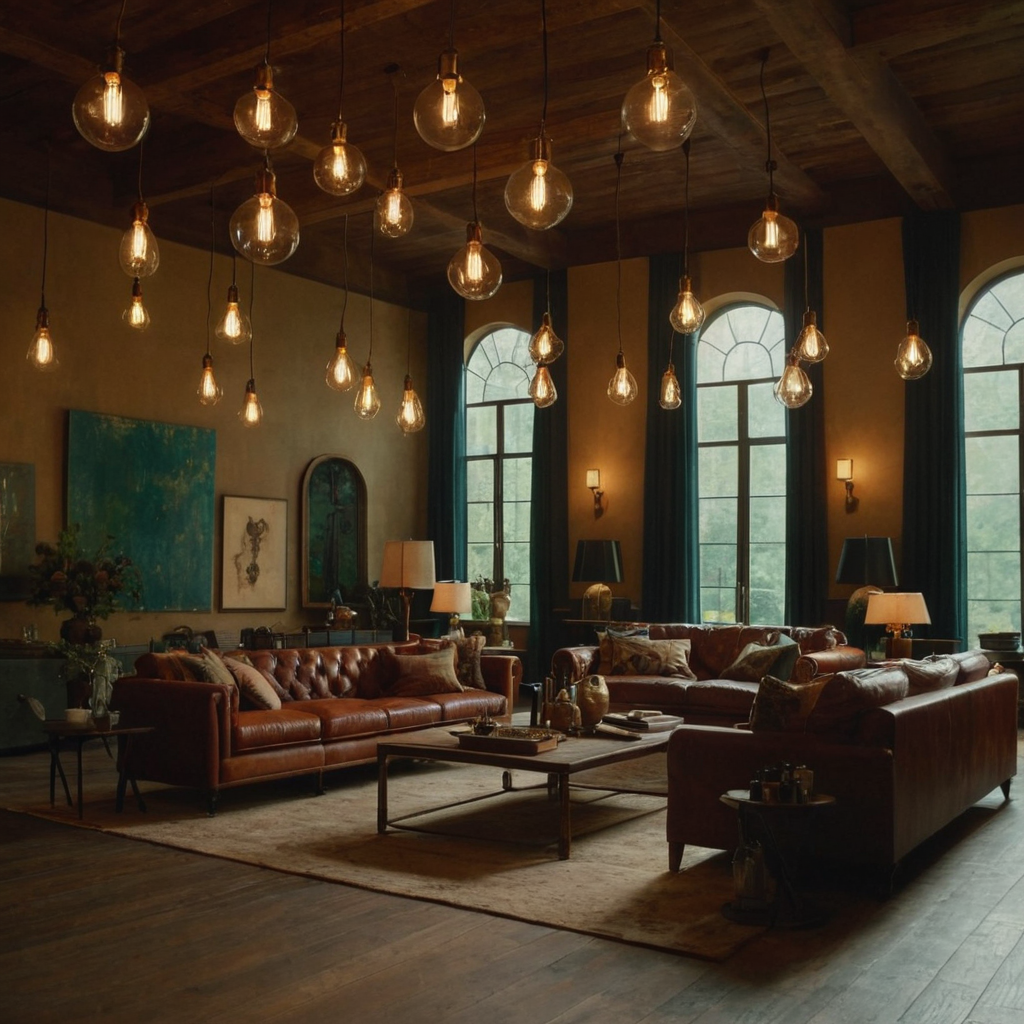
Industrial lighting fixtures are not just functional but also serve as statement pieces that can define the style of your space. Think about using pendant lights, track lighting, or vintage-style lamps to illuminate your loft without losing its industrial charm.
When choosing lighting, consider how it interacts with other elements in your room such as exposed brick walls and metal accents. The right lighting can bring out these features beautifully.
4. Create an Open-Concept Layout
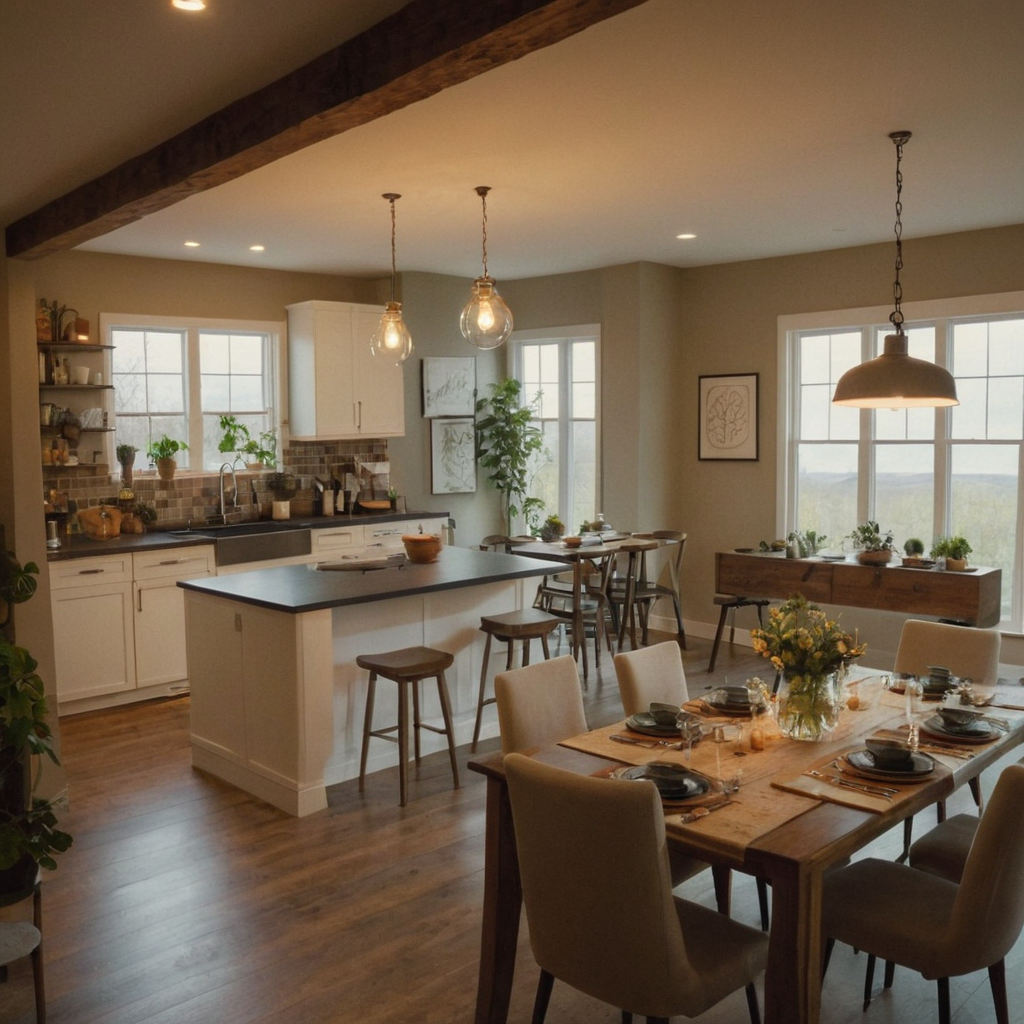
An open-concept layout is crucial for maximizing space in a loft, making it feel airy and inviting. This design approach helps to integrate different living areas seamlessly while maintaining visual connectivity throughout the room.
To implement this concept effectively, avoid clutter and use furniture that doesn’t obstruct lines of sight or pathways. Strategically placed rugs can also help define separate living zones within an open space.
5. Incorporate Reclaimed Wood Elements
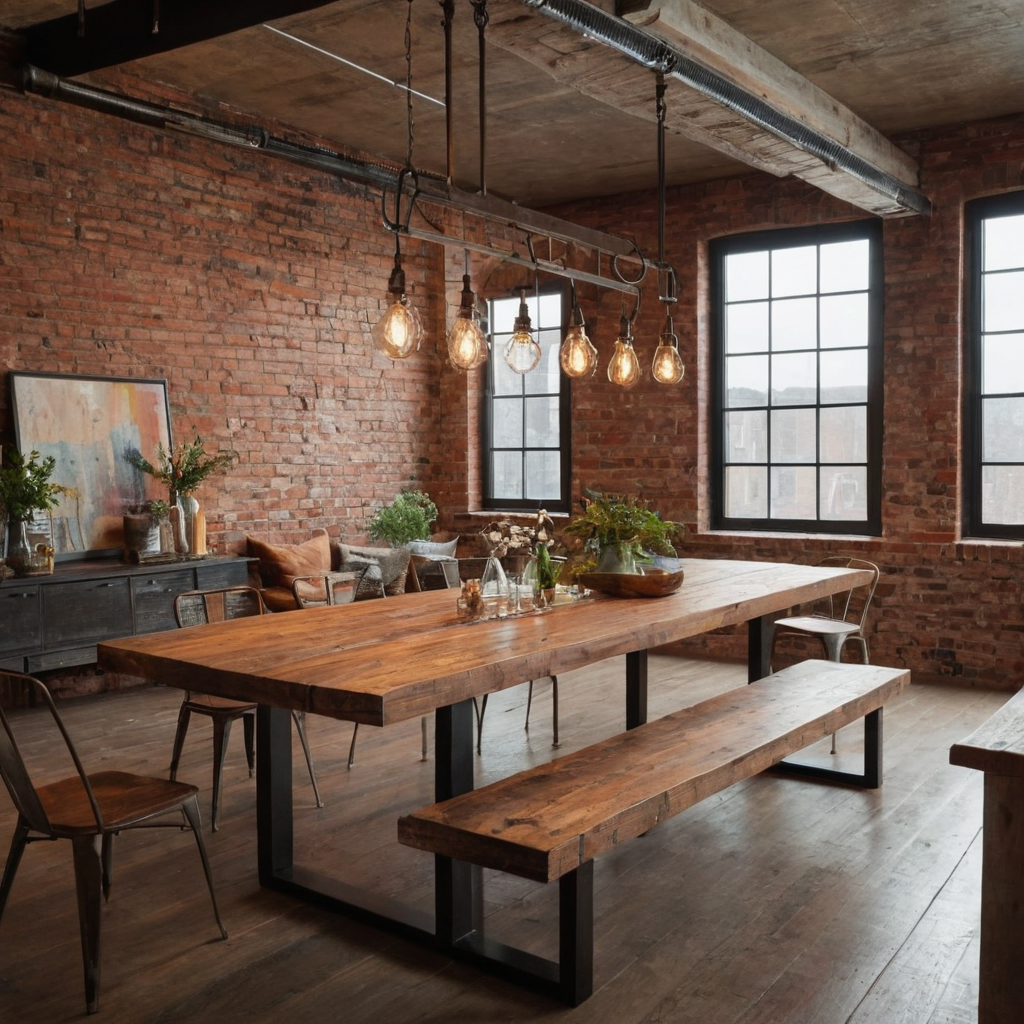
Reclaimed wood can add warmth to your industrial space, contrasting beautifully with the raw materials like brick and metal. It works well for furniture pieces such as dining tables or coffee tables and can also be used in wall paneling.
To seamlessly integrate reclaimed wood, choose items that complement rather than compete with other textures present in the room. This balance ensures a cohesive look without sacrificing the unique characteristics of each material.
6. Use Textured Fabrics
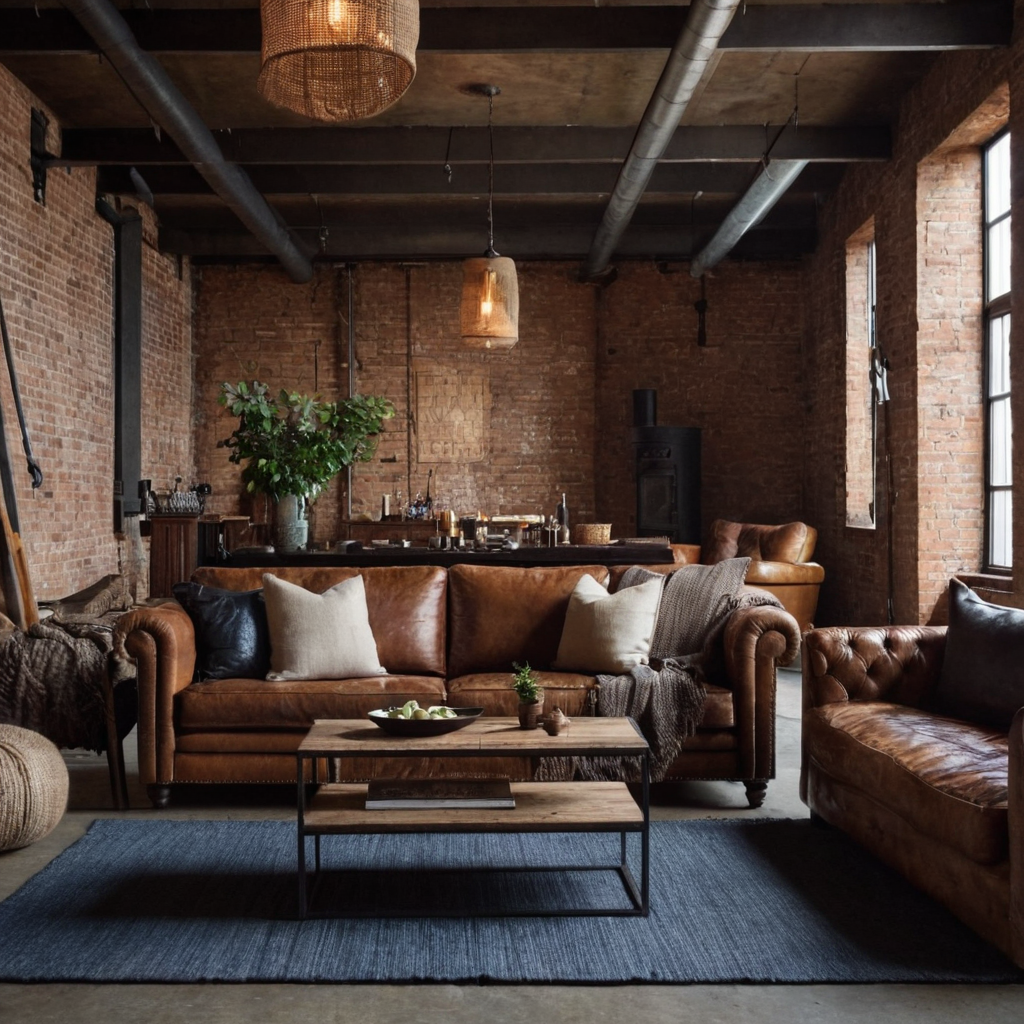
Textured fabrics can soften the hard edges of an industrial design, adding comfort and warmth to your space. Materials like leather, burlap, or wool blend well with the rough textures found in lofts.
Incorporate these fabrics through upholstery on chairs, throw blankets, or curtains. These items not only bring visual interest but also enhance the overall tactile experience of your loft.
7. Add Greenery
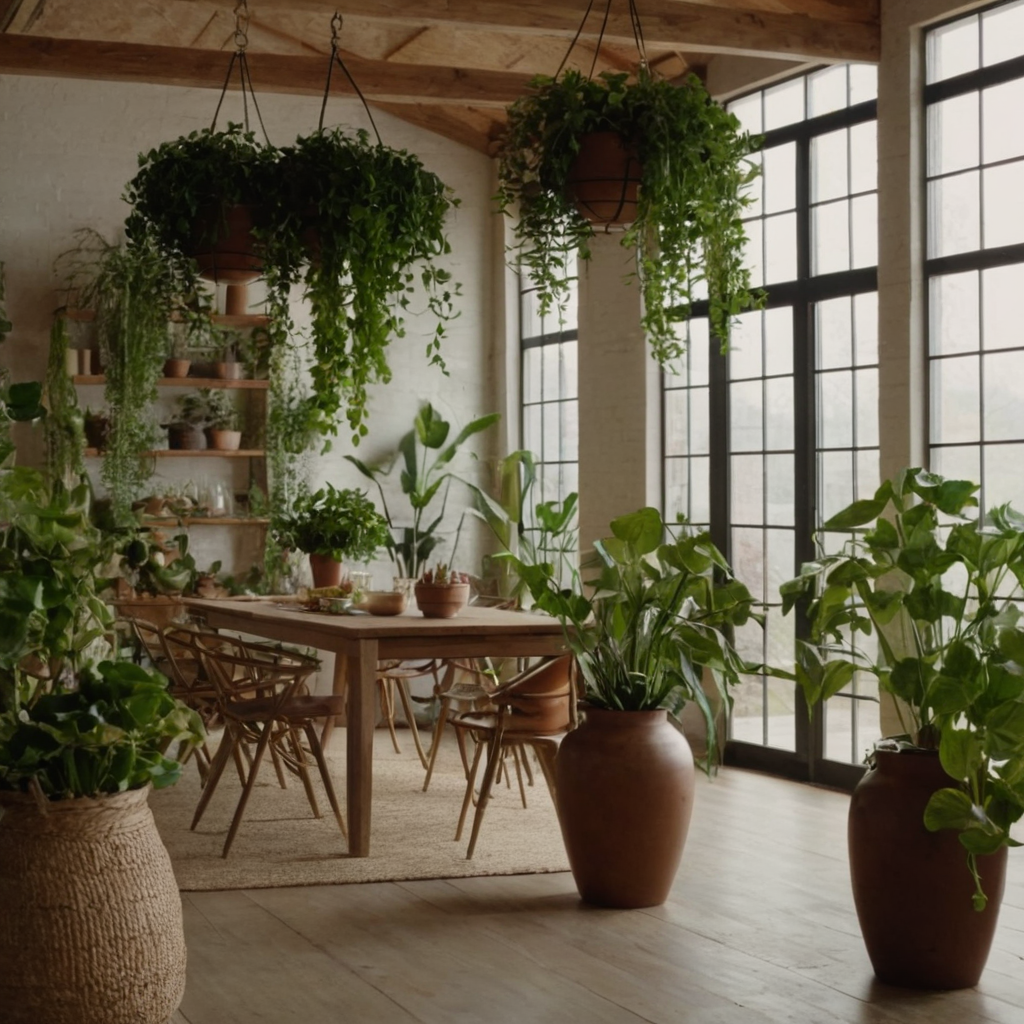
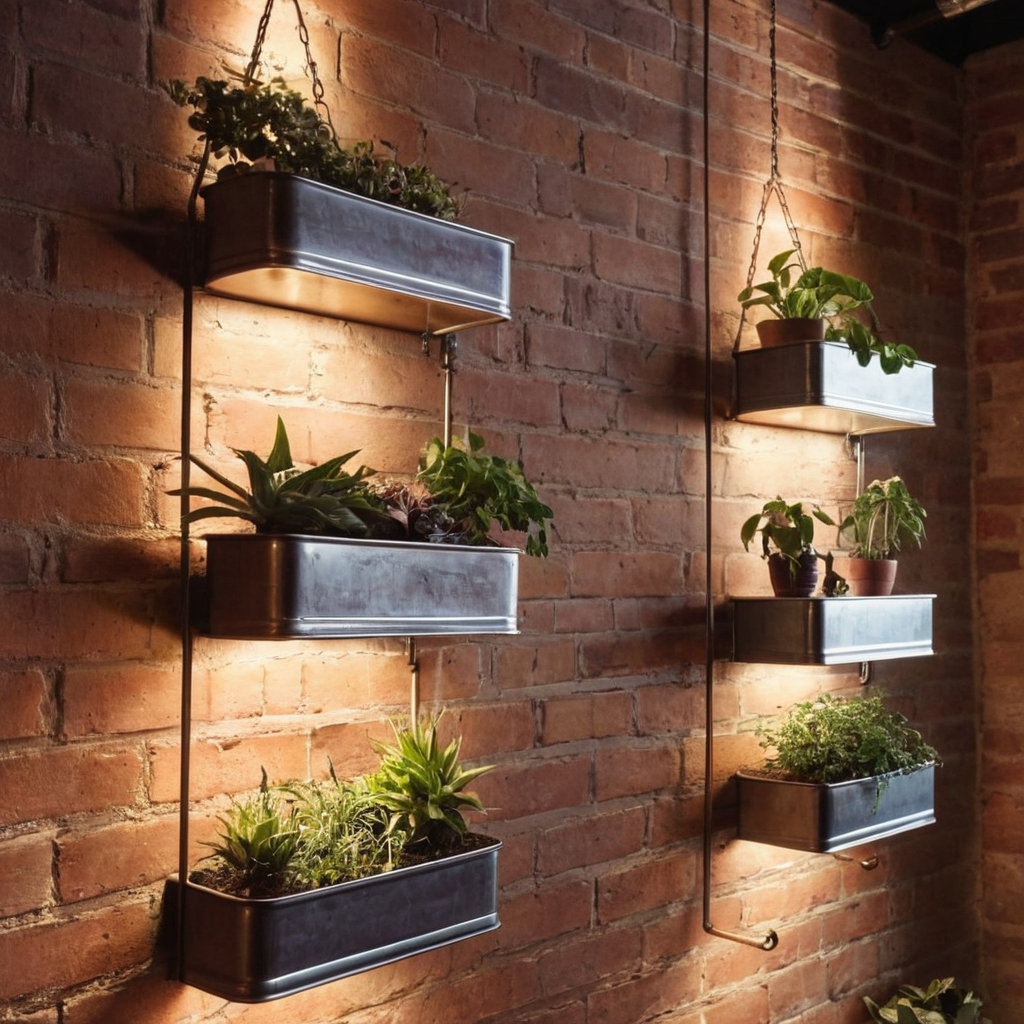
Plants can bring life to your industrial space, softening the harshness of metal and brick while adding a touch of nature indoors. Large potted plants or hanging planters work well in lofts due to their height and ample natural light.
Consider low-maintenance options like snake plants or pothos that thrive even with limited sunlight. Plants can be placed strategically around the room to create focal points.
8. Include Industrial Art Pieces
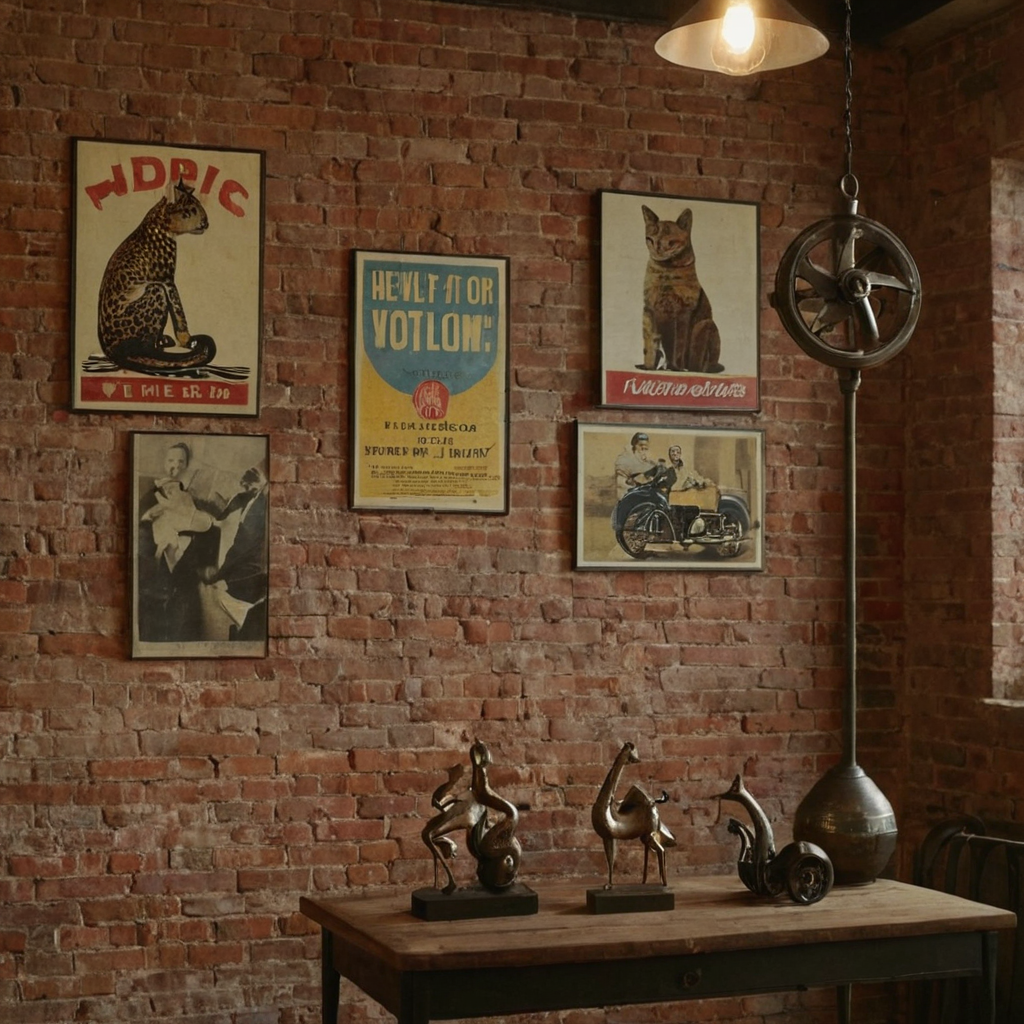
Artwork that reflects the industrial aesthetic can further enhance your space’s character. Consider pieces made from recycled materials or with heavy textures, which align well with the overall theme.
Hang art at eye level to create a focal point and consider a mix of mediums such as metal sculptures, oil paintings on canvas, or framed vintage posters.
9. Utilize Industrial Shelving Solutions
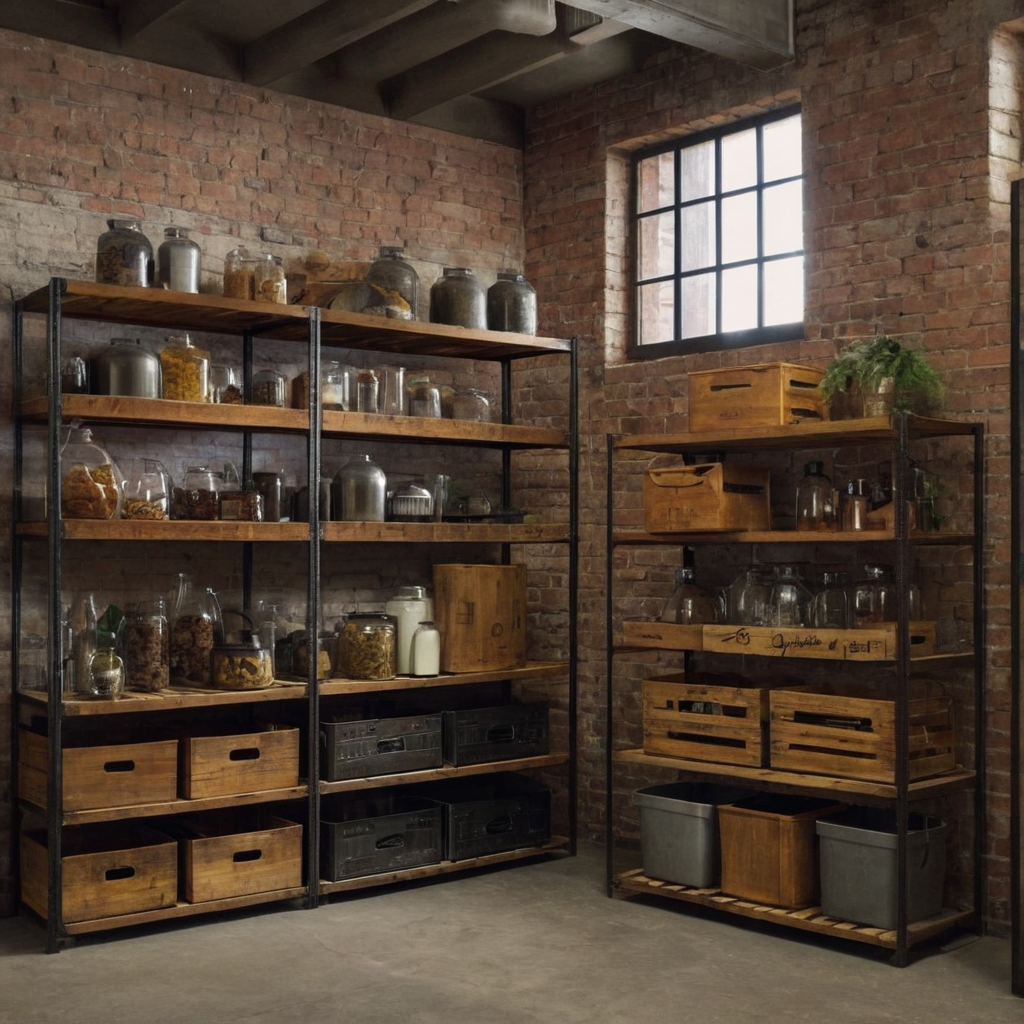
Shelving solutions that match the industrial aesthetic can organize your space while maintaining its style. Think about using open metal shelving units or wooden crates for storage and display.
Position shelves strategically to maximize vertical space, keeping items like books and decorative objects within easy reach but also displayed artistically. This approach ensures functionality without sacrificing aesthetics.