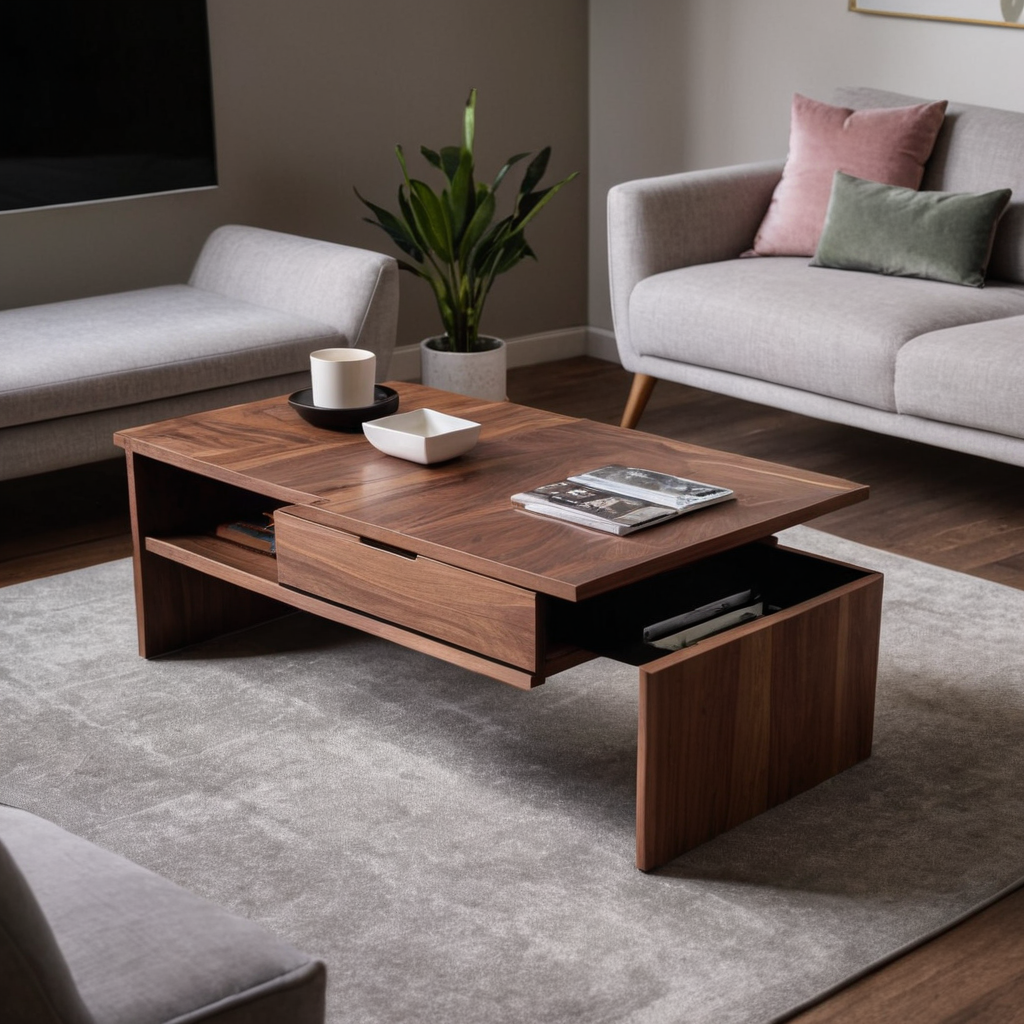
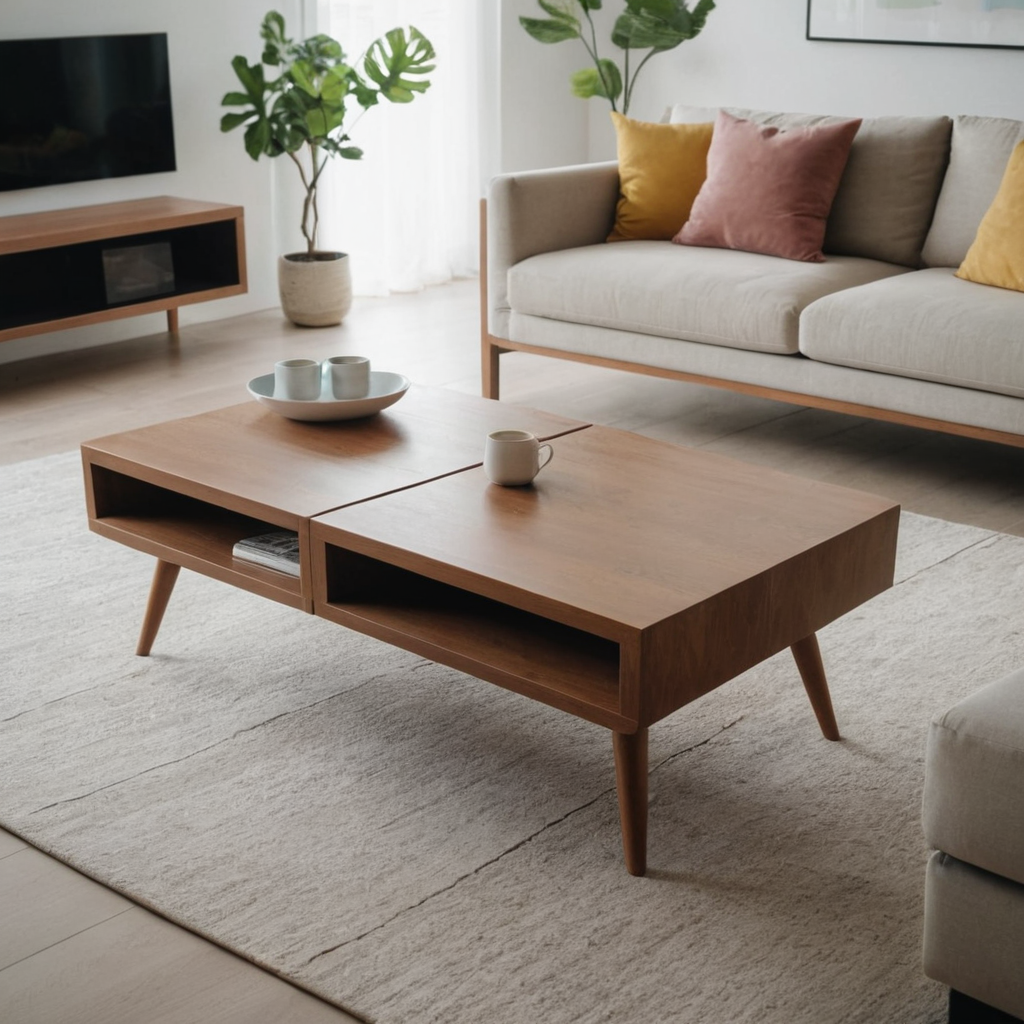
1. Expandable Dining Table
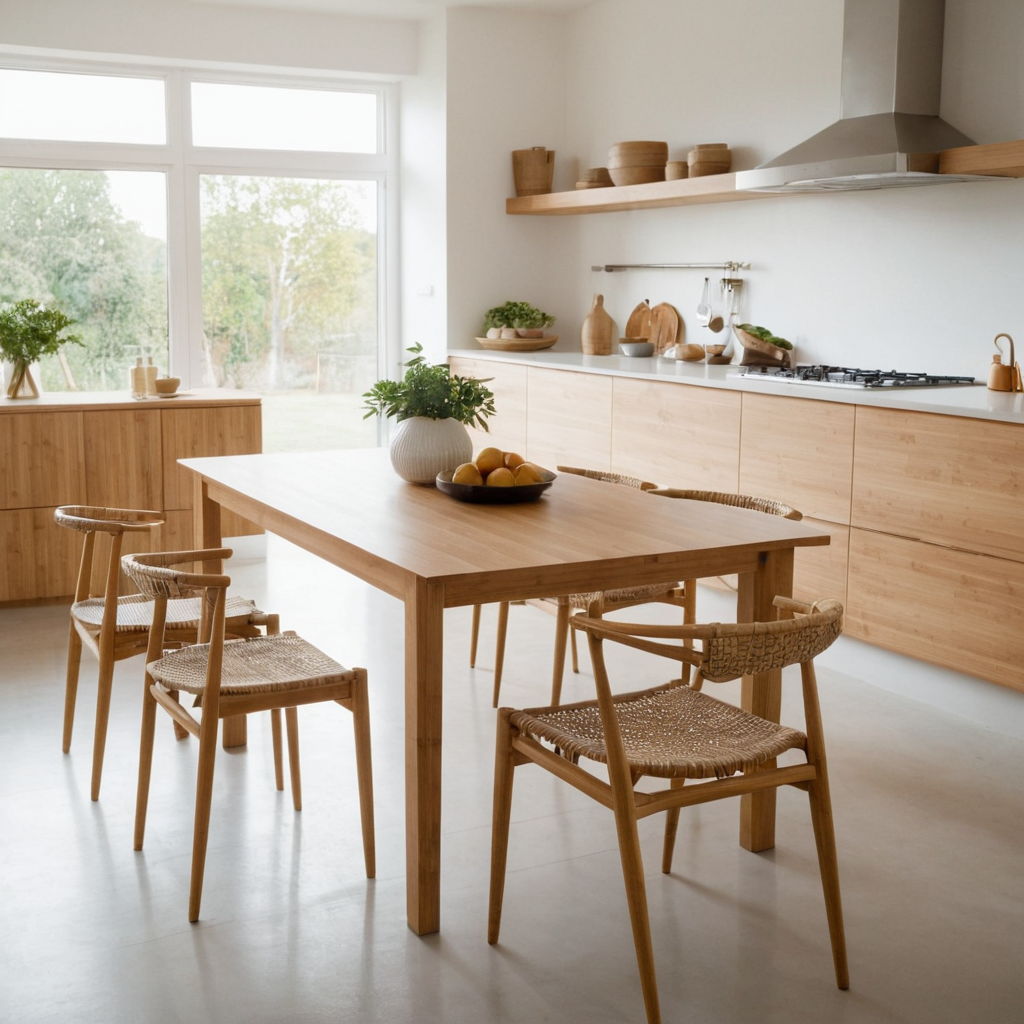
Expandable dining tables are a classic solution for small spaces, offering ample seating during gatherings and compact storage when not in use. These pieces often feature extendable leaves or telescoping mechanisms that allow the table to grow as needed. This design principle ensures you can entertain guests without sacrificing daily space needs.
When choosing an expandable dining table, consider its material and finish for a seamless fit with your decor. Opt for lightweight woods like bamboo or pine if portability is important. For style, integrate patterns and colors that complement other furniture in the room to create a cohesive look.
2. Foldable Sofa Bed
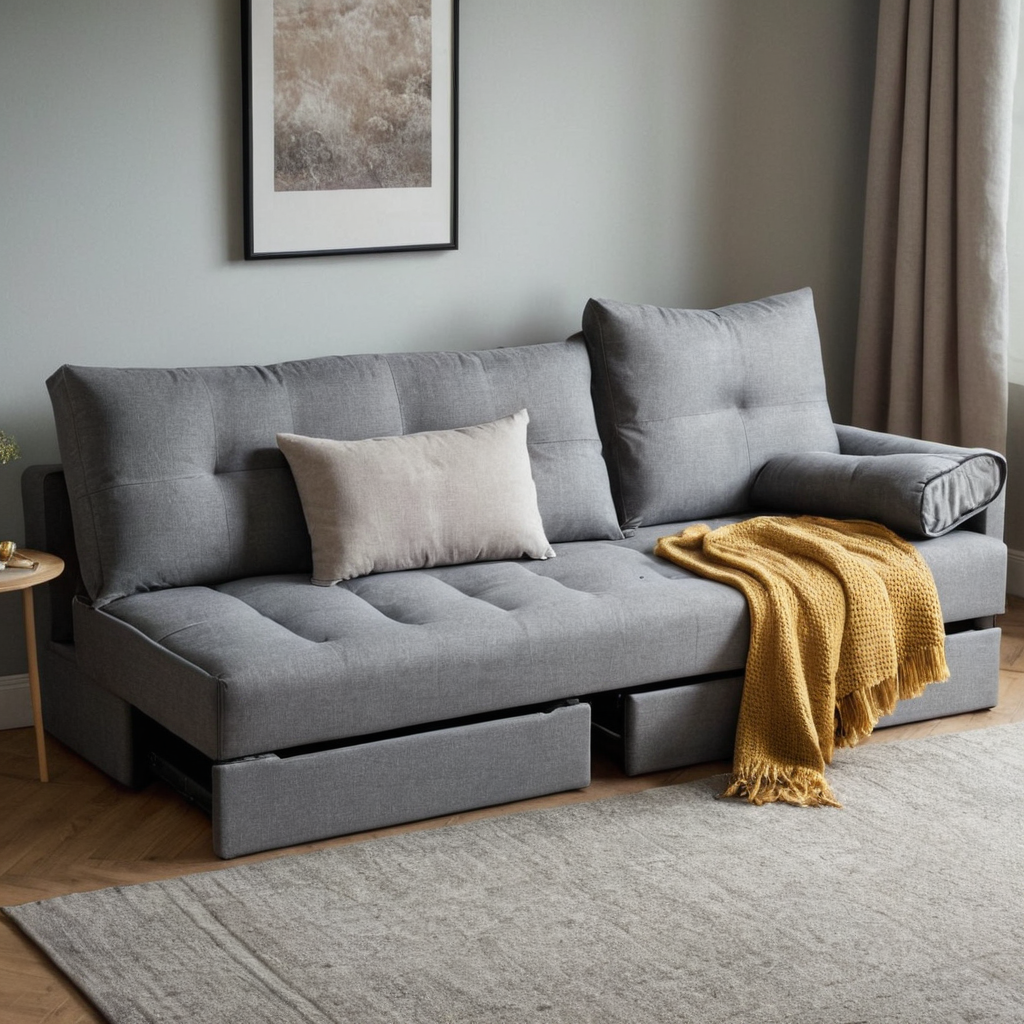
A foldable sofa bed offers versatile seating during the day and comfortable sleeping space at night, making it ideal for apartments or guest rooms. These pieces often include hidden storage compartments within the frame to keep bedding tidy when not in use. The design principle behind these beds is to provide maximum utility from a single piece of furniture.
When styling your foldable sofa bed, select a cover that matches the overall decor and consider using throw pillows and blankets for both comfort and aesthetic appeal. Opt for neutral colors if you want the piece to blend into any room or bold hues for a statement design.
3. Wall-Mounted TV Console
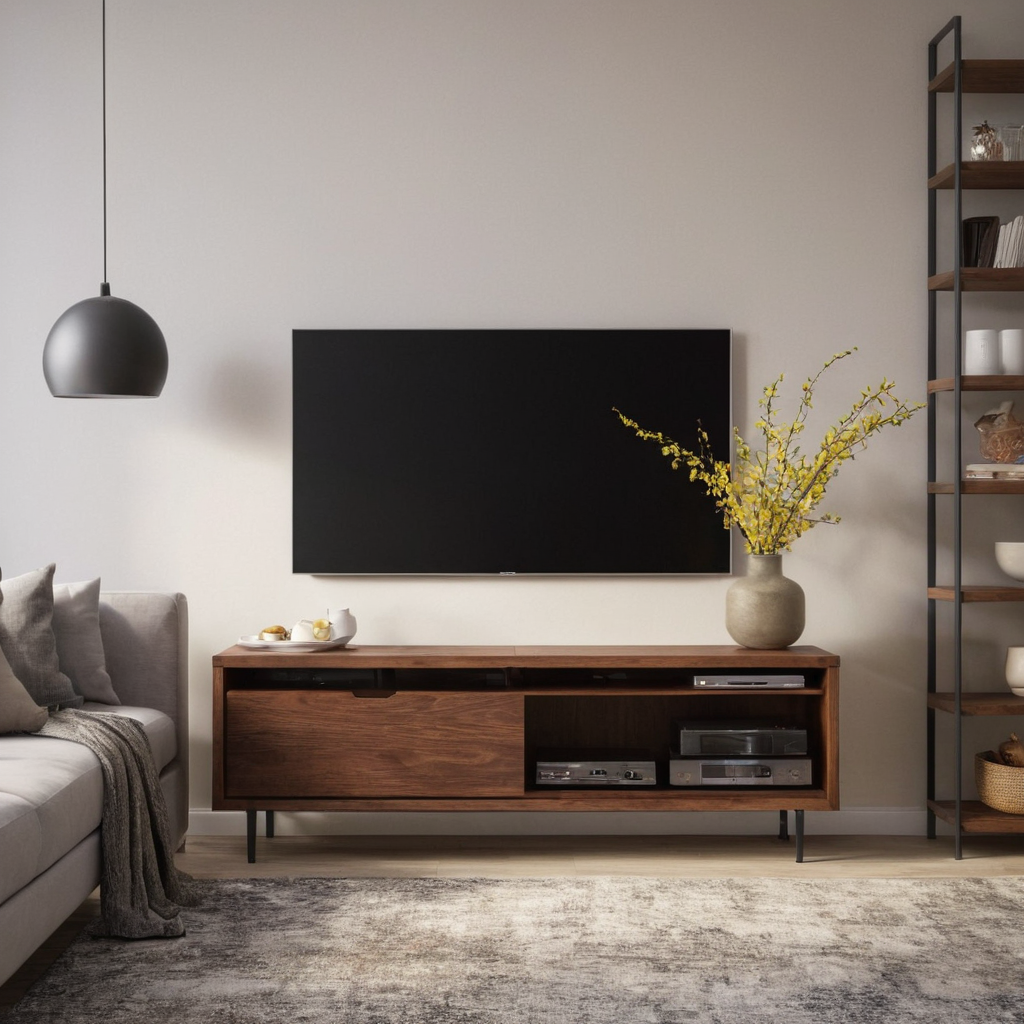
Wall-mounted TV consoles save valuable floor space and can be designed to integrate seamlessly into your wall decor, blending form with function. These consoles often feature hidden compartments or open shelving for media components and other essentials. The design principle here is minimalism while maximizing utility.
For practical advice, consider the placement of this furniture in relation to seating arrangements. Ensure that wires are neatly tucked away using cord organizers to maintain a clean look. Choose a console with shelves at various heights if you plan on displaying books or decorative items.
4. Space-Saving Bookshelf
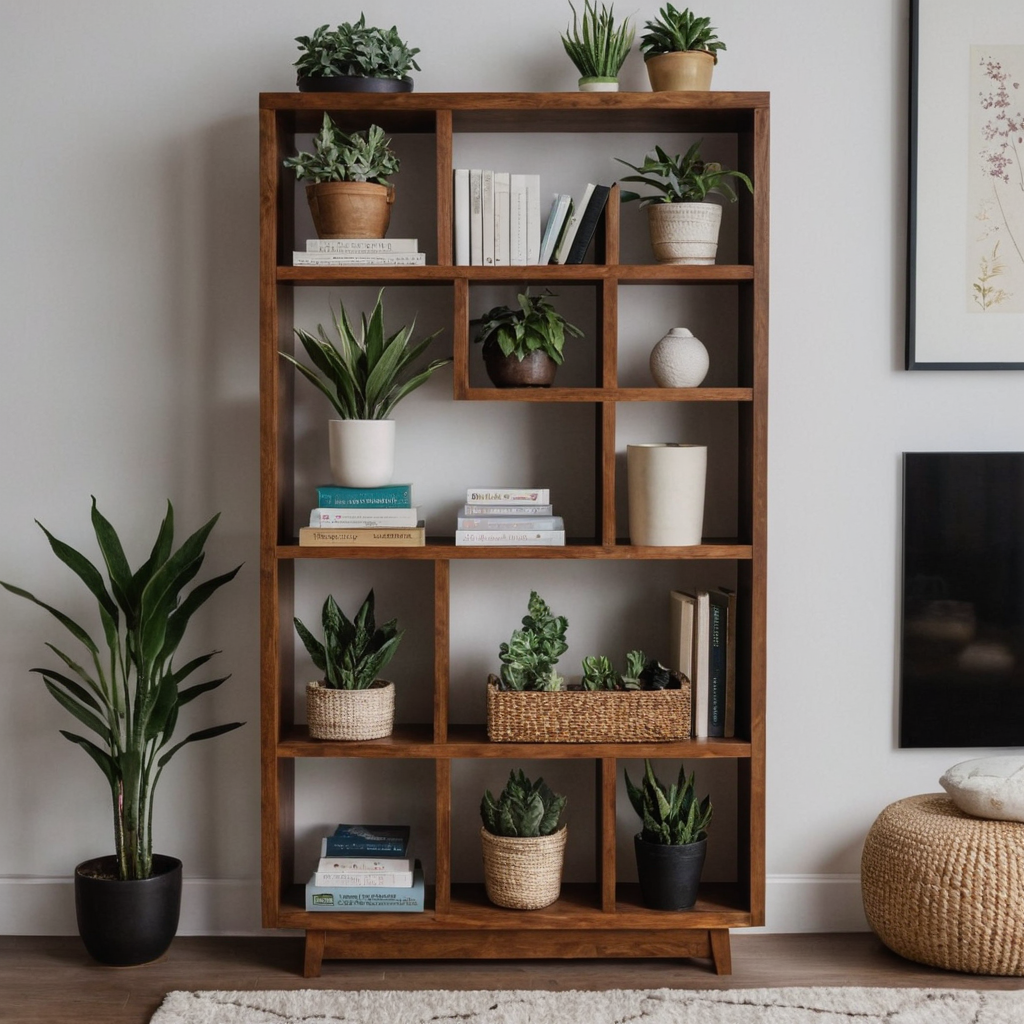
Space-saving bookshelves can be freestanding or mounted on walls and are designed to hold a variety of items from books to decorative objects while keeping your space clutter-free. These shelves often have adjustable shelving options, allowing you to customize storage according to your needs. The design principle is efficiency in limited spaces.
Practically speaking, use baskets for smaller items like magazines or remote controls that can be tucked away out of sight but remain accessible. Optimize the visual impact by alternating between full and empty shelves to create a balanced look.
5. Multi-Level Desk System
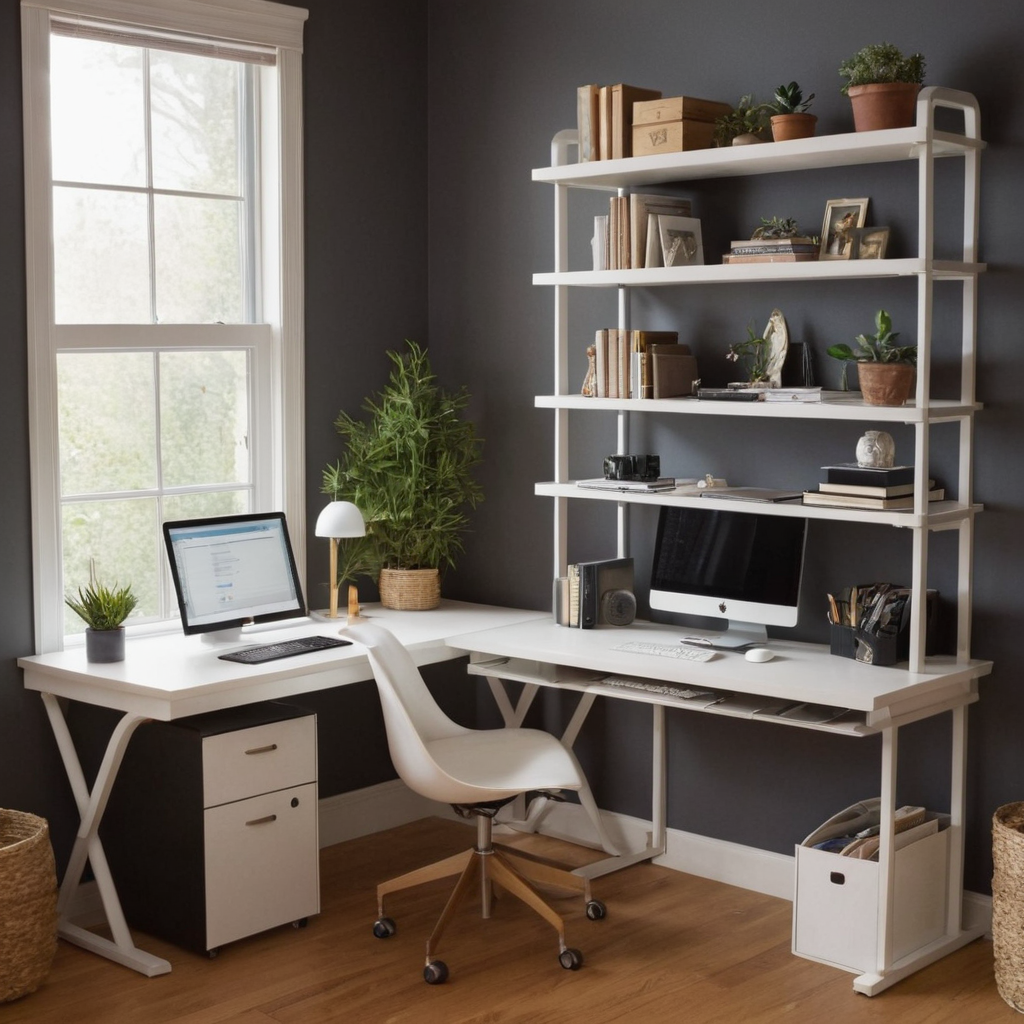
A multi-level desk system allows for versatile workspace setup by providing different levels of surfaces to accommodate your computer, paperwork, and personal items. These desks can be wall-mounted or freestanding and are designed to maximize the use of vertical space in smaller rooms. The design principle here is creating multiple working zones within a compact area.
When setting up this desk system, consider the layout that best suits your work habits. Use drawer organizers for better management of supplies and accessories. Incorporate plants or small decorative items on higher levels to bring life into your workspace.
6. Folding Storage Cube
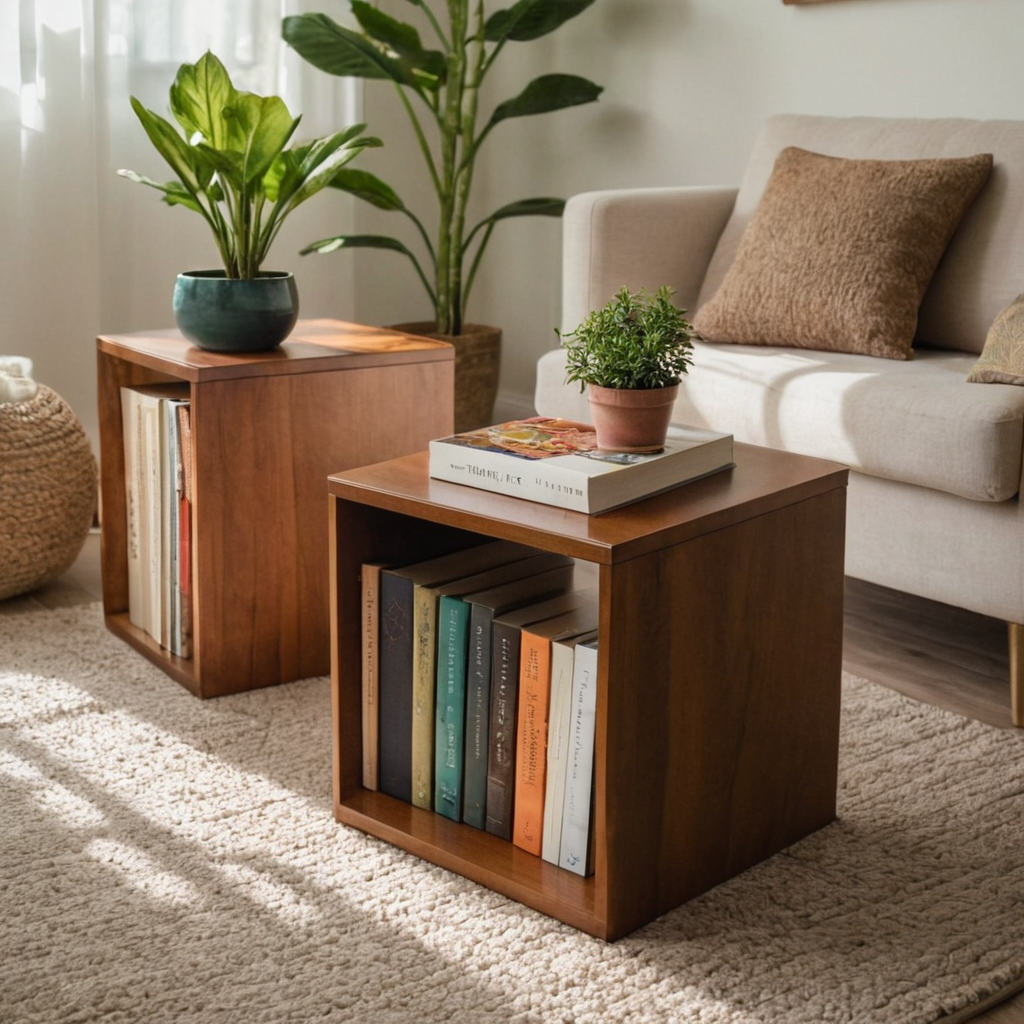
Folding storage cubes are versatile pieces that can be used as seating or storage units when not in use. These cubes often have multiple compartments for organizing items and can be collapsed into flat panels for easy storage. The design principle is adaptability and multi-functionality.
Use these cubes to create a functional yet stylish room divider, or stack them to form an impromptu coffee table. They are perfect for small apartments where space must serve dual purposes.
7. Modular Shelving Unit
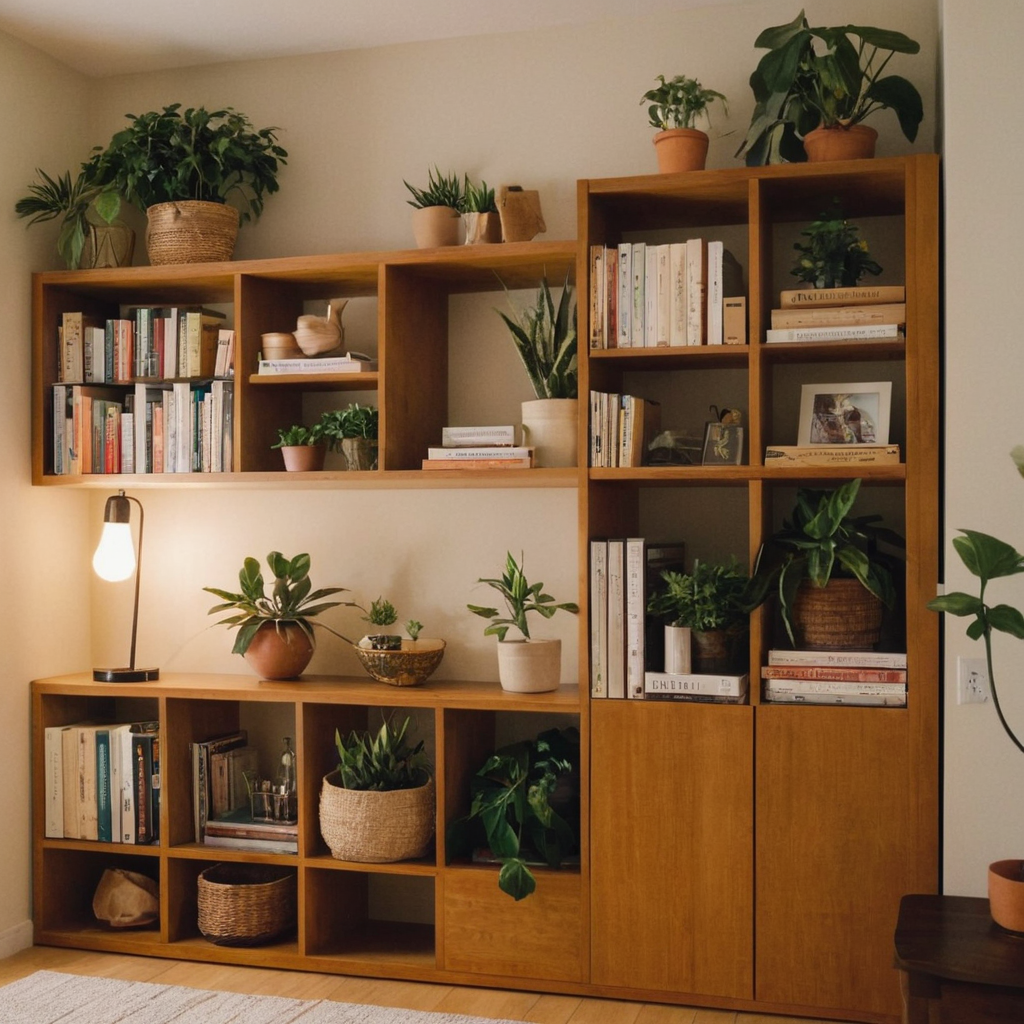
Modular shelving units are composed of interchangeable parts that can be rearranged to suit your changing needs, making them ideal for compact living environments where space optimization is key. The design principle behind these units is flexibility and customization.
Practically speaking, start with the basics and add shelves as needed to avoid overcrowding. Use baskets or containers within the shelving unit to categorize items like office supplies, toys, or kitchenware.
8. Hidden Bed Sofa
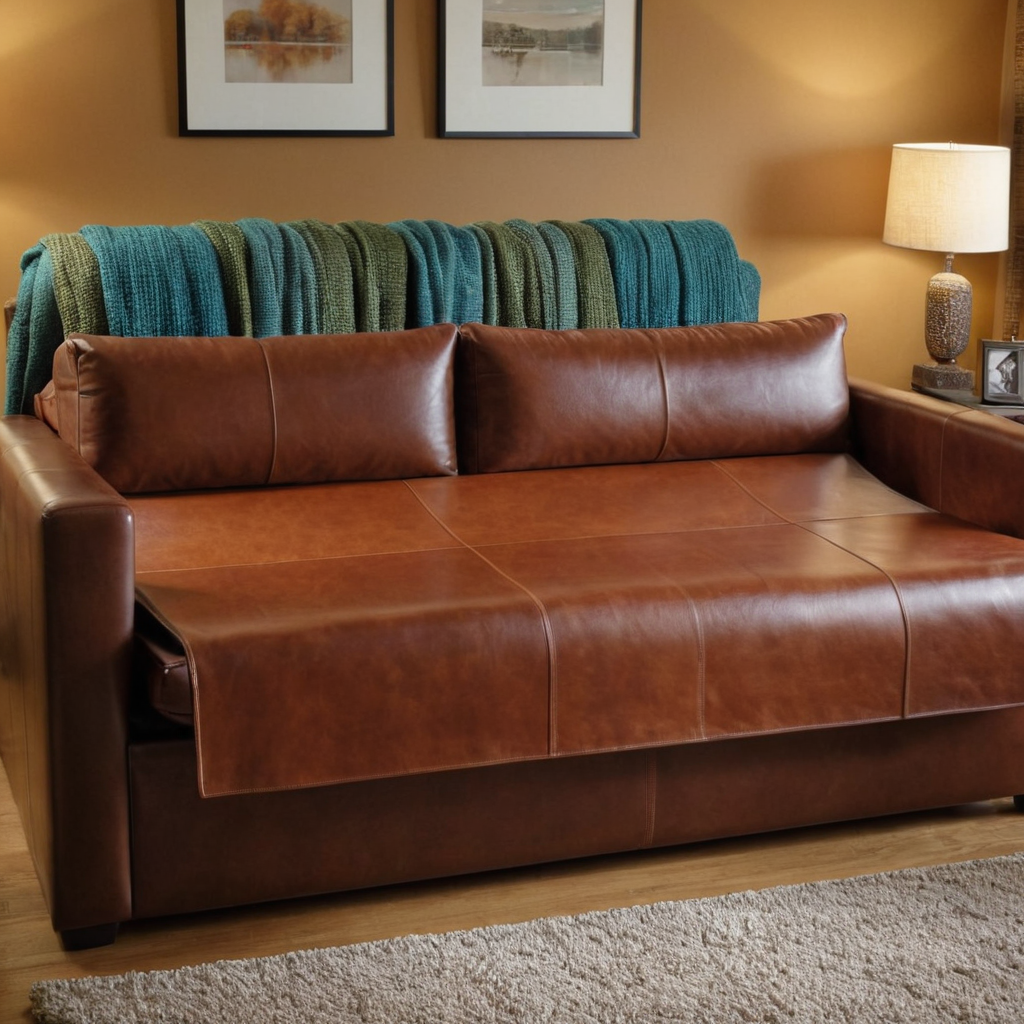
A hidden bed sofa is designed to be a comfortable seating option during the day that converts into a sleeping area at night without taking up extra floor space. These pieces often have hidden drawers or compartments for storing bedding and other essentials. The design principle here is seamless integration of living room furniture with sleeping arrangements.
When styling your hidden bed sofa, keep it simple to ensure it fits in with the rest of the room’s decor. Use soft throw pillows for additional comfort during daytime use. Choose a neutral color if you’re concerned about matching with other furniture.
9. Foldable Coffee Table
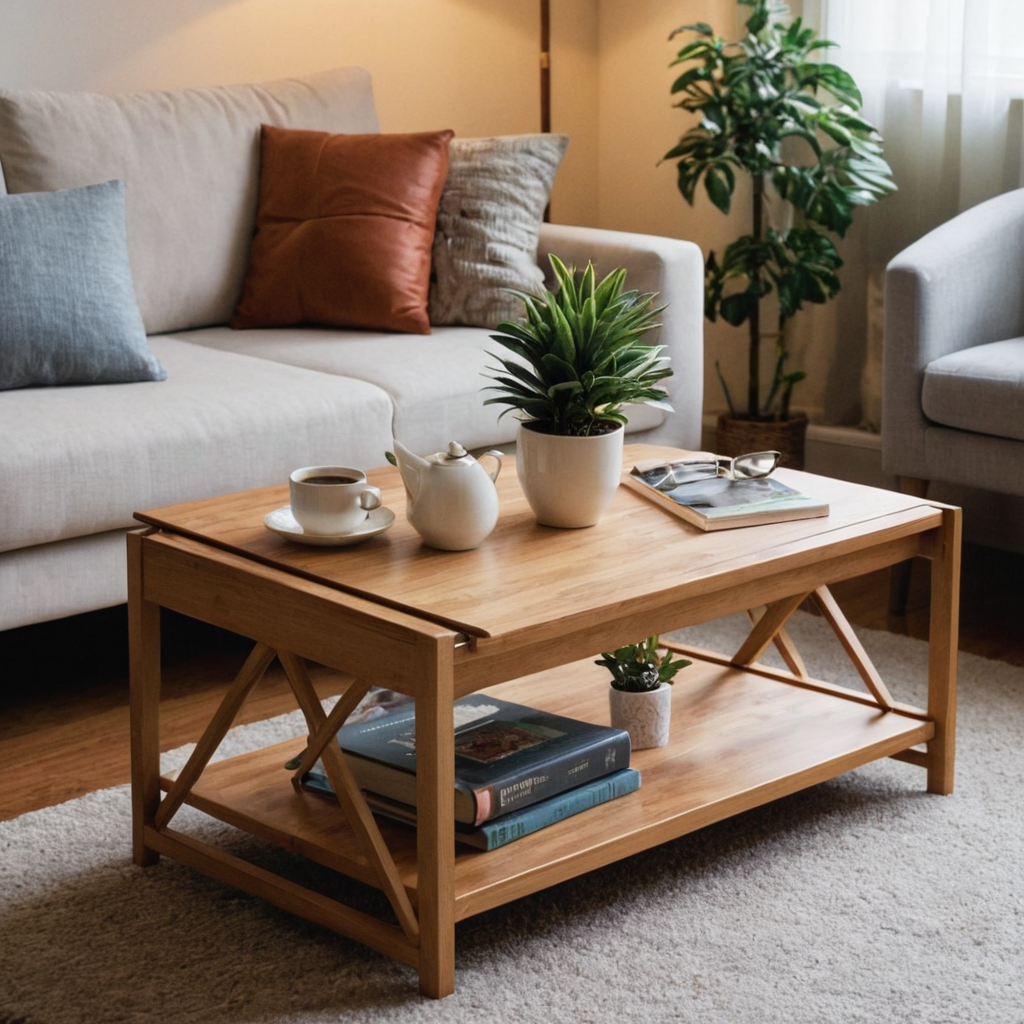
Foldable coffee tables offer both functionality and flexibility by providing a sturdy surface for everyday use that can be folded up when not needed, saving valuable floor space. These tables often feature durable materials like metal or wood for stability. The design principle is to provide multi-functional furniture without compromising on quality.
For styling tips, consider the height of your sofa relative to the coffee table; it should sit comfortably under most seating arrangements. Use a foldable coffee table with an interesting material or finish to draw attention and enhance the room’s aesthetic.