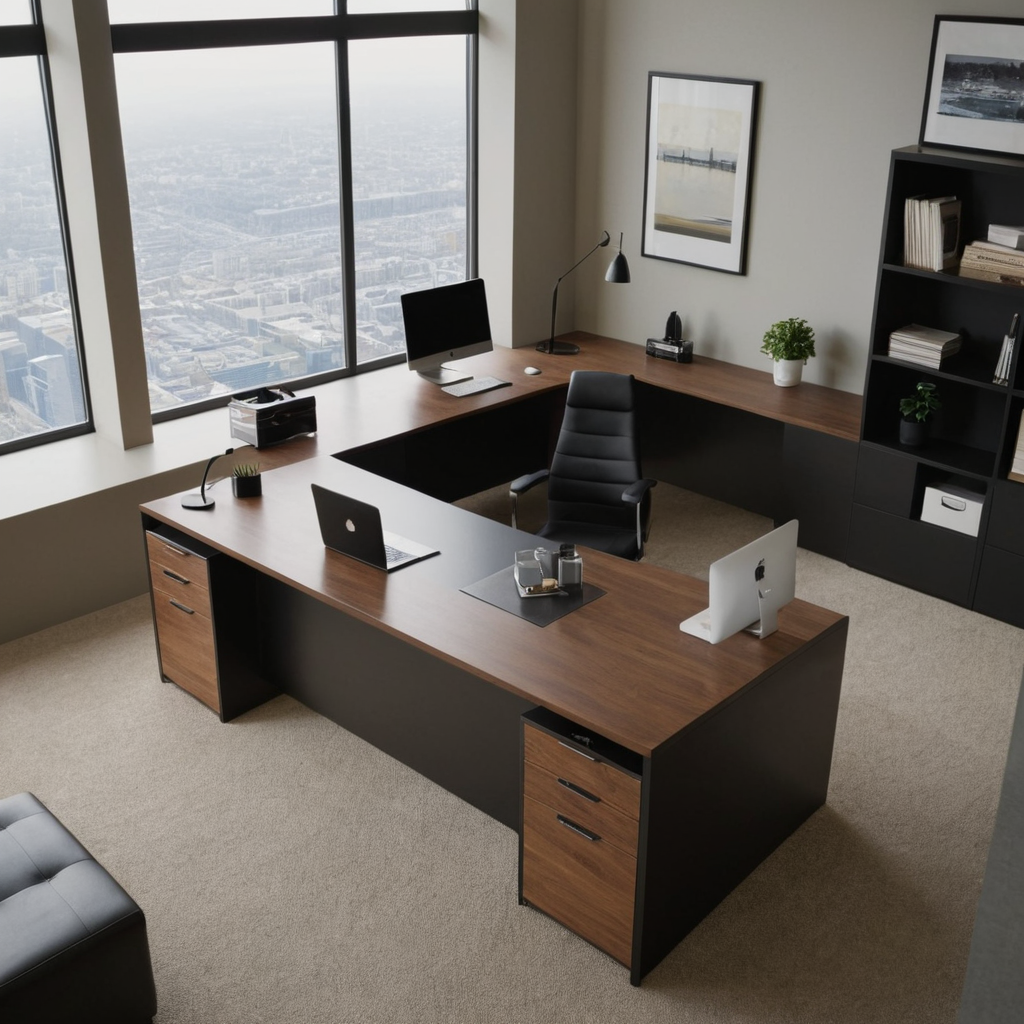
1. Invest in Ergonomics
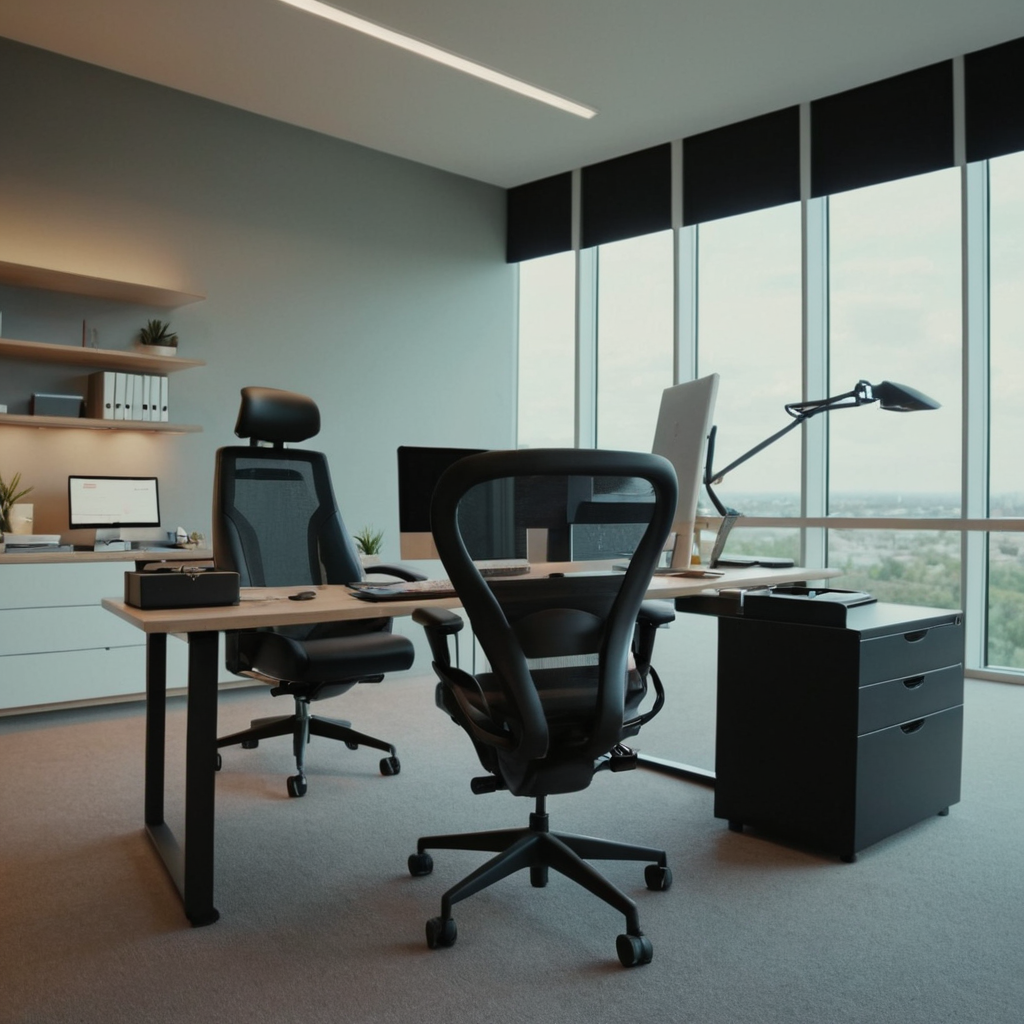
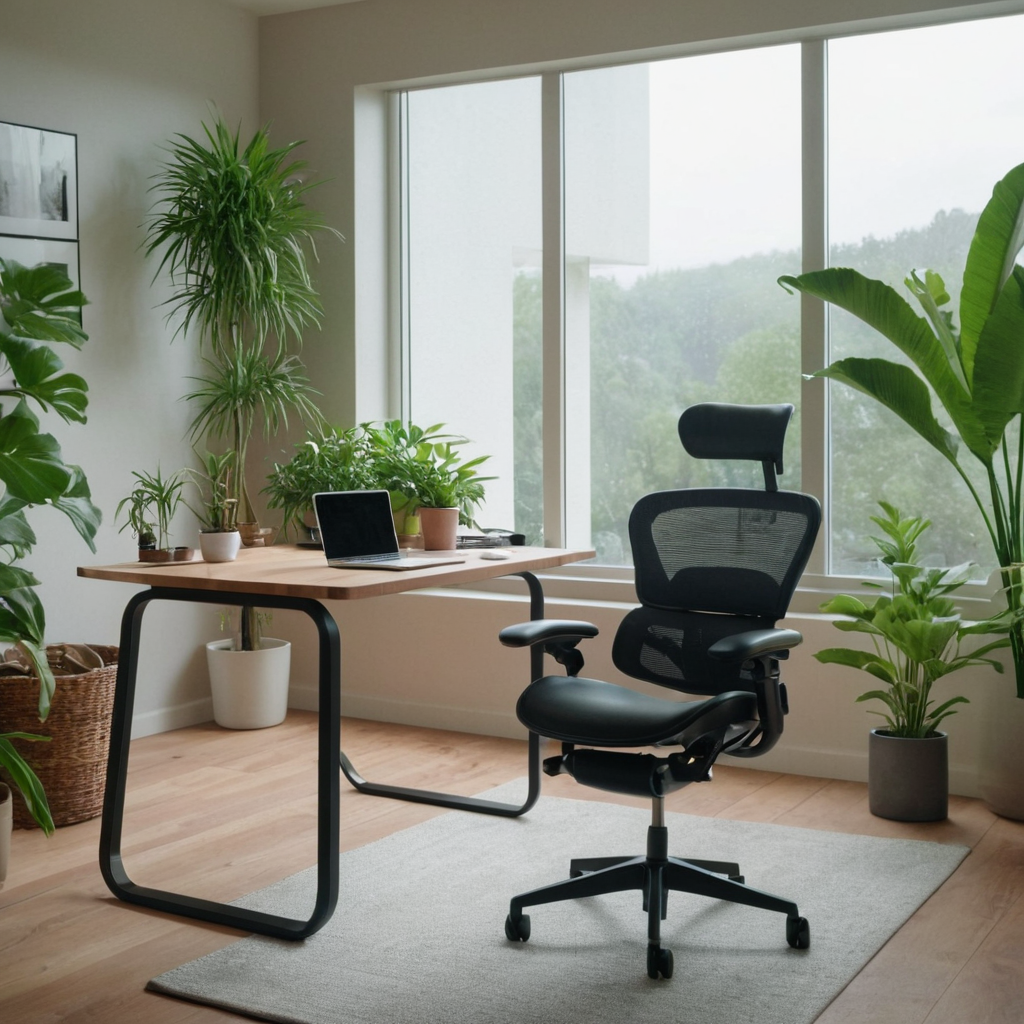
Ergonomic furniture is essential for a home office that supports productivity without compromising comfort. An ergonomic chair and desk can help maintain proper posture and prevent strain or injury over long hours of work. The right setup will ensure your body remains aligned, reducing the risk of back pain and eye strain.
Choose an adjustable chair with good lumbar support to align your spine properly while you sit. Your feet should rest flat on the floor, knees at a 90-degree angle. For desks, consider standing options or those that can be adjusted for sitting and standing to vary your posture throughout the day.
2. Organize Your Desk
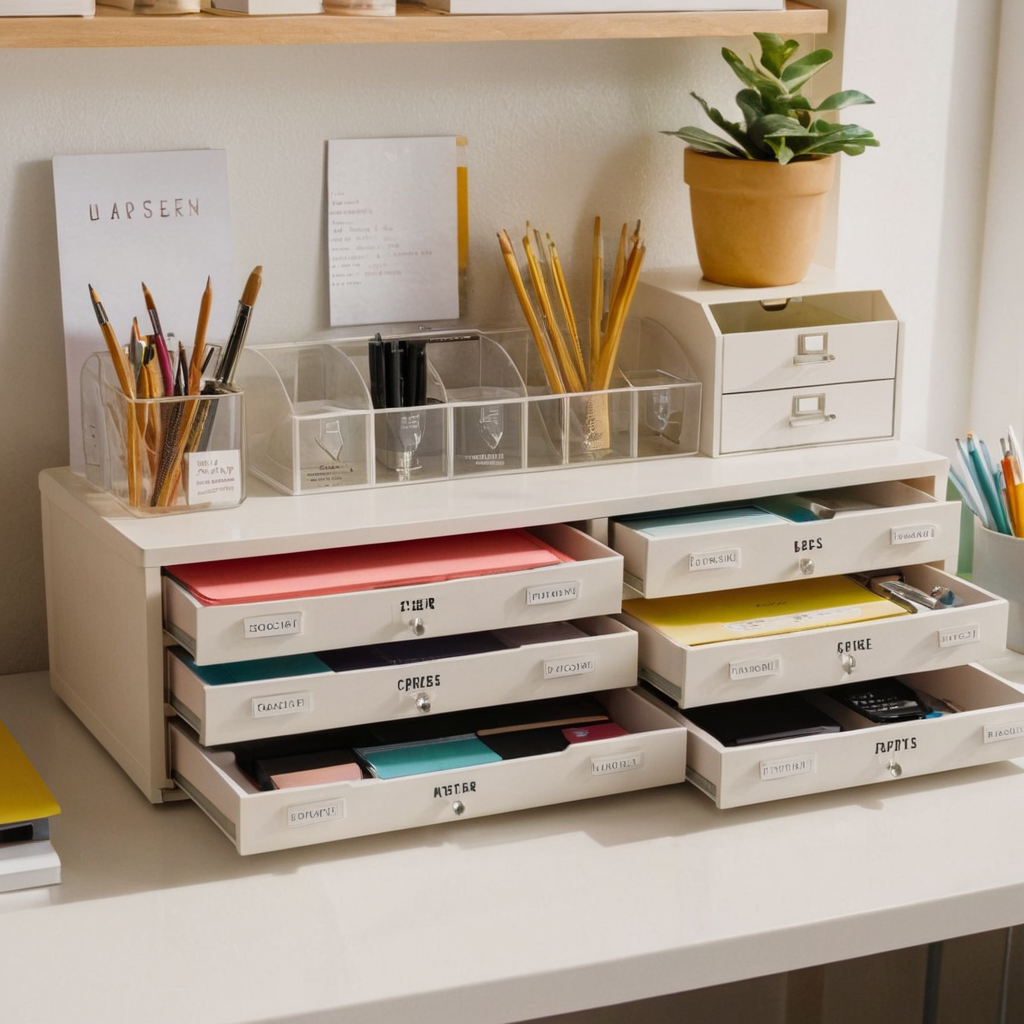
Keeping your workspace organized not only enhances productivity but also creates a visually appealing environment that reduces stress levels. Clutter-free desks can help you focus on tasks at hand without distractions from misplaced items or disarray.
Use desk organizers, drawer dividers, and label everything clearly to maintain order. Consider the size of your desk and choose storage solutions that fit seamlessly into your space, ensuring easy access when needed.
3. Enhance Lighting
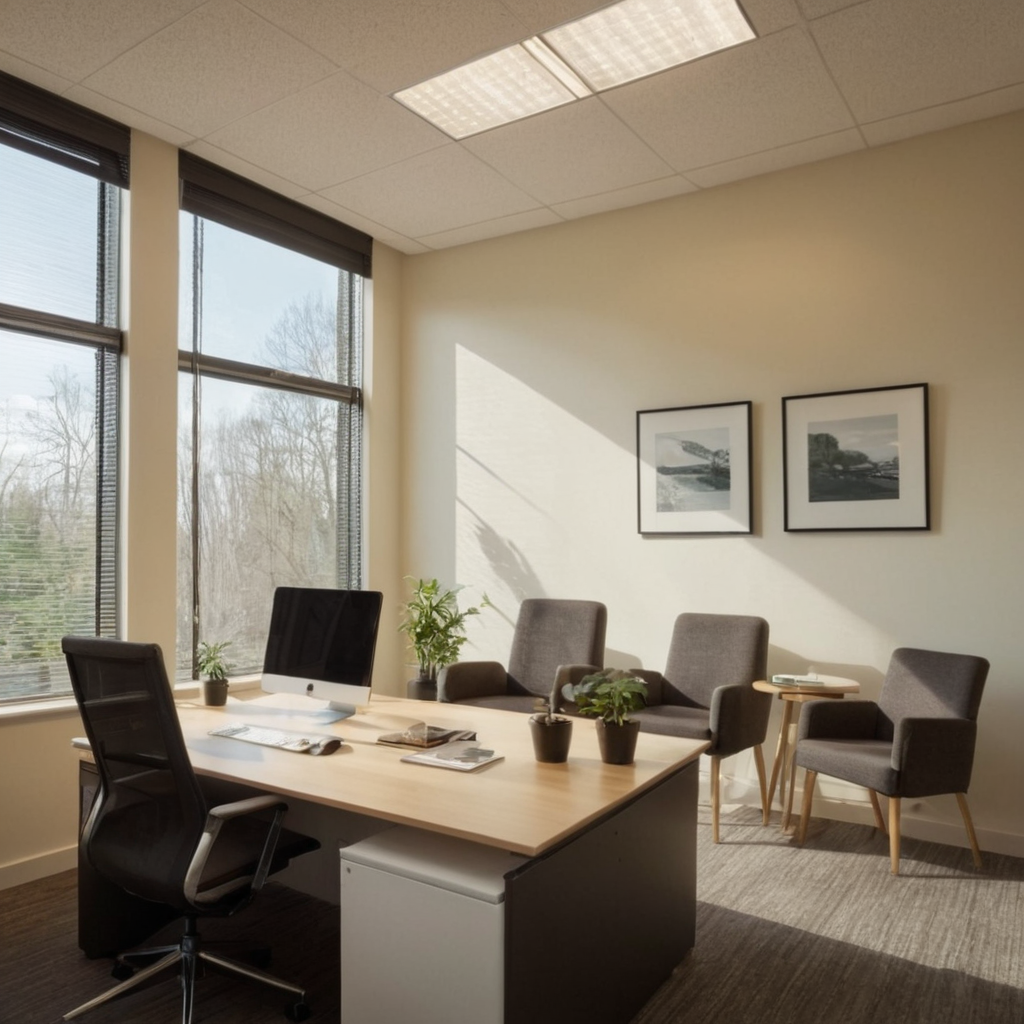
Proper lighting is crucial for maintaining energy levels and avoiding eye strain during long hours of work. Natural light enhances mood and productivity, but it’s important to balance this with artificial lighting that complements the natural light without causing glare on screens.
Position your desk near a window to maximize natural light exposure, especially if you work in a darker room. Use layered lighting solutions like floor lamps and desk lights to provide sufficient illumination where needed.
4. Personalize Your Space
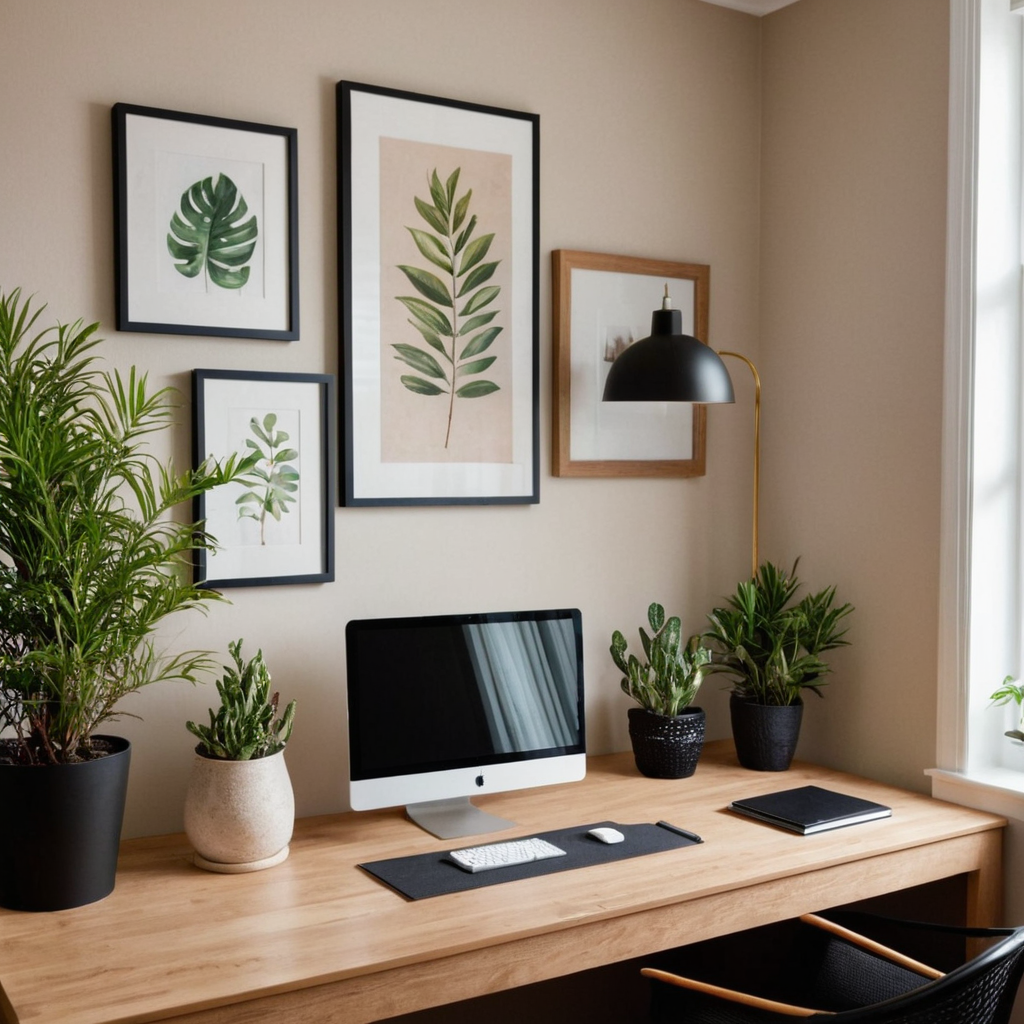
Personal touches can make your home office feel like an extension of yourself, fostering comfort and creativity. Adding personal items that inspire you or reflect your personality can help create a positive work environment.
Consider incorporating artwork, plants, or photos as decorative elements. Choose colors and textures that resonate with your aesthetic preferences to enhance your mood and motivation throughout the day.
5. Maximize Storage Space
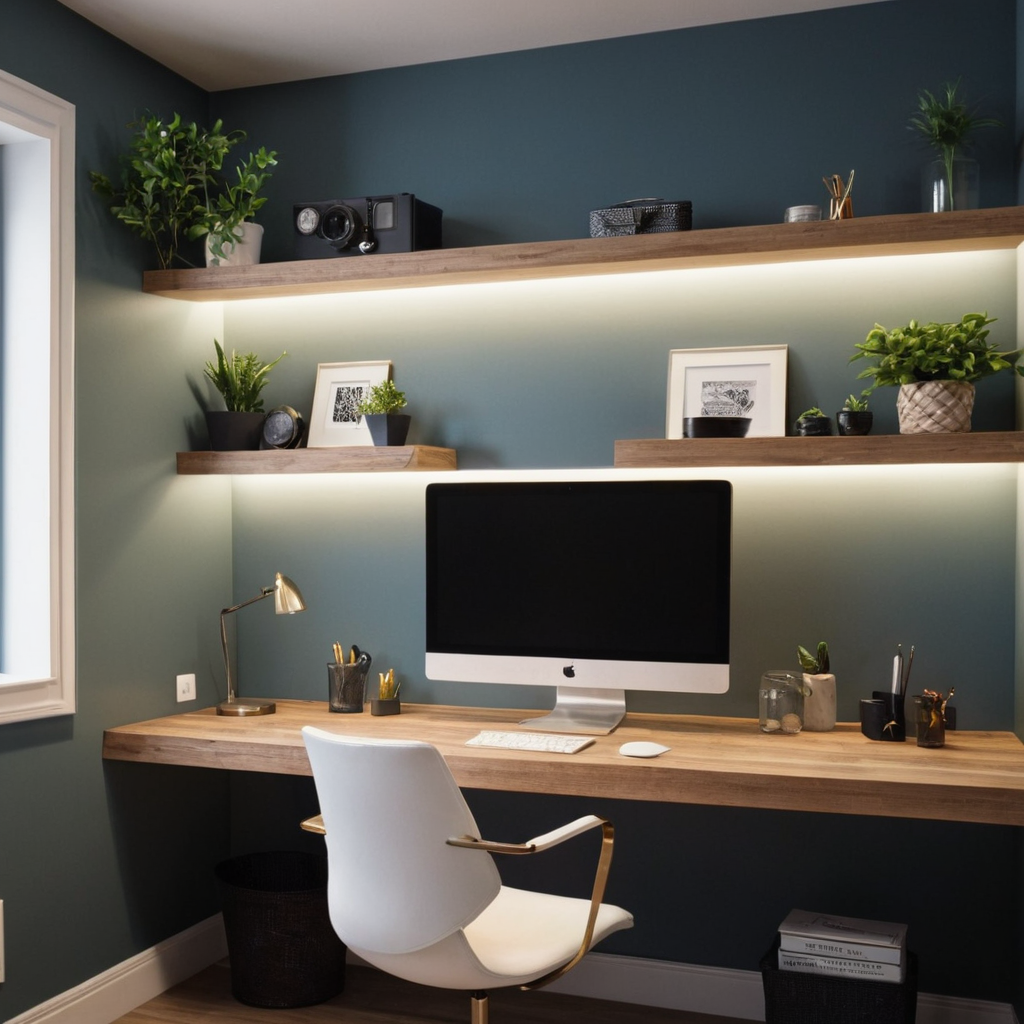
Effective use of storage can transform an otherwise cluttered space into a neat and functional area for work. Vertical storage solutions, like shelves or tall cabinets, can help maximize the limited floor space in most home offices.
Utilize the walls by installing shelving units to store books, binders, and other office supplies. Floating shelves are stylish and free up valuable desk space, keeping your area clear and organized.
6. Choose Color Wisely
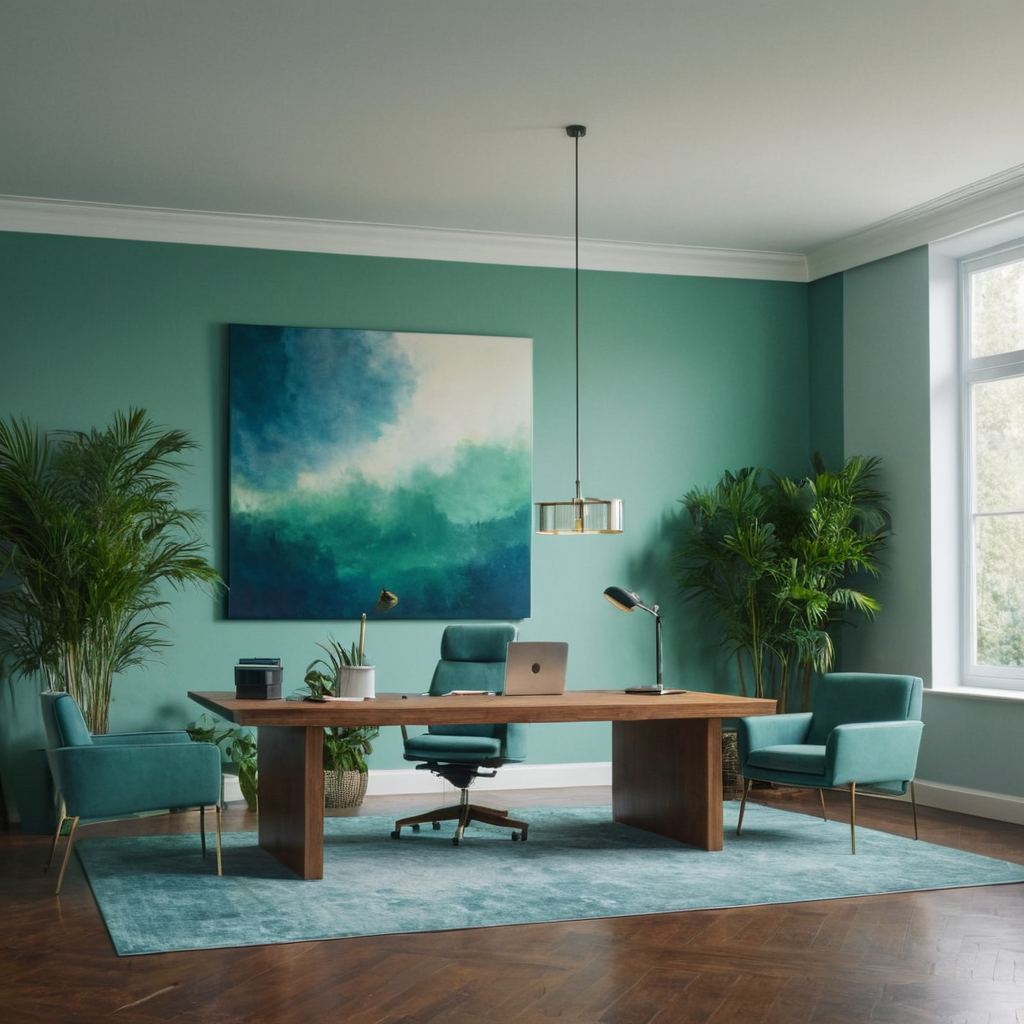
Colors can have a significant impact on your mood, focus, and overall productivity levels. Certain colors are known to stimulate creativity or promote relaxation, making them ideal for different areas of your home office.
Opt for calming blues and greens in the main work area if you need help focusing. Use warm yellows and oranges in smaller corners for bursts of energy during brainstorming sessions. Ensure that the color palette complements both functionality and personal style.
7. Integrate Technology Efficiently
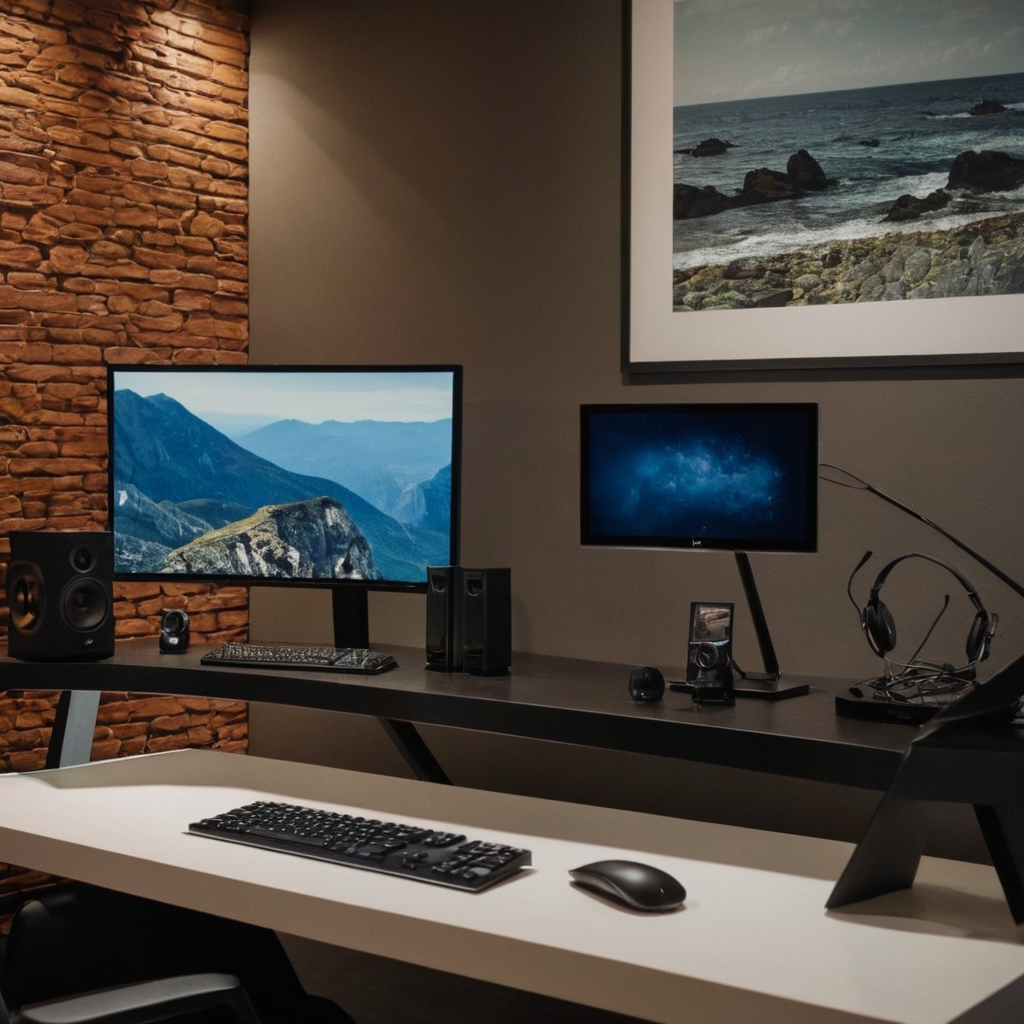
Integrating technology into your home office can enhance productivity but requires careful planning to avoid clutter and ensure a professional appearance. Cables should be organized, and hardware like printers or scanners should be strategically placed.
Use cable management solutions such as clips or boxes to keep cords hidden from view. Position screens at eye level and consider ergonomic keyboards and mice to prevent strain.
8. Ensure Comfortable Seating
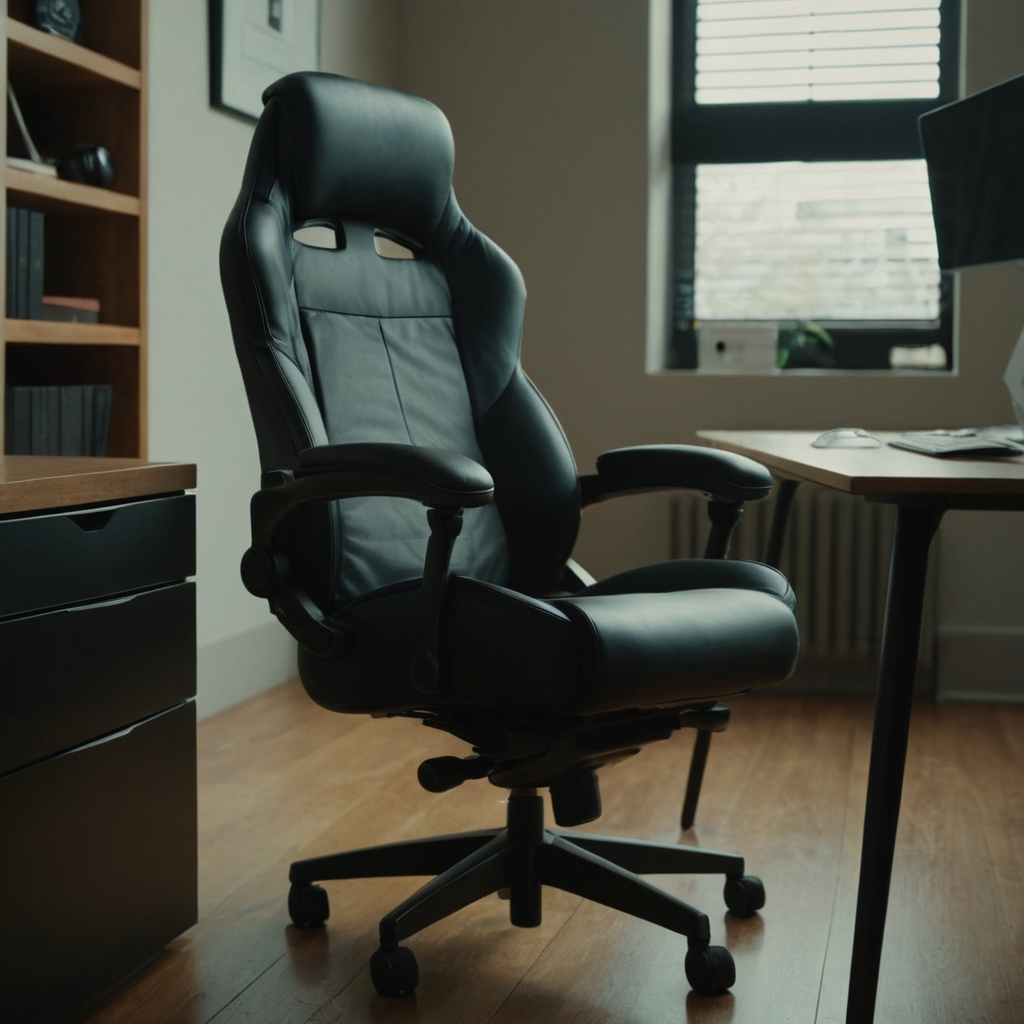
Comfort is key in any long-term workspace, and proper seating can make all the difference between a productive day and one marred by discomfort or pain. Invest in high-quality chairs that support your back and posture.
Look for adjustable features such as seat height, armrests, and lumbar support to accommodate different body types and preferences. Regularly take breaks to stretch and move around, even if just for a few minutes.