1. Optimize Your Layout
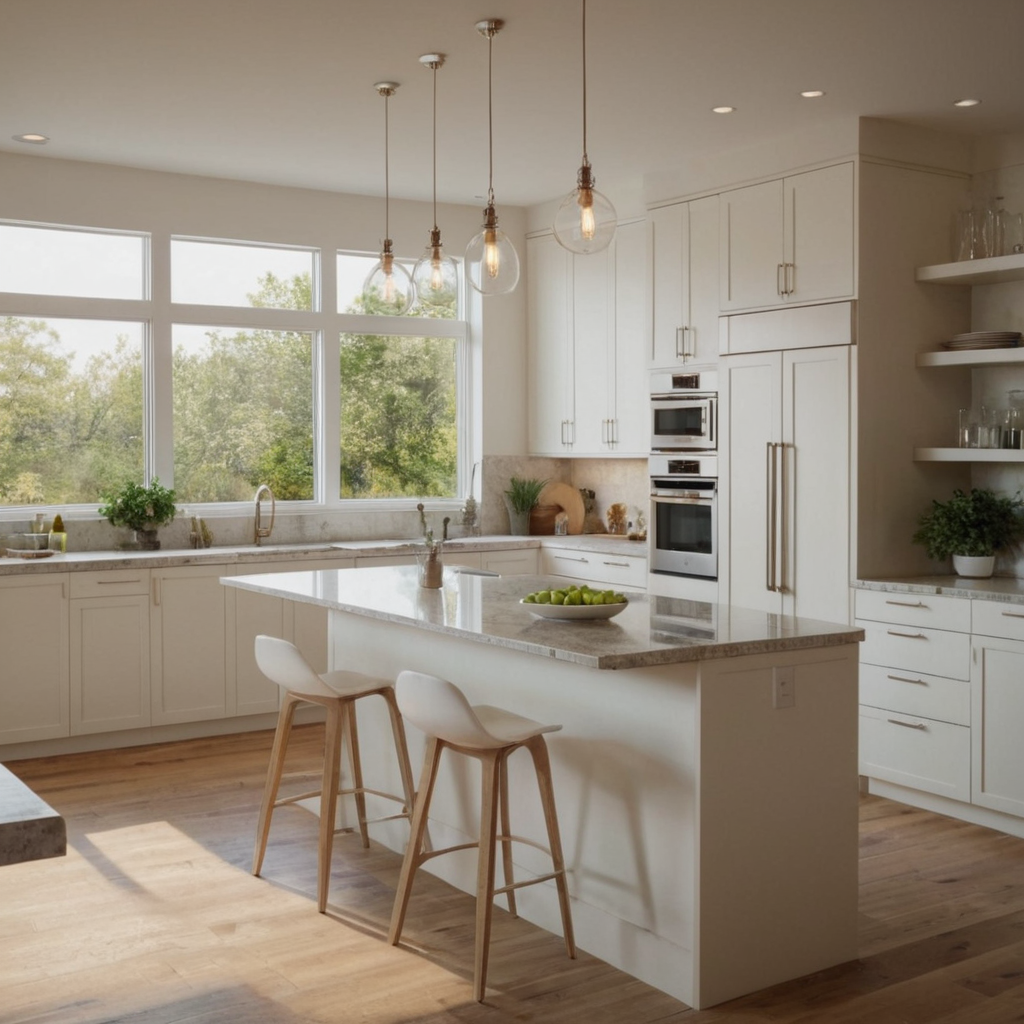
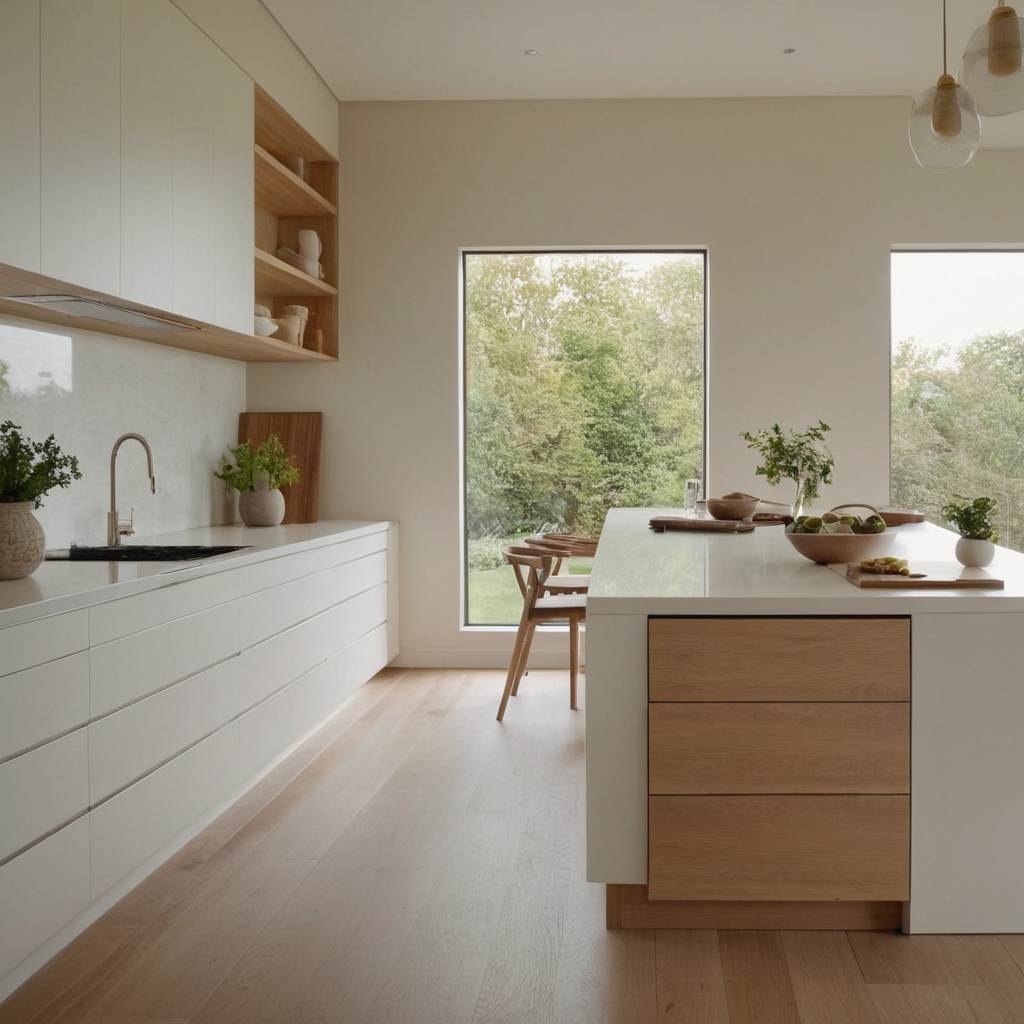
The layout of your kitchen is crucial for both functionality and aesthetics. Consider an open-concept design that connects the kitchen to living areas, fostering a social atmosphere. An L-shaped or U-shaped layout maximizes counter space and storage while maintaining ease of movement.
To implement this idea, assess how you use your current kitchen. If cooking is a focal point, consider a central island with seating for casual dining. Ensure there’s ample room around major appliances and create zones for prep, cooking, and cleanup.
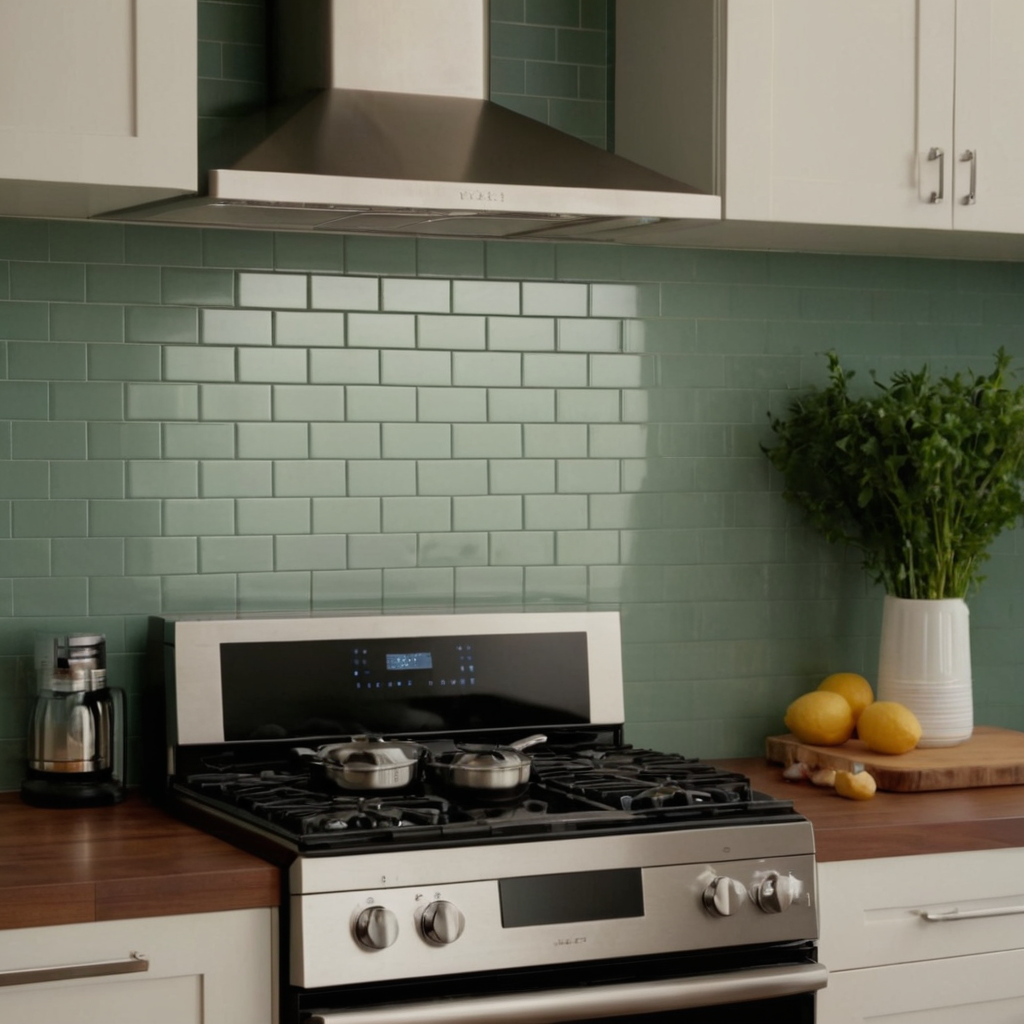
2. Choose the Right Backsplash Tiles
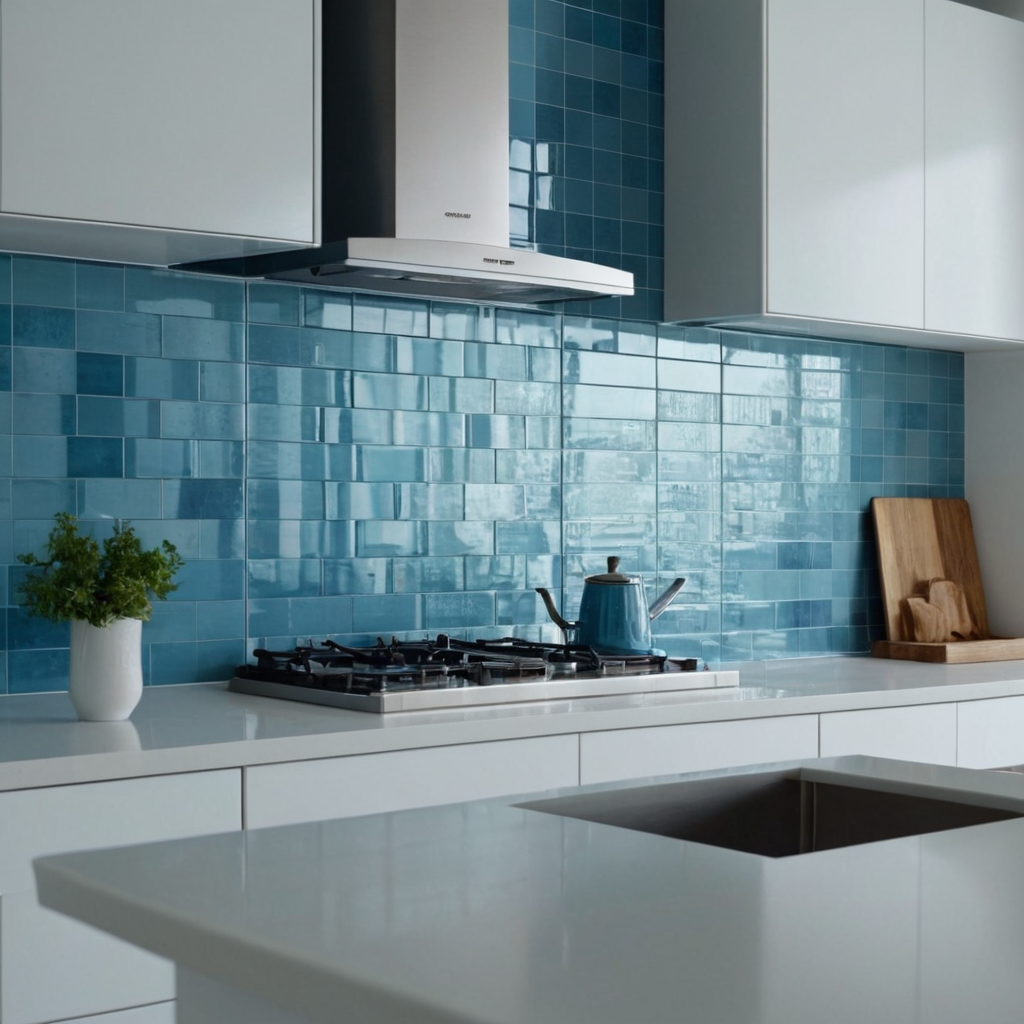
Backsplash tiles can transform a kitchen’s look, adding texture or bold color that complements your overall design theme. Consider materials such as glass, ceramic, or natural stone, which offer durability and easy maintenance.
For practicality, opt for matte or semi-matte finishes to reduce glare and hide fingerprints. In terms of styling, mix patterns and colors to create visual interest without overwhelming the space.
3. Incorporate Smart Cabinetry
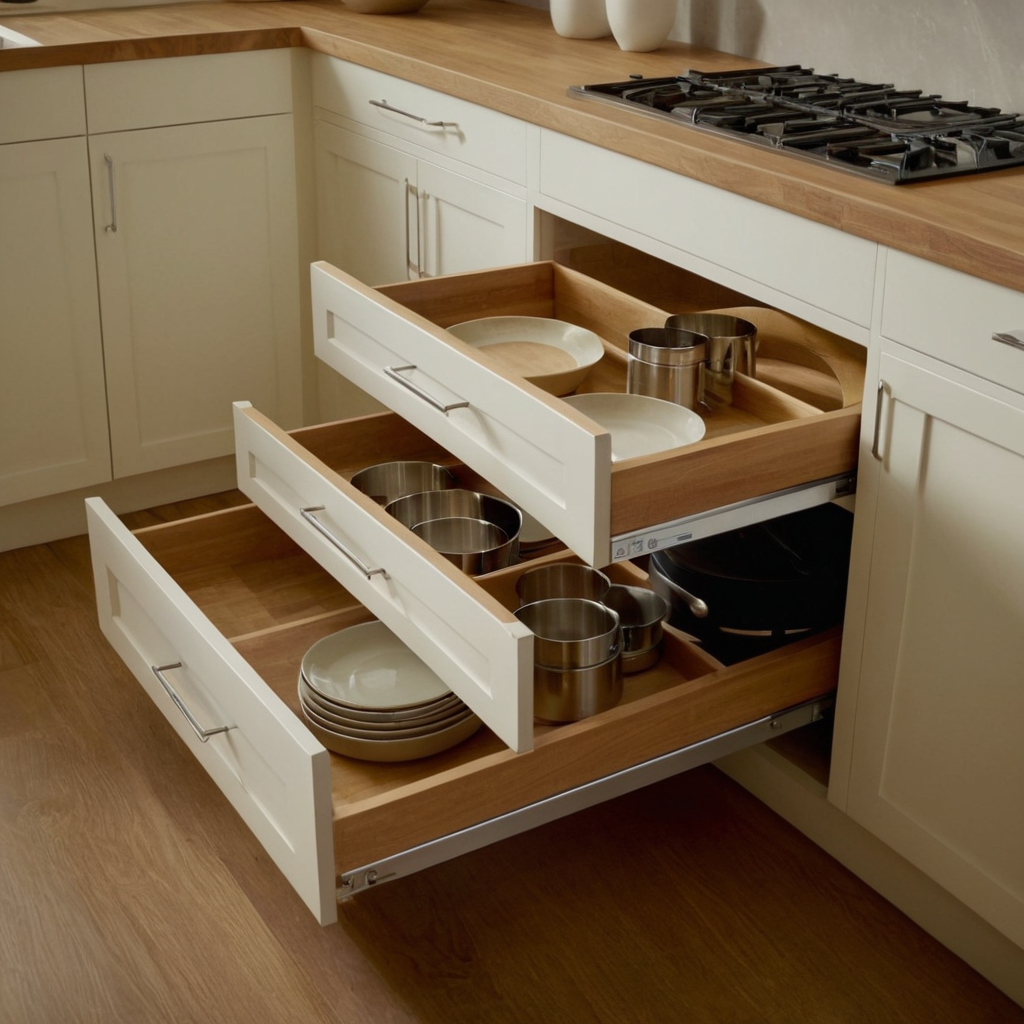
Smart cabinetry can significantly enhance both the storage capacity and visual appeal of your kitchen. Features like pull-out drawers, lazy susans, and spice racks make organizing a breeze while keeping everything within easy reach.
Consider high-quality hardware that complements your chosen style, whether contemporary or traditional. Use contrasting colors for drawer fronts to add a pop of color or texture without clashing with other elements in the kitchen.
4. Add a Statement Island
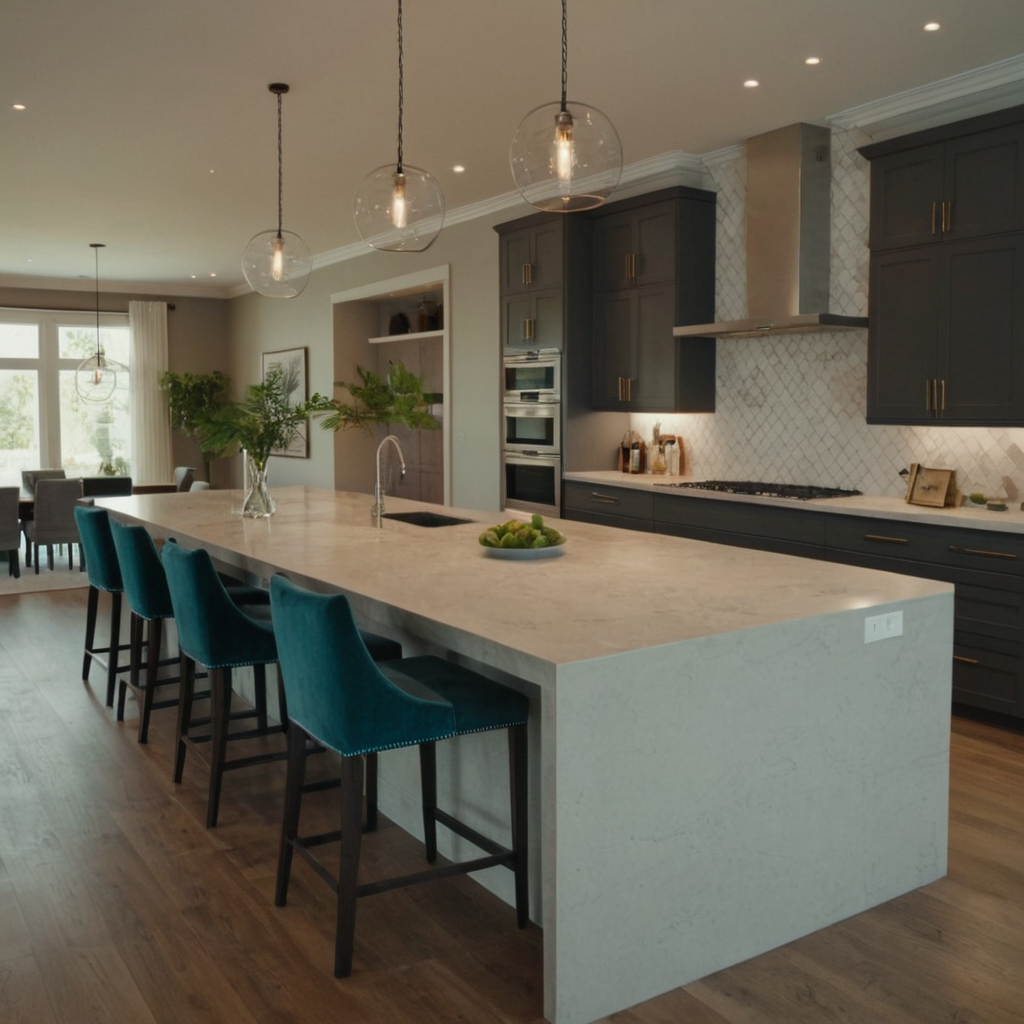
An island can serve both as a workspace and a central gathering point, particularly if equipped with seating. Consider the size of your kitchen when choosing an island, ensuring it doesn’t overwhelm the space but provides enough surface area for multiple tasks.
To complement the rest of your design, match the materials used on the island to those in other areas, such as using the same countertop material or similar cabinetry finishes.
5. Utilize Natural Light
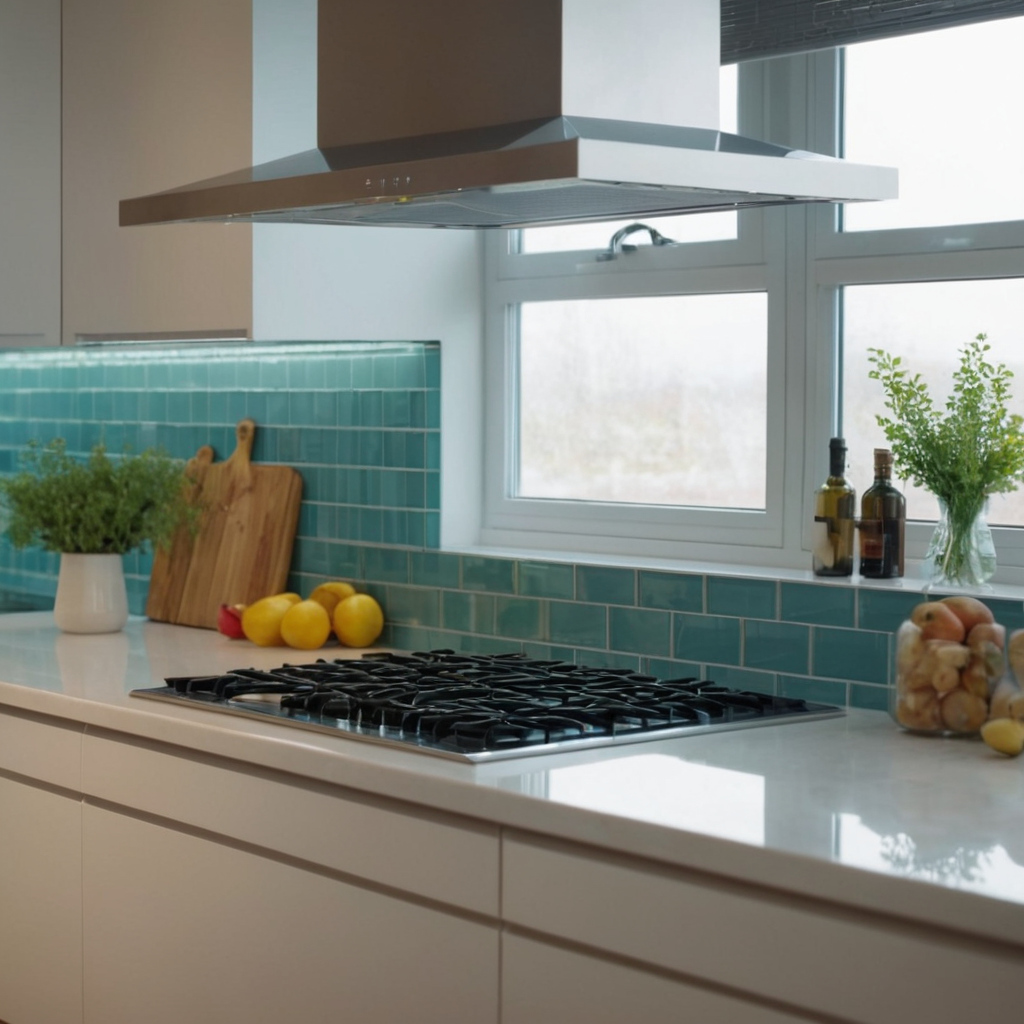
Natural light can transform the feel of any space, making kitchens appear larger and more inviting. Large windows or skylights can flood your kitchen with sunlight, enhancing its overall ambiance.
If you have limited natural lighting options, consider adding reflective surfaces like glass tiles or mirrored backsplashes to bounce available light around the room.
6. Choose Durable Countertops
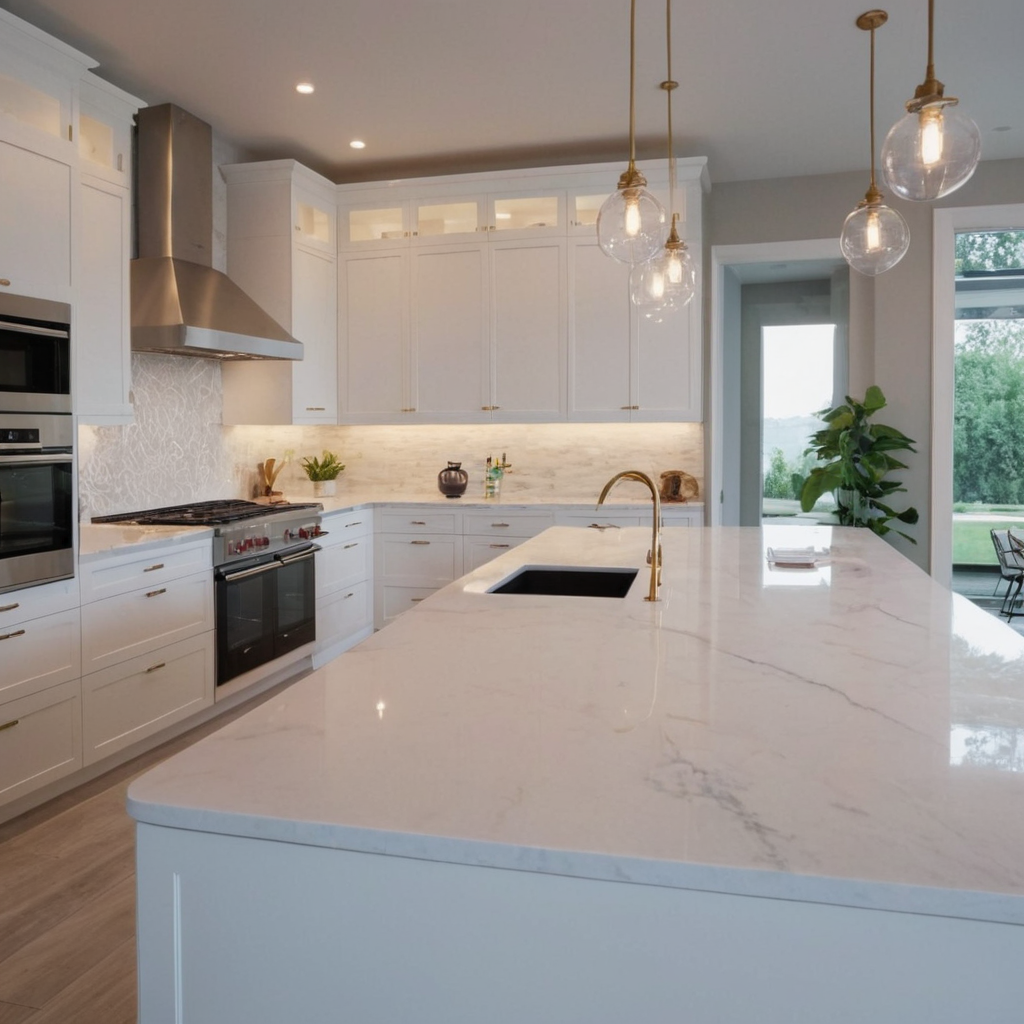
Countertops are one of the most used surfaces in any kitchen, so durability is key. Options like granite, quartz, and marble offer a mix of beauty and resilience against daily wear and tear.
When selecting your countertop material, consider how it complements your cabinetry and overall design theme. For instance, dark countertops can make light-colored cabinets pop, while lighter stones provide a clean, fresh look.
7. Select Functional Lighting
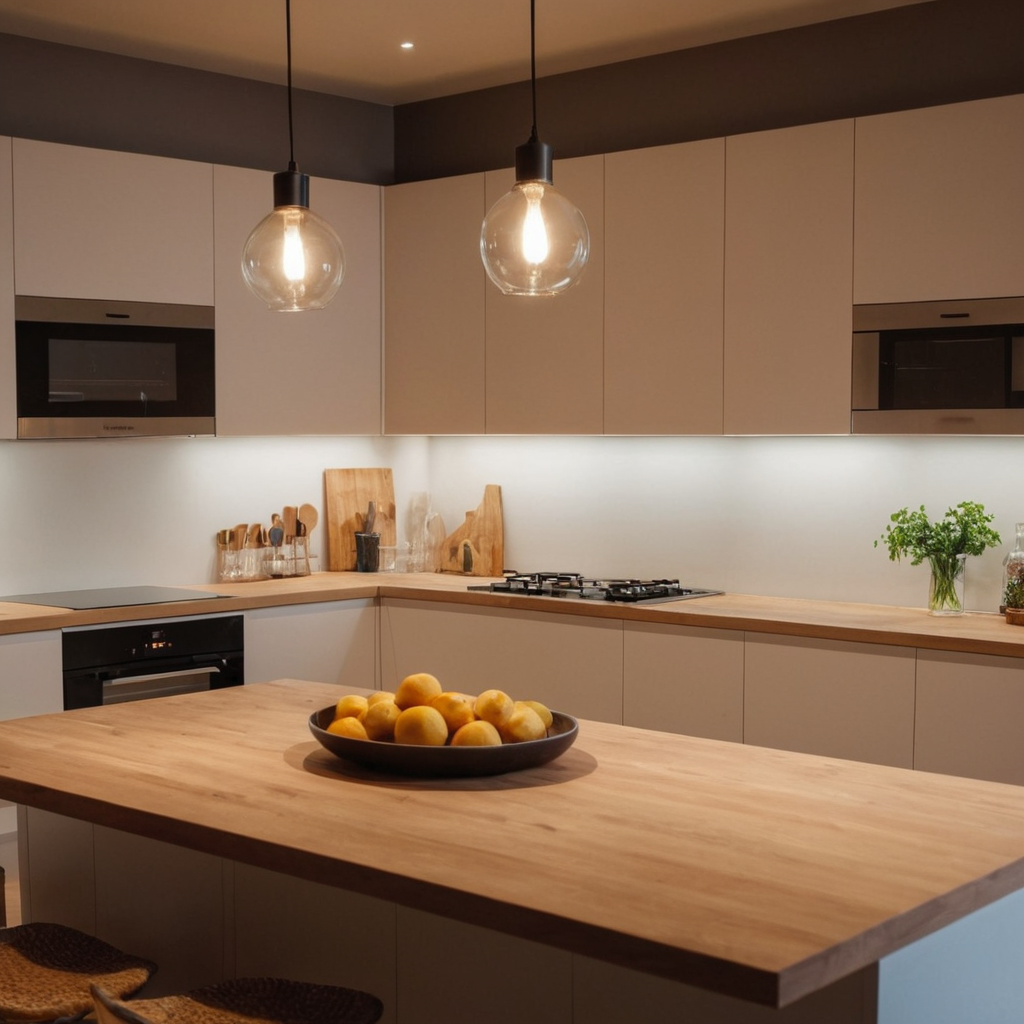
Effective lighting enhances both the appearance and functionality of your kitchen. A combination of ambient, task, and accent lighting can cater to various needs throughout the day.
Install under-cabinet lights for task illumination over work surfaces, pendant or island lights for a focal point, and recessed ceiling fixtures for general overhead light. Dimmable switches allow you to adjust the intensity based on your activities.
8. Add a Pop of Color or Texture
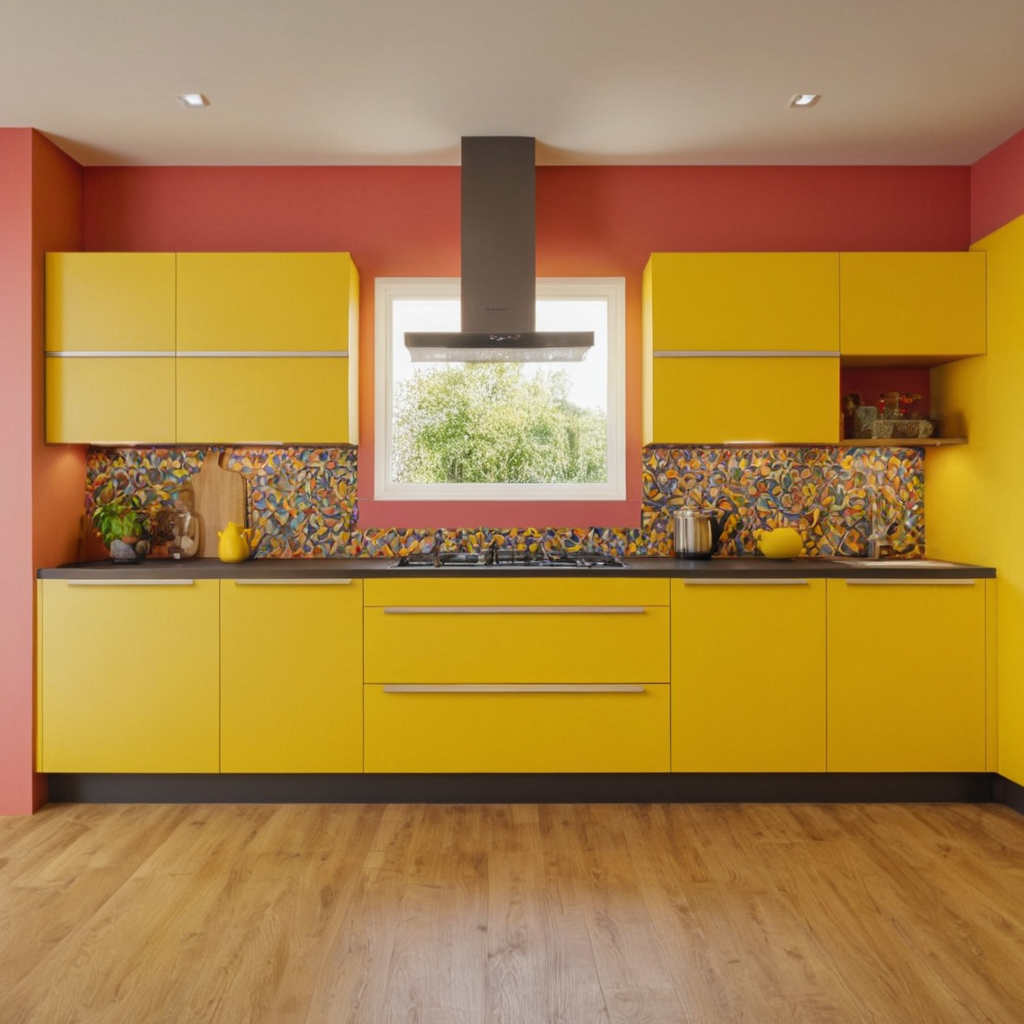
Introducing a splash of color or unique texture can make your kitchen stand out. This could be through paint, colorful cabinetry hardware, or patterned tiles.
Choose one focal point to apply the most vibrant elements—whether it’s an accent wall, statement backsplash, or a brightly colored island. Ensure that this bold element coordinates well with other neutral tones in the room for balance.