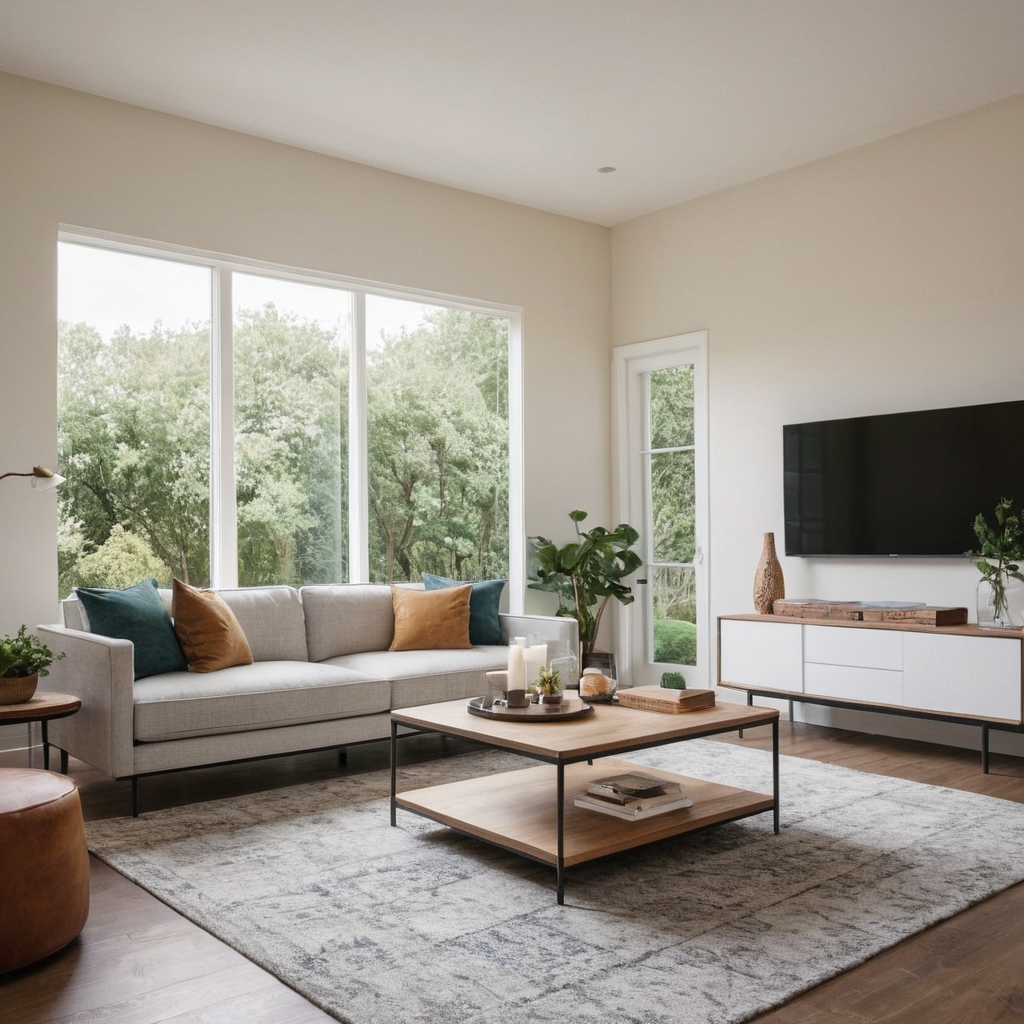
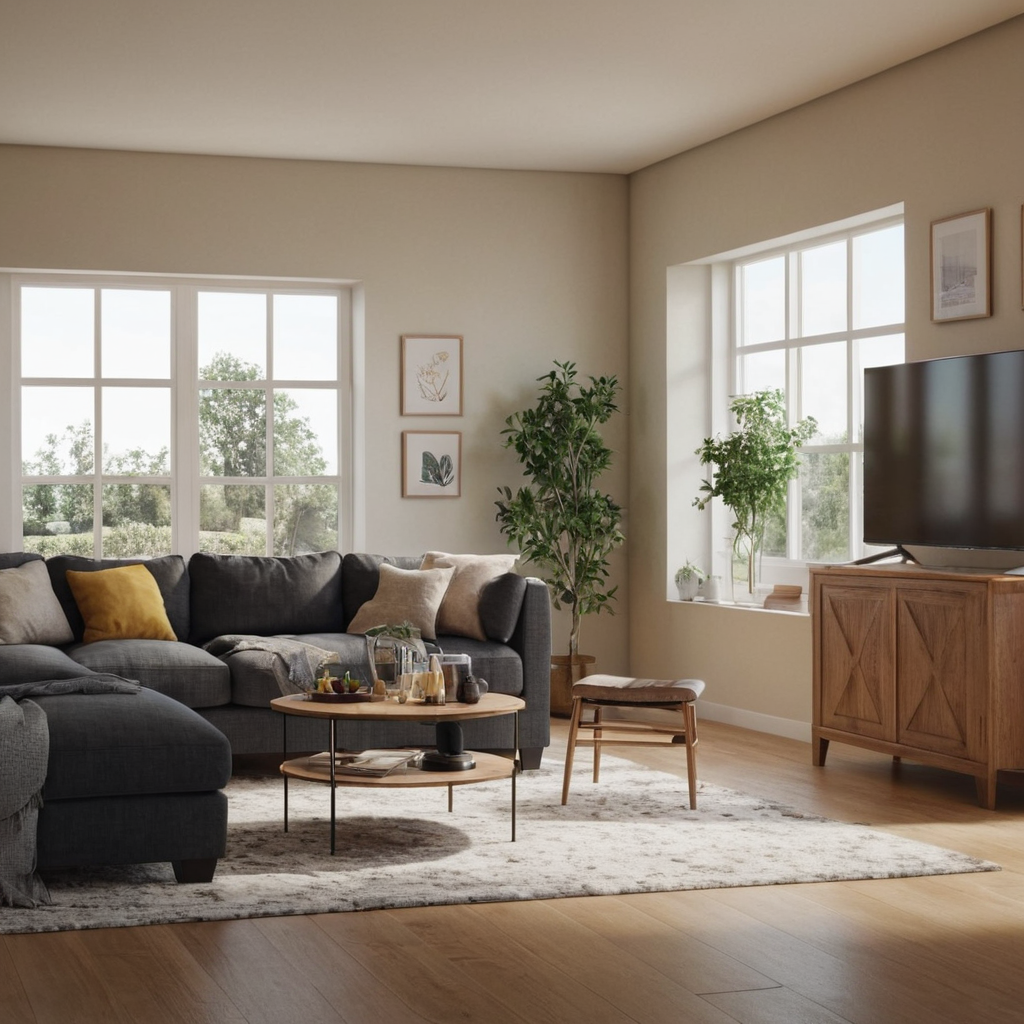
1. Consider the Room’s Functionality
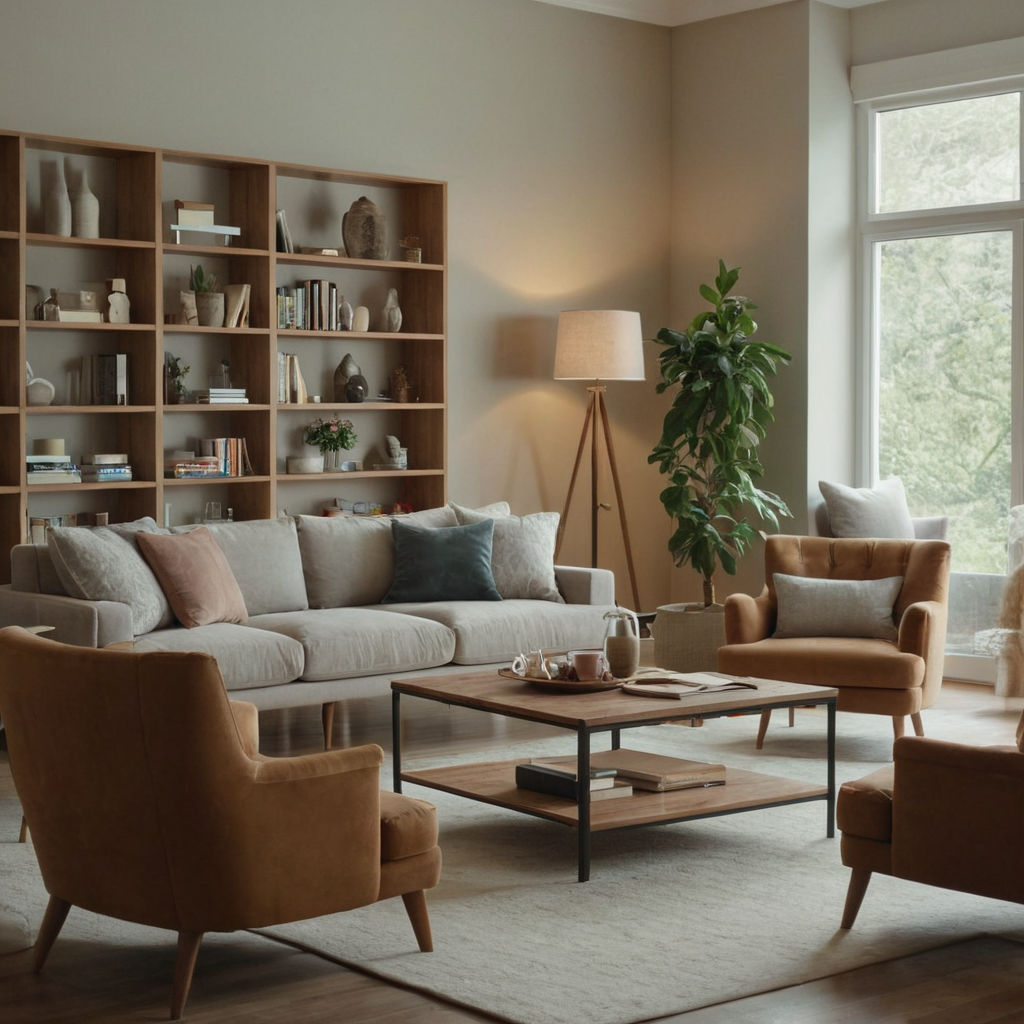
Understanding the primary use of a room is crucial when selecting furniture. A living room may need comfortable seating for relaxation, whereas an office requires desk and chair combinations that support productivity. When choosing furniture, think about what activities will take place in the space to ensure your pieces serve their intended purpose effectively.
For example, if you’re furnishing a home library, focus on items like bookcases with ample storage and comfortable reading chairs. For a family room, consider a mix of seating options that can accommodate both relaxation and social interaction.
2. Choose Durable Materials

Investing in furniture made from durable materials is key to longevity and quality appearance over time. Wood, metal, and high-quality fabrics are examples of materials that can withstand regular use and maintain their look longer than cheaper alternatives.
When shopping for pieces like dining tables or sofas, check the material composition and construction quality. Solid wood frames and sturdy joinery on wooden furniture ensure it will last. For upholstery, opt for stain-resistant fabrics such as microfiber or leatherette.
3. Scale and Proportion Matter
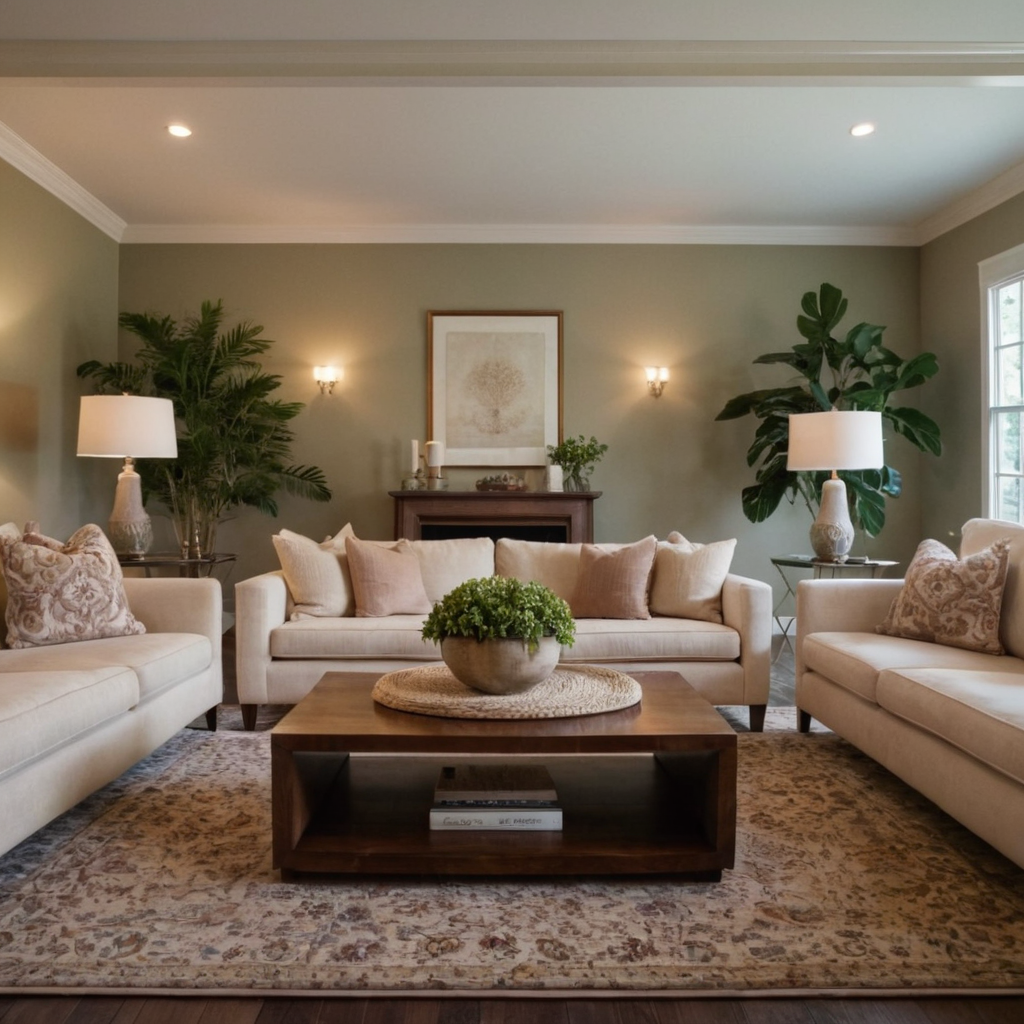
The size of furniture in relation to the space it occupies is critical for a balanced look. Oversized pieces can overwhelm smaller rooms, while tiny furnishings may appear lost in larger areas. Proper scaling helps create a harmonious environment that feels both spacious and cozy.
To ensure correct proportions, measure your room dimensions before shopping. Use these measurements as a guide to determine the appropriate sizes of furniture you should consider. For instance, a living room with an area rug can serve as a visual boundary for seating arrangements.
4. Mix Materials and Textures
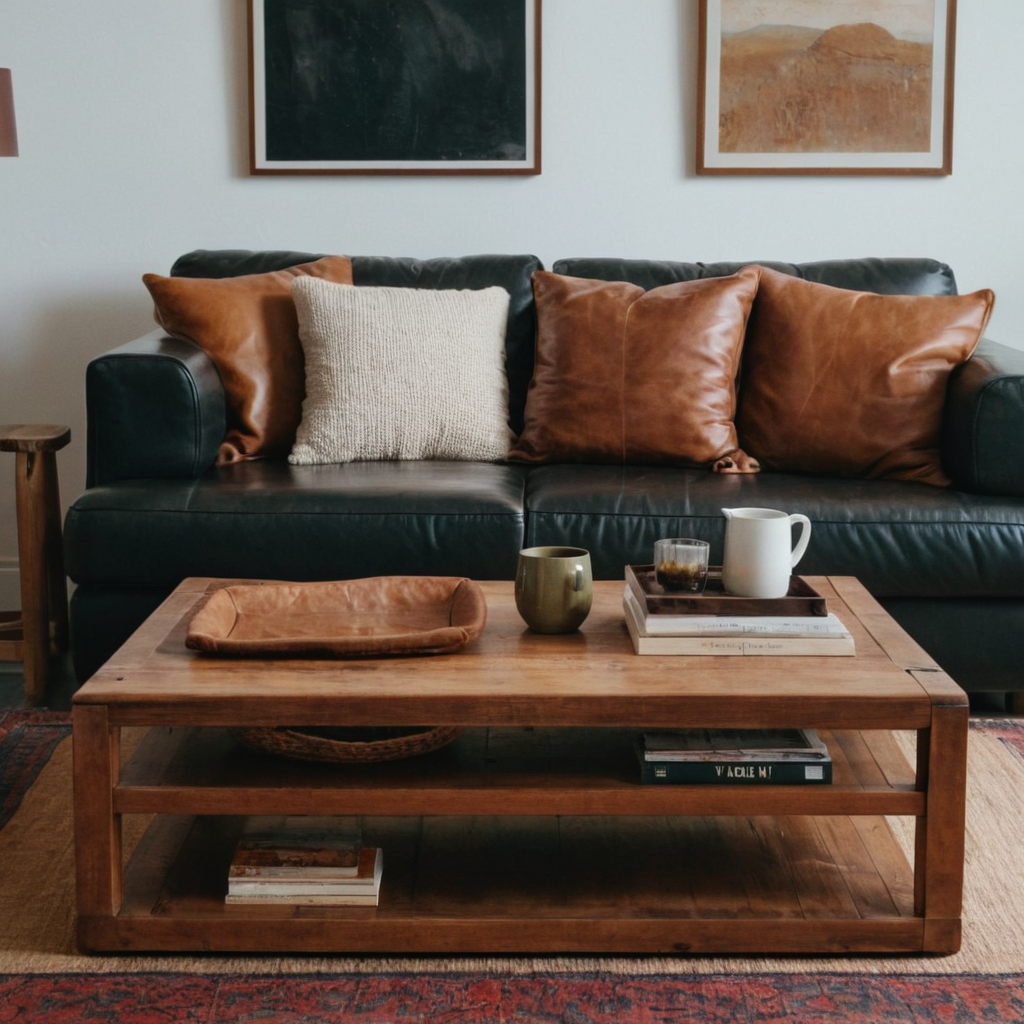
Creating visual interest in your home is best achieved by mixing different materials and textures within the same space. Combining hard surfaces with soft ones can soften harsh lines while adding depth to your decor.
Try layering textiles like rugs, cushions, and throws over metal or wood furniture to bring warmth into a room. For example, pair a sleek glass coffee table with a plush velvet sofa to contrast textures beautifully.
5. Invest in Quality Seating
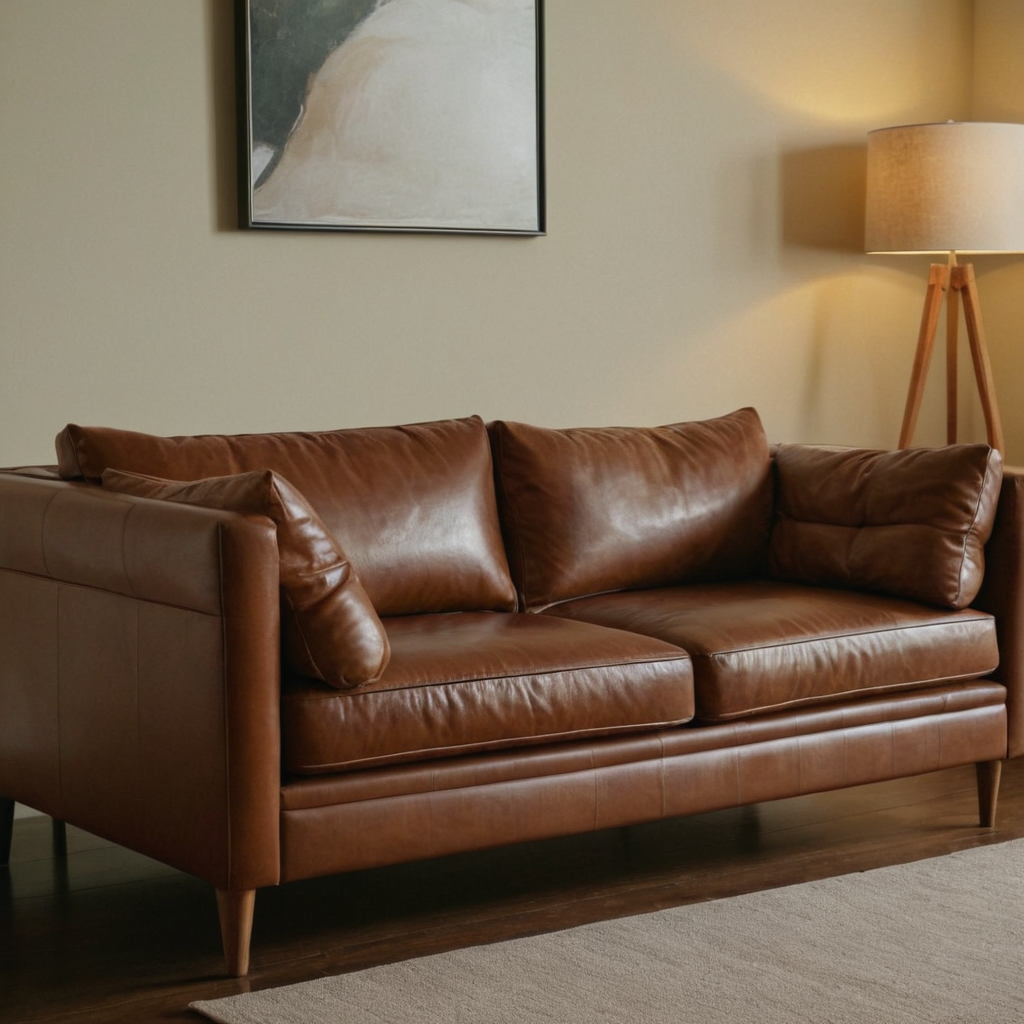
Your seating choices are central to any living space’s comfort and aesthetics. Comfortable chairs and sofas not only provide a relaxing retreat but also serve as the focal point of your decor.
Prioritize quality over quantity when it comes to seating. Look for pieces with solid wood frames, sturdy construction, and high-quality cushions that retain their shape over time. For example, an ergonomic armchair can make reading or working from home more enjoyable.
6. Balance Style and Functionality
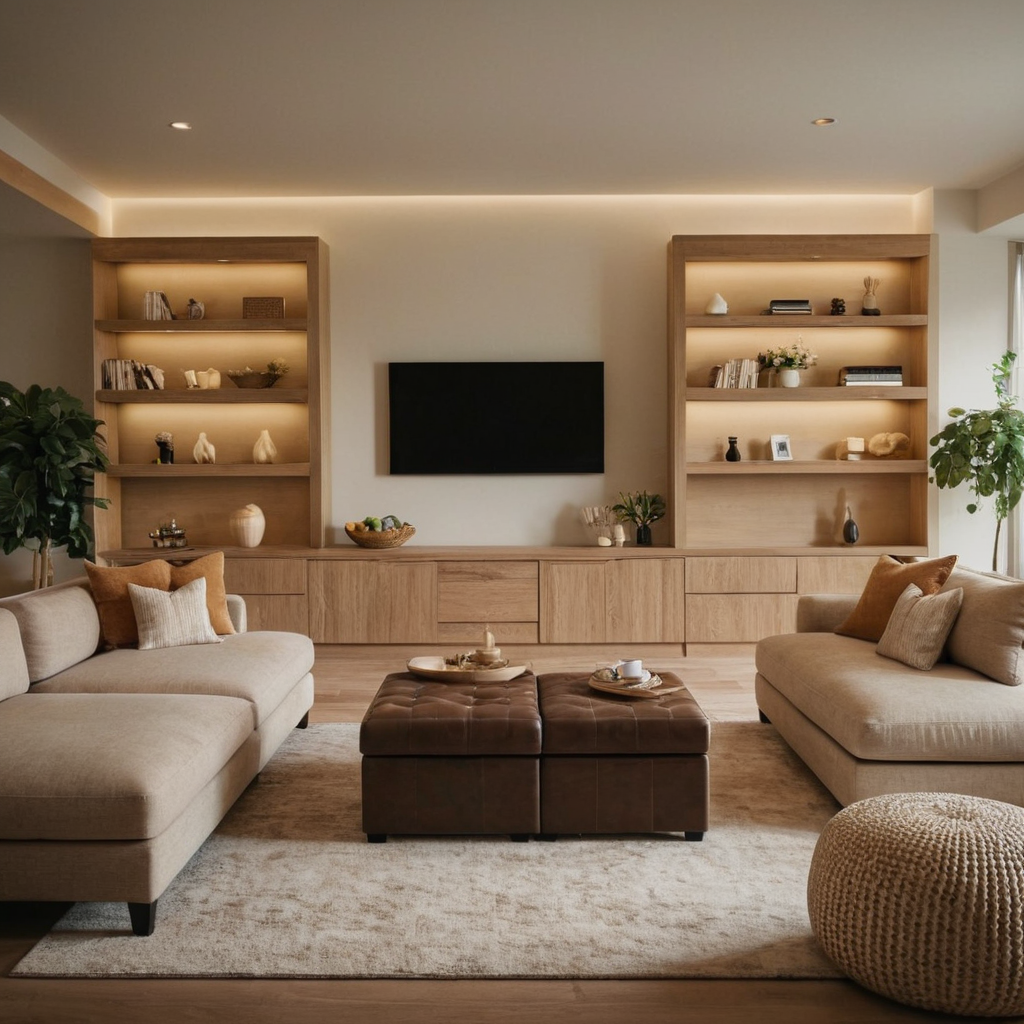
Balancing style with functionality ensures your furniture not only looks good but serves its purpose well too. Aesthetic appeal is important, but practicality should also be considered to avoid clutter or inefficiency.
For instance, if you have limited storage space, opt for multi-functional pieces like ottomans with hidden storage compartments. This approach helps in maintaining a neat and organized living environment while adding decorative elements.
7. Embrace Your Personal Style
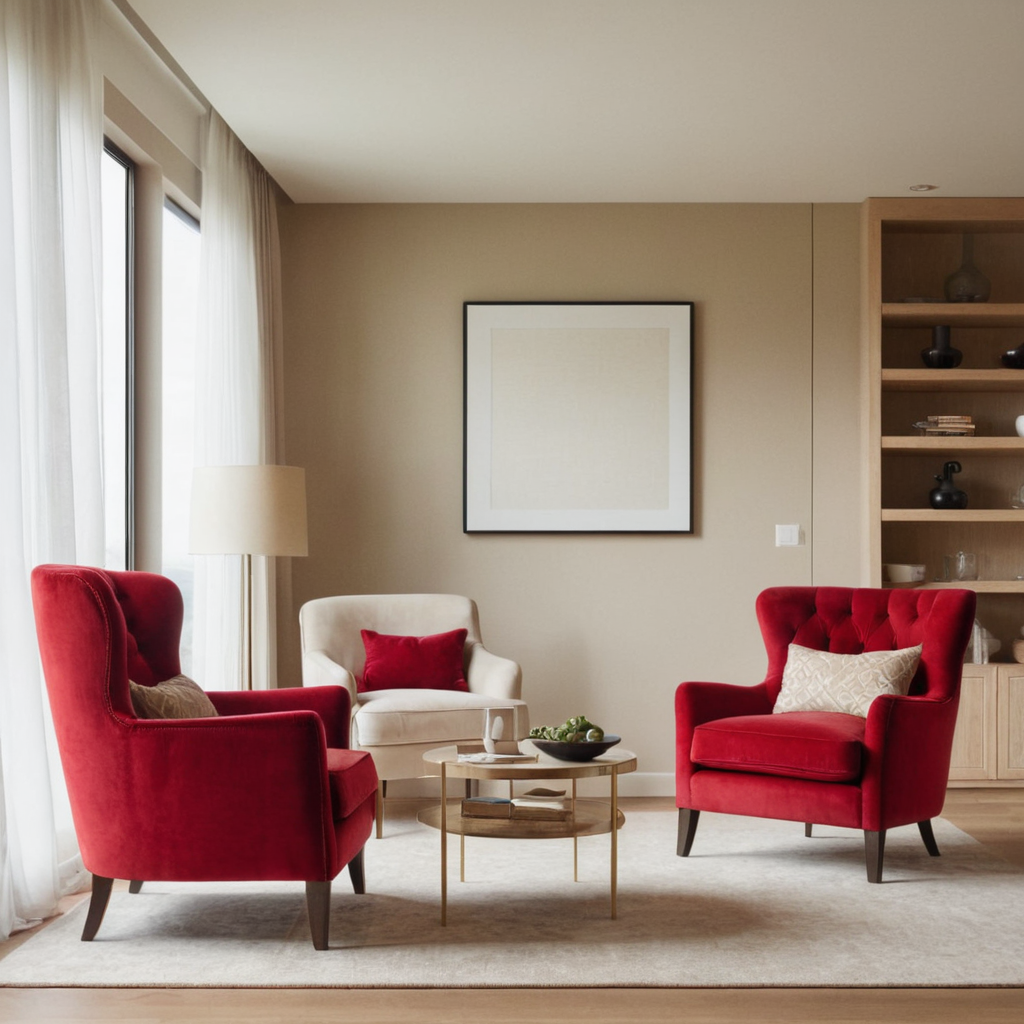
Your home should reflect your personality and taste. Incorporating items that speak to you personally can make a space feel truly unique and inviting.
Consider integrating statement pieces that resonate with your style, whether it’s an antique desk in your office or a vibrant accent chair in the living room. These elements help tell your personal story through your home decor.
8. Plan for Future Needs
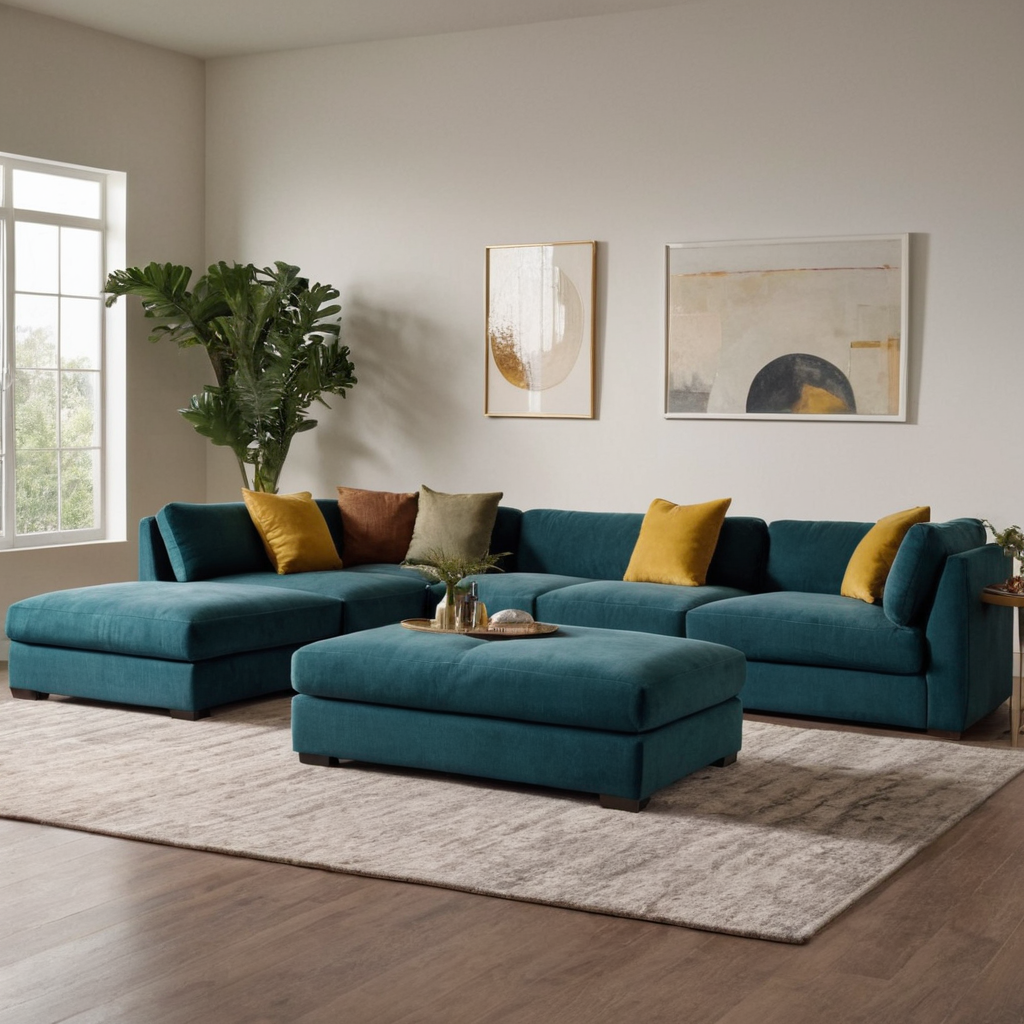
When selecting furniture, think about how it might serve you in the future. Flexibility and adaptability can be key when considering long-term home needs.
For example, choosing modular shelving units or sectionals that can grow with your collection or family size is wise. Investing in pieces that have multiple uses or can easily transition into different rooms as your living situation evolves is a smart decision.