1. Open Shelving for a Minimalist Look
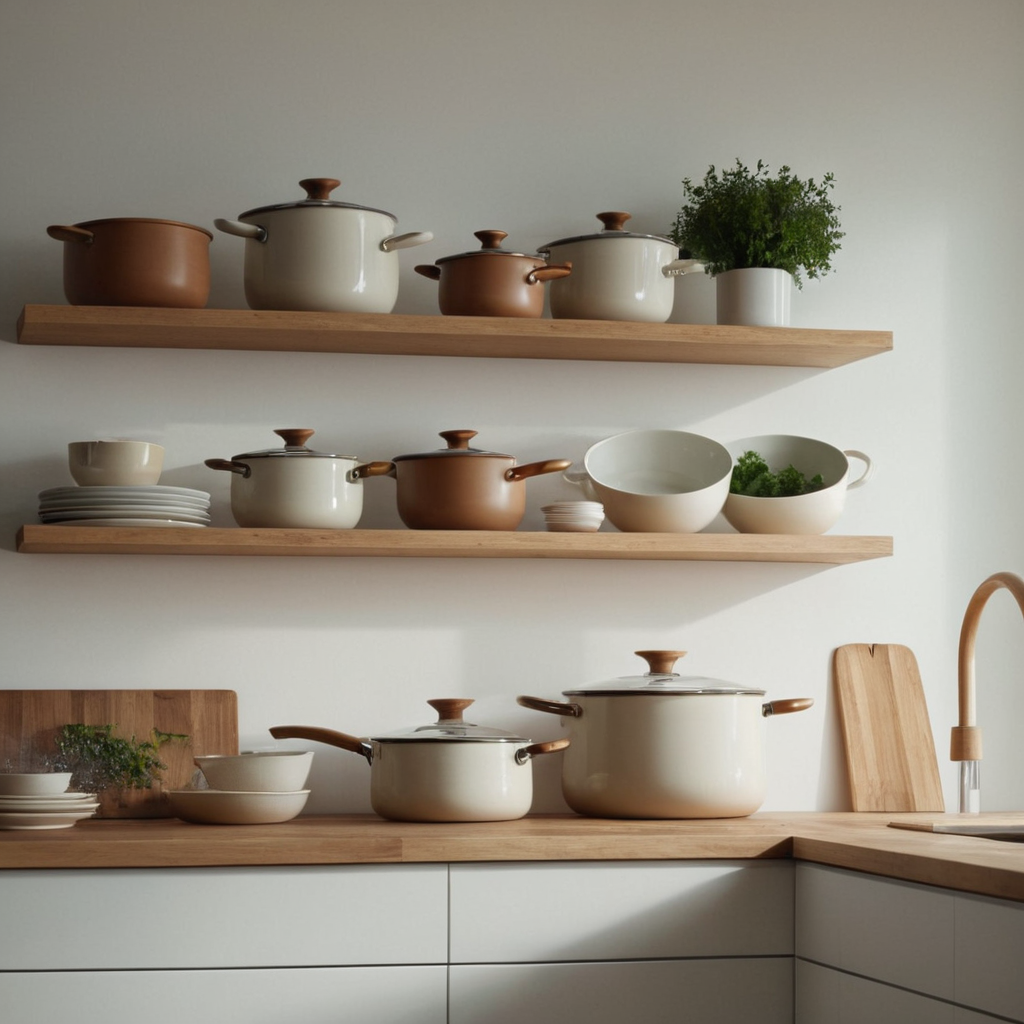
Open shelving can make your kitchen feel more spacious and airy, showcasing stylish cookware and dishware that doubles as decorative elements. This design approach is ideal if you’re seeking a minimalist aesthetic with an emphasis on clean lines and simplicity.
To implement open shelving effectively, choose sleek and neutral-colored plates or glassware to avoid visual clutter. Use baskets or trays for additional storage of items like napkins or utensils. Opt for floating shelves with slim profiles to maintain the minimalistic theme.
2. Incorporate Smart Cabinetry for Enhanced Functionality
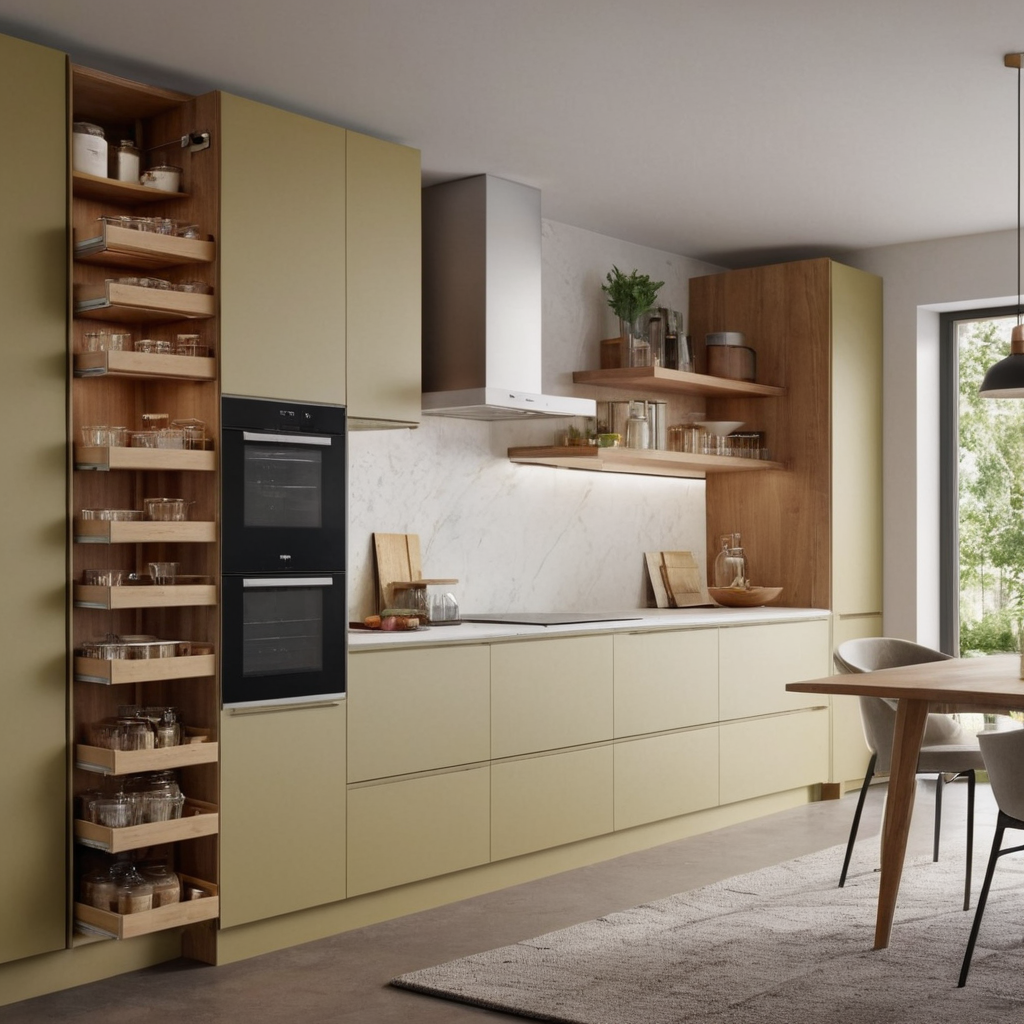
Smart cabinetry solutions can transform your cooking experience by providing efficient storage and accessible organization within a limited space. Features like pull-out pantries, drawer dividers, and rotating shelves ensure that everything has its place and is easily reachable.
When choosing smart cabinetry, consider the layout of your kitchen to maximize vertical and horizontal spaces. Opt for materials that complement your design style, such as matte finishes or sleek handles, to maintain a cohesive look.
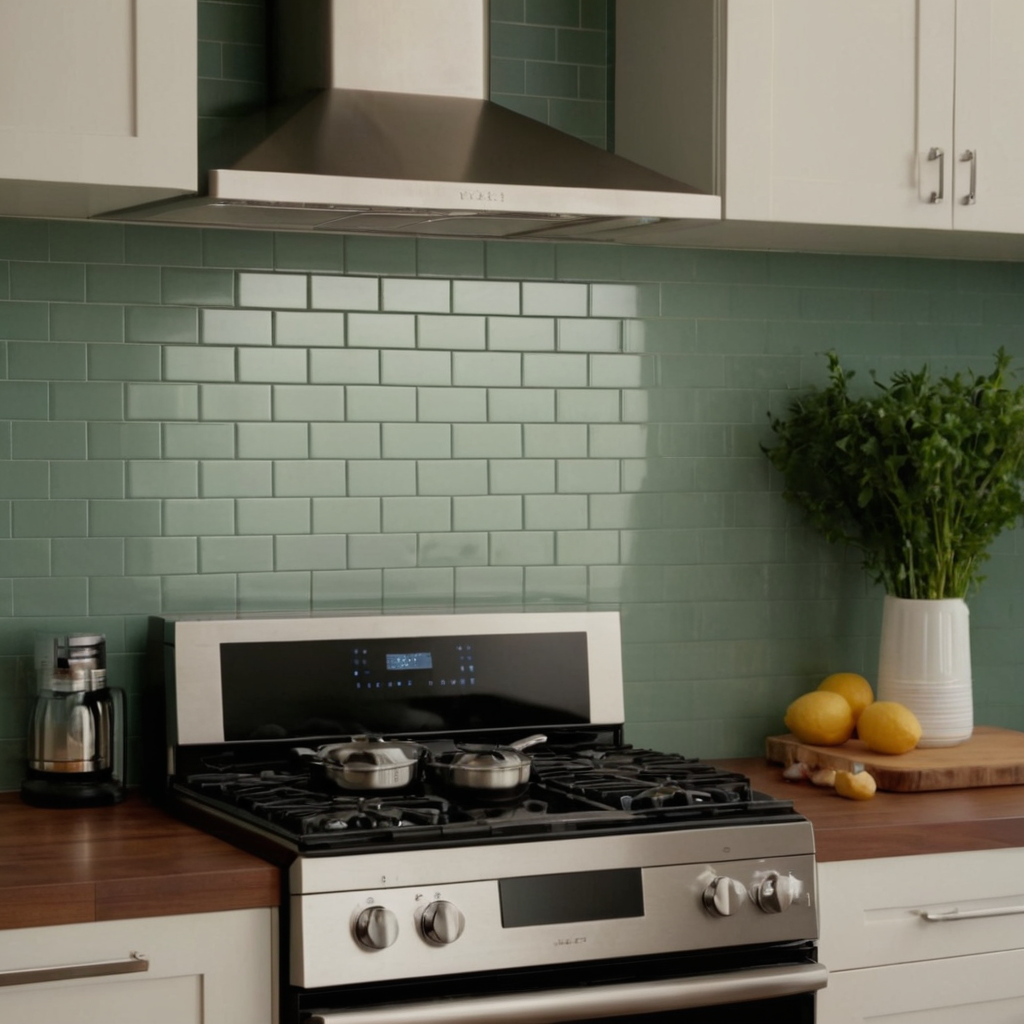
3. Use Colorful Backsplash Tiles for a Bold Statement
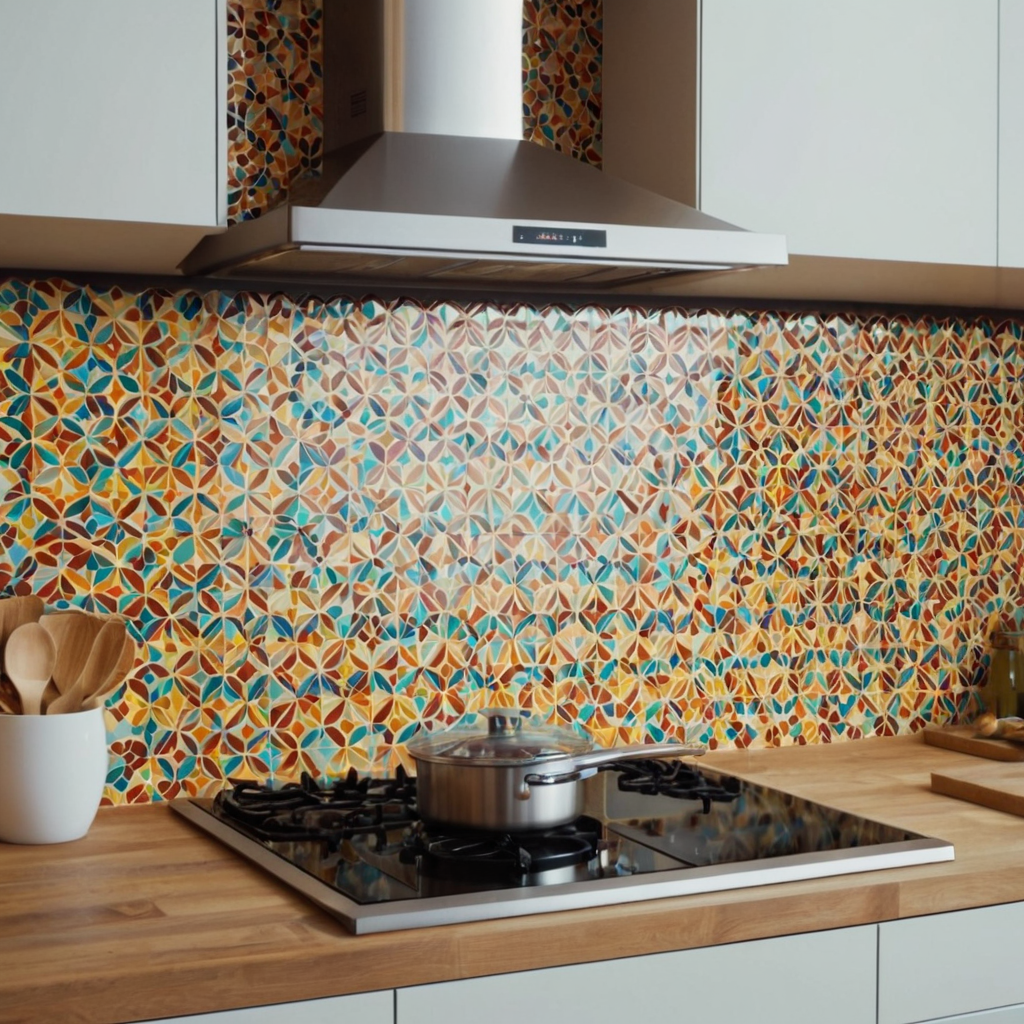
A colorful backsplash can serve as the focal point of your modern kitchen, adding a splash of personality to an otherwise neutral space. Using vibrant or contrasting tiles can create visual interest and tie together other design elements.
When selecting backsplash tiles, consider how they will complement your overall color palette and cabinetry style. Opt for geometric patterns or unique shapes that enhance the contemporary feel of your kitchen. Ensure the grout color complements the tile to maintain a cohesive look.
4. Integrate Sustainable Materials for Eco-Friendly Style
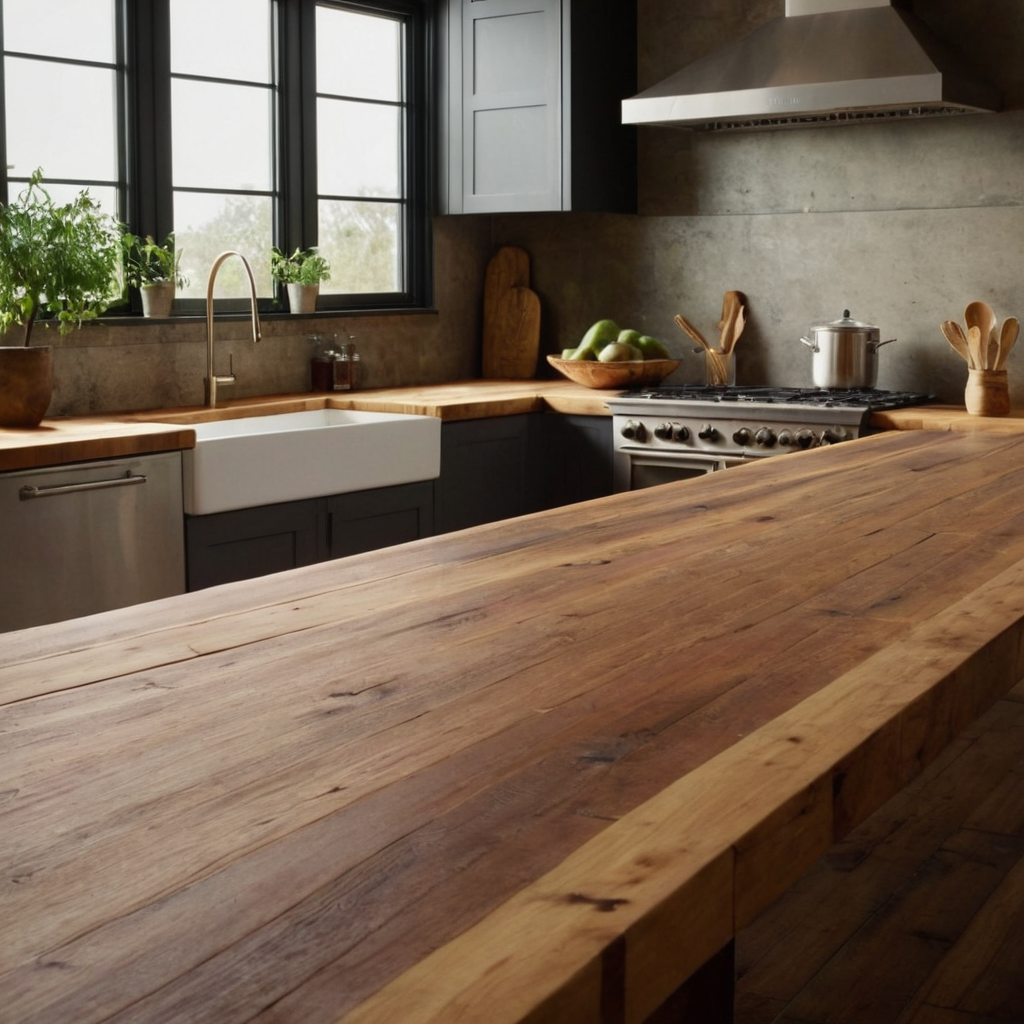
Sustainable materials are not only good for the environment but can also bring a unique aesthetic to your modern kitchen design. Options like reclaimed wood, bamboo, or recycled glass offer both durability and visual appeal.
When incorporating sustainable materials into your kitchen renovation, consider using them in high-traffic areas such as countertops or flooring where they will be most visible. Ensure that the materials complement other elements of your design for a cohesive look.
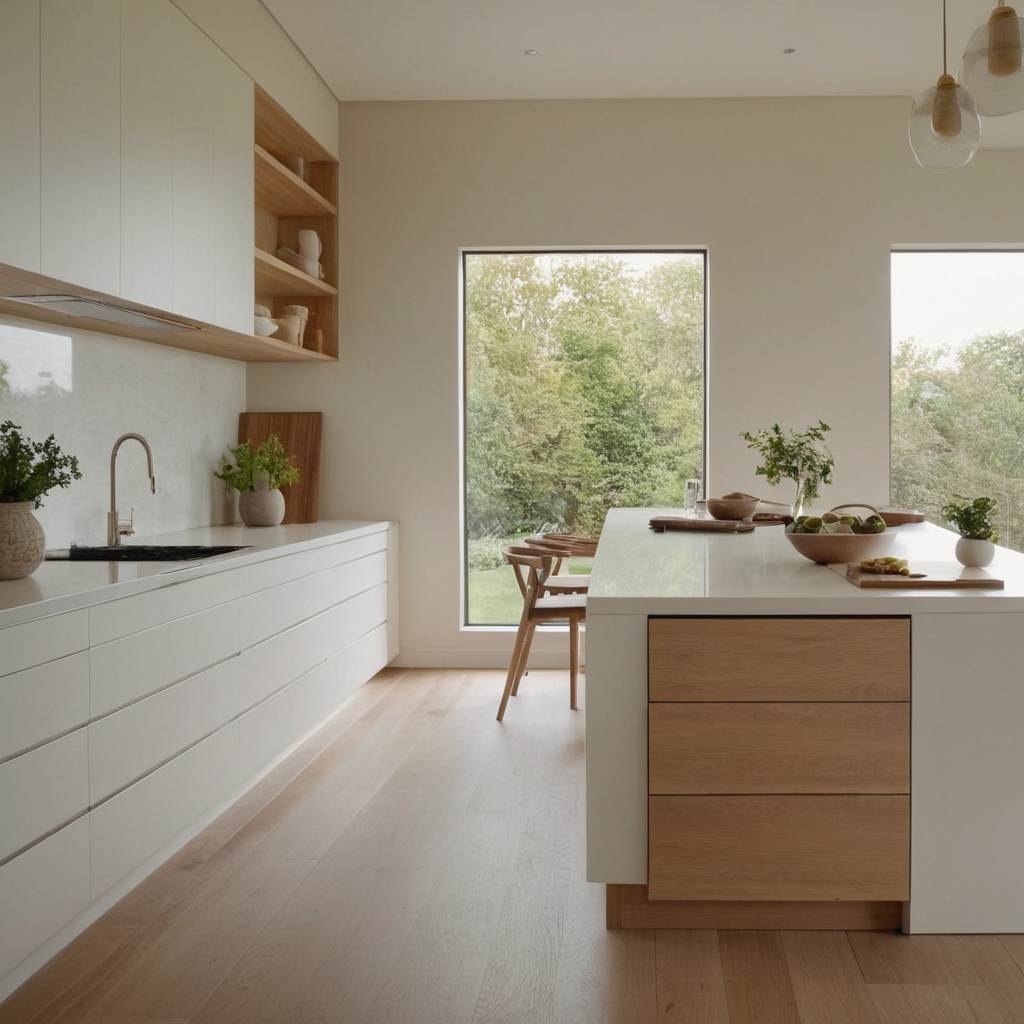
5. Add Biophilic Design Elements for a Relaxing Environment
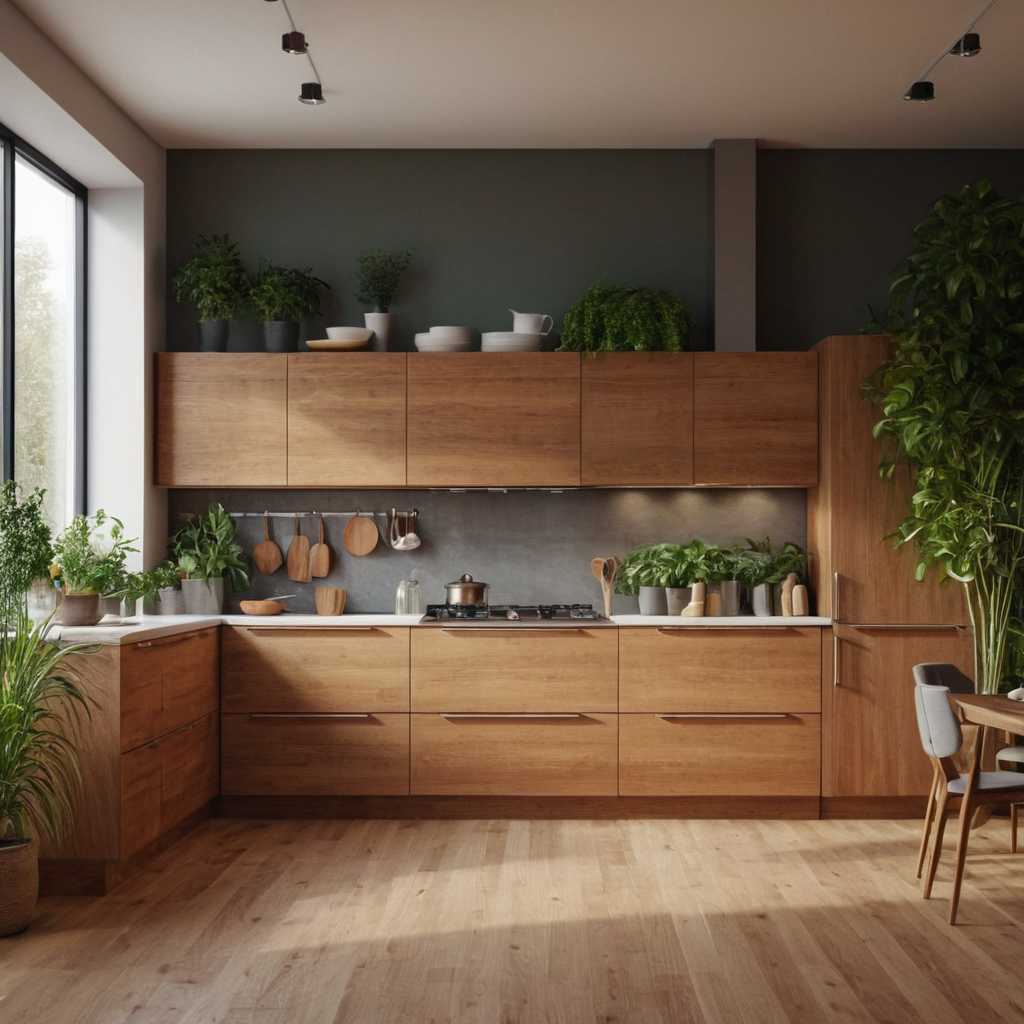
Biophilic design incorporates elements of nature into the built environment to improve well-being and connection with the outdoors. In a kitchen, this can mean integrating plants, natural light, or materials that mimic nature.
To implement biophilic design in your modern kitchen, consider adding large windows for ample sunlight, indoor plants on open shelves, or using warm wood tones for cabinetry. These elements not only enhance aesthetics but also create a more serene and healthy environment.
6. Optimize Lighting for Both Functionality and Ambiance
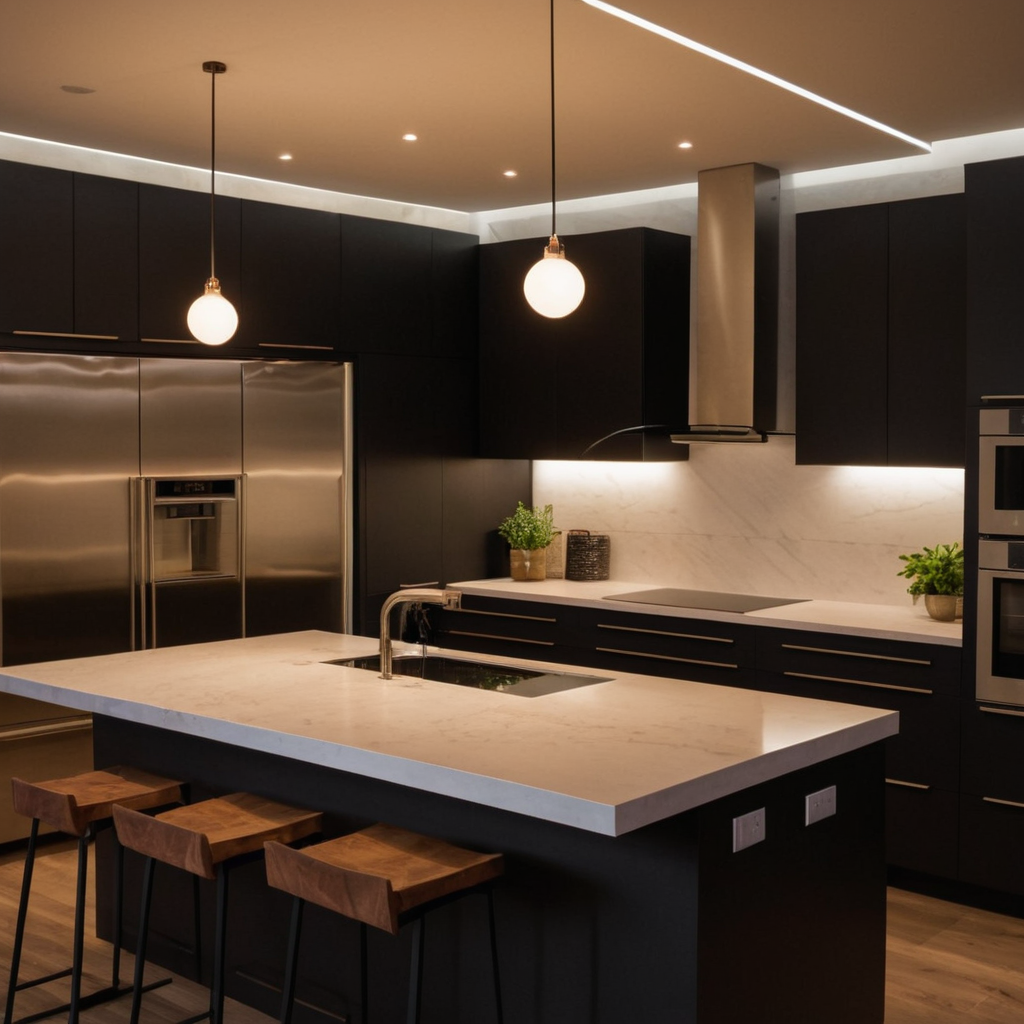
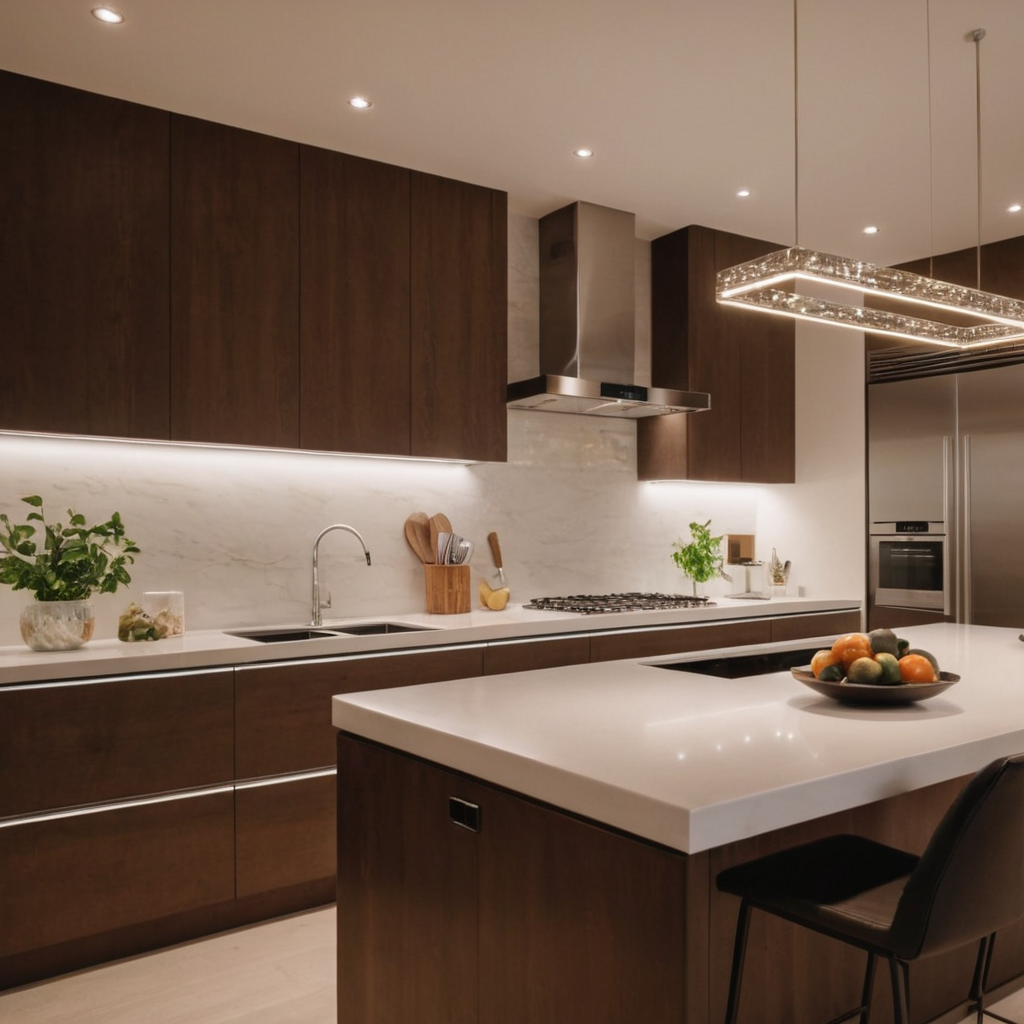
Effective lighting in a modern kitchen can enhance both functionality and ambiance by creating layers of light that serve different purposes. Task lighting over countertops, ambient lighting to brighten the space, and accent lighting to highlight specific areas or elements are key components.
When planning your kitchen’s lighting design, consider using a mix of fixtures such as under-cabinet lights for task areas, pendant lights above an island, and recessed lights for overall illumination. Choose bulbs that provide consistent color temperature and brightness levels.
7. Utilize Smart Home Technology for Convenience
Integrating smart home technology into your modern kitchen can make everyday tasks more convenient while adding a touch of futuristic style. From voice-controlled appliances to automated lighting systems, there are numerous ways to enhance both functionality and design.
When incorporating smart tech in the kitchen, consider devices that integrate seamlessly with existing decor and offer practical benefits like energy efficiency or safety features. Ensure all devices are compatible and can be controlled through a centralized app for ease of use.