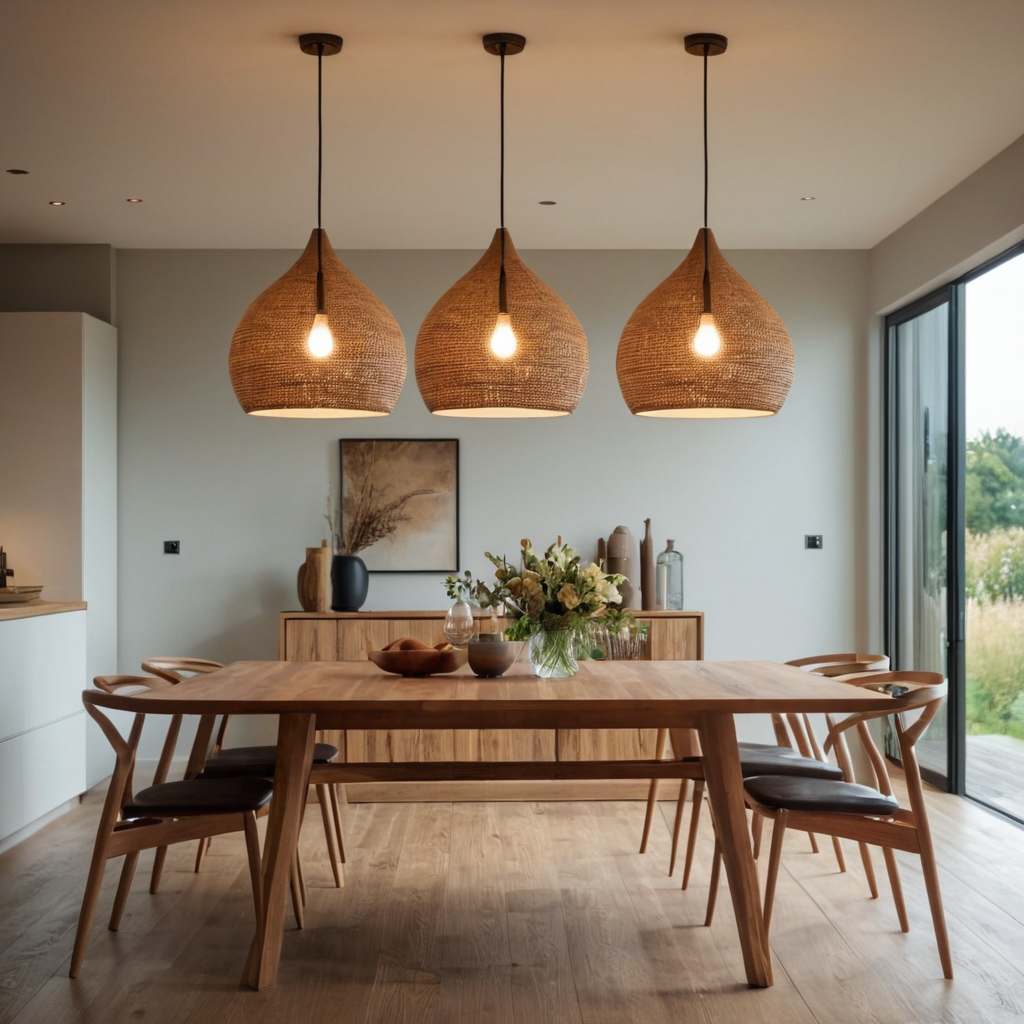
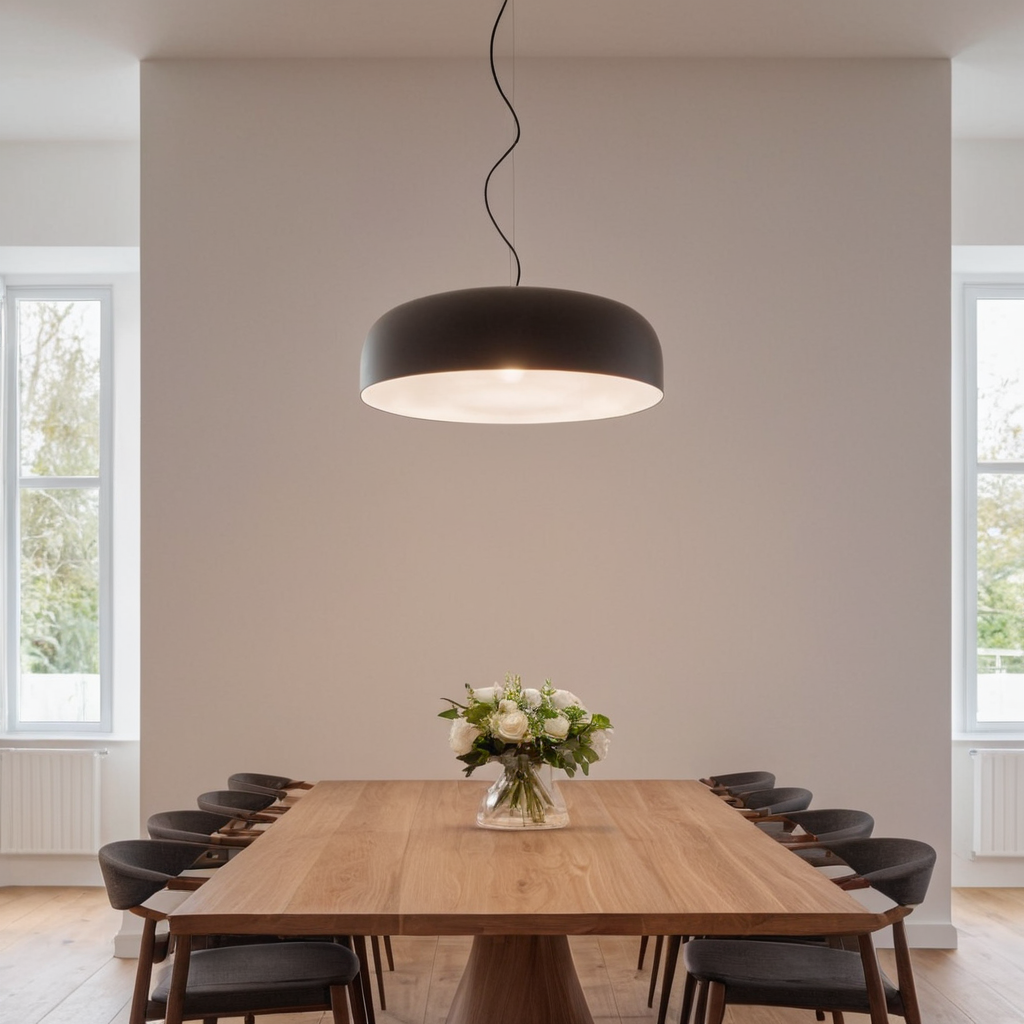
1. Choosing the Right Pendant Lights for Your Dining Room
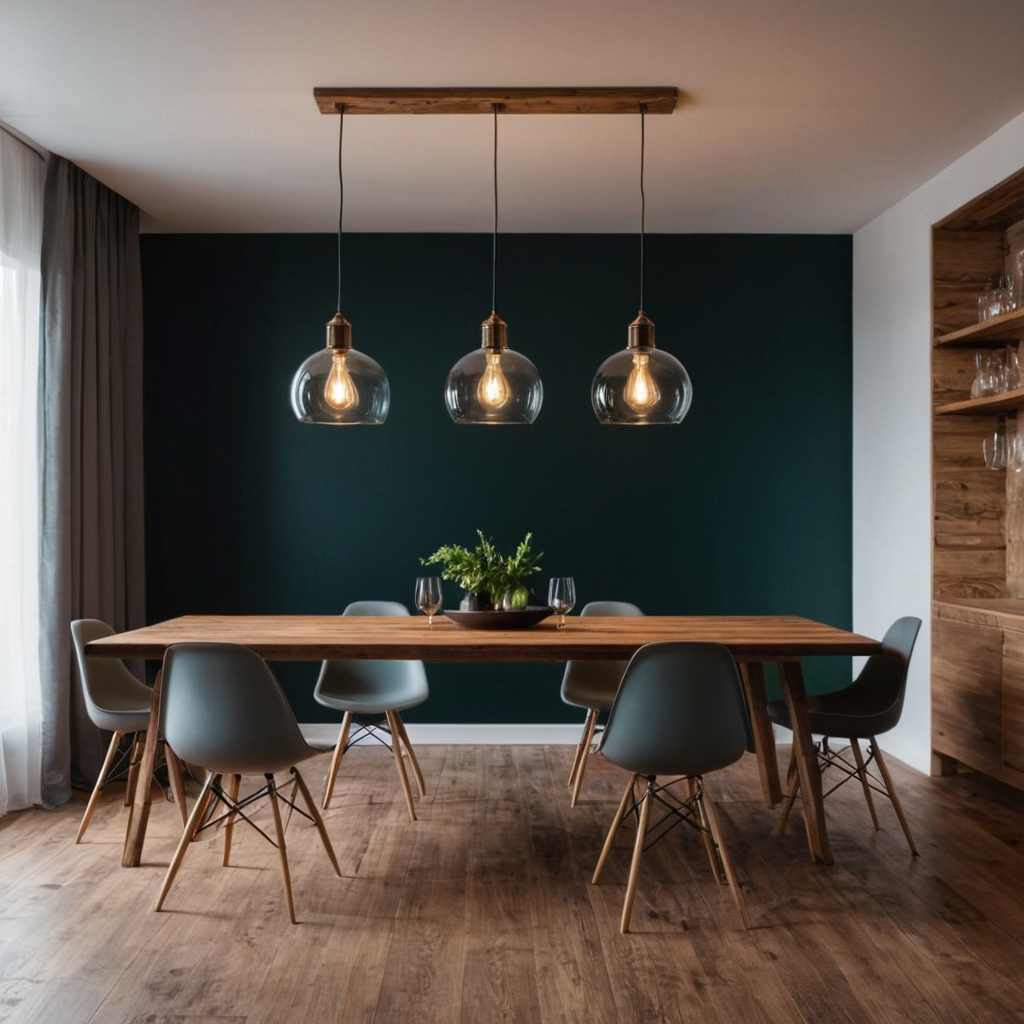
Pendant lights are not only functional but also serve as a design statement in any dining area. They can bring attention to architectural features like beams or create an intimate atmosphere with their downward-facing illumination. When selecting pendant lights, consider both the size and style that complement your existing decor and enhance the overall aesthetic of the space. Pendant lights with warmer tones are ideal for creating a cozy ambiance, while those with cooler tones can make the room feel more spacious and modern.
2. Floor Lamps for Adding Warmth to Your Living Room
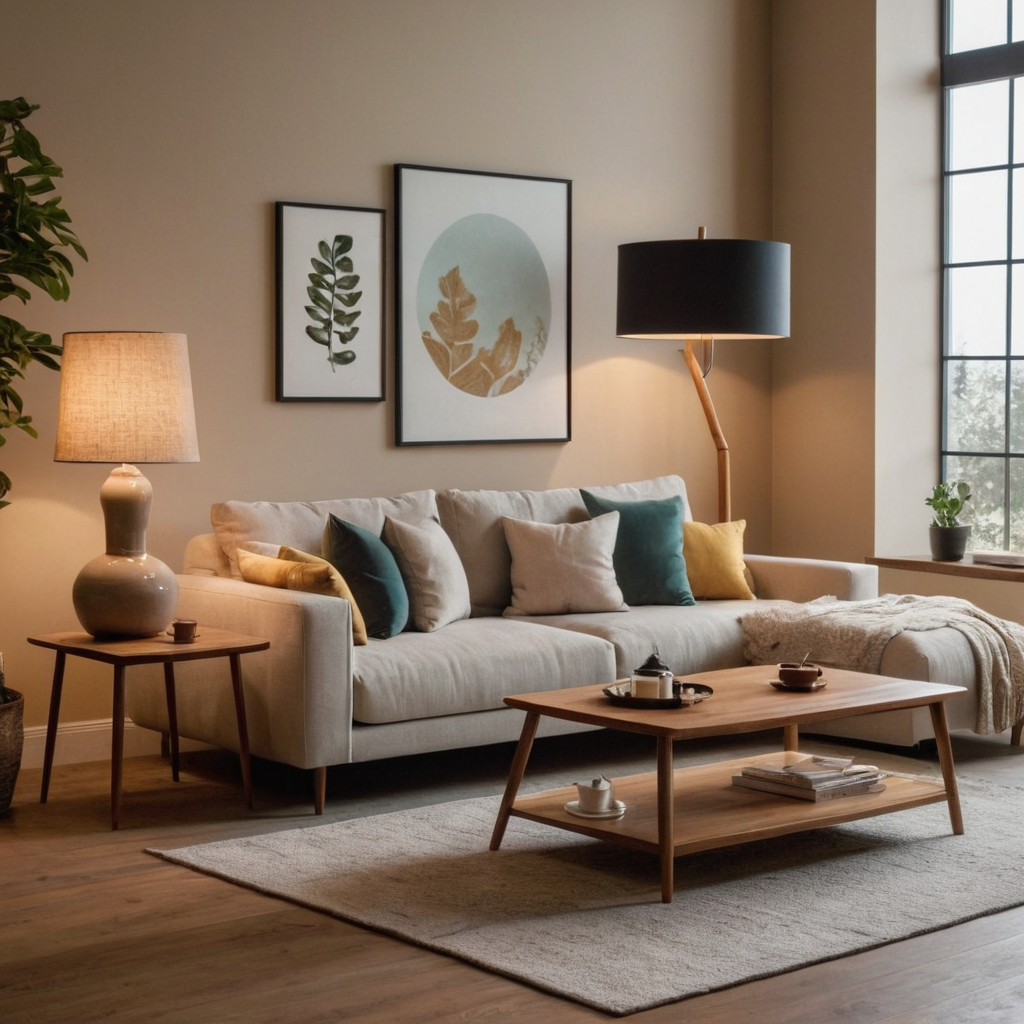
Floor lamps are versatile lighting solutions that can be used in various settings within your living room, from highlighting artwork to providing ambient lighting. They come in a variety of styles, from classic drum shades to modern minimalist designs, making it easy to find one that matches the overall look and feel of your space. Position floor lamps strategically around seating areas to create pools of light that invite relaxation or conversation.
3. Architectural Lighting for Defining Your Space
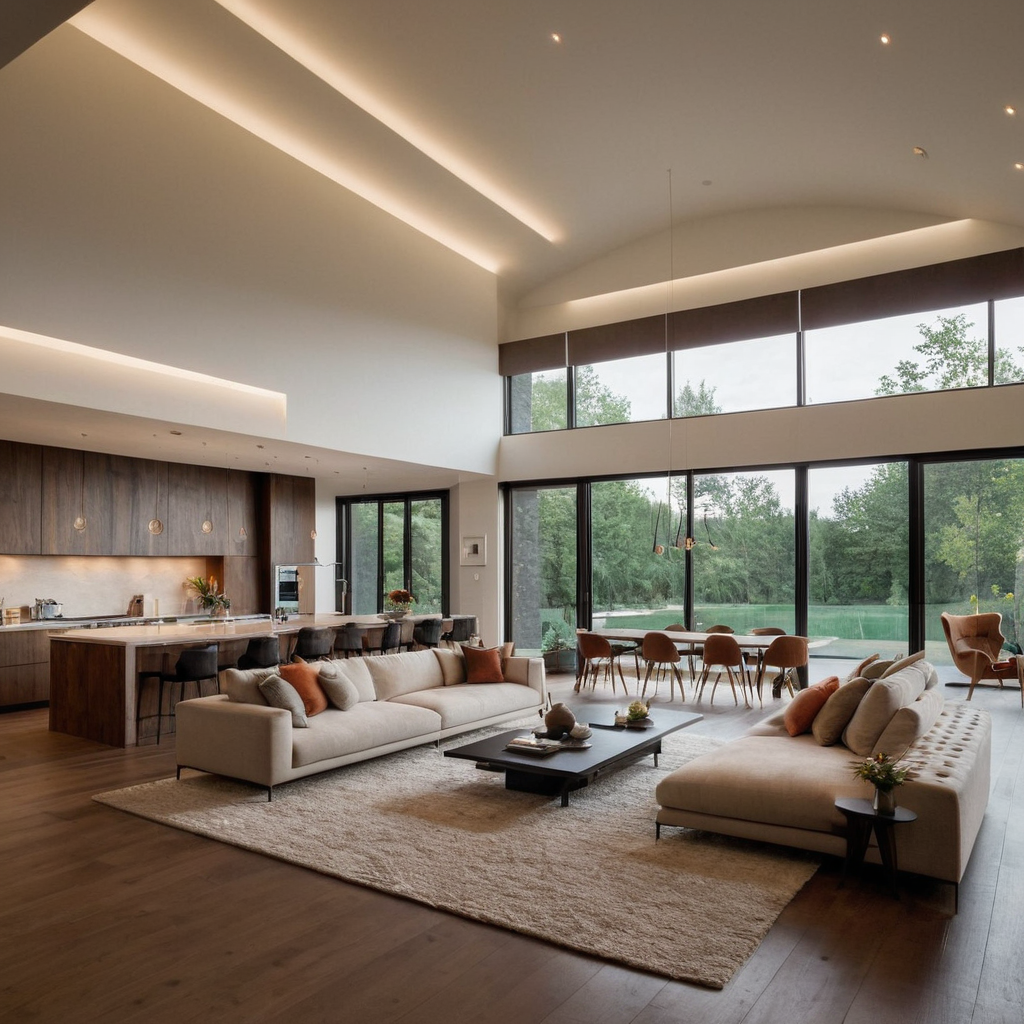
Architectural lighting can accentuate unique features of your home and help define various areas within a large space, such as highlighting architectural elements or creating distinct zones in open-concept layouts. This type of lighting includes recessed lights, track lighting, and wall sconces that integrate seamlessly into the design of the room. When planning architectural lighting, consider how natural light interacts with artificial sources to create harmonious lighting throughout the day.
4. Selecting Pendant Lights for Your Kitchen
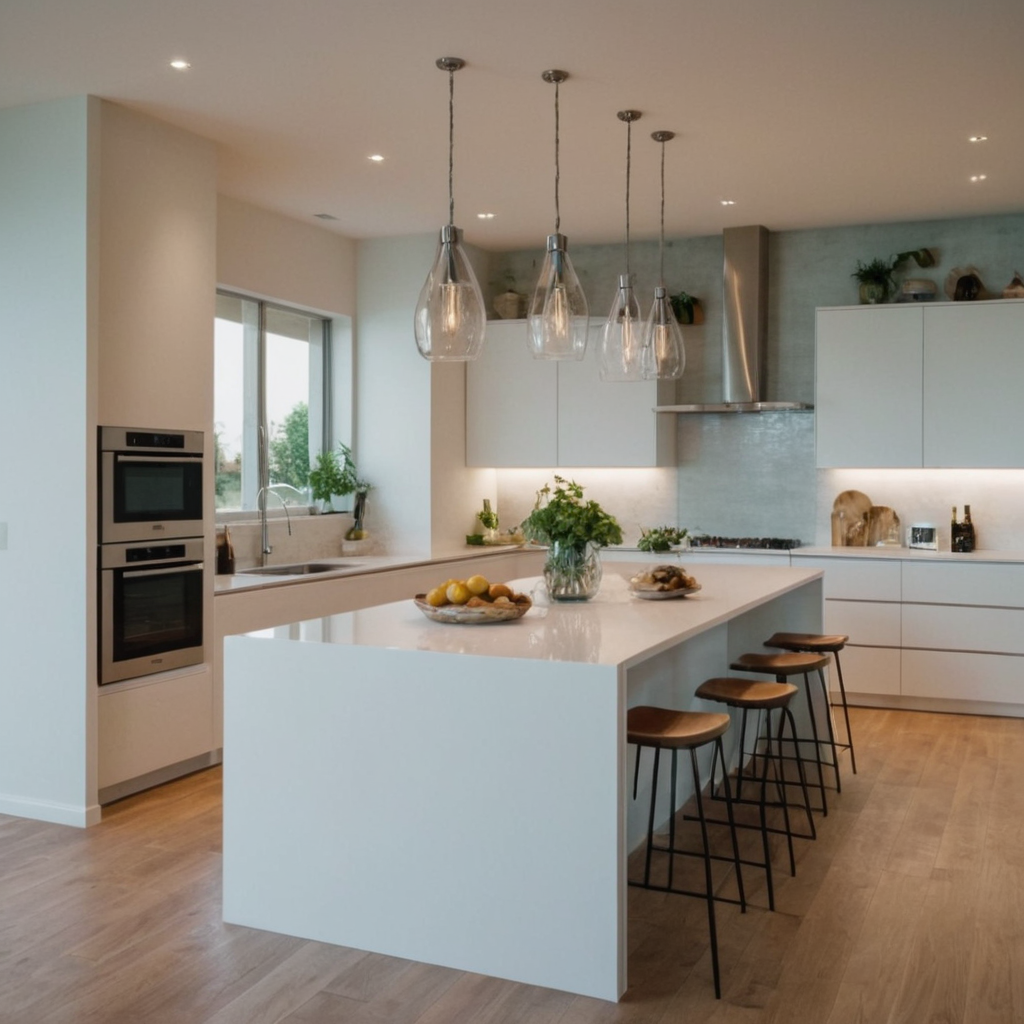
In the kitchen, pendant lights can offer both task-specific and ambient illumination over islands or counters where food is prepared. Choose pendants that are durable enough to withstand steam and moisture, often made from materials like glass or metal with waterproof finishes. When selecting colors and styles, consider whether you want a statement piece that stands out or a more subtle design that blends into the kitchen’s overall decor.
5. Using Floor Lamps to Enhance Your Bedroom
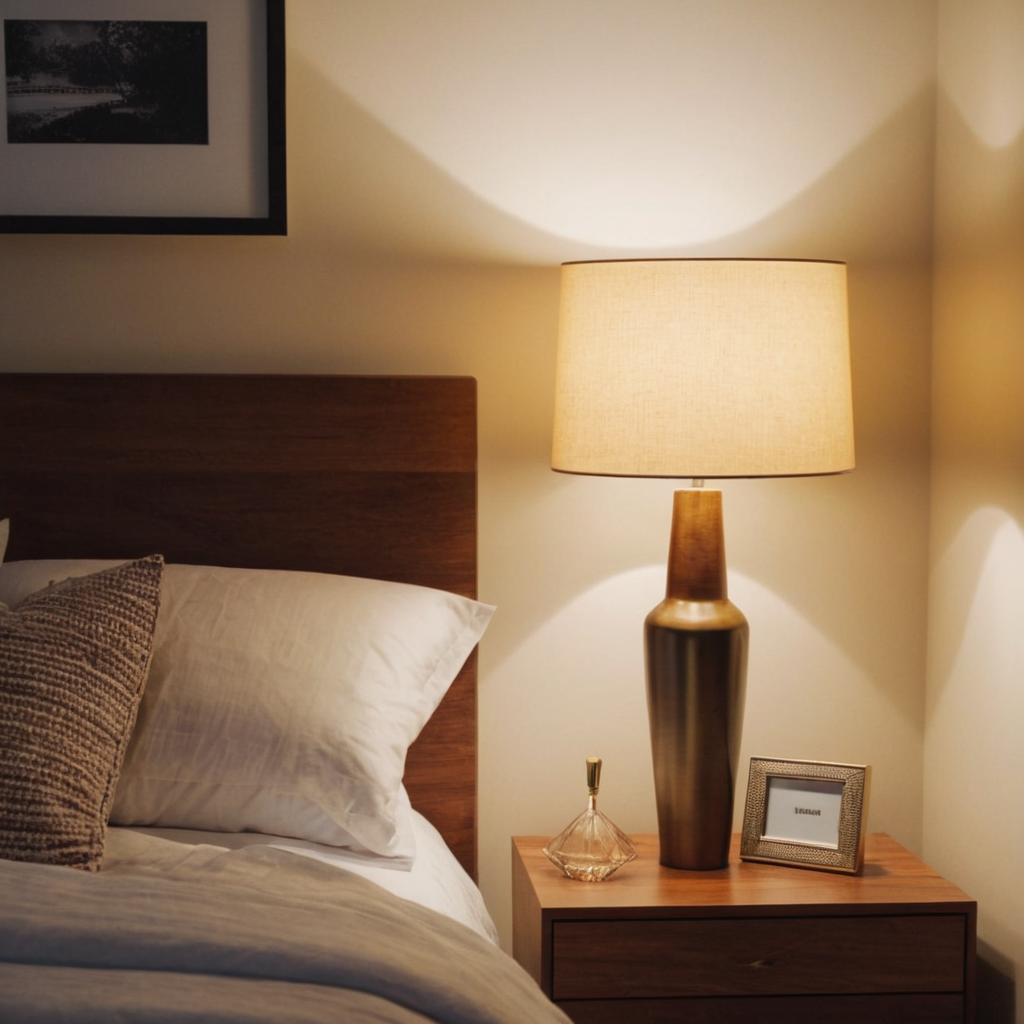
Floor lamps in the bedroom can serve as an alternative or supplementary light source, especially when you need a more focused or softer light than what overhead fixtures provide. Choose floor lamps that are adjustable and can direct light towards your reading spot without causing glare on your screen if you use devices before bed. Consider designs that match the overall aesthetic of your room, whether it’s modern, traditional, or something in between.
6. Strategic Placement of Pendant Lights for Foyer Impact
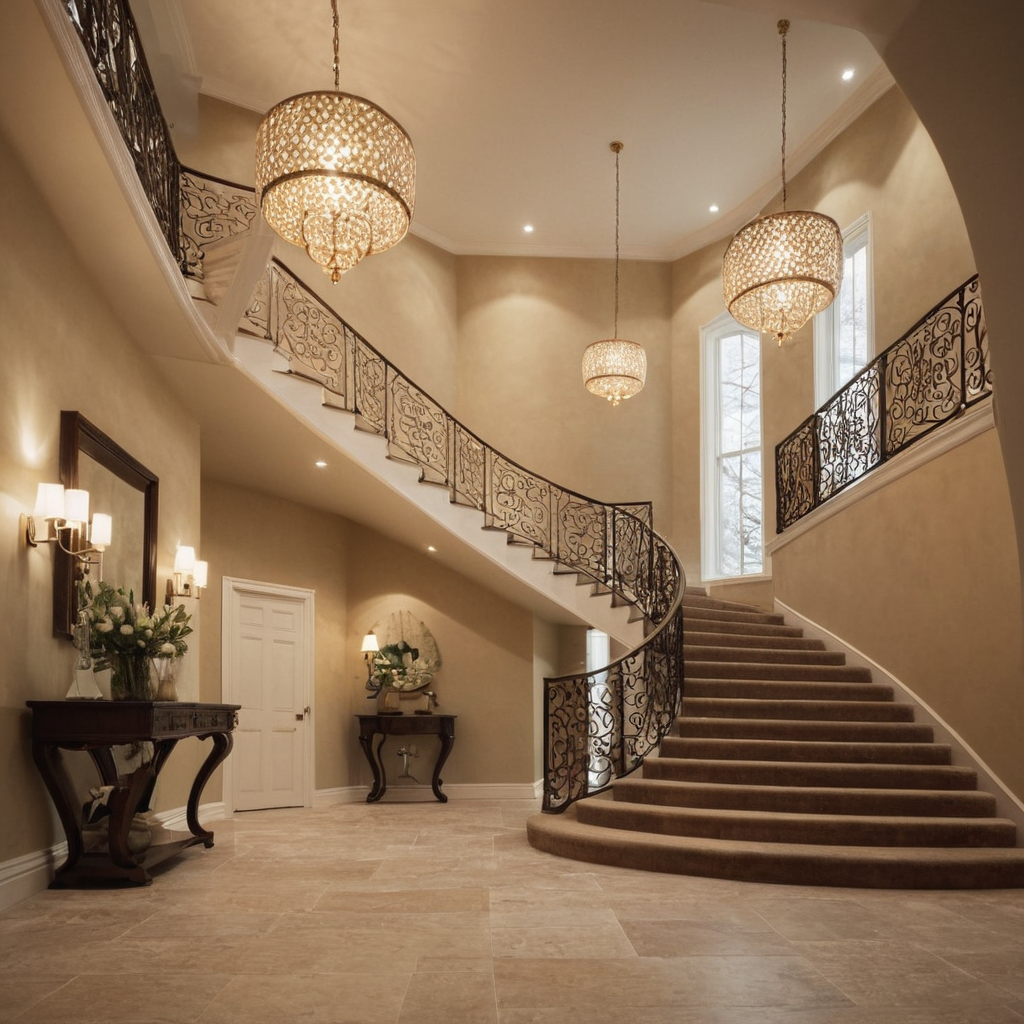
The foyer is often the first impression a visitor gets of your home, making it essential to create a welcoming and stylish entryway. Pendant lights can be used here to draw attention upwards or to illuminate key areas like mirrors or artwork. For a dramatic effect, consider hanging multiple pendants in varying heights or clustering them together for an eye-catching display. Ensure that the pendant lighting is not too bright so as to avoid creating harsh shadows or glare.
7. Integrating Architectural Lighting into Your Home Office
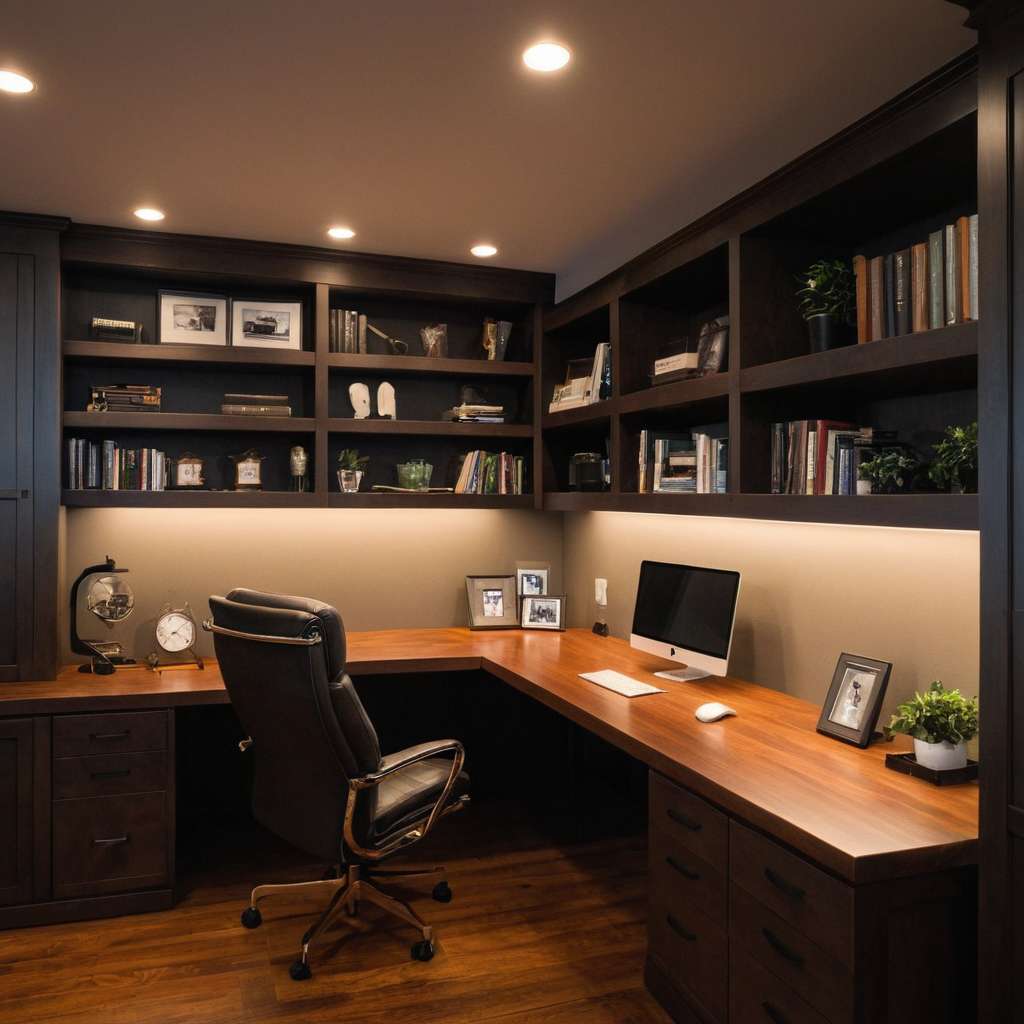
In your home office, architectural lighting can help create an environment that is both functional and inspiring. Use track or recessed lighting to ensure work areas are well-lit without causing eye strain. Consider adding task-specific lighting like desk lamps for detailed tasks and general ambient lighting to soften the overall look of the space. When choosing fixtures, prioritize those that offer dimming capabilities to adjust light levels according to your needs.