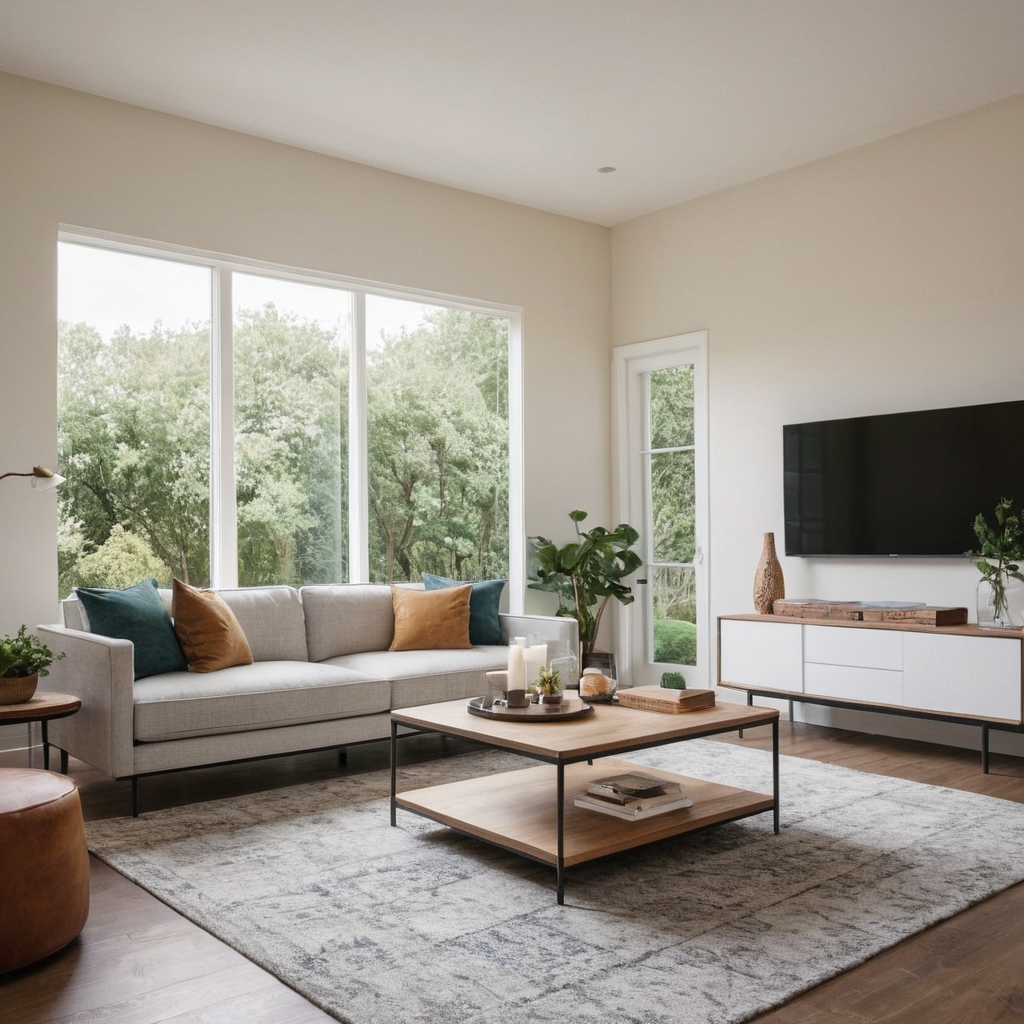
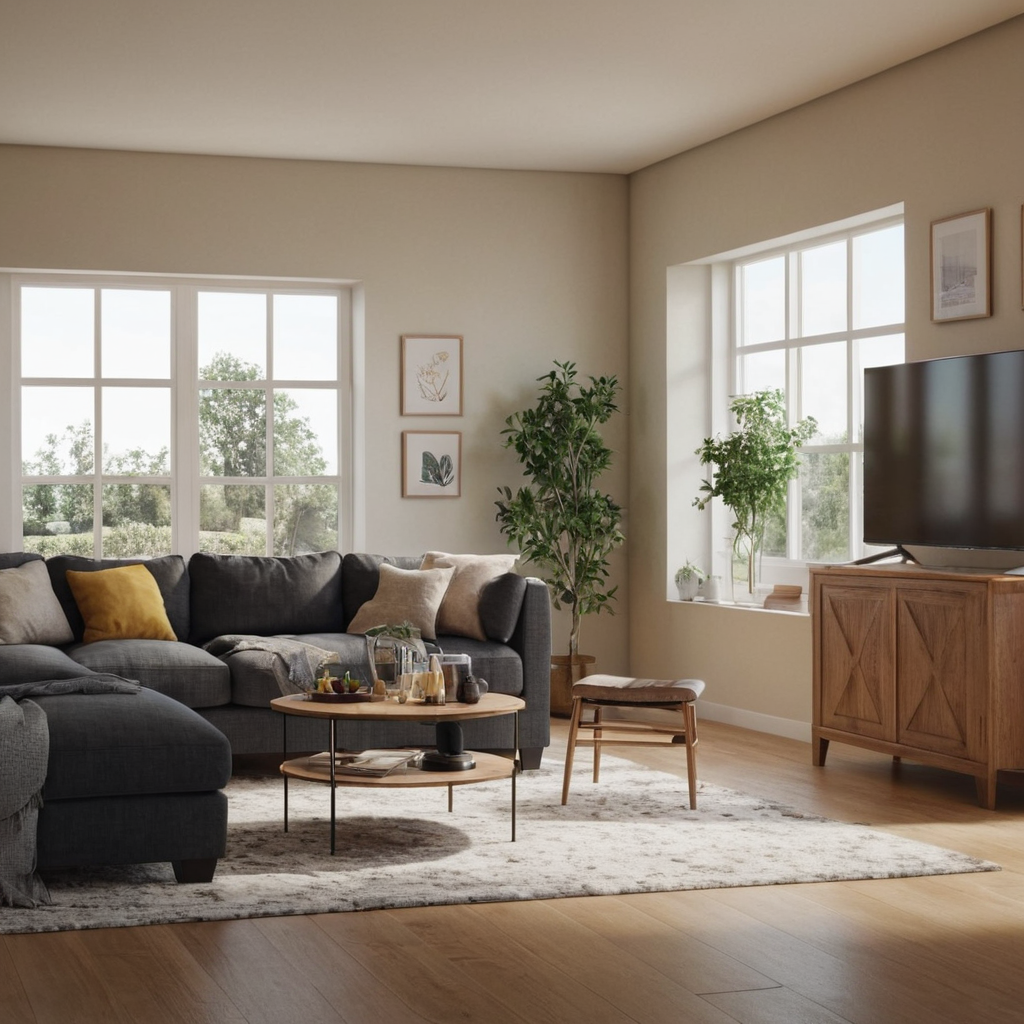
1. Balance Your Space
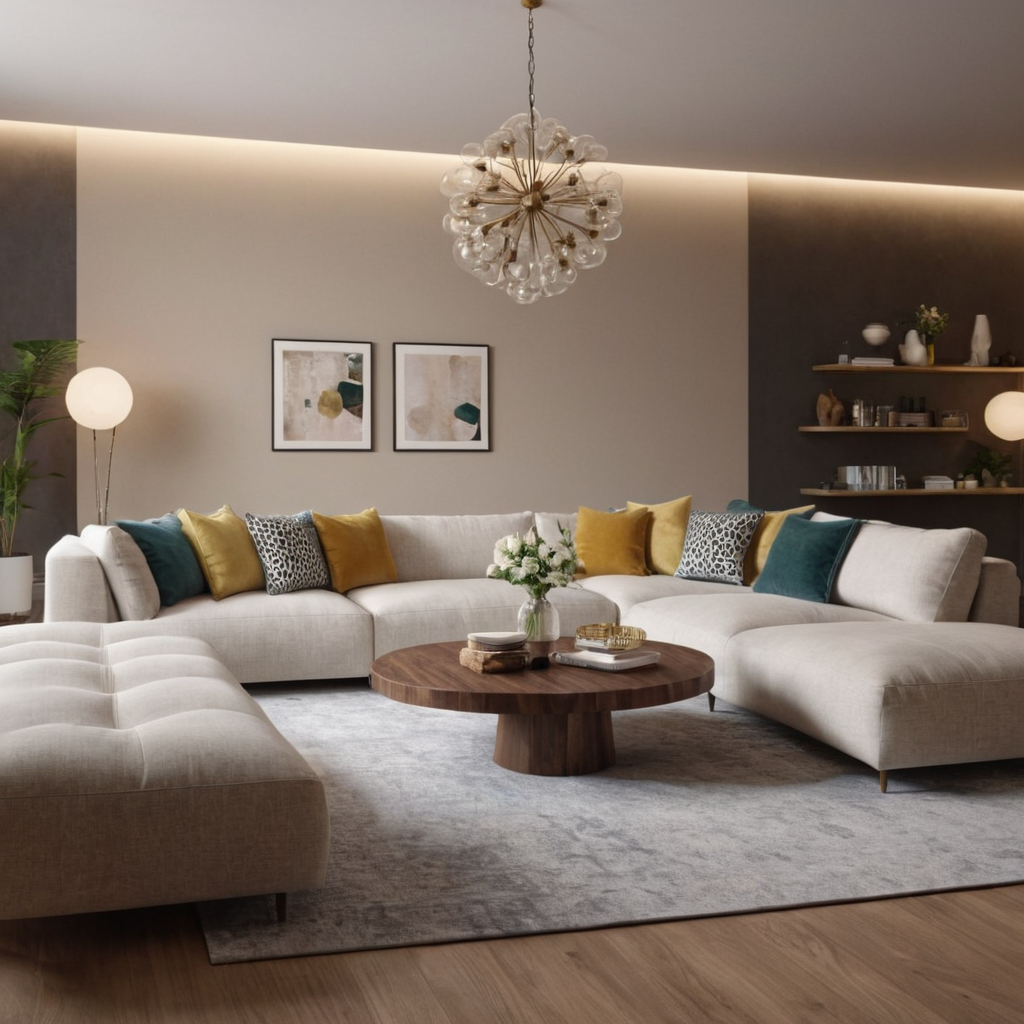
Achieving balance in your room layout is crucial for a harmonious look and feel. This involves not only the size of furniture pieces but also their visual weight and placement. Symmetrical balance, where elements are mirrored across an axis, can create a serene atmosphere. Asymmetrical balance, on the other hand, offers dynamic energy by contrasting different shapes and sizes.
To implement this principle in your home, consider the largest piece of furniture as your anchor point. For asymmetry, place larger or heavier pieces opposite smaller ones to maintain equilibrium without mirroring their design.
2. Proportional Furniture Fit
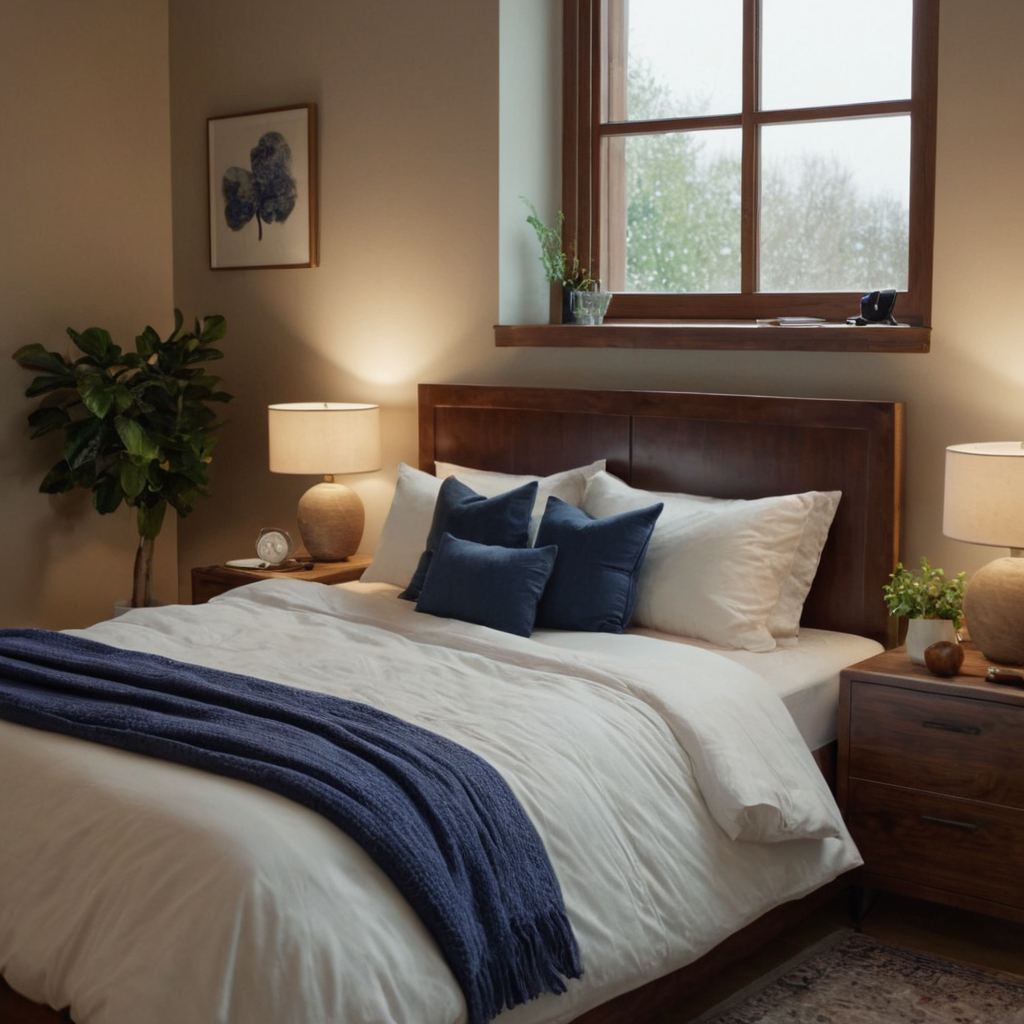
The right proportions ensure that your space feels neither cramped nor empty. Each piece of furniture should be in proportion to the room and other elements within it, including door sizes, window heights, and ceiling heights. This balance helps maintain a cohesive look while ensuring functionality.
To achieve proper scaling, measure the dimensions of your room first. Use this information to select furnishings that fit well without overwhelming the space. For example, a small living room may suit a low-profile sofa better than an oversized sectional.
3. Mixing Styles for Character
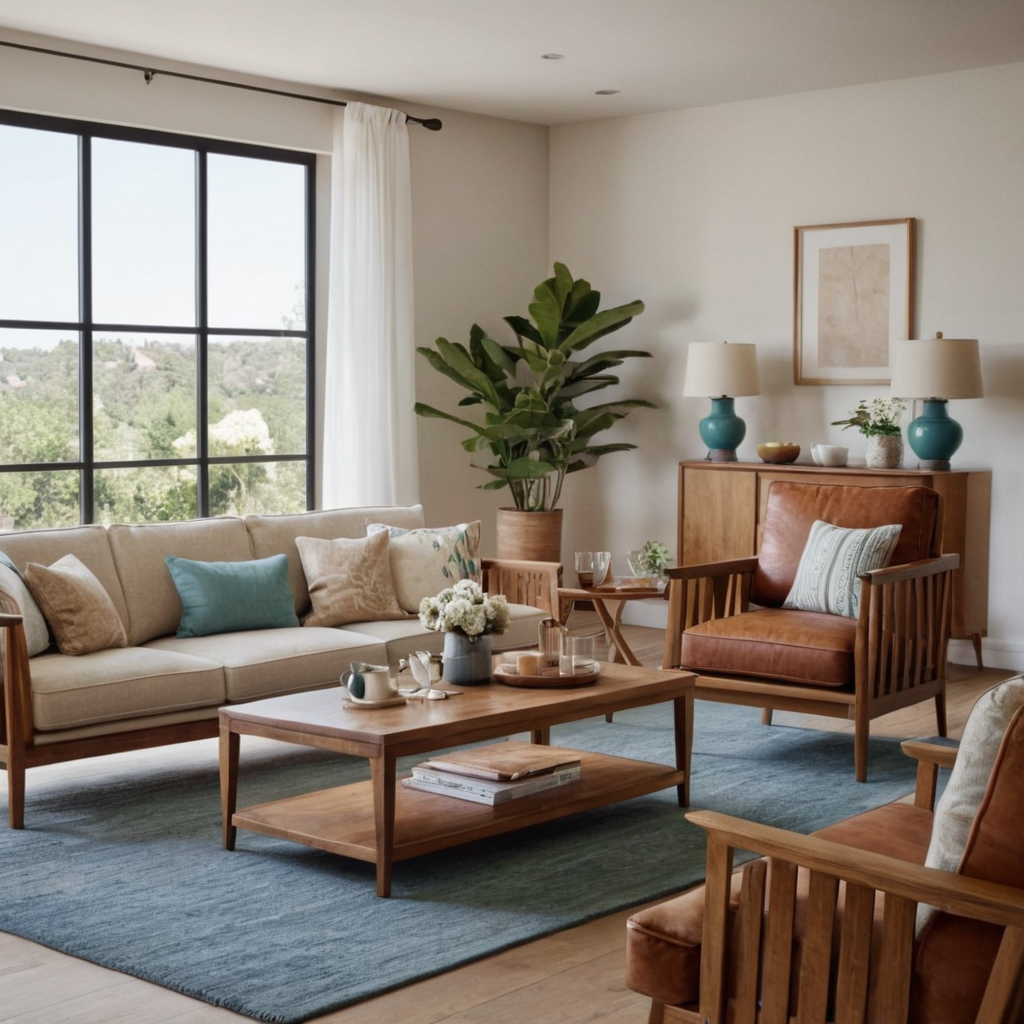
Mixing different styles can add depth and character to your space but requires careful coordination. Combining elements like vintage, modern, and rustic styles can create a unique aesthetic that reflects your personality.
When blending styles, focus on color schemes and material consistency. Choose one dominant style and introduce others as accents or focal points. For instance, you might have a modern living room with a few eclectic pieces like a vintage rug or an antique side table.
4. Focus on Functionality
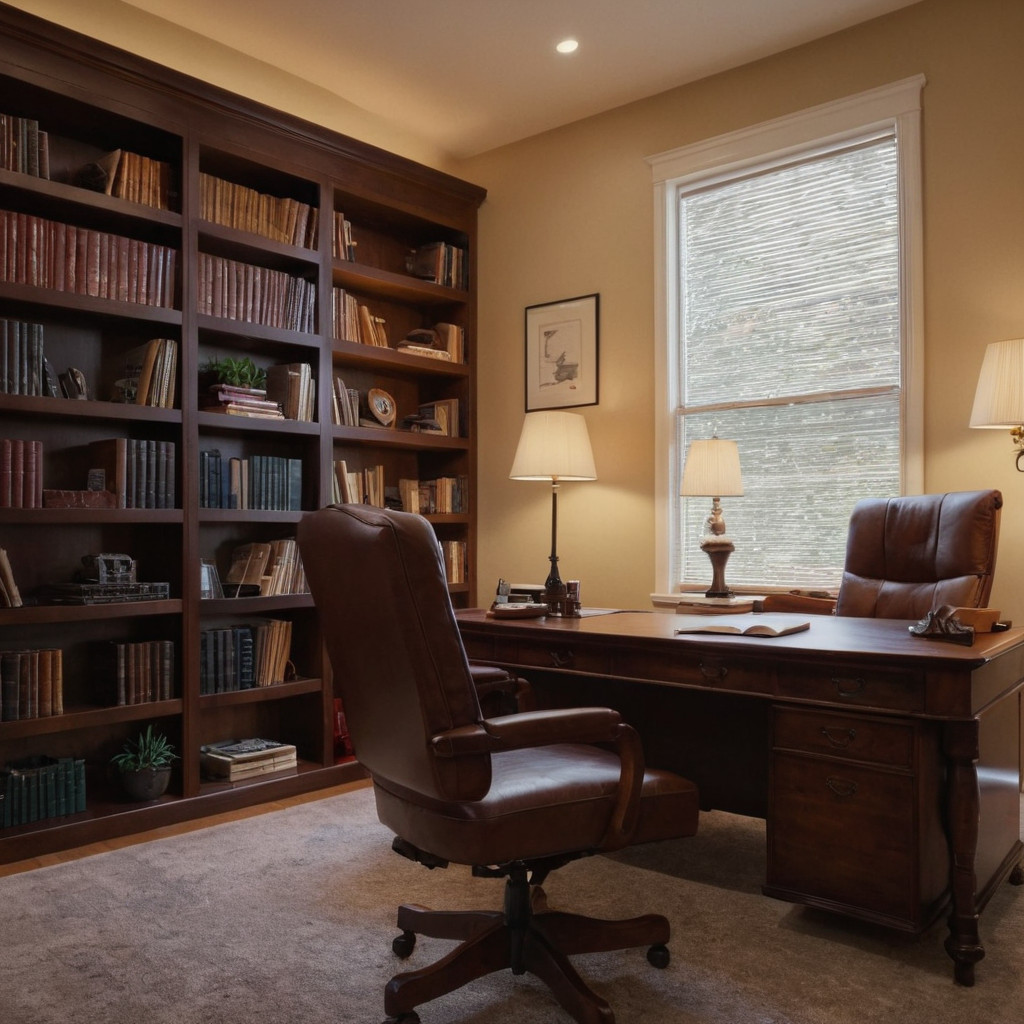
Furniture should not only look good but also serve a purpose. Each piece you choose should contribute to the function of your space, whether it’s for entertainment, relaxation, or work.
Consider what activities will take place in each room and select furniture accordingly. For example, a home office needs comfortable seating with adequate desk space, while a family room might benefit from multiple seating options and storage solutions.
5. Quality Over Quantity
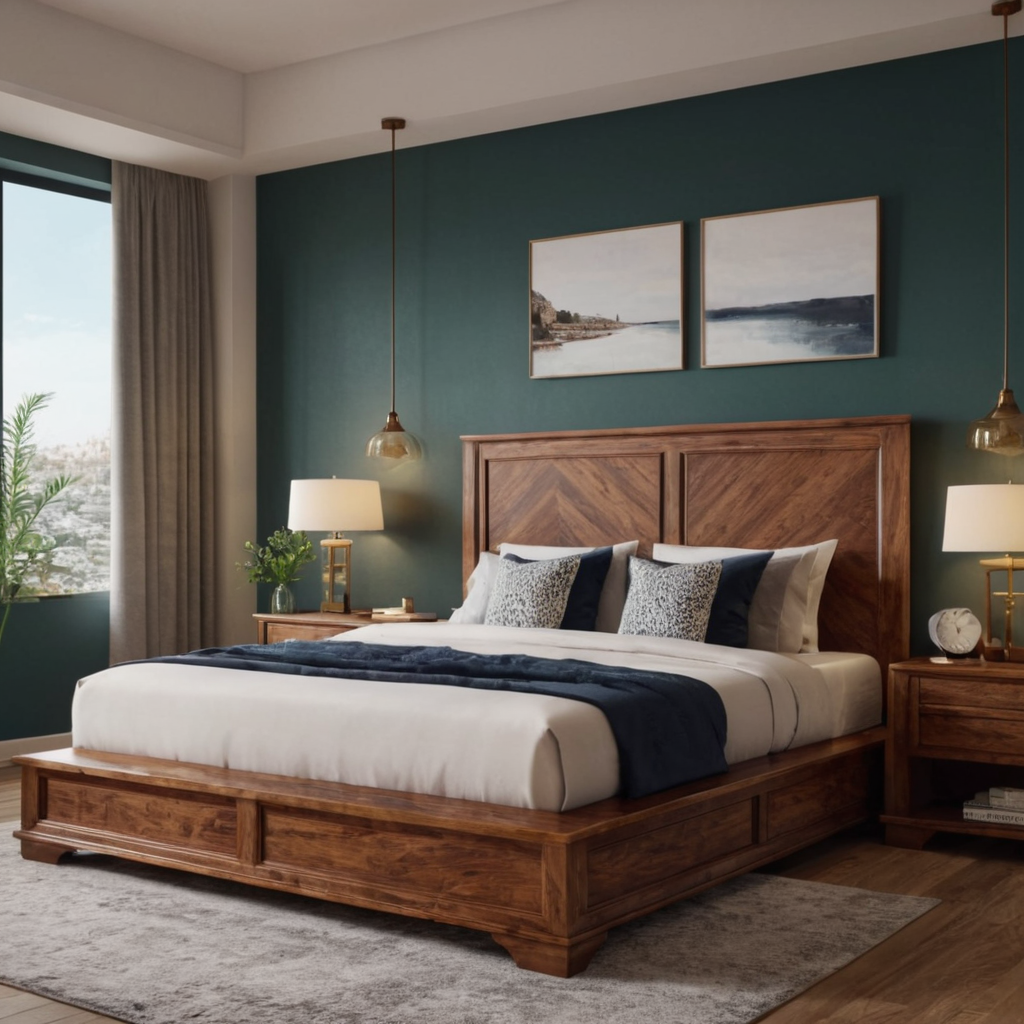
Investing in high-quality pieces means fewer replacements over time and a more cohesive look. High-quality materials also tend to be more durable, offering both aesthetic appeal and longevity.
When selecting furniture, consider the material, craftsmanship, and finish of each piece. Opt for items made from solid wood or other robust materials that will stand up well over years of use. Prioritize fewer, high-quality pieces rather than an abundance of lesser quality ones.
6. Play with Color
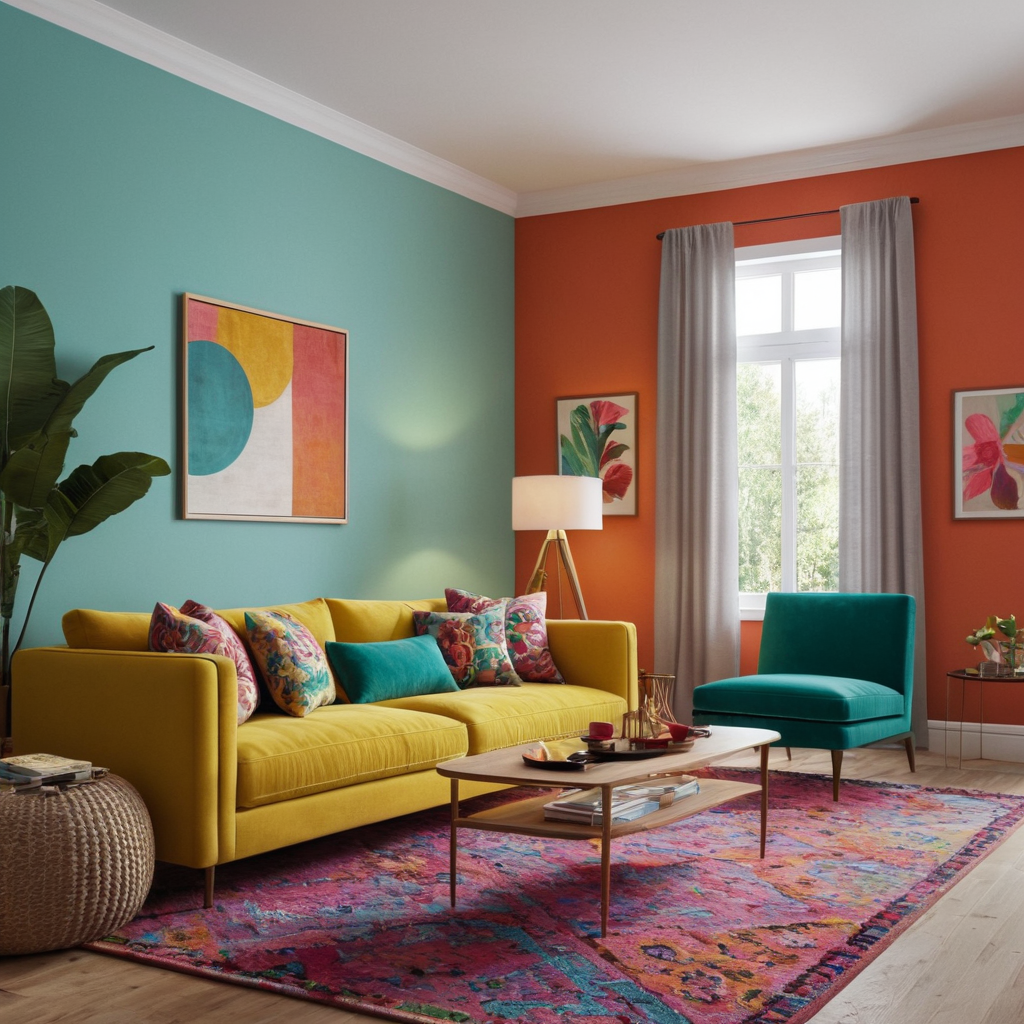
Color can dramatically affect the mood of your space. It’s essential to choose colors that complement each other and reflect the overall atmosphere you want in a room.
Start by selecting a base color for large elements like walls or floor. Then, introduce accent pieces such as throw pillows, rugs, or curtains in contrasting or complementary hues. This technique adds depth and vibrancy without overwhelming your space.
7. Scale to the Space
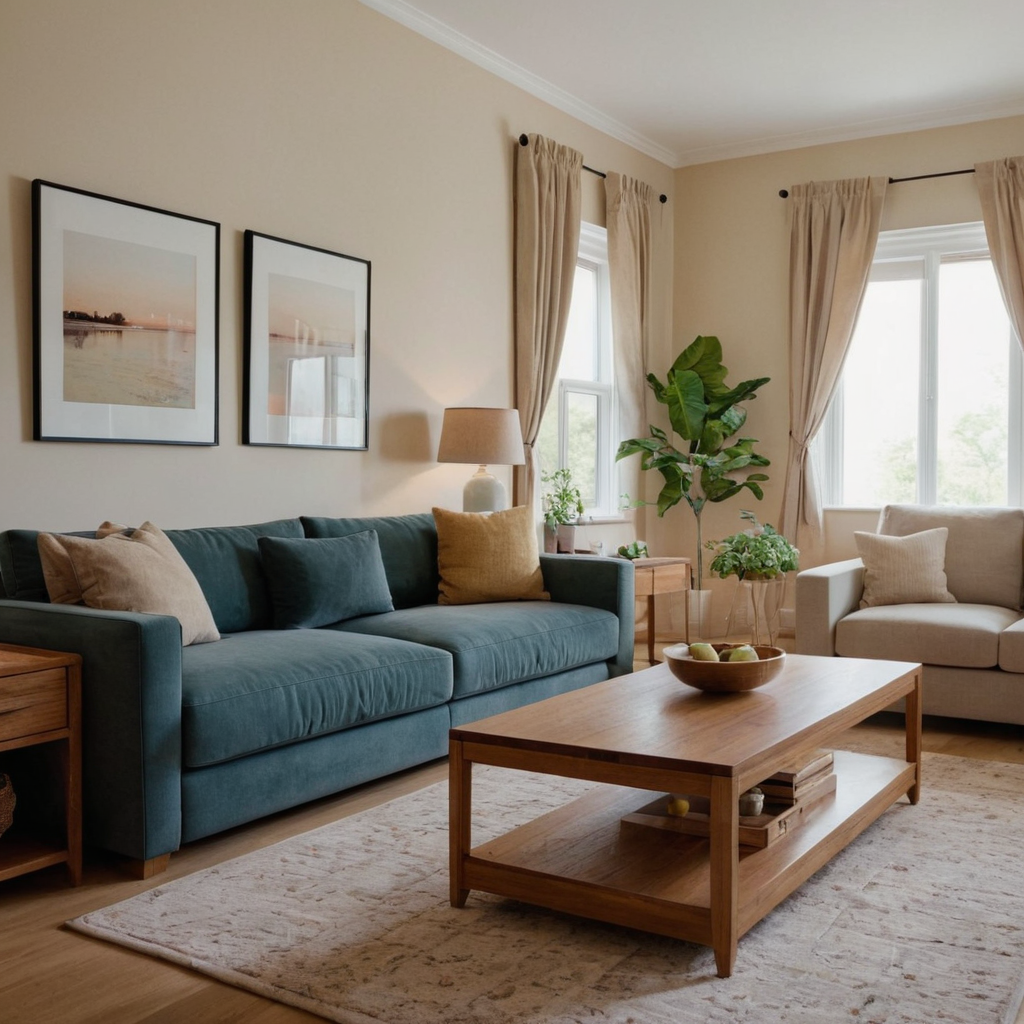
The size of your furniture should be proportional to the space it occupies. A large sofa can make a small room feel cramped, while an undersized coffee table might look lost in a spacious living area.
Before purchasing any piece, measure your available space and compare these measurements with potential pieces. Consider not just the dimensions but also how much walking or moving space will be left around each item. This ensures that every piece complements rather than competes with its surroundings.