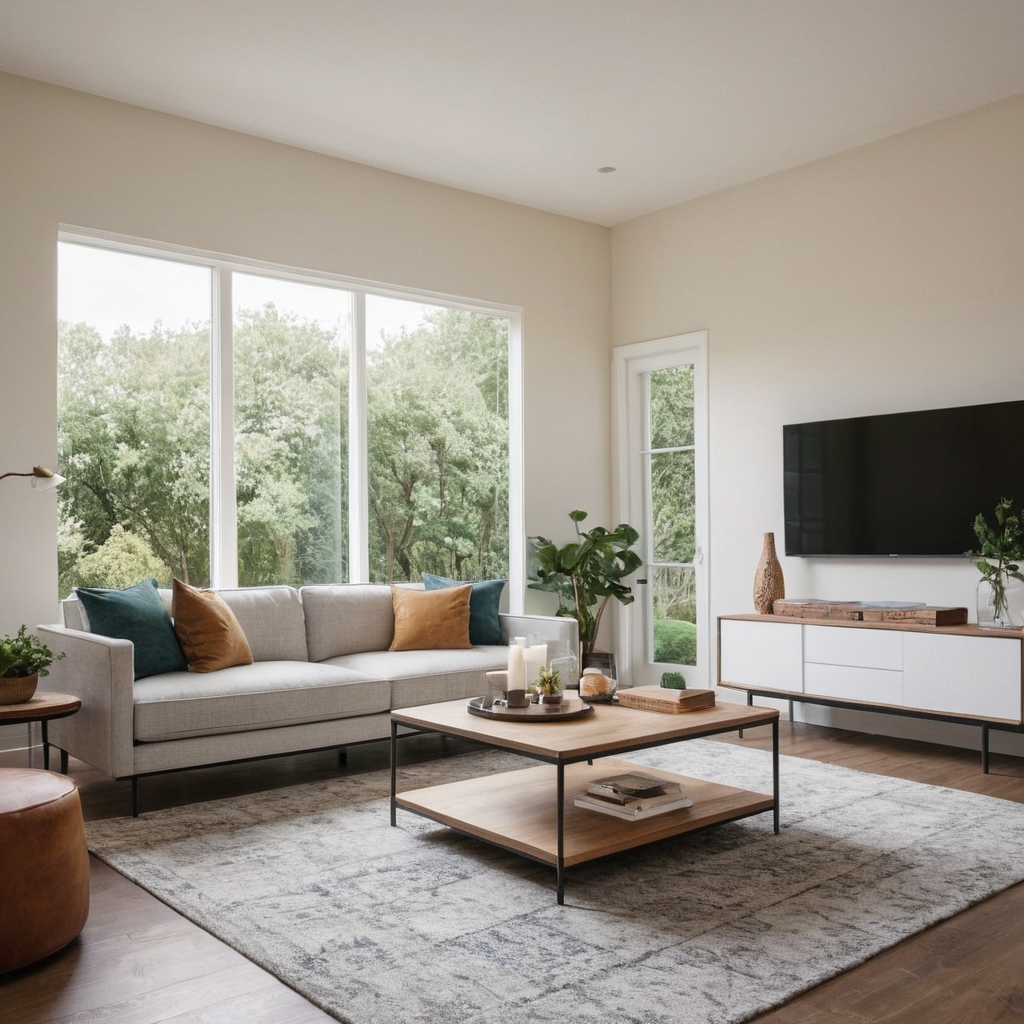
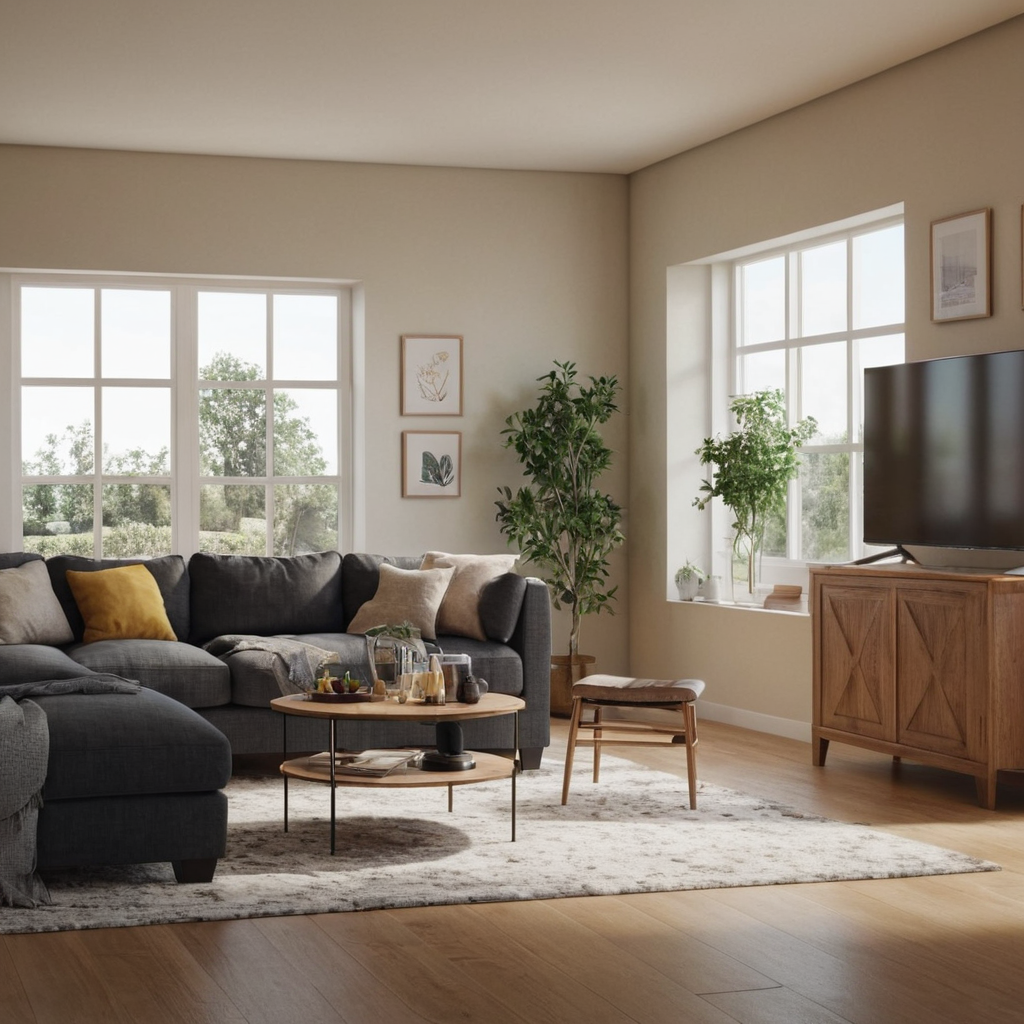
1. Start With Your Space’s Dimensions

Understanding the dimensions of your room is crucial before you start shopping for furniture. Measure not only the overall space but also specific areas where pieces will be placed, such as corners or against walls. This ensures that your furniture fits comfortably without overcrowding the area. Additionally, consider the layout and flow of movement within the room to determine what sizes and shapes work best. By planning ahead, you can avoid common mistakes like buying oversized items that dominate a small space.
2. Choose Quality Over Quantity
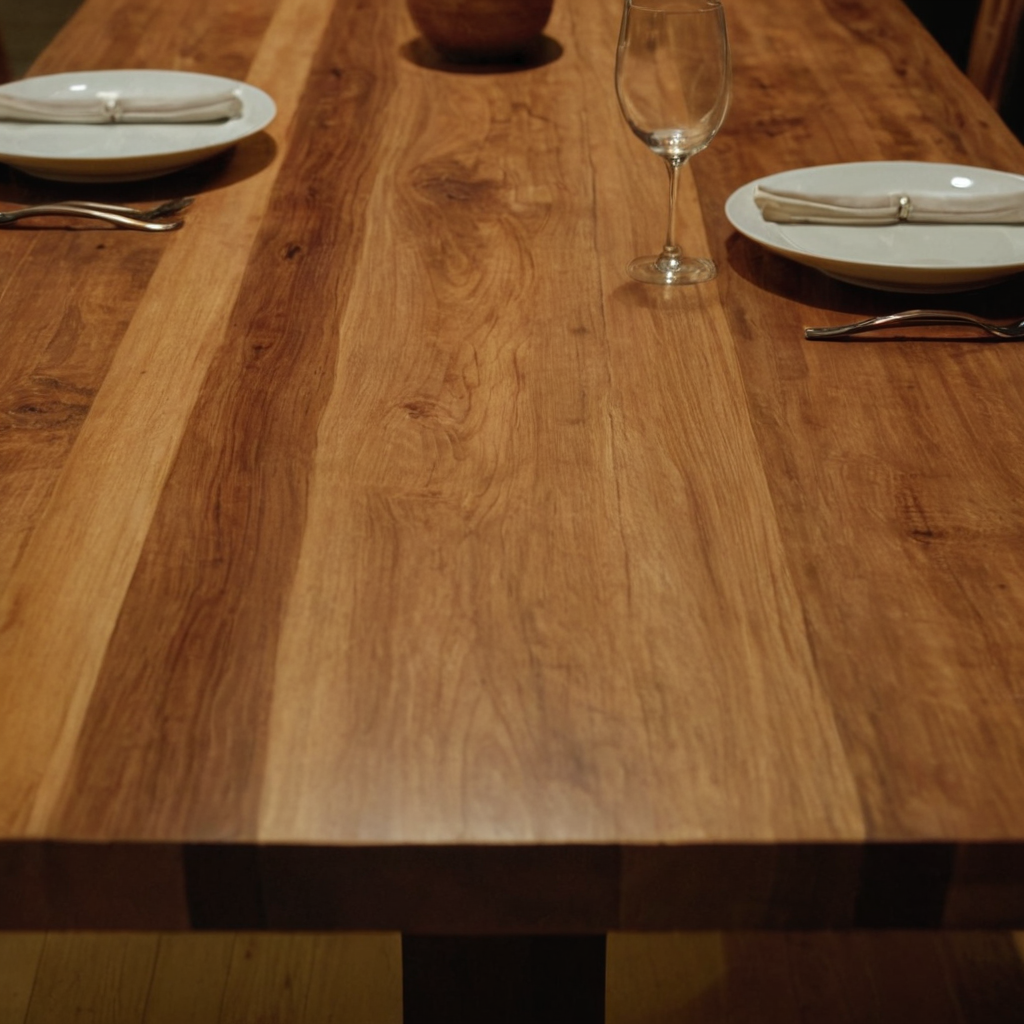
Investing in high-quality pieces that can last longer and withstand regular use is key to creating a timeless and durable space. Look for solid wood construction, sturdy joints, and quality upholstery when selecting seating or tables. Although it might seem tempting to buy cheaper alternatives due to their lower cost, these often lack the durability and aesthetic appeal of well-made furniture over time. Consider purchasing fewer but more substantial pieces that will serve you longer.
3. Define the Room’s Purpose
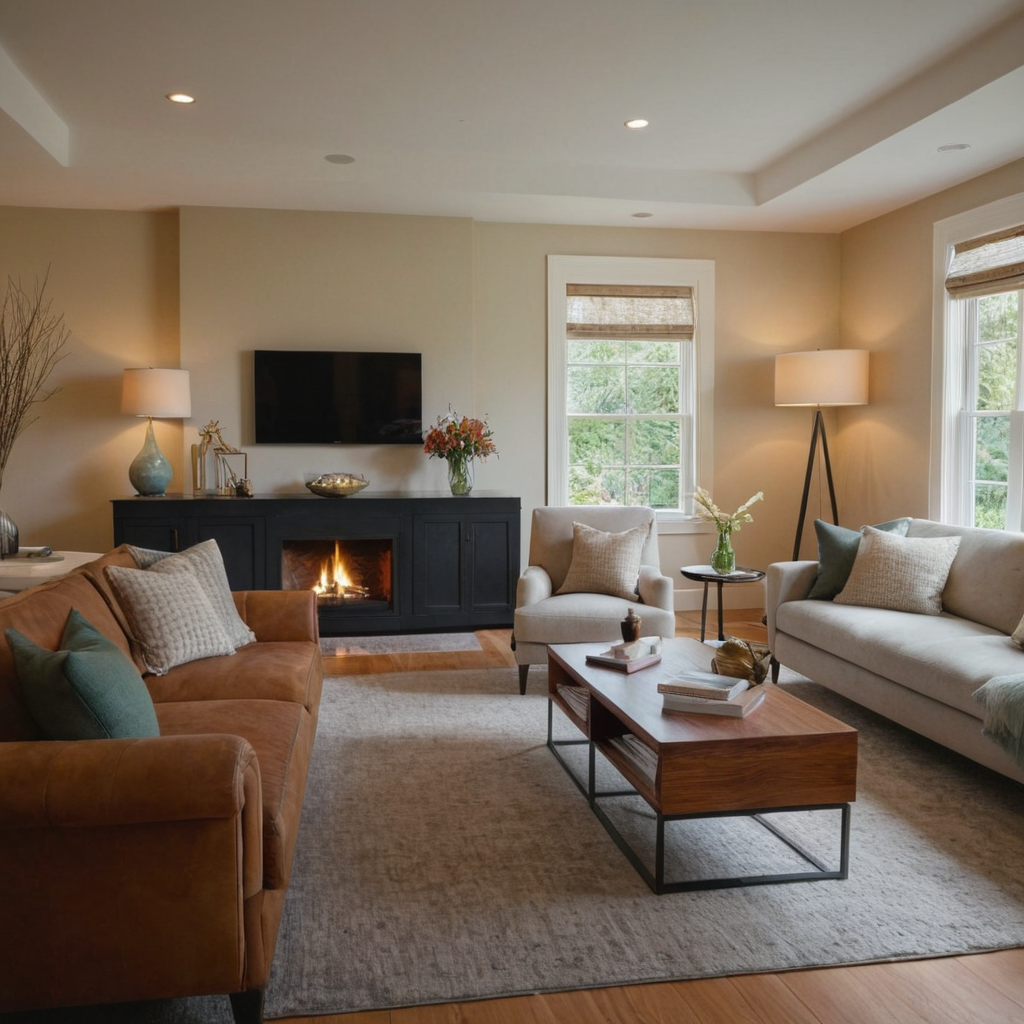
Each room in your home serves different purposes, from relaxation to work or entertainment. Consider how you use each space when selecting furniture. For example, a living room designed for family gatherings might require comfortable seating and ample surface areas for drinks and snacks. In contrast, a study needs ergonomic chairs and desks suited for prolonged sitting. Tailoring your choices to the primary function of each area ensures both comfort and practicality.
4. Balance Scale and Proportion
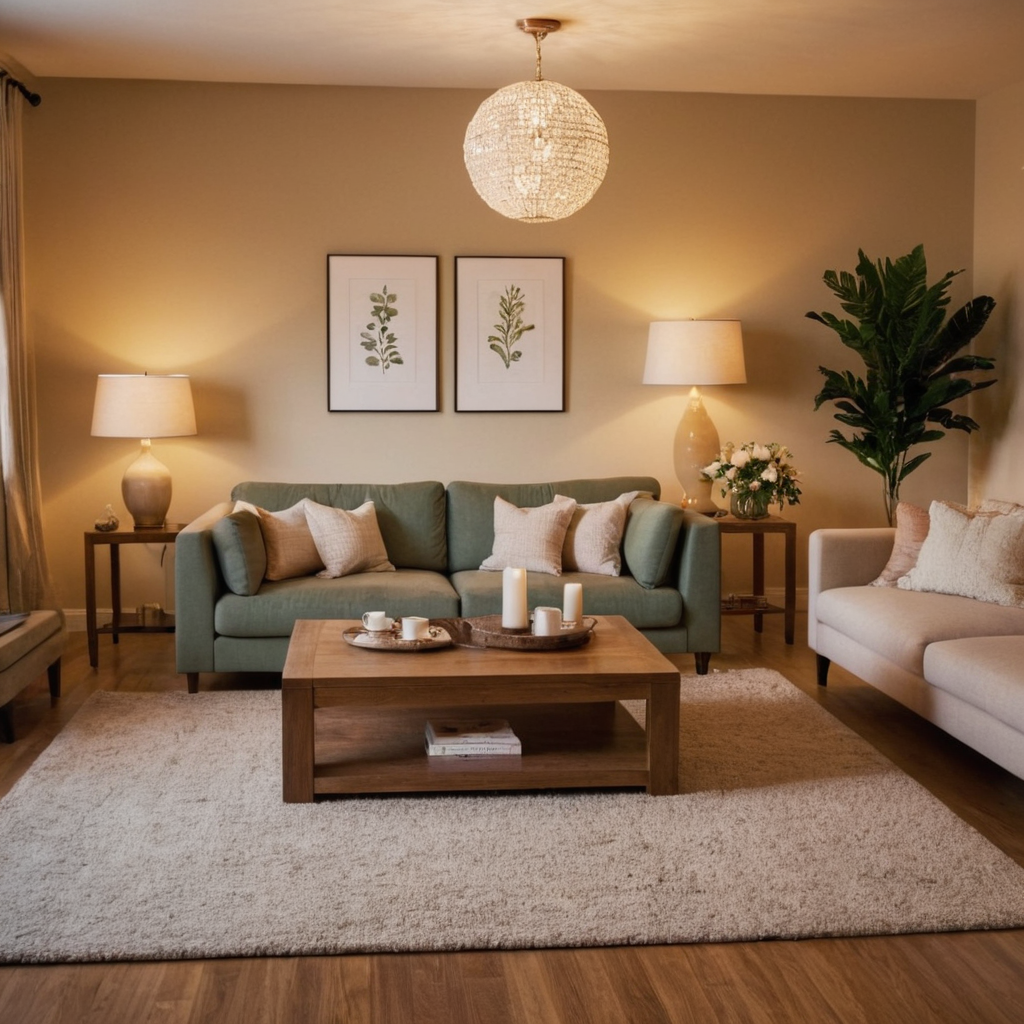
Furniture should be appropriately scaled to the size of your room, maintaining a balanced look without overwhelming or underwhelming the space. Large rooms can handle bigger pieces, while smaller areas benefit from compact designs that leave enough open space. Pay attention to how items interact with each other; for instance, pairing a large sofa with small side tables can create an unbalanced look. Achieving harmony in scale and proportion contributes significantly to the aesthetic appeal of any room.
5. Incorporate Versatile Pieces
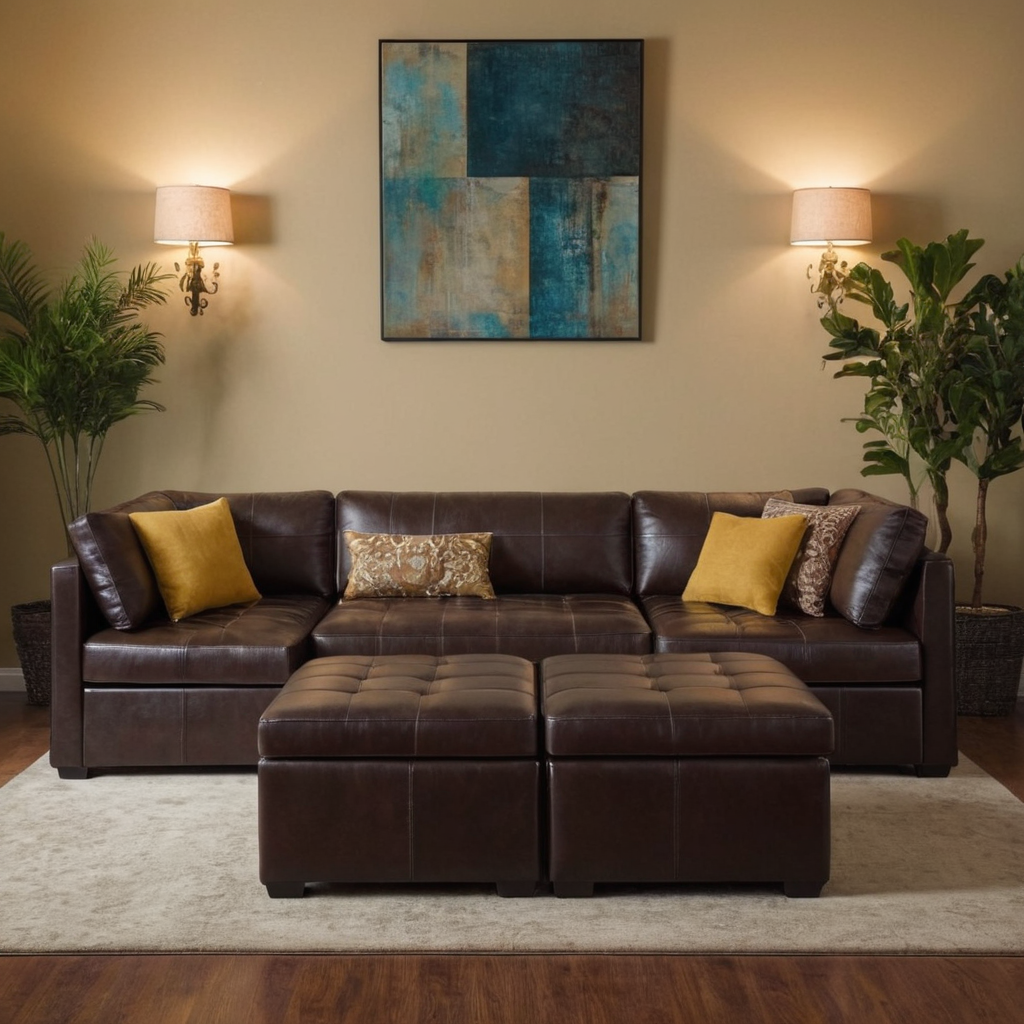
Versatility in furniture means selecting items that can adapt to different needs or be used in multiple ways, enhancing the flexibility of your space. Look for multifunctional pieces like ottomans with storage or sectionals that can be reconfigured depending on the layout you desire. These types of furniture not only offer practical solutions but also add a layer of interest and creativity to your room designs. They can help maximize limited spaces effectively, especially in smaller homes.
6. Consider Color and Texture
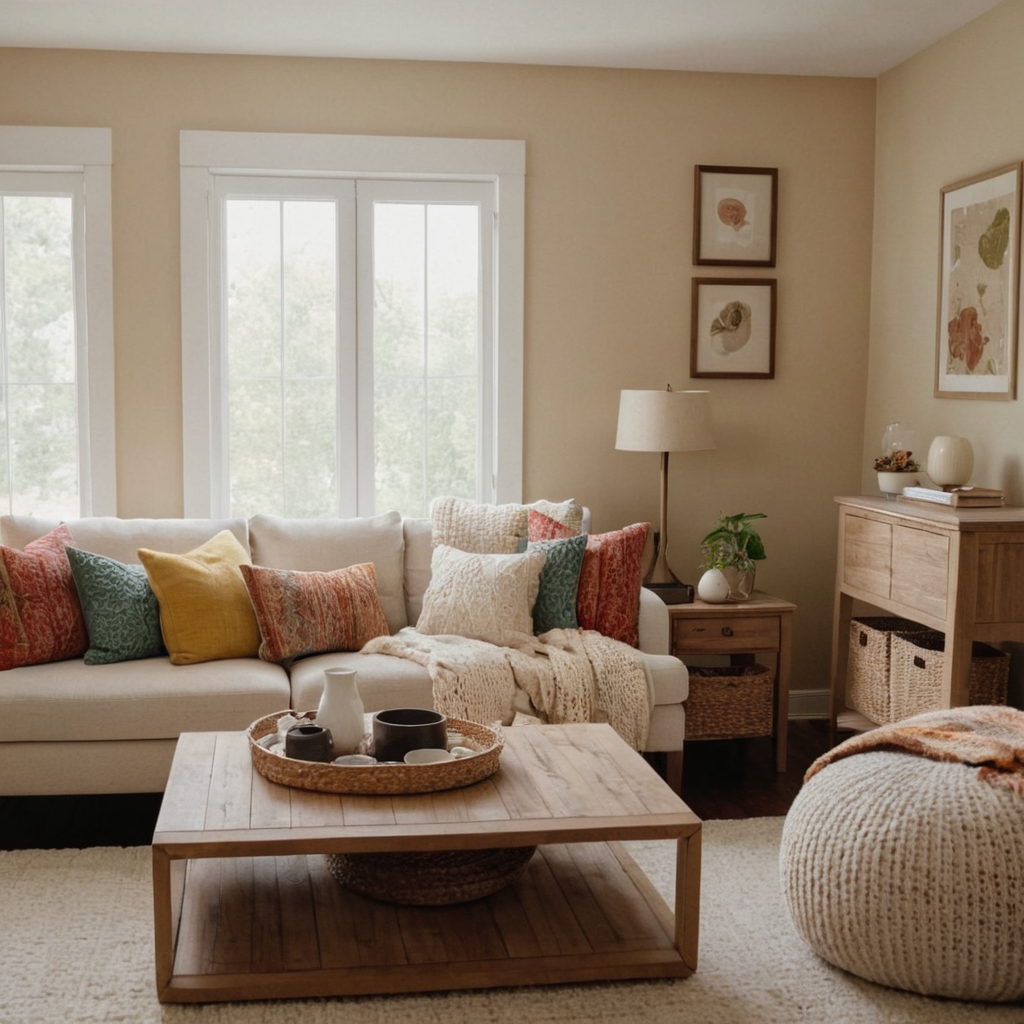
The color palette and textures of your chosen furniture play a significant role in shaping the overall atmosphere of any room. Neutral tones create a calm, cohesive backdrop that allows for easy integration of different elements and accessories. Bold colors or patterns can serve as statement pieces, drawing attention and adding personality to a space. Textures also add depth and interest; consider mixing smooth surfaces with more tactile materials like velvet or linen for added warmth and comfort.
7. Create a Focal Point
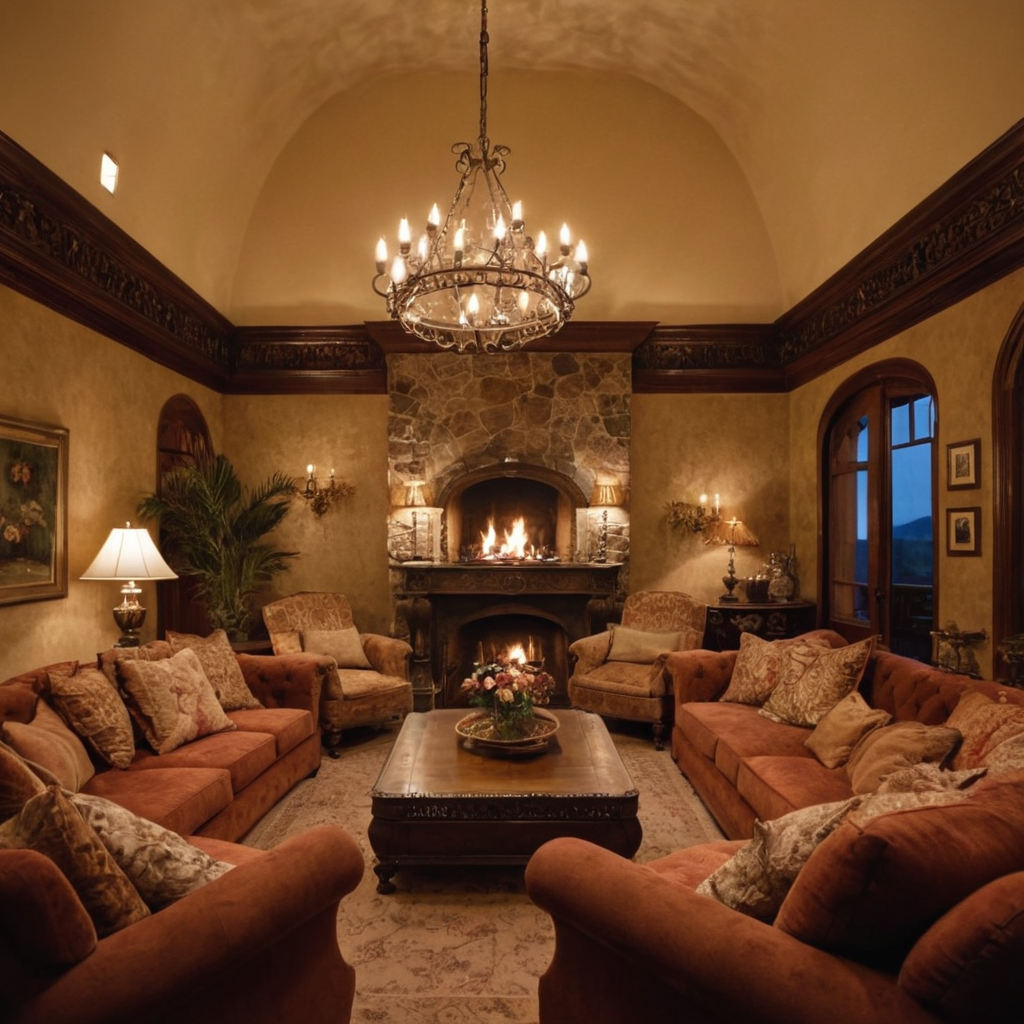
Identifying or creating a focal point in each room helps guide the eye and establishes a visual hierarchy that enhances design coherence. This could be a striking piece of furniture like an ornate fireplace, a large bookshelf, or a unique coffee table. Ensure this focal point is well-placed to draw attention and set the theme for the rest of the room. Supporting pieces should complement rather than compete with the main focus, allowing it to stand out as the centerpiece of your design.