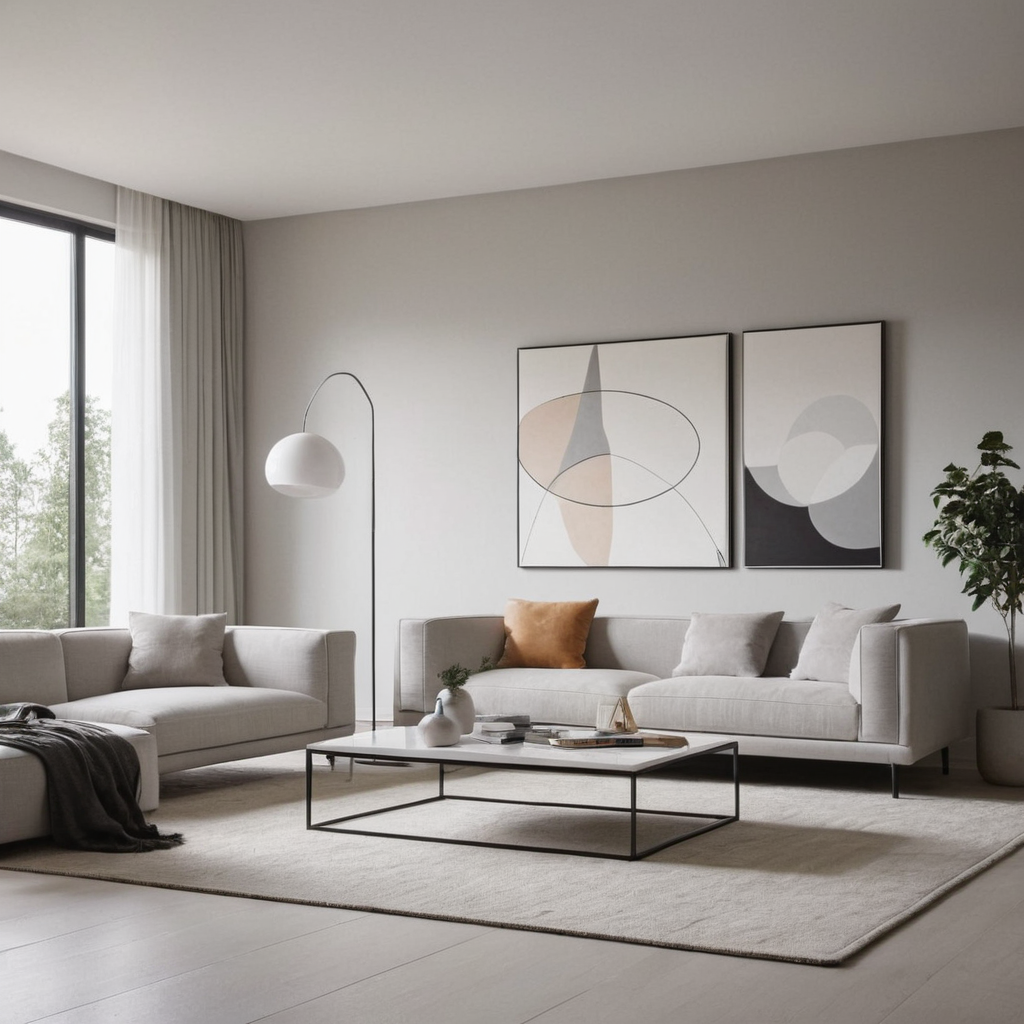
1. Understand Your Space
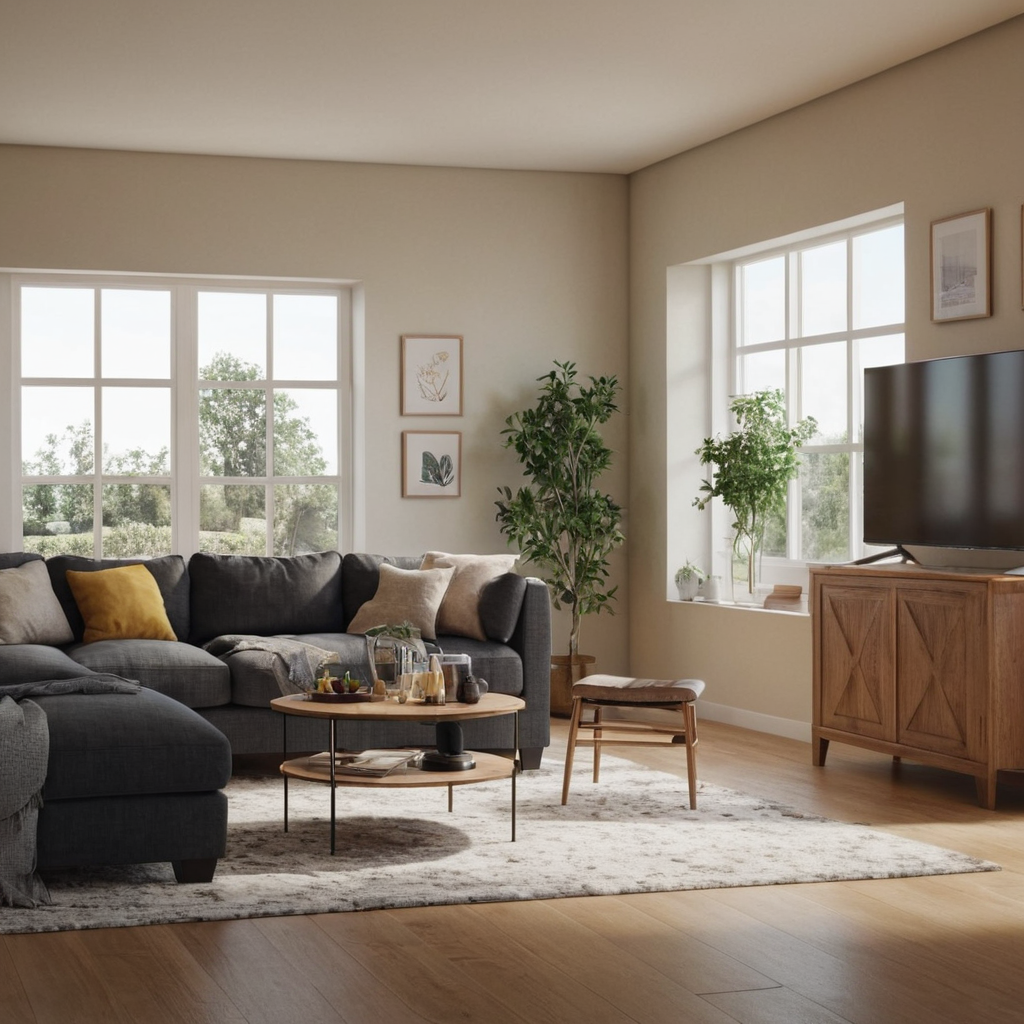
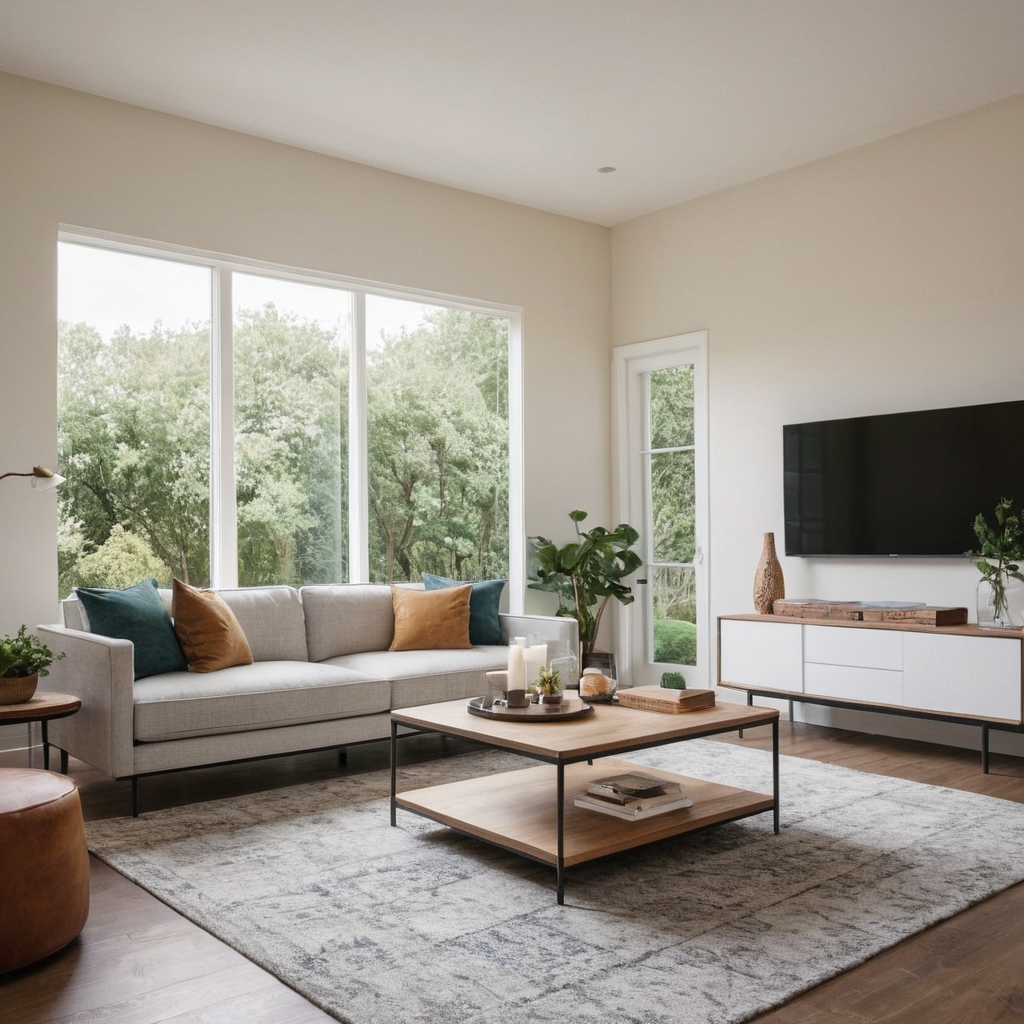
Choosing the right furniture starts with understanding your living space’s dimensions, layout, and available natural light. A well-measured room ensures that any furniture you choose will not only fit but also enhance the overall aesthetic and functionality of the area. When planning a furniture purchase, consider how it will interact with existing elements in the room.
Practical Advice: Measure your rooms before heading to the store or browsing online. Use graph paper to sketch out rough plans for furniture placement. This visual tool helps you see potential configurations and avoid overcrowding.
2. Focus on Functionality
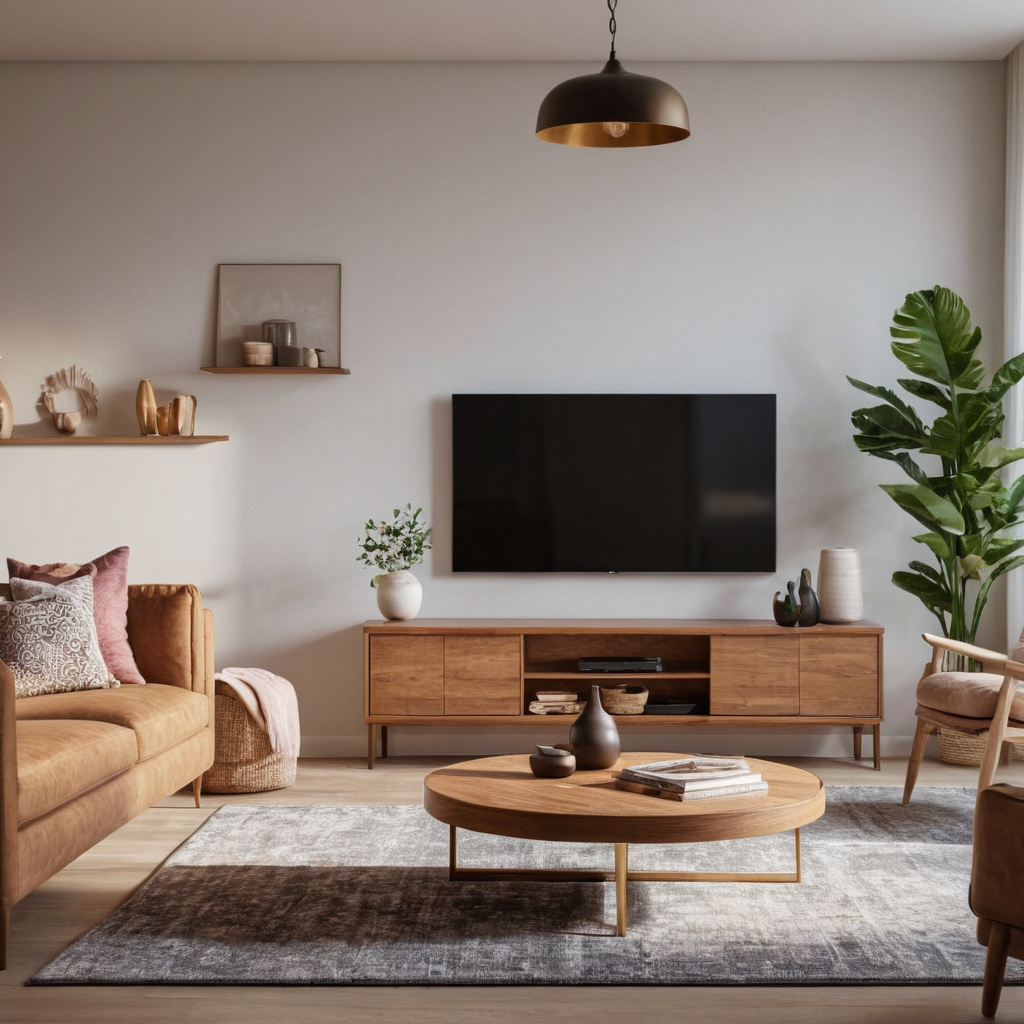
Functionality should be a top priority when selecting furniture as it affects how you use and enjoy your space daily. Consider the primary purpose of each room and ensure that any furniture purchased serves this function effectively without compromising comfort or ease of movement.
Practical Advice: When choosing seating, think about whether people will primarily use it for lounging or if there’s a need for more formal dining chairs. Ensure that coffee tables have enough space around them to allow easy access from all sides.
3. Mix Styles for a Personal Touch
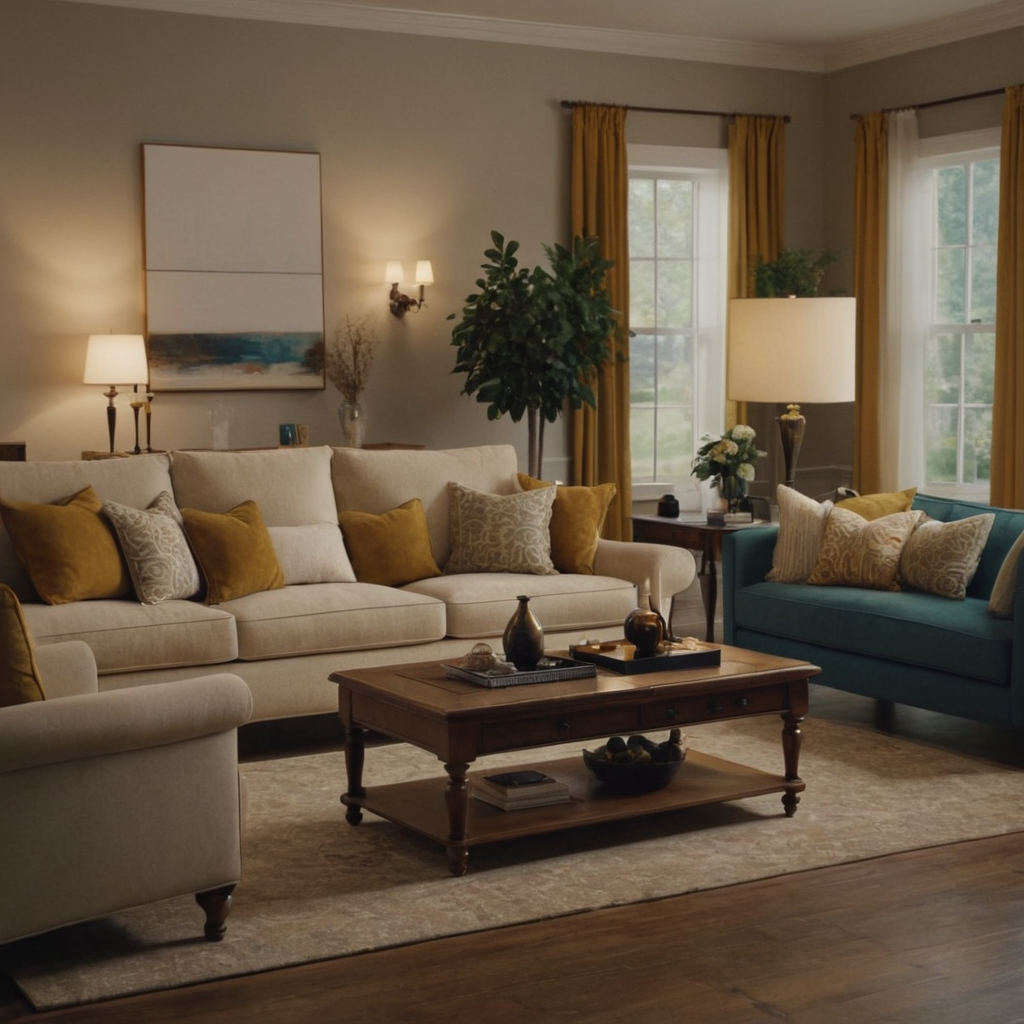
Mixing different styles of furniture can create a unique and personalized space that reflects your tastes without feeling too matchy-matchy or chaotic. Combining traditional pieces with more contemporary designs, for example, can add visual interest to a room.
Practical Advice: Choose one dominant style for the majority of your furniture but add accents from other styles like vintage side tables or modern art pieces. This approach keeps the space cohesive while adding depth.
4. Quality Over Quantity
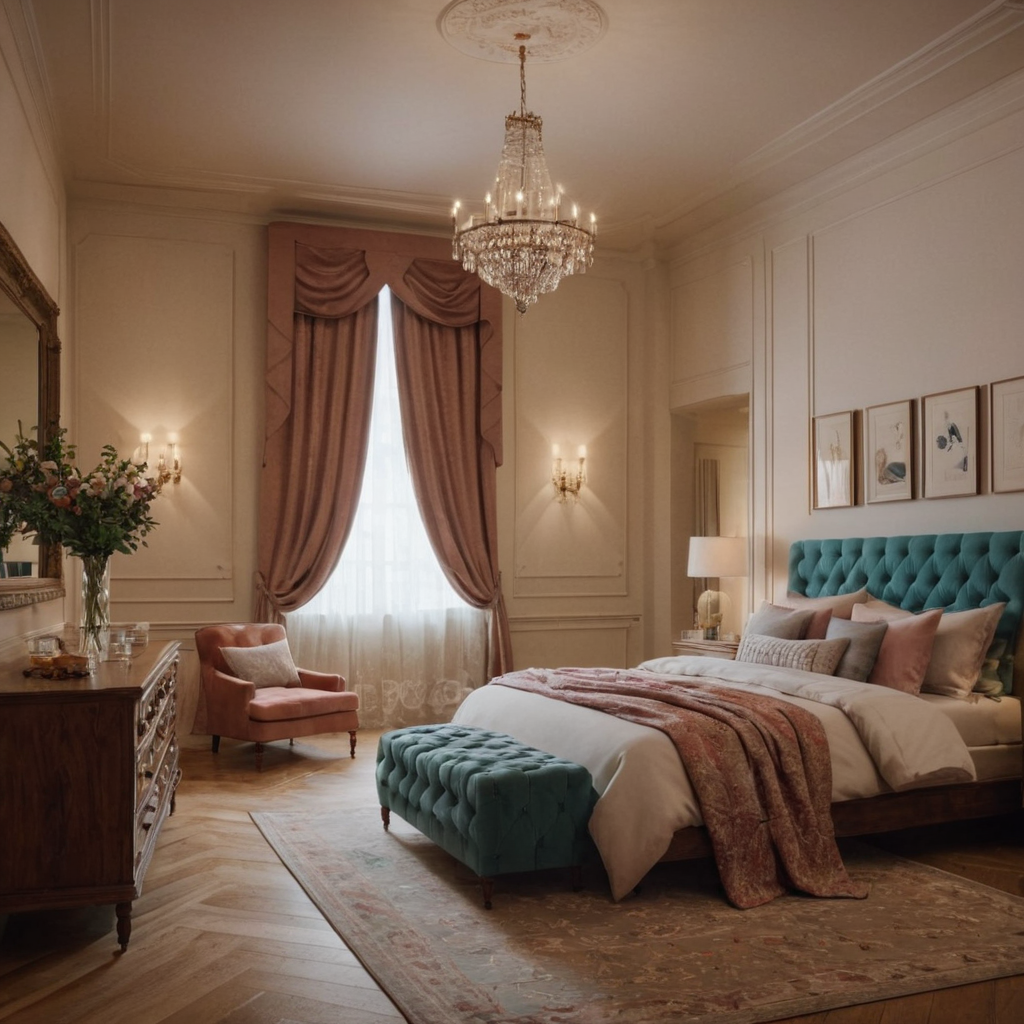
Investing in quality pieces of furniture can last longer, maintain aesthetic appeal over time, and ultimately save you money by reducing the frequency of replacements due to wear and tear.
Practical Advice: Look for sturdy construction with solid wood or metal frames rather than particle board. Check reviews about durability and craftsmanship before purchasing to ensure long-term satisfaction.
5. Scale Matters
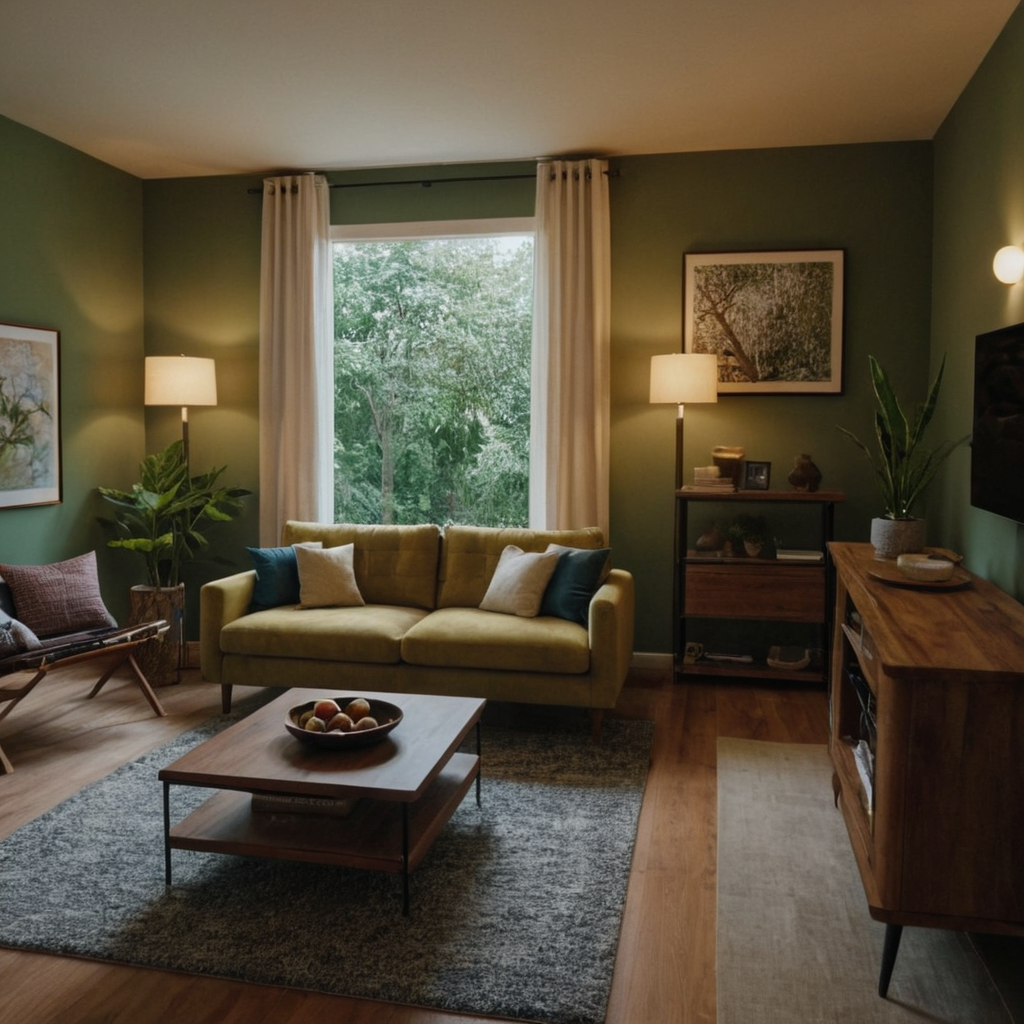
Choosing furniture that is proportional to your room size and other elements within it can make a huge difference in how the space feels. Large rooms may benefit from large furniture pieces, while smaller spaces should consider more compact or multi-functional items.
Practical Advice: Use furniture scales like small, medium, and large as guides for proportionate placement. In smaller rooms, avoid oversized pieces that can overwhelm the space; instead opt for modular seating or ottomans that do double duty.
6. Embrace Textiles and Fabrics

Textile choices are crucial as they can significantly affect the feel of a space, from softness to texture and color variations. Choosing appropriate fabrics can enhance comfort and visual appeal.
Practical Advice: For high-traffic areas or if you have pets and children, select durable fabrics like microfiber or leather that can withstand wear and tear. In bedrooms, prioritize comfort with plush linens and softer textiles.
7. Add a Statement Piece
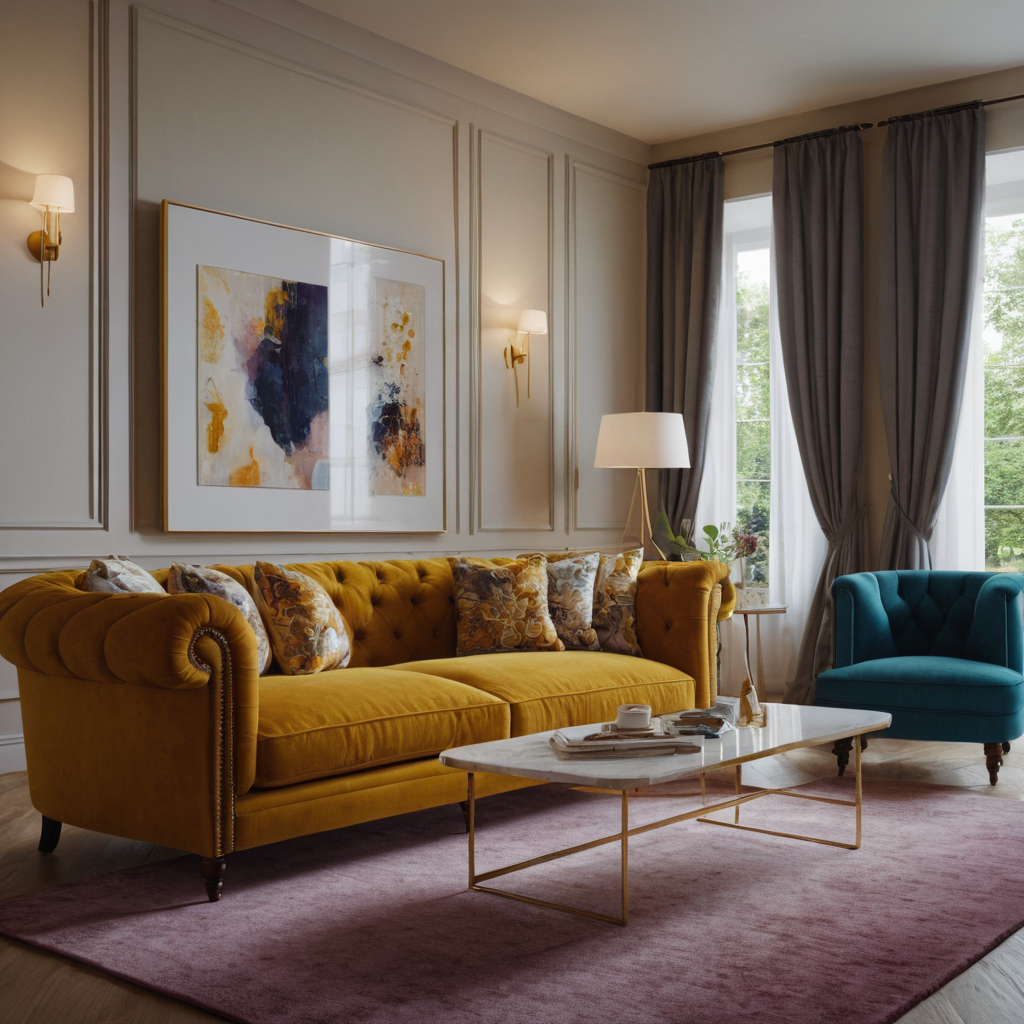
One key piece of furniture can become the focal point of your room, drawing attention and setting the tone for the rest of the space. This could be an oversized sofa in a bold color or a striking coffee table with intricate detailing.
Practical Advice: Place your statement piece in a location where it will have maximum impact, such as centered against a wall or positioned to draw the eye into the room. Surround it with more neutral pieces to highlight its uniqueness.