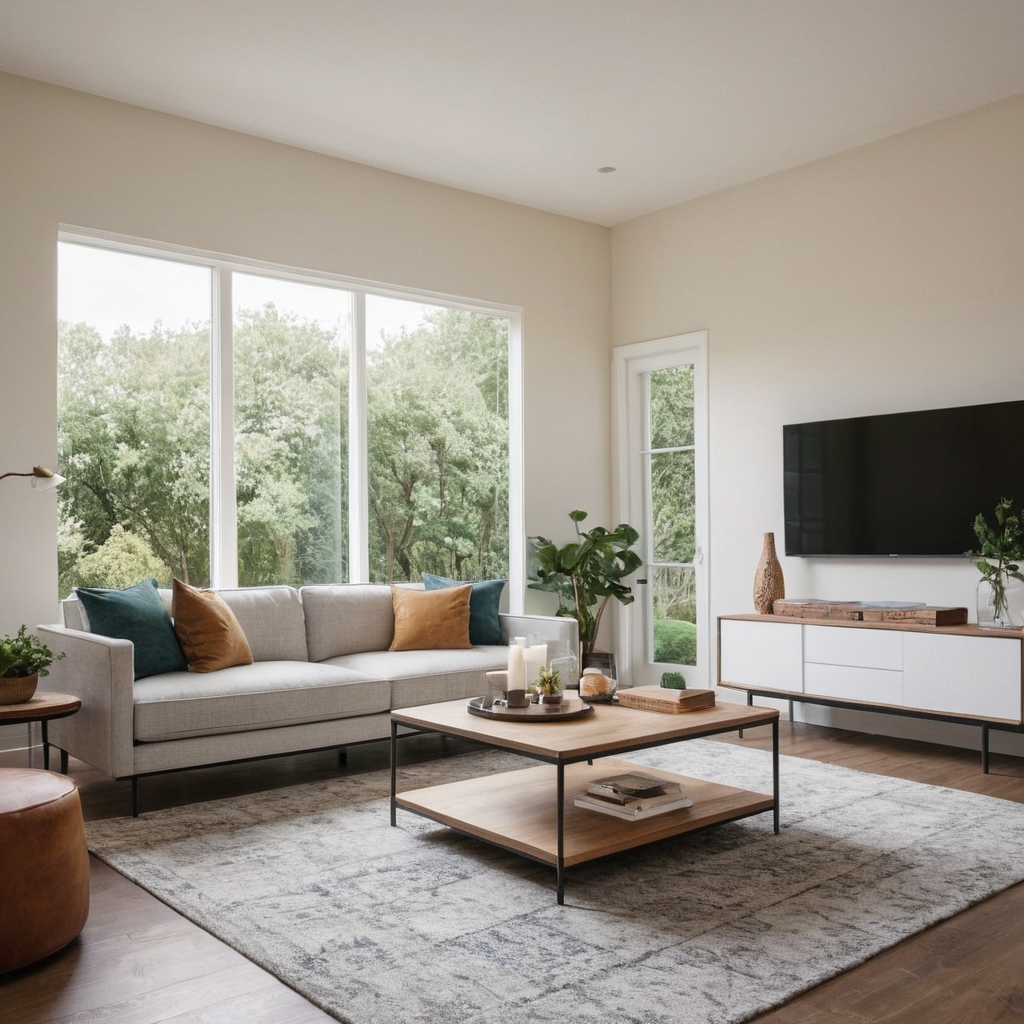
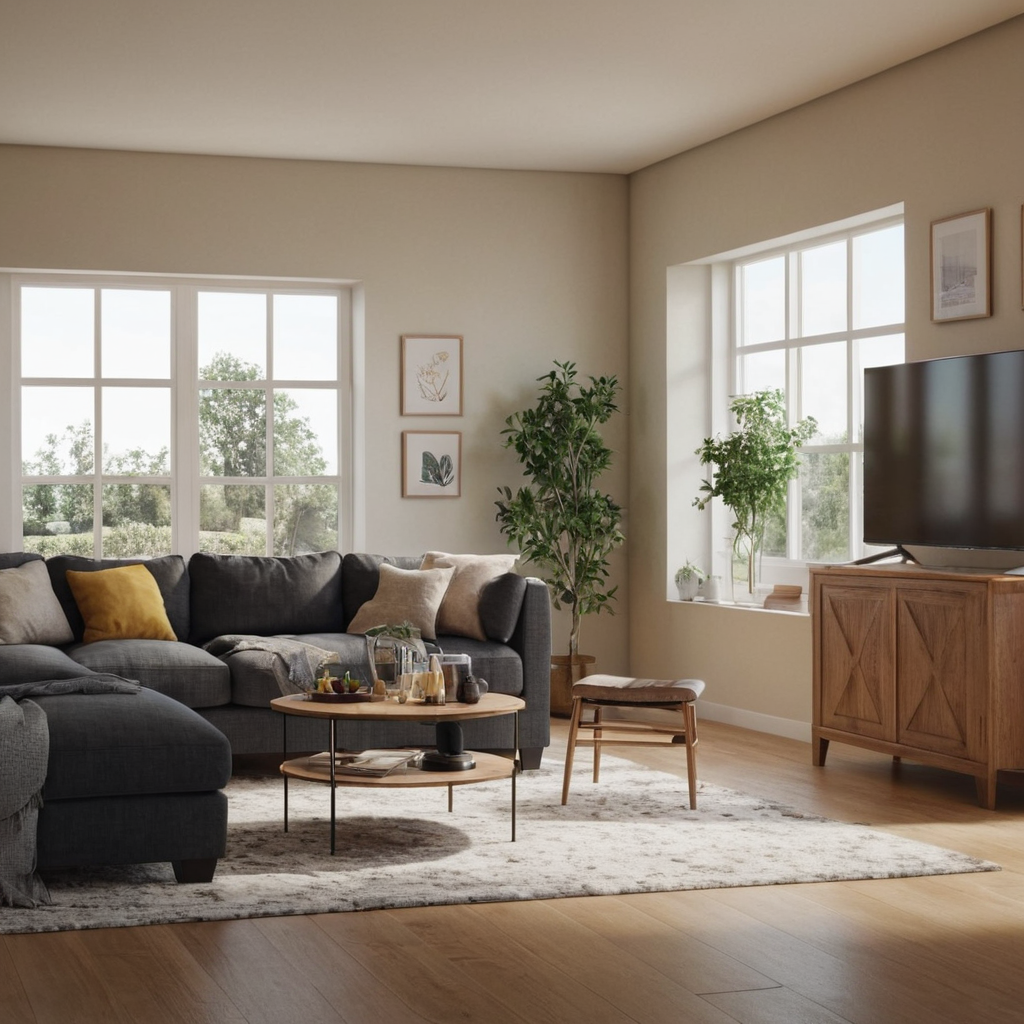
1. Consider the Purpose of Each Piece
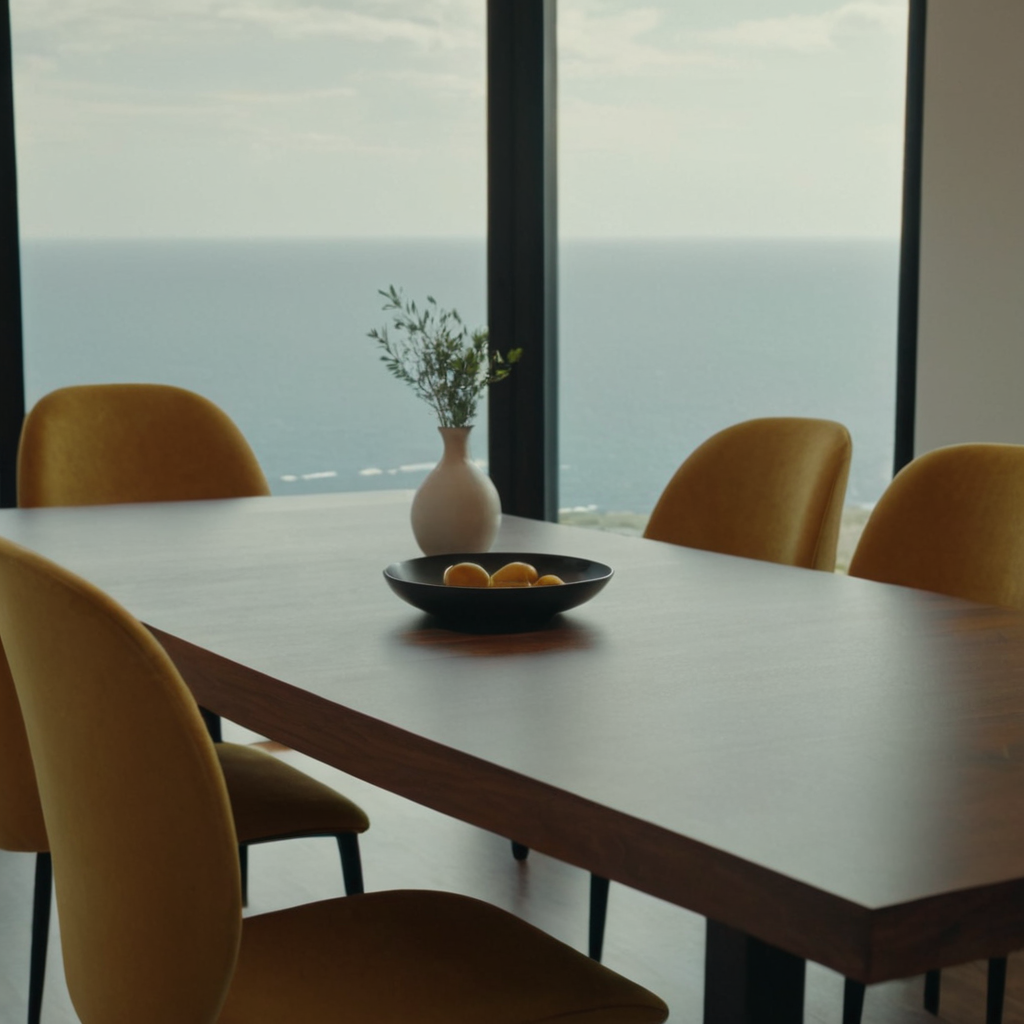
Understanding the primary function of a piece of furniture is crucial in determining its quality and suitability for your space. A dining table should be durable and functional, while an armchair needs to prioritize comfort and aesthetics. This balance ensures that each piece serves both form and function effectively.
When choosing furniture, think about how often it will be used and under what conditions. For high-traffic areas like living rooms or kitchens, opt for materials that can withstand wear and tear. In more private spaces such as bedrooms, prioritize comfort and aesthetics to create a relaxing atmosphere.
2. Invest in Quality Materials
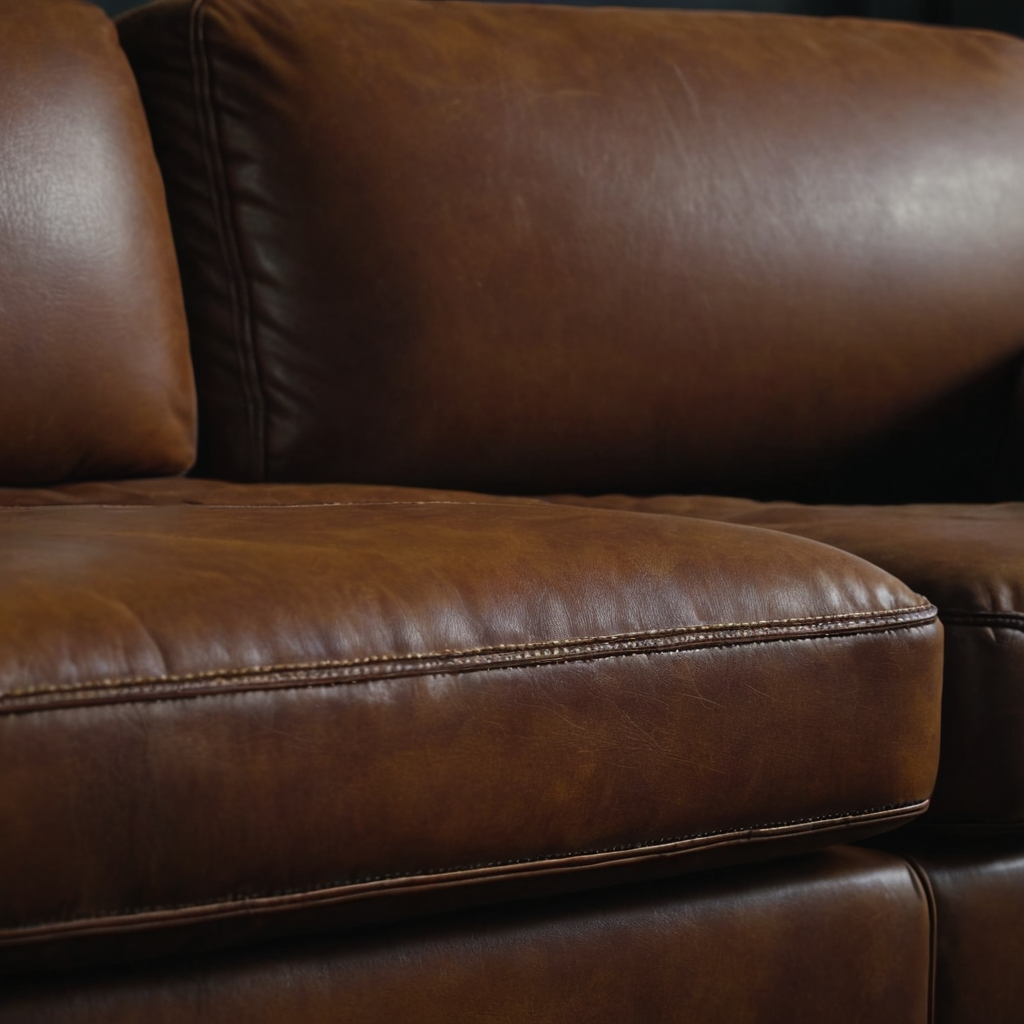
The materials used in furniture can greatly affect its longevity and overall quality. High-quality woods, metals, and textiles not only enhance the appearance but also ensure durability over time. Consider how these materials will age and whether they require special care or maintenance.
When selecting materials, look for solid wood options over veneers when budget allows, as they tend to be more durable and maintain their value better. For upholstery, choose fabrics like leather or high-quality cotton blends that are known for their durability and ease of cleaning.
3. Focus on Proportions and Scale
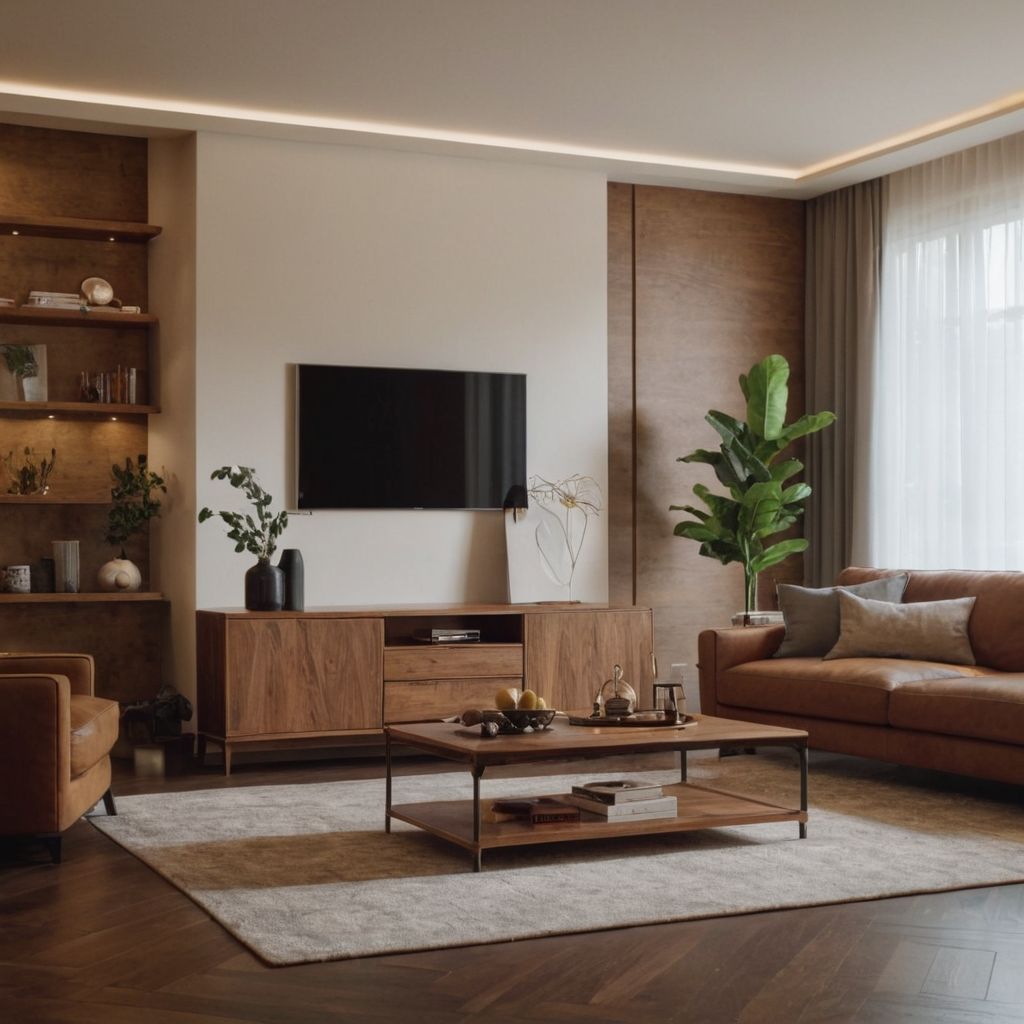
Proper scale is essential in making your furniture complement rather than overwhelm the room. Each piece should fit harmoniously within its space, considering both height and width. Large rooms can handle larger furniture pieces, while smaller spaces require more compact options to avoid feeling cramped.
When planning proportions, consider the size of the room and how it flows into adjacent areas. For example, a large sofa in a small living room can create an oppressive feel. Conversely, using appropriately sized furniture can make any space feel balanced and inviting.
4. Blend Styles for a Cohesive Look
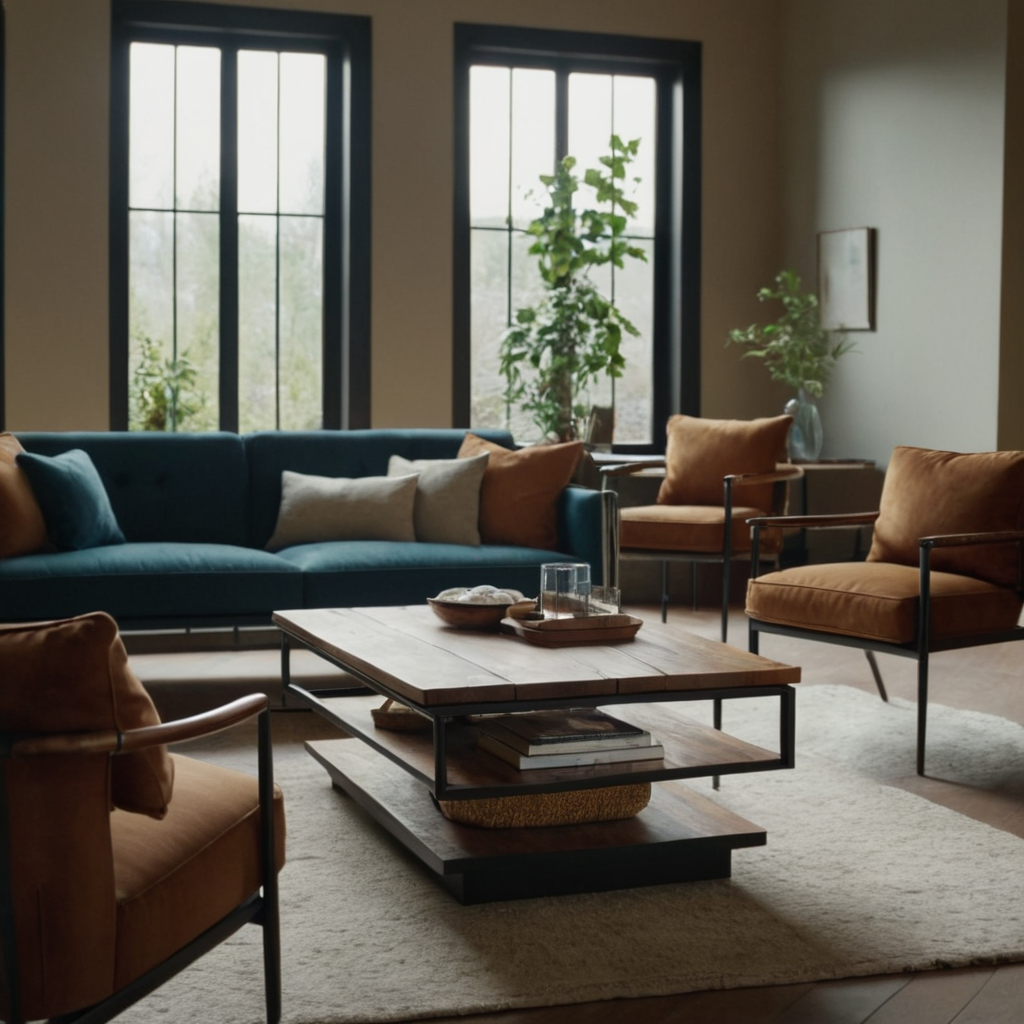
Mixing different styles can create a unique, personalized look in your home while maintaining a cohesive theme. This blend can include combining contemporary and traditional pieces or mixing textures such as metal with wood. The key is to ensure that each piece complements the others without clashing.
To achieve this harmony, focus on elements like color palettes and materials that connect different styles. For instance, use neutral colors for a base and introduce bold accents through accessories or statement furniture pieces. This approach allows you to incorporate personal preferences while keeping your space visually appealing.
5. Pay Attention to Detail and Craftsmanship
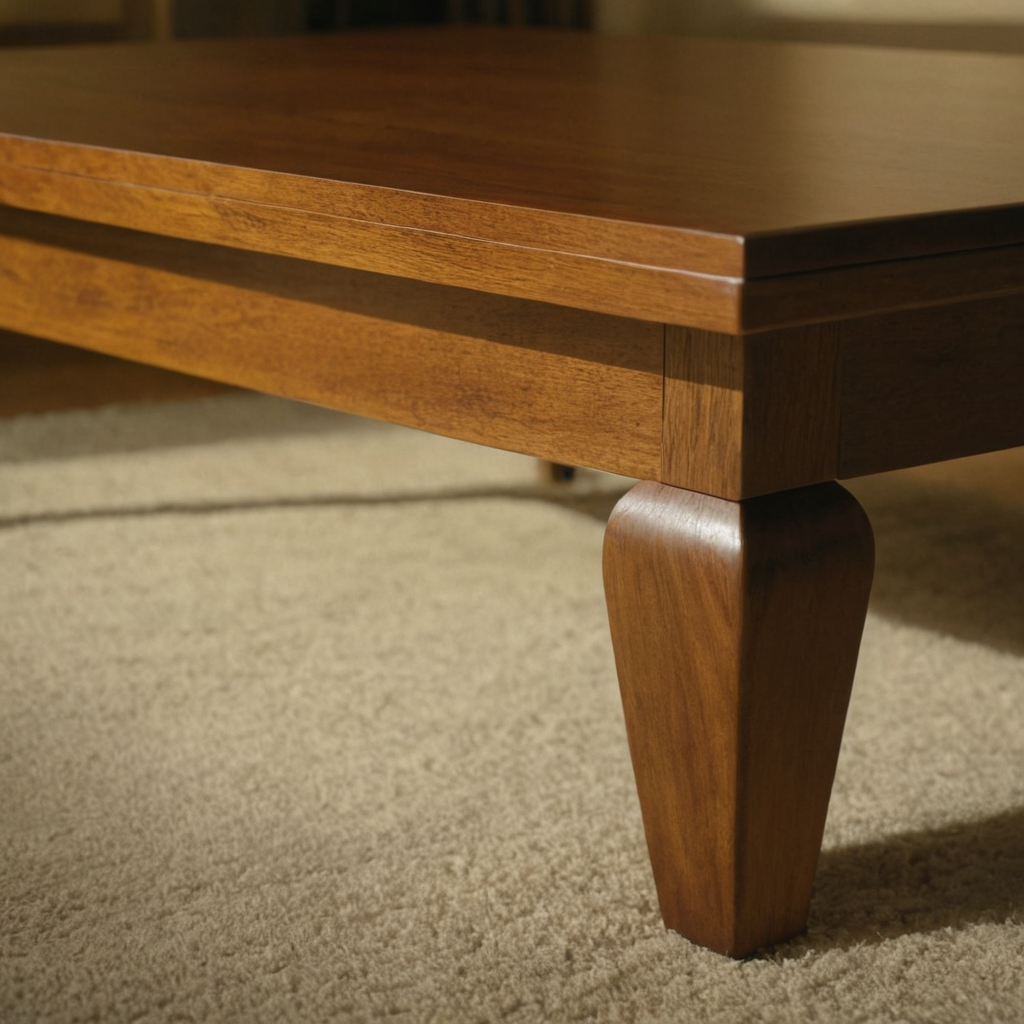
Craftsmanship plays a critical role in determining the quality of furniture. Well-crafted pieces often feature meticulous attention to detail, such as smooth finishes, accurate joints, and sturdy construction. These elements not only enhance durability but also contribute to the aesthetic appeal.
When evaluating craftsmanship, inspect details like drawer pulls, hinges, and overall finish for signs of high-quality workmanship. Furniture that is well-made will last longer and maintain its appearance over time, justifying a higher initial investment.
6. Balance Form and Functionality
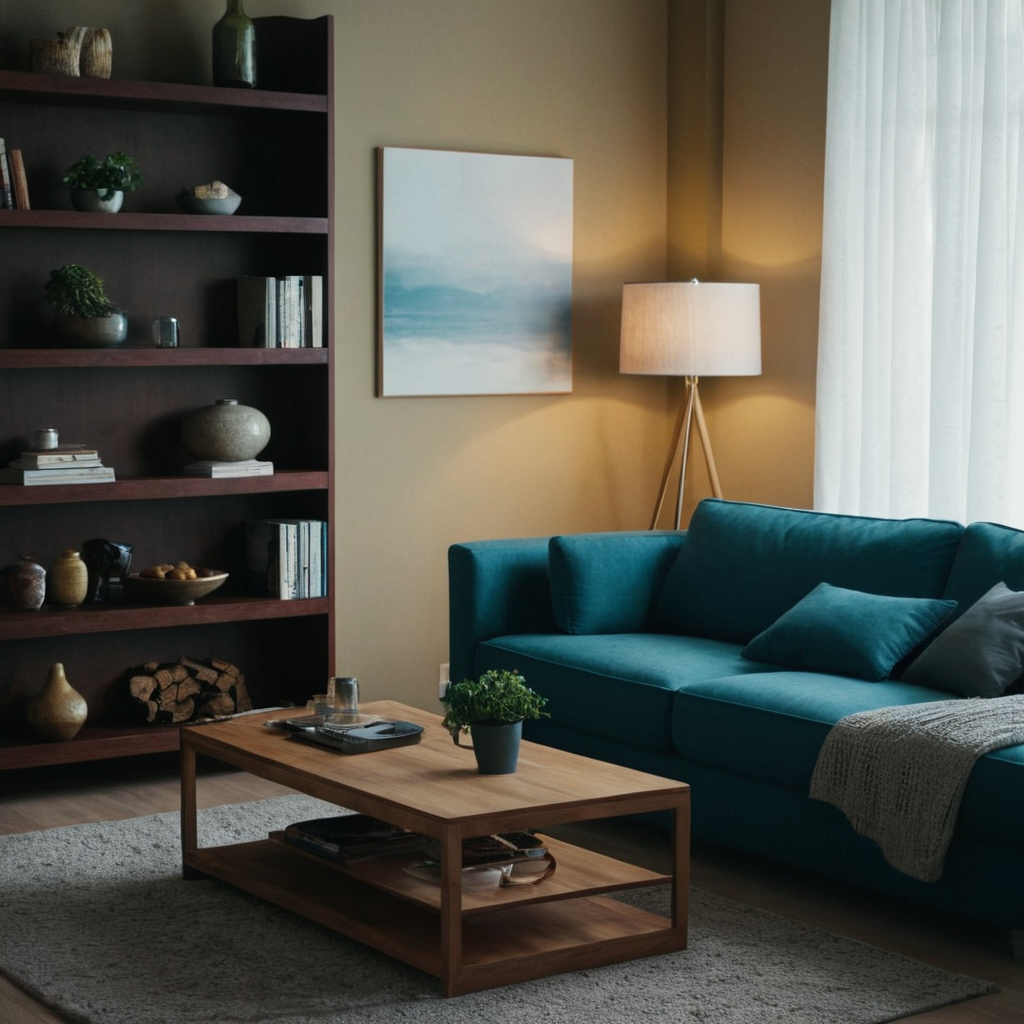
In furniture selection, achieving a balance between form and functionality is crucial for creating a harmonious living space. While aesthetic appeal can draw attention to a piece, its practicality in fulfilling daily needs should not be overlooked.
To ensure this balance, consider how each item will serve your lifestyle. For example, a coffee table might need ample storage beneath or an ottoman with hidden compartments for media equipment. By combining these functional elements with stylish designs, you can create spaces that are both beautiful and practical.
7. Make Use of Space Efficiently
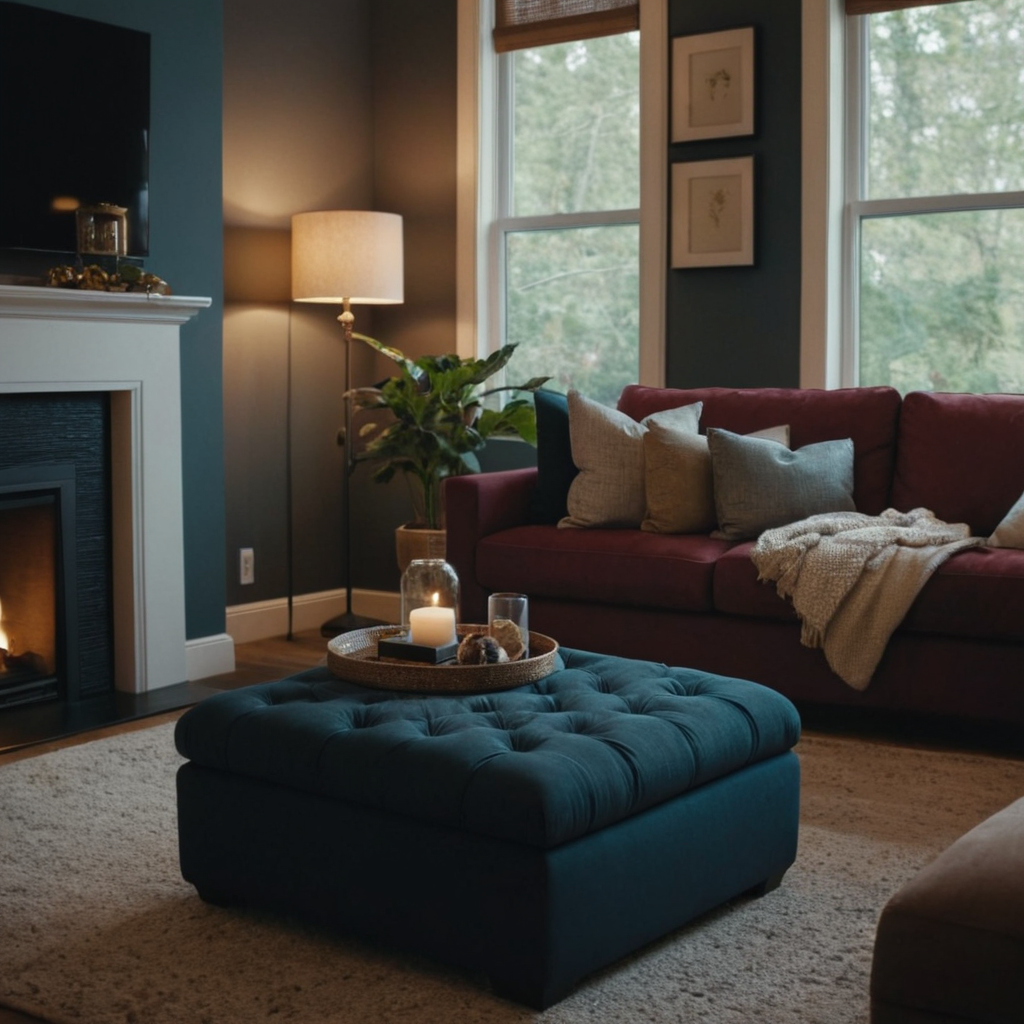
Efficient space planning is vital for maximizing the functionality and aesthetic appeal of your home, especially in smaller rooms where every inch counts. Choosing furniture that fits the scale of a room and doesn’t overcrowd it can make a significant difference.
Consider multifunctional pieces such as ottomans with storage or extendable dining tables to adapt to different needs and occasions. These solutions allow you to optimize your space without compromising on comfort or style, making your home more versatile and enjoyable.