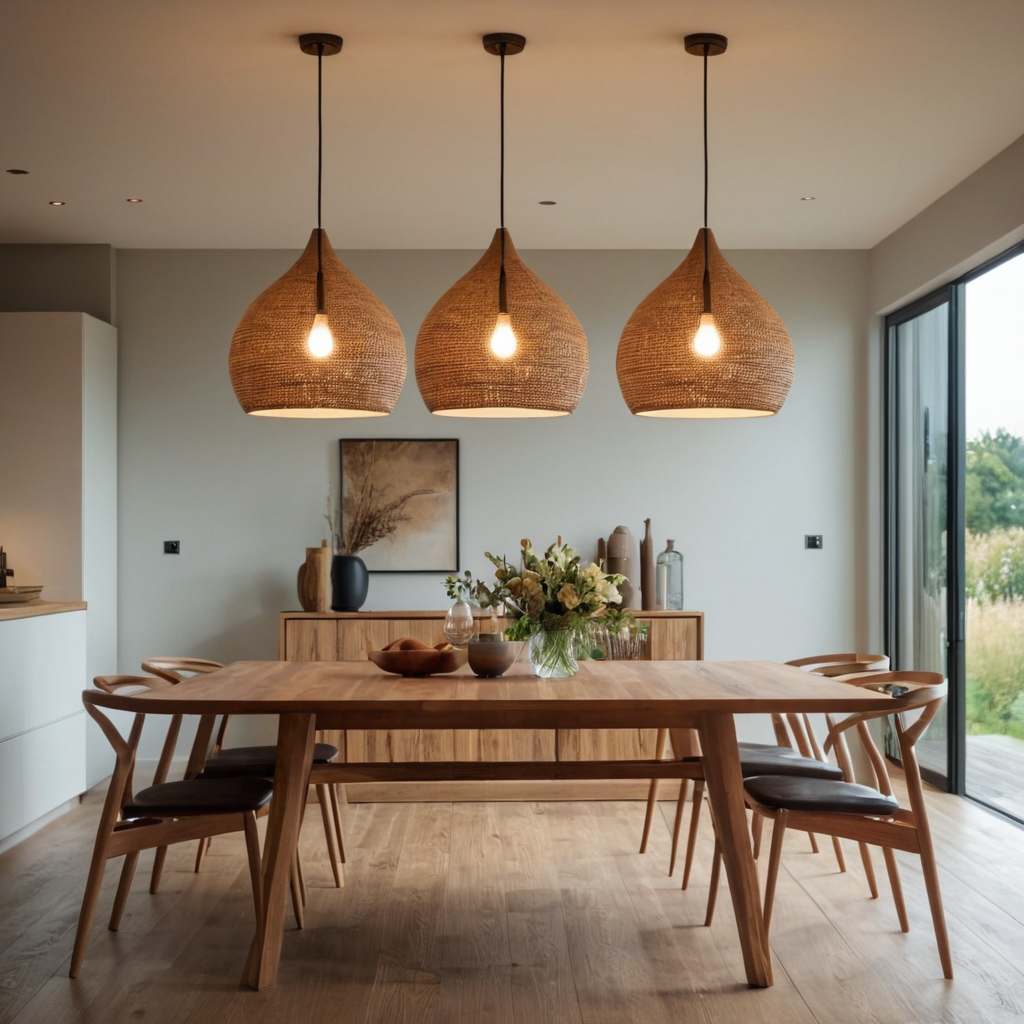
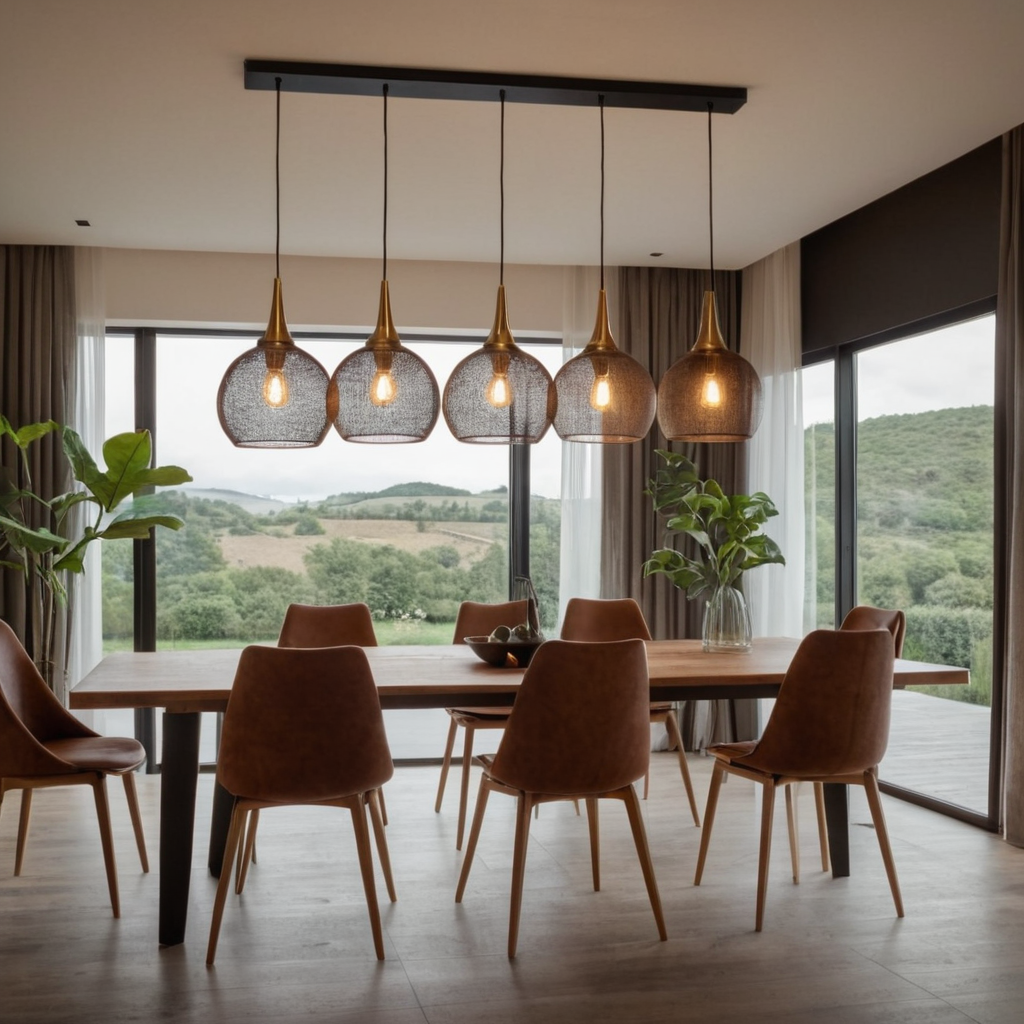
1. Pendant Lights for Focal Points
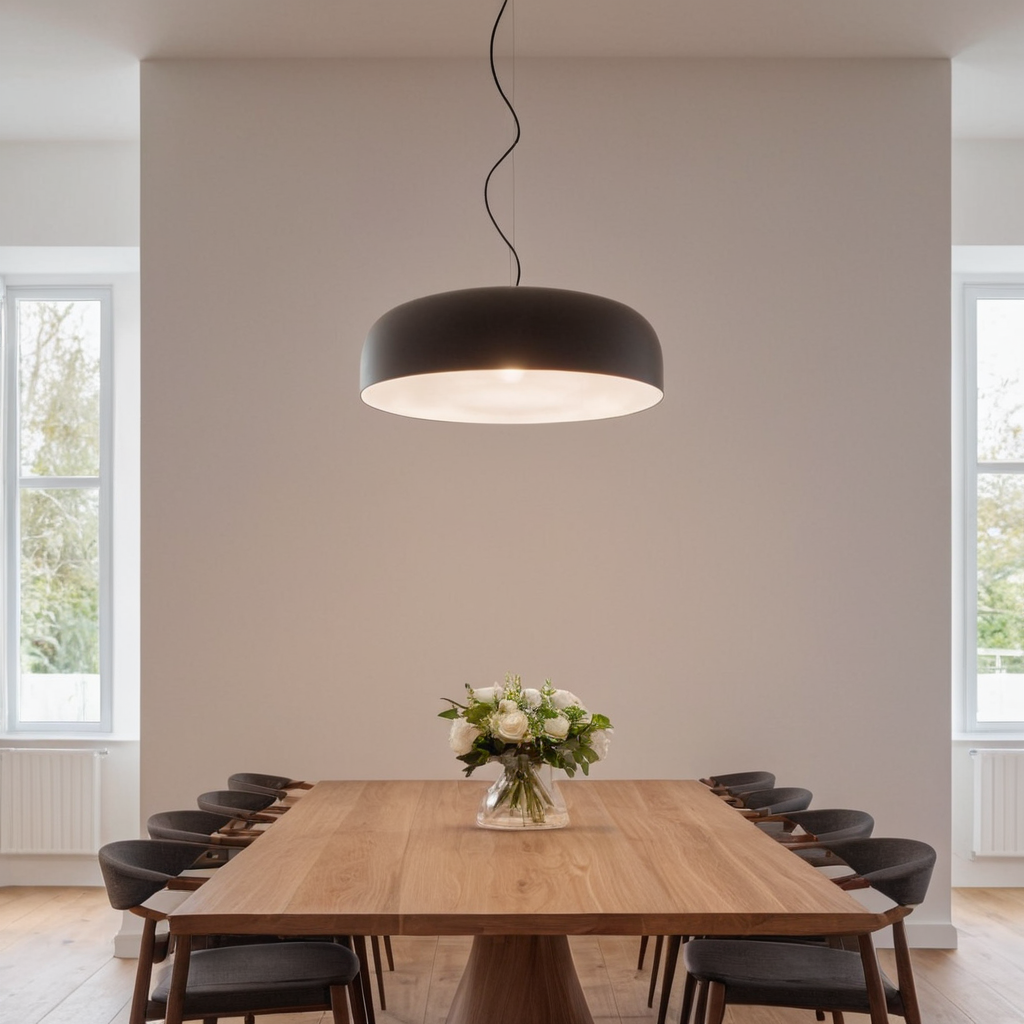
Pendant lights serve as both functional and decorative elements, often becoming the focal point of a room. They can hang over dining tables or island counters, casting warm light downwards while adding visual interest to your ceiling space. When choosing pendant lighting, consider the style and size that complements your decor. For example, minimalist rooms might benefit from sleek, modern designs, whereas vintage-themed spaces may pair well with ornate, antique-style pendants.
2. Architectural Lighting for Dramatic Effects
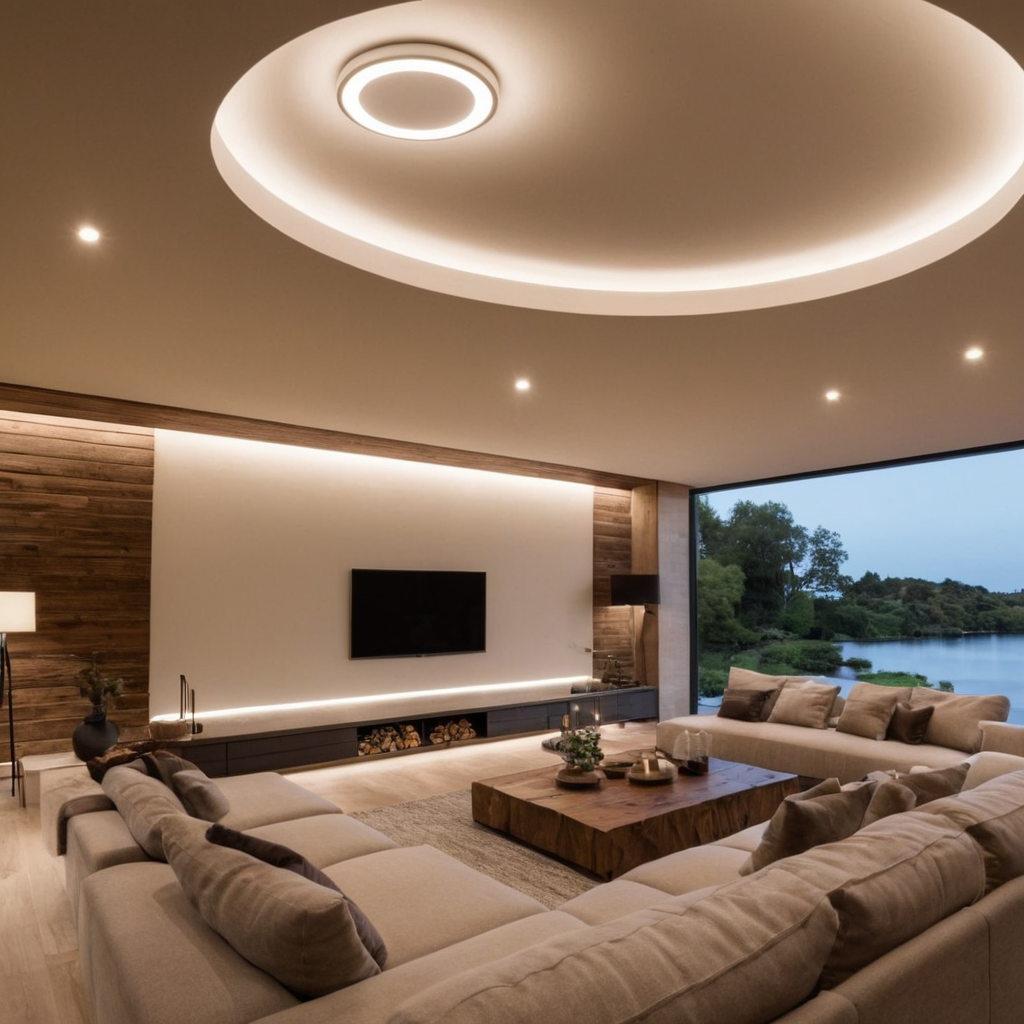
Architectural lighting fixtures are designed to enhance the structural elements of your home, from the ceiling beams to the window frames. These lights can create dramatic effects by highlighting textures and shapes in your space. For instance, recessed downlights along a cathedral ceiling can accentuate its height and architectural beauty. When incorporating these lights into your design, consider how they interact with natural light sources like windows to create dynamic lighting scenarios.
3. Floor Lamps for Cozy Reading Nooks
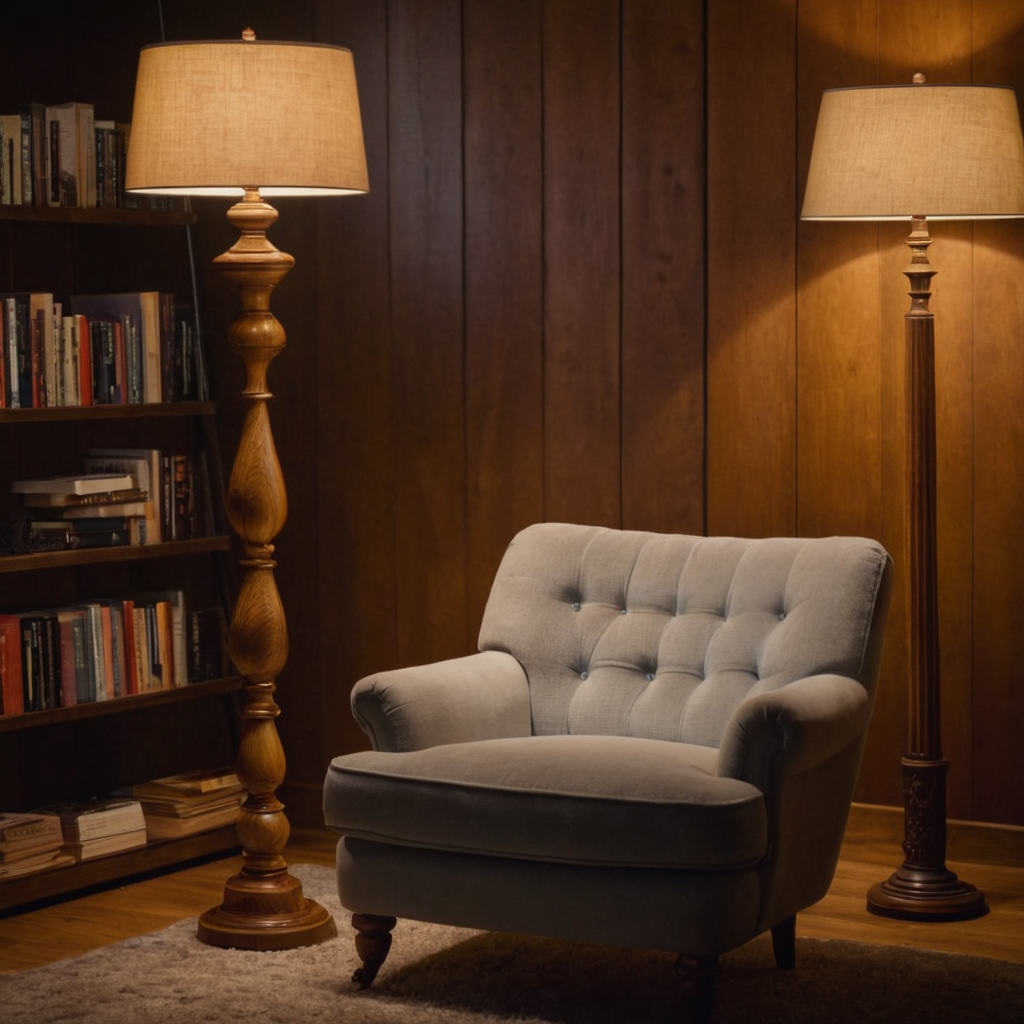
Floor lamps offer versatile lighting options and are perfect for creating cozy reading nooks or adding ambient light to your living space. They can be moved around easily, making them a flexible solution for various room layouts. Choose a floor lamp with adjustable arms if you want flexibility in directing the light where it’s needed most. Opt for warm-toned bulbs to create a welcoming glow that complements both modern and traditional interiors.
4. Dimmable Lighting for Mood Setting
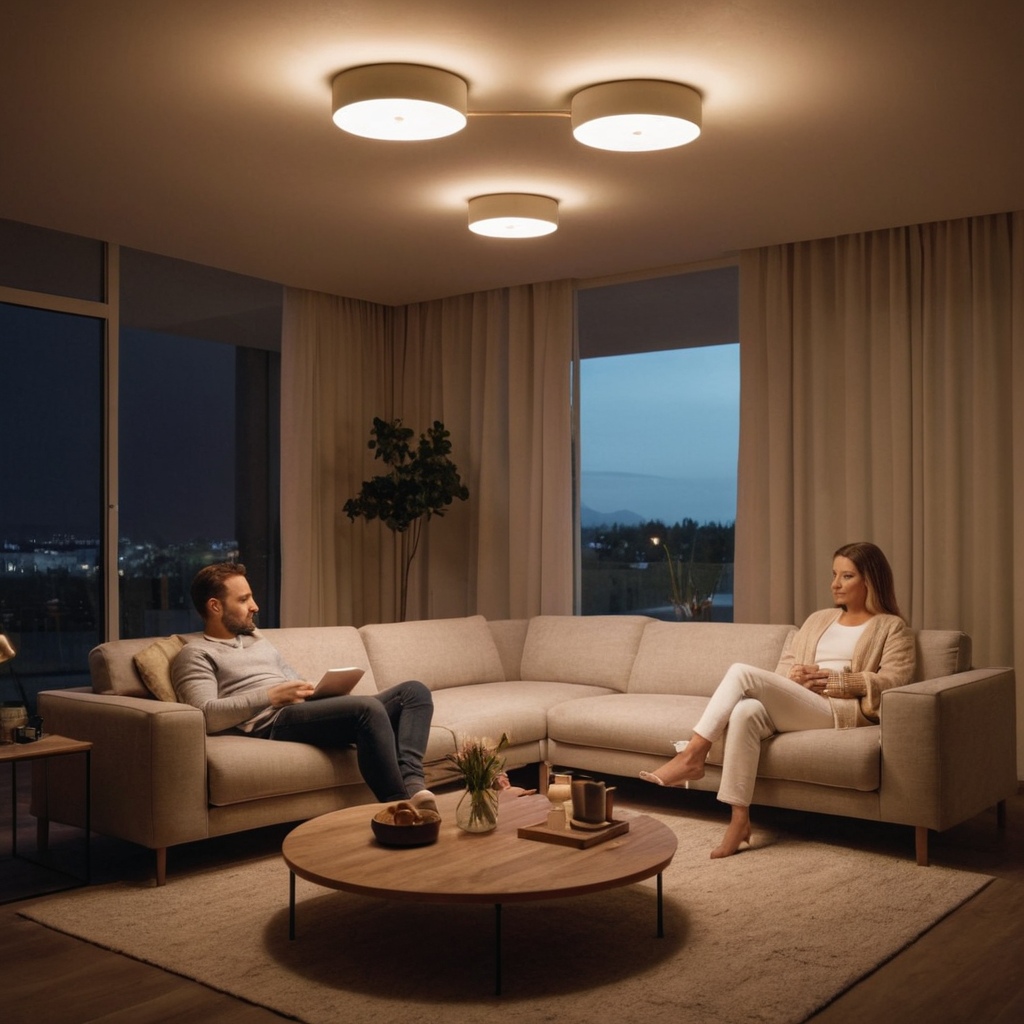
Dimmable lighting allows you to control the ambiance of your space, making it an essential feature for various occasions and moods. From creating a romantic dining experience to setting up a relaxing evening atmosphere in the living room, dimmable lights offer endless possibilities. When installing these fixtures, ensure they are easy to access from seating areas or entrances so that you can adjust them effortlessly.
5. Task Lighting for Work Spaces
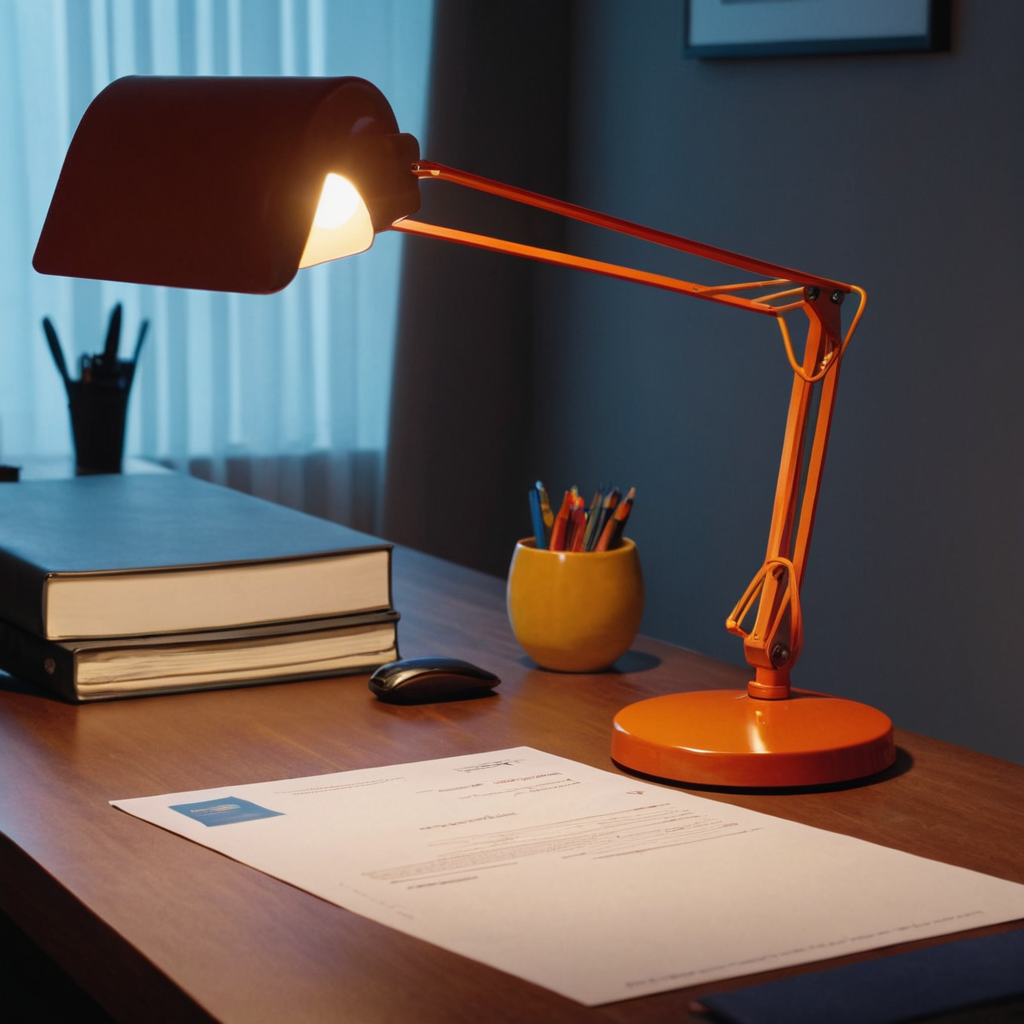
Task lighting is crucial for workspaces where clear, focused illumination is needed. Desk lamps or under-cabinet lights are ideal for this purpose as they can be directed precisely where light is required. Consider the color temperature of your bulbs; cool white tones provide a crisp, energetic environment suitable for tasks like reading and writing. In contrast, warmer tones create a more relaxed atmosphere that might be better suited to creative workspaces.
6. Outdoor Lighting for Extended Living Spaces
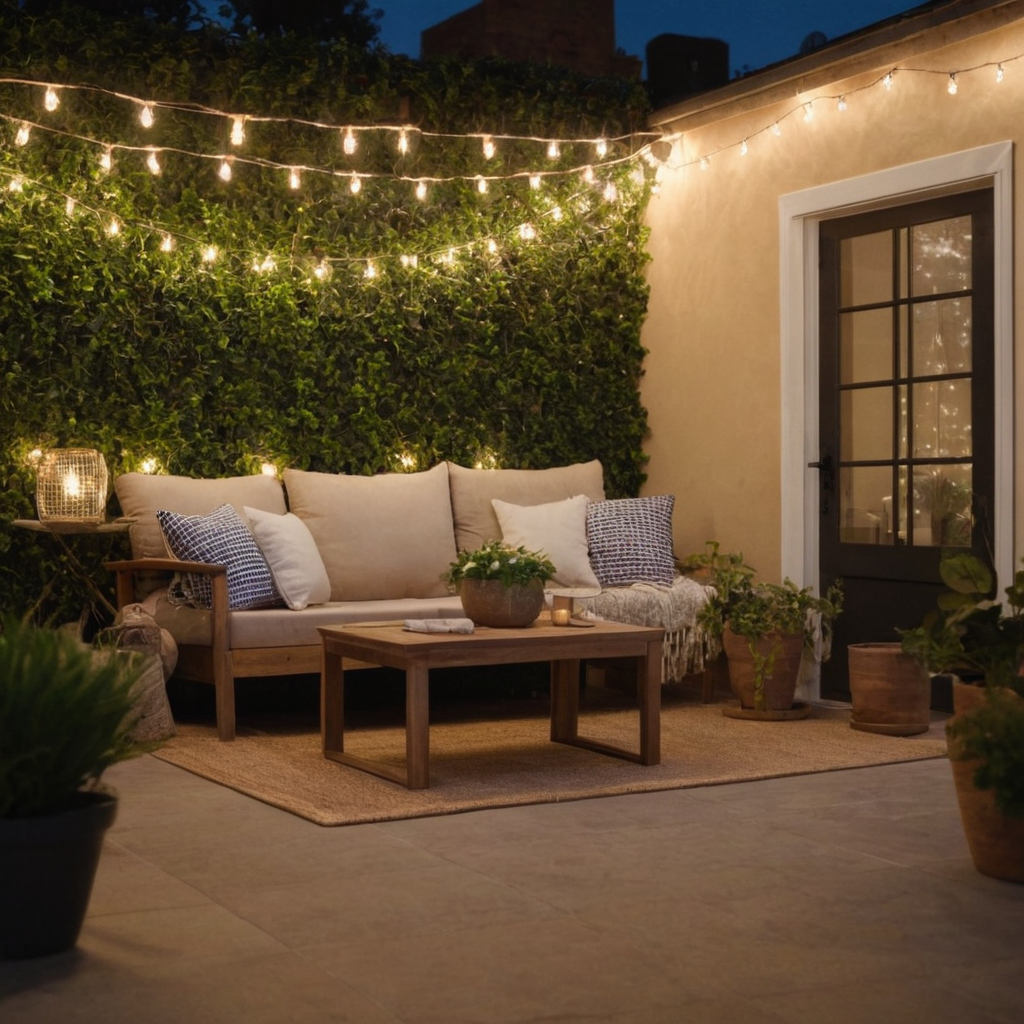
Outdoor lighting not only enhances safety but also extends your living space into the garden or patio area. Path lights and wall-mounted fixtures can guide guests to your front door, while string lights add a whimsical touch that’s perfect for summer evenings outdoors. For a sophisticated look, consider adding spotlights to highlight specific features like trees or sculptures in your outdoor decor.
7. Layered Lighting for Balanced Aesthetics
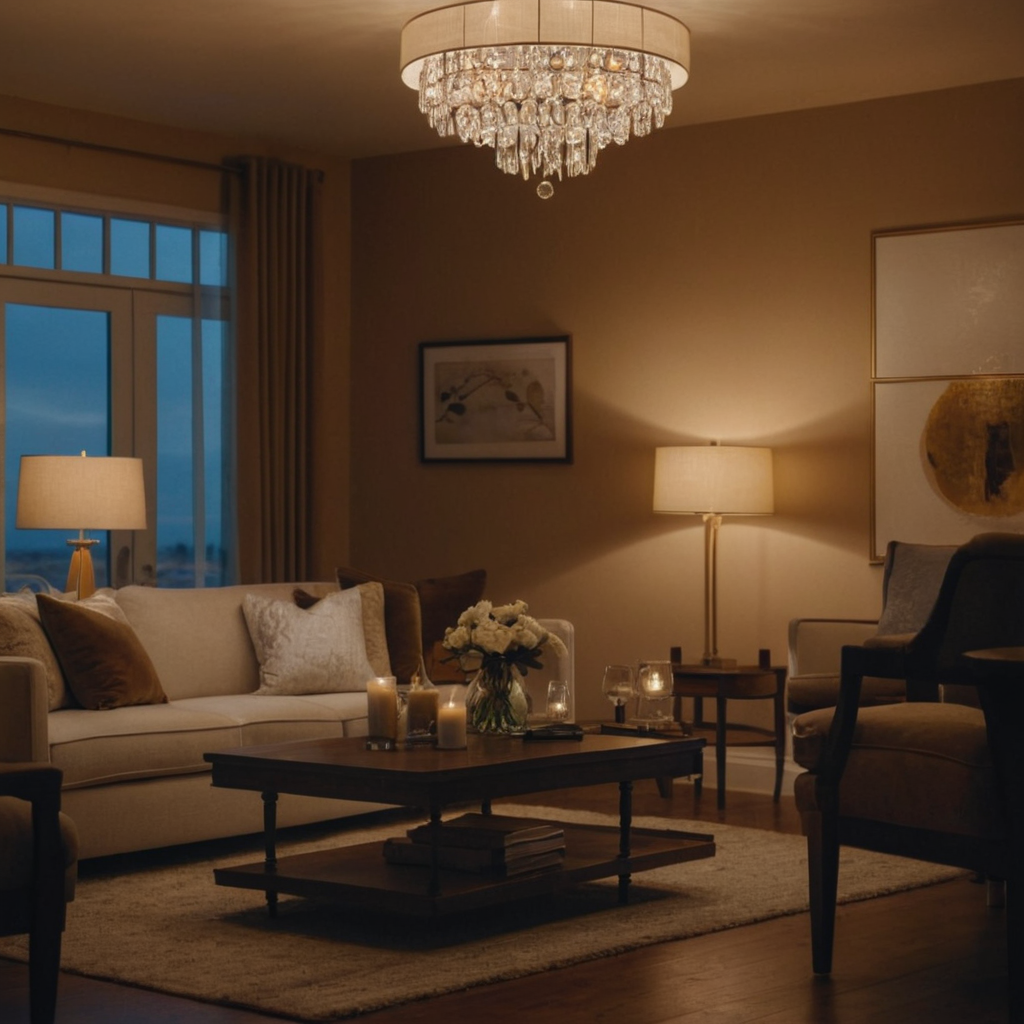
Layered lighting combines different types of light sources to create a balanced and visually appealing environment. This approach involves mixing overhead lights, task lighting, and ambient lighting such as table lamps or floor lamps. By layering these elements, you can achieve a well-distributed glow that accommodates various activities throughout the day. Start with a main light source like a ceiling fixture, then add secondary sources for specific tasks or to create focal points.