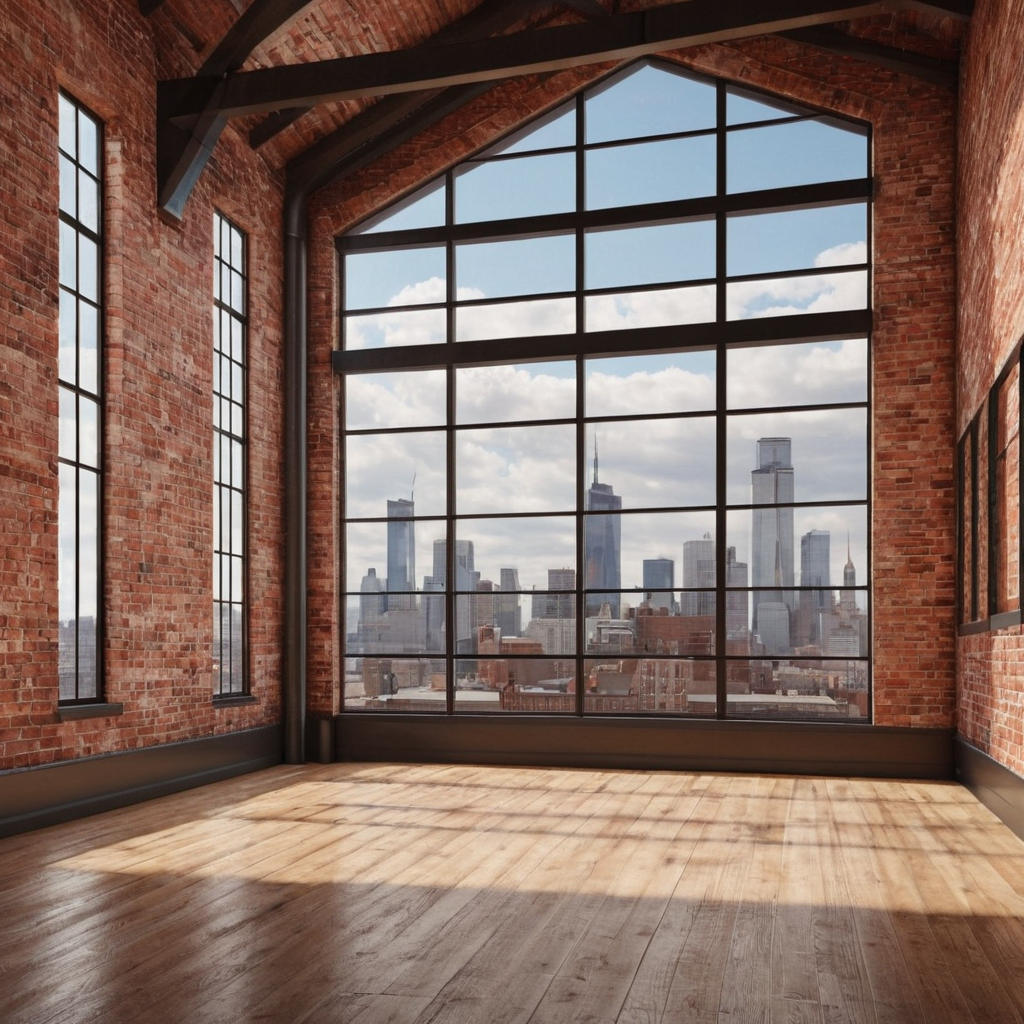
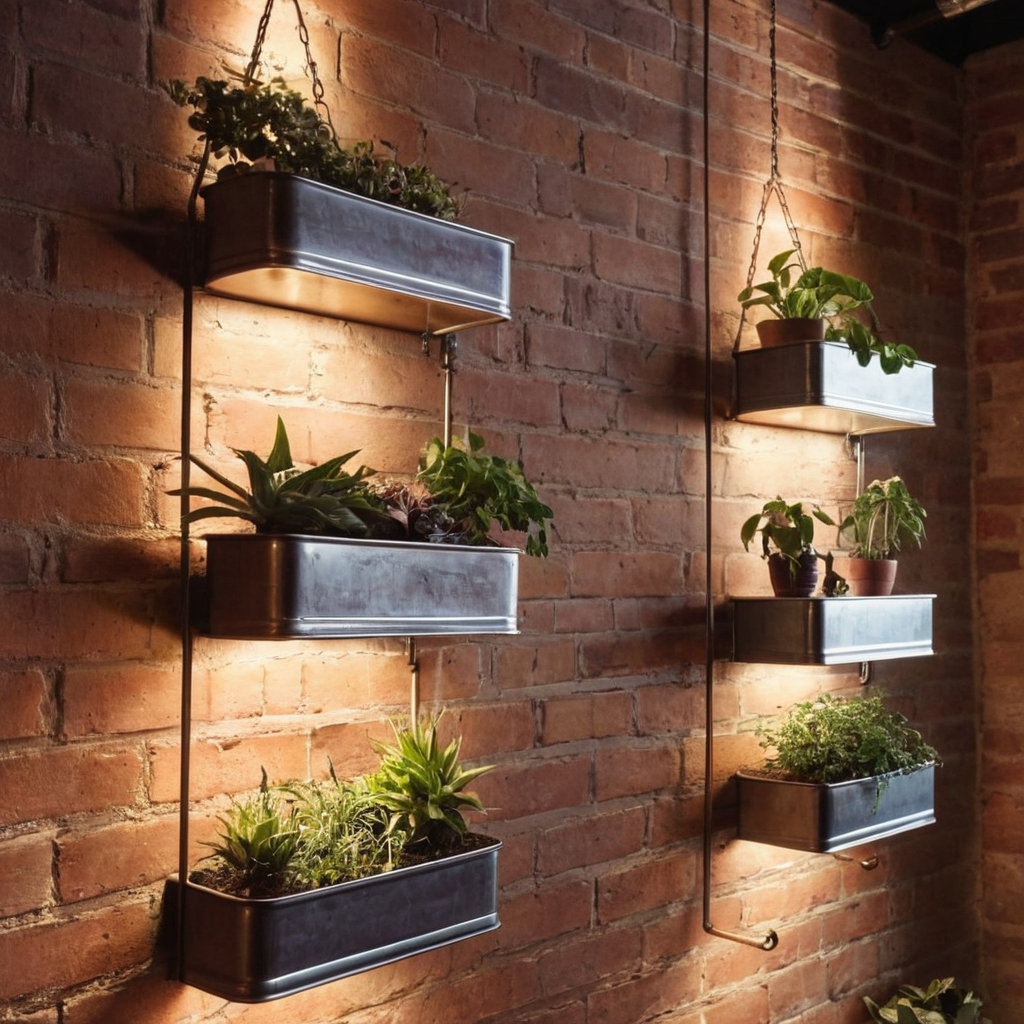
1. Exposed Brick Walls
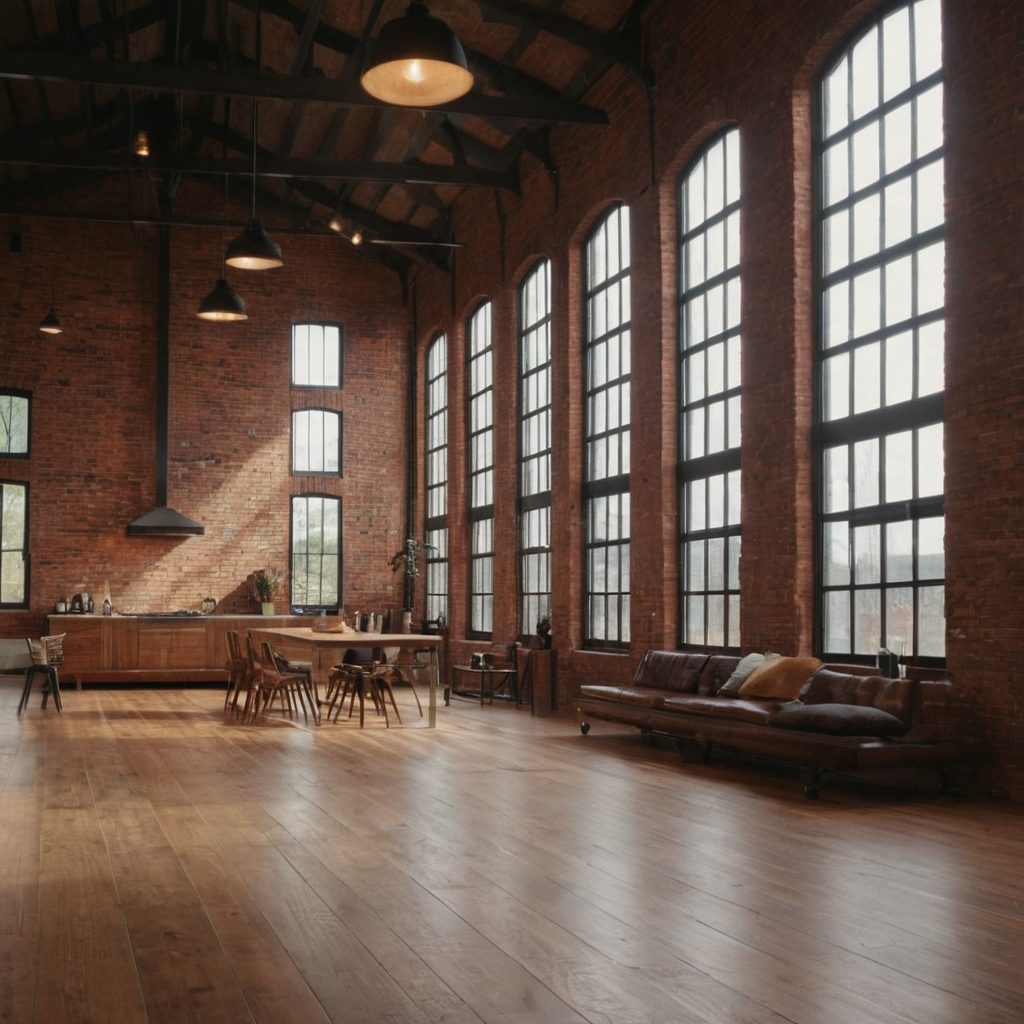
Exposed brick walls are a hallmark of industrial loft design, bringing warmth and character to the space. This feature not only provides an authentic touch but also serves as a focal point that can anchor your interior decor choices. When planning an industrial loft, consider preserving or recreating exposed brick to maintain the authenticity of the style.
To incorporate this element effectively, avoid covering the brick with wallpaper or paint. Instead, use it to complement other materials like metal and concrete. Use neutral tones in textiles and furniture to let the bricks take center stage.
2. Metal Accents
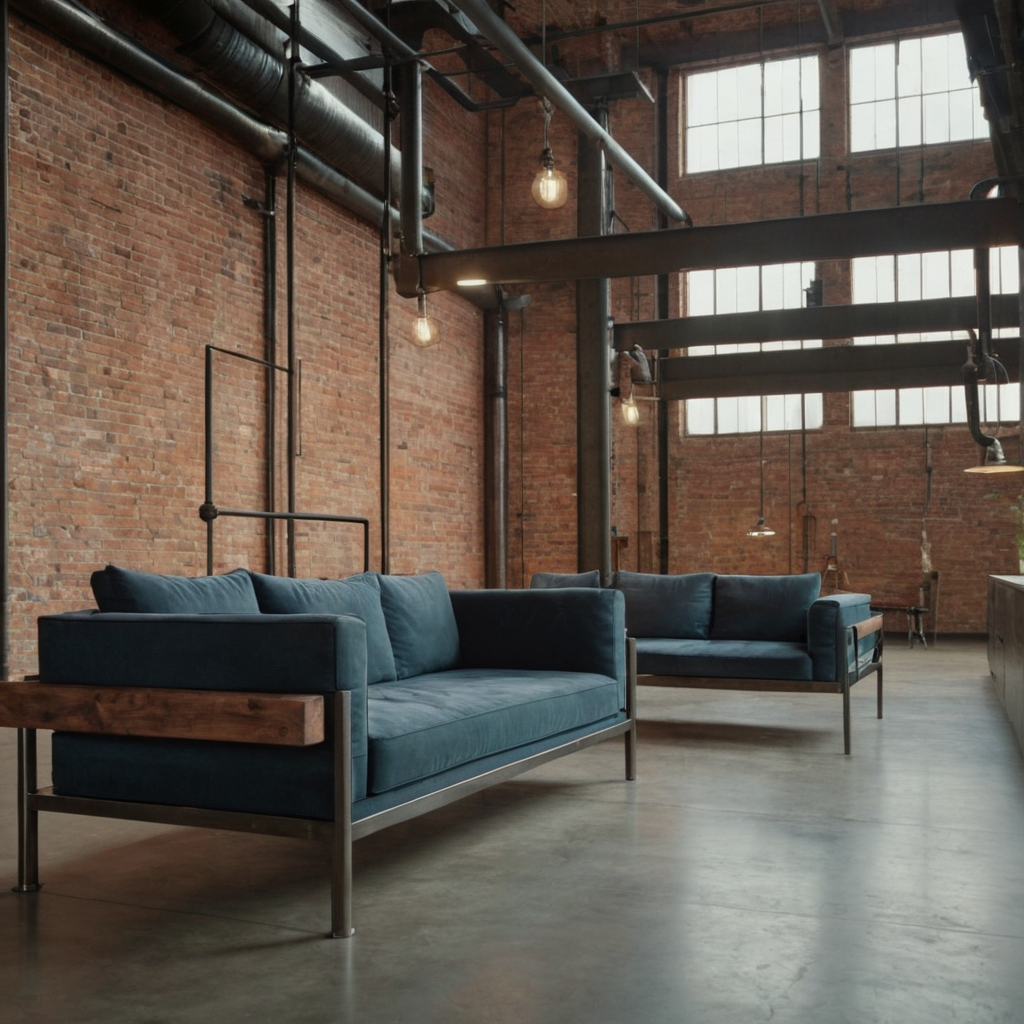
Metal accents are essential in creating the cool, rugged vibe characteristic of industrial lofts. From metal shelving units to light fixtures made from reclaimed materials, these elements contribute to a raw aesthetic that complements exposed brick and concrete surfaces. The use of metals like iron and steel adds a touch of durability and strength to your space.
When styling with metal accents, balance the industrial feel by combining them with softer textures such as leather or wool. Metal-framed furniture can also serve as functional pieces that tie into the overall design theme.
3. Open-Concept Living
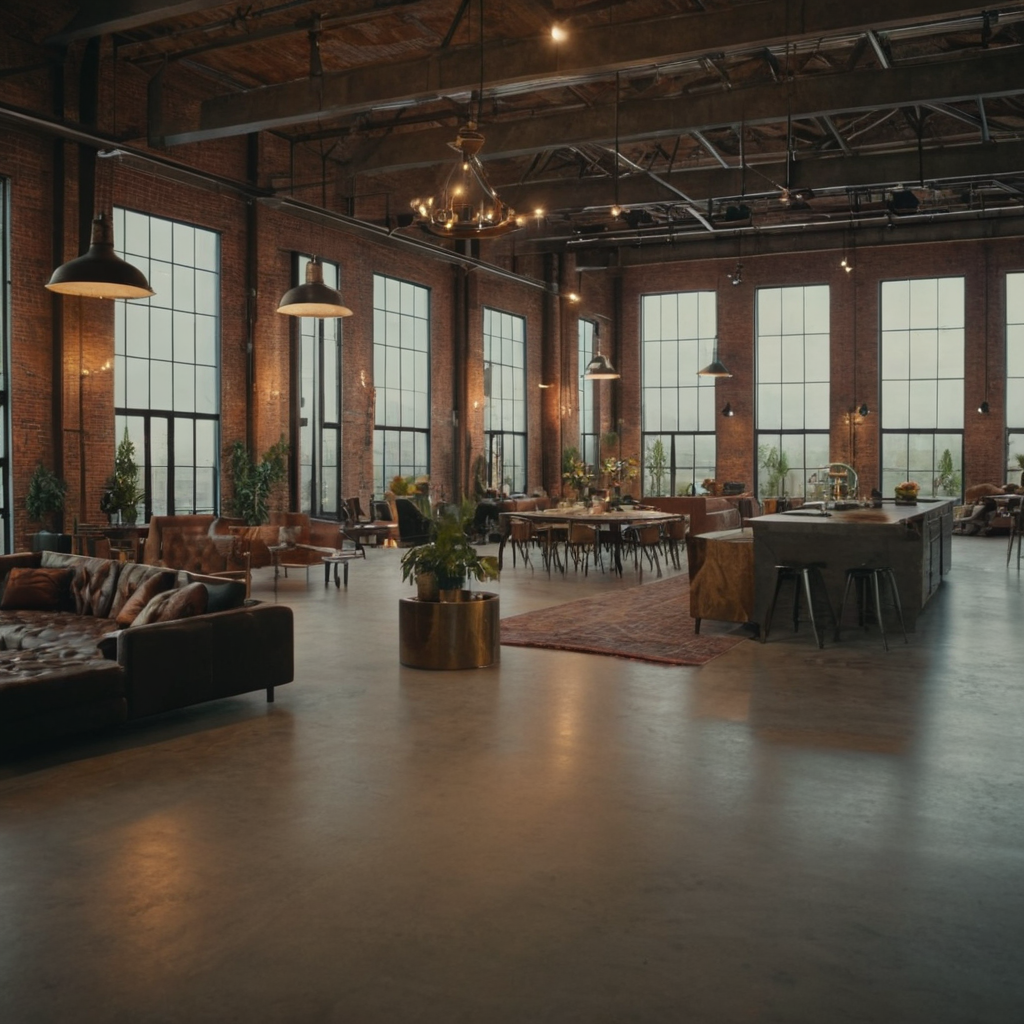
Open-concept living is fundamental to the appeal of industrial lofts, offering seamless transitions between different areas of a home. This layout encourages natural light and air circulation while fostering social interactions among residents or guests. By removing walls, you create expansive spaces that can be versatilely used for dining, working, or relaxing.
To maximize the benefits of an open-concept design, use furniture with low profiles to avoid making the space feel cramped. Strategic placement of area rugs and bookcases can define separate living areas without compromising on the sense of openness.
4. High Ceilings and Skylights
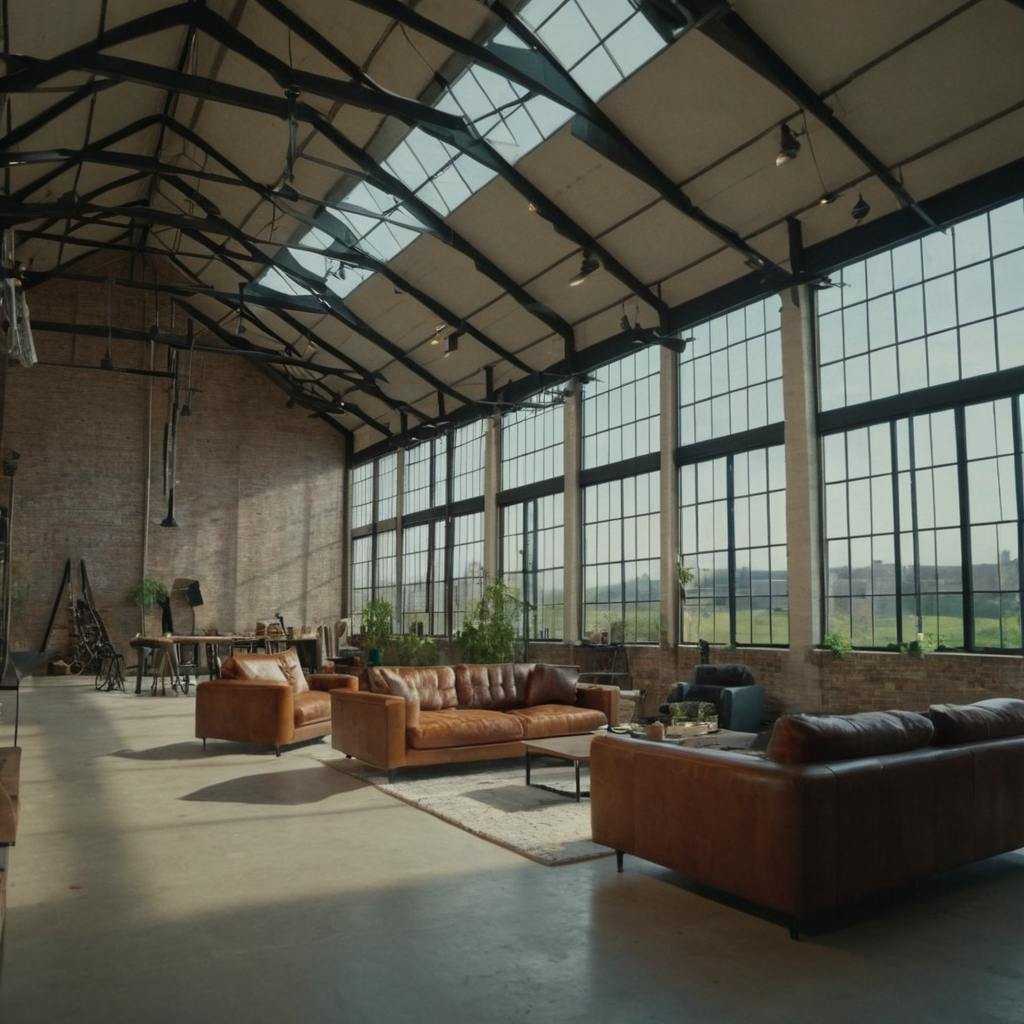
High ceilings are a defining characteristic of industrial lofts, offering ample space for vertical design elements such as pendant lights and tall furniture. These features not only provide aesthetic value but also enhance the sense of spaciousness within the home. Skylights can further amplify this effect by allowing natural light to flood the interior.
Incorporating high ceilings into your design requires careful consideration of scale. Large pieces like statement chandeliers or expansive mirrors can balance out the height and add visual interest without overwhelming the space.
5. Raw Concrete Floors
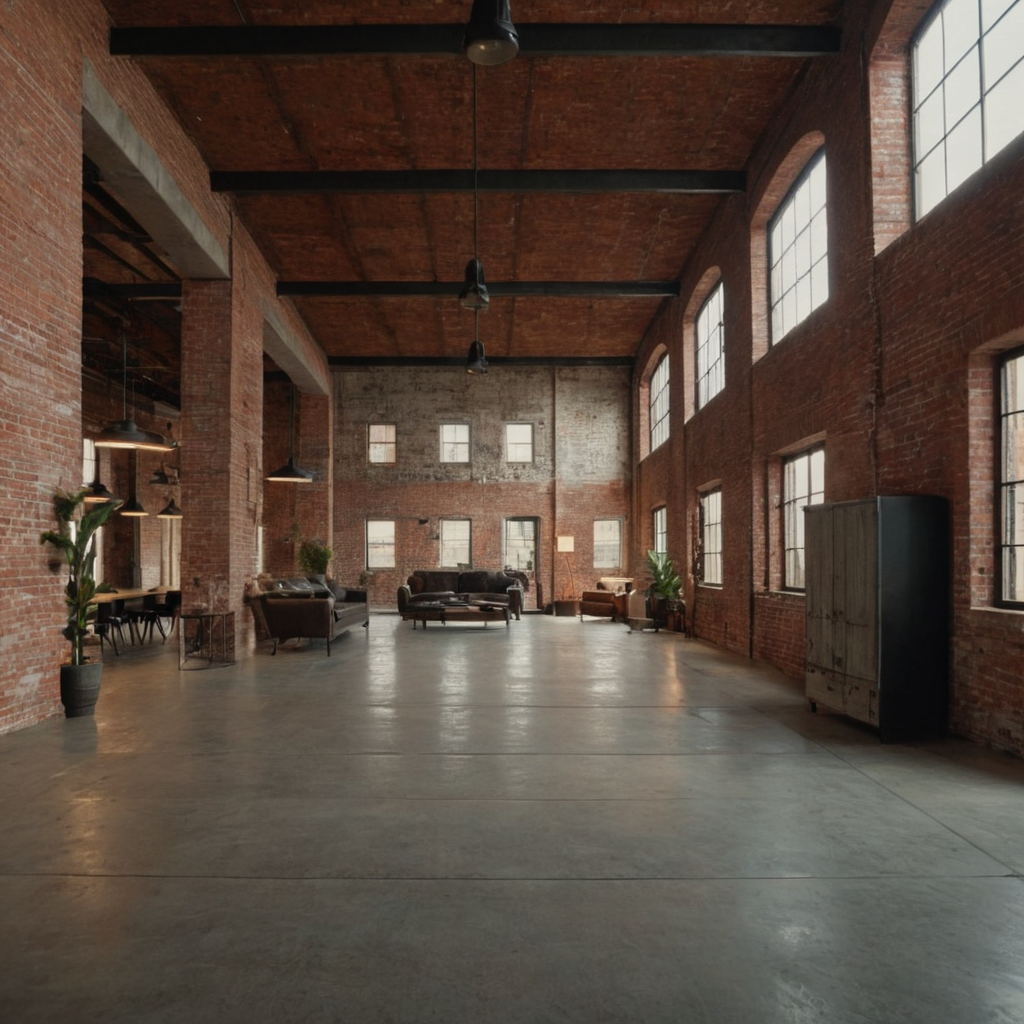
Concrete floors are another key component of industrial loft design, offering a durable, low-maintenance base that pairs well with the rough aesthetic of exposed brick and metal accents. The cool tones of concrete can also help balance warmer elements like wood or leather.
To style your space around concrete flooring, consider using rugs to introduce warmth and texture. Choose furniture pieces with legs rather than solid bases to avoid cluttering the visual flow across the floor.
6. Reclaimed Wood Elements
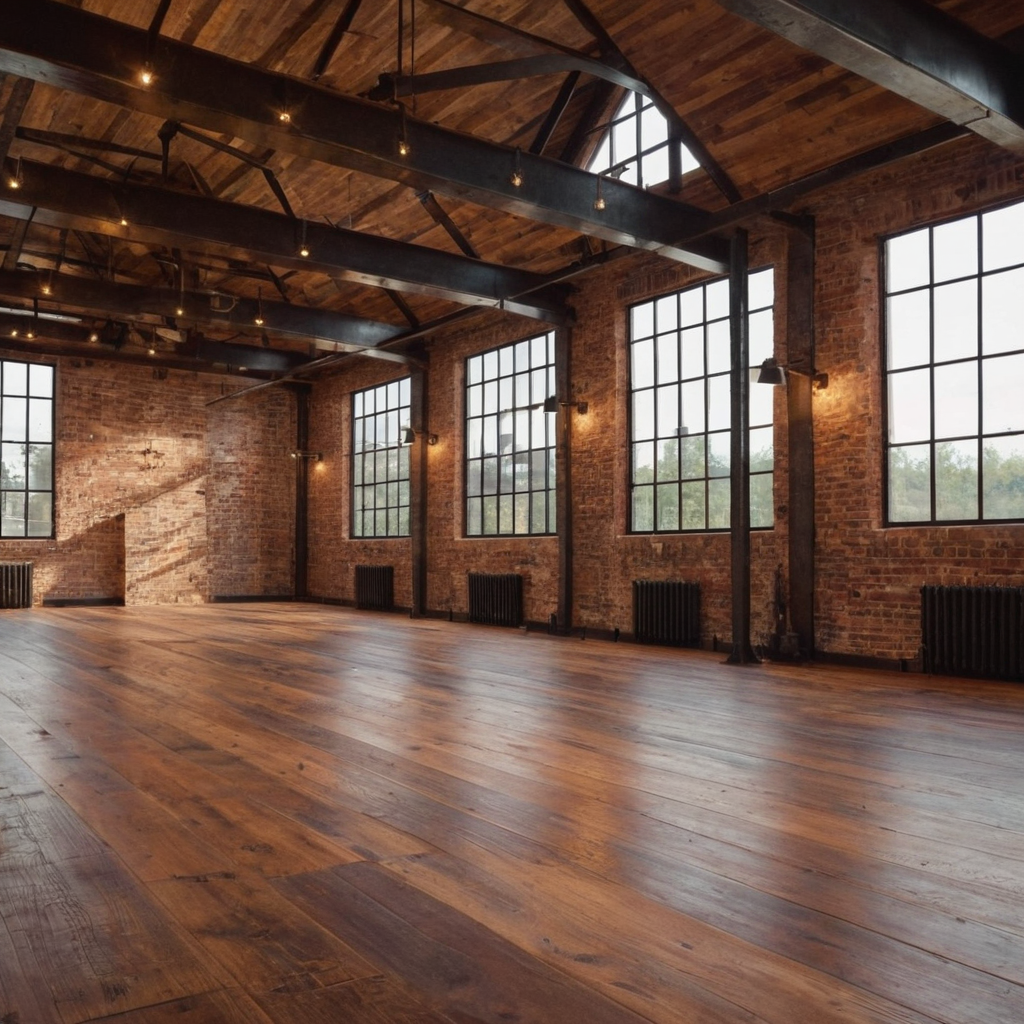
Reclaimed wood elements can be integrated into an industrial loft design to soften the rugged aesthetic while adding character and warmth. This material is often used for floors, ceilings, or as accents on walls and furniture pieces. The unique patterns of reclaimed wood can create a rustic contrast against the more modern metal and concrete components.
When using reclaimed wood in your design, consider its placement carefully to avoid clashing with other materials. A mix of textures can be effective when kept balanced; for example, pairing reclaimed wood floors with sleek, metallic fixtures.
7. Minimalist Furniture
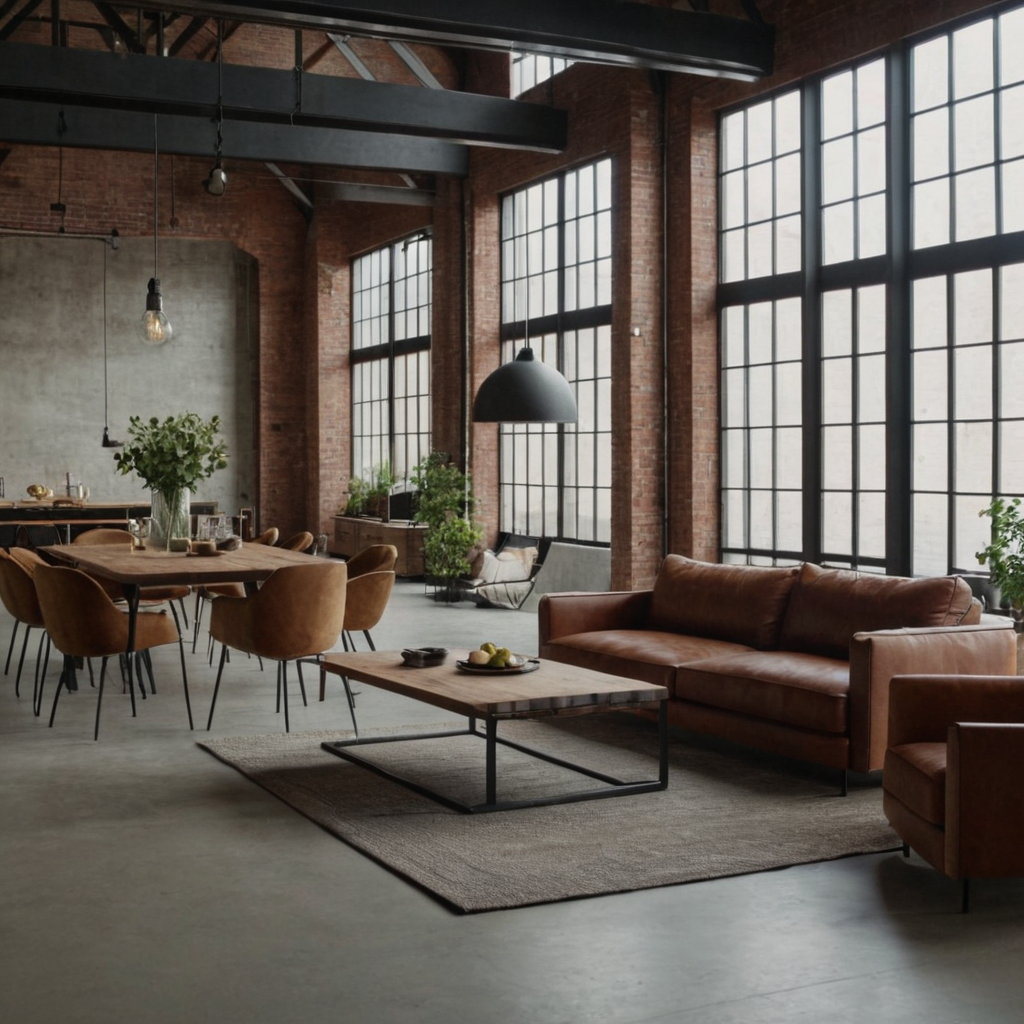
In line with the clean lines and open spaces characteristic of industrial lofts, minimalist furniture is a perfect fit for this style. Sleek designs that emphasize function over form align well with the overall aesthetic, making them ideal for both seating and storage solutions.
When choosing furniture for your industrial loft, prioritize pieces that are versatile and complement the space without overwhelming it. Opt for neutral colors to keep the focus on architectural features like exposed brick or metal accents. Consider multifunctional items that serve multiple purposes in a limited-space environment.