1. Lighting
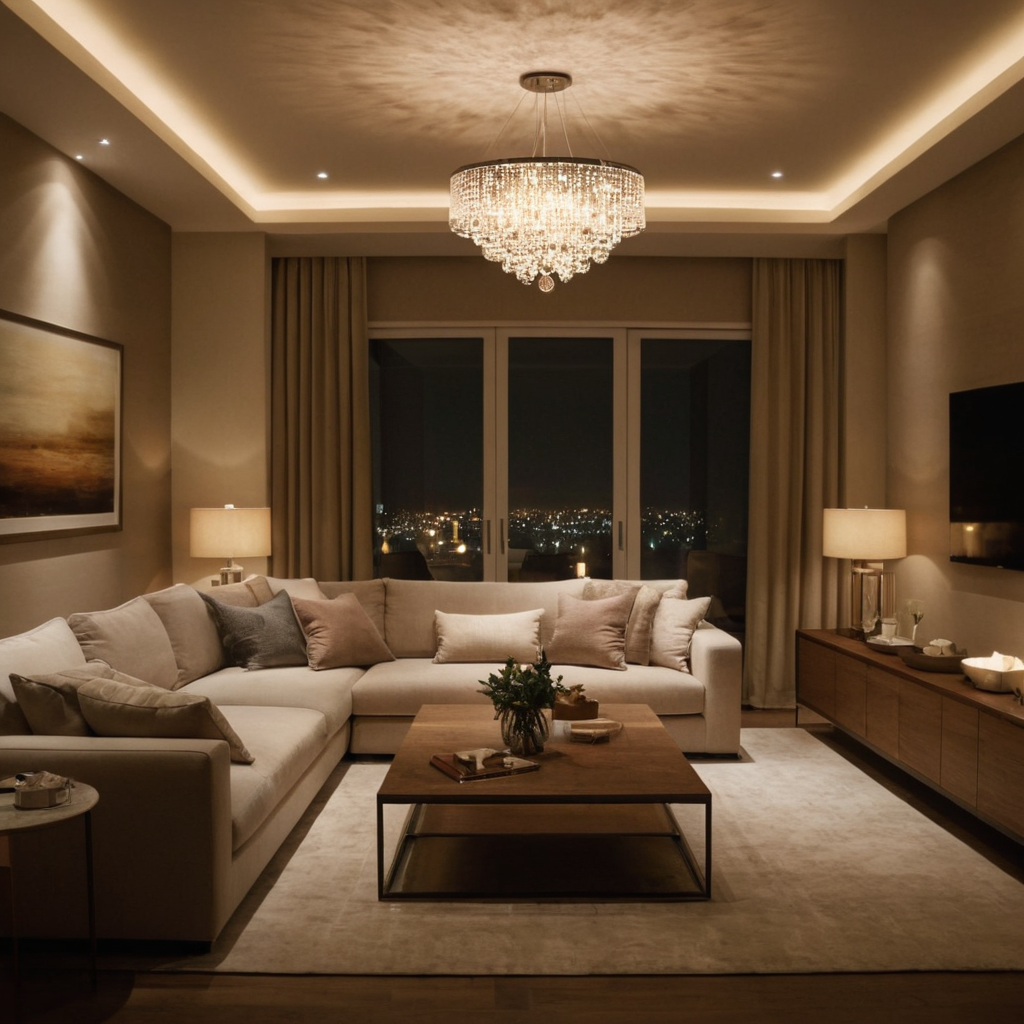
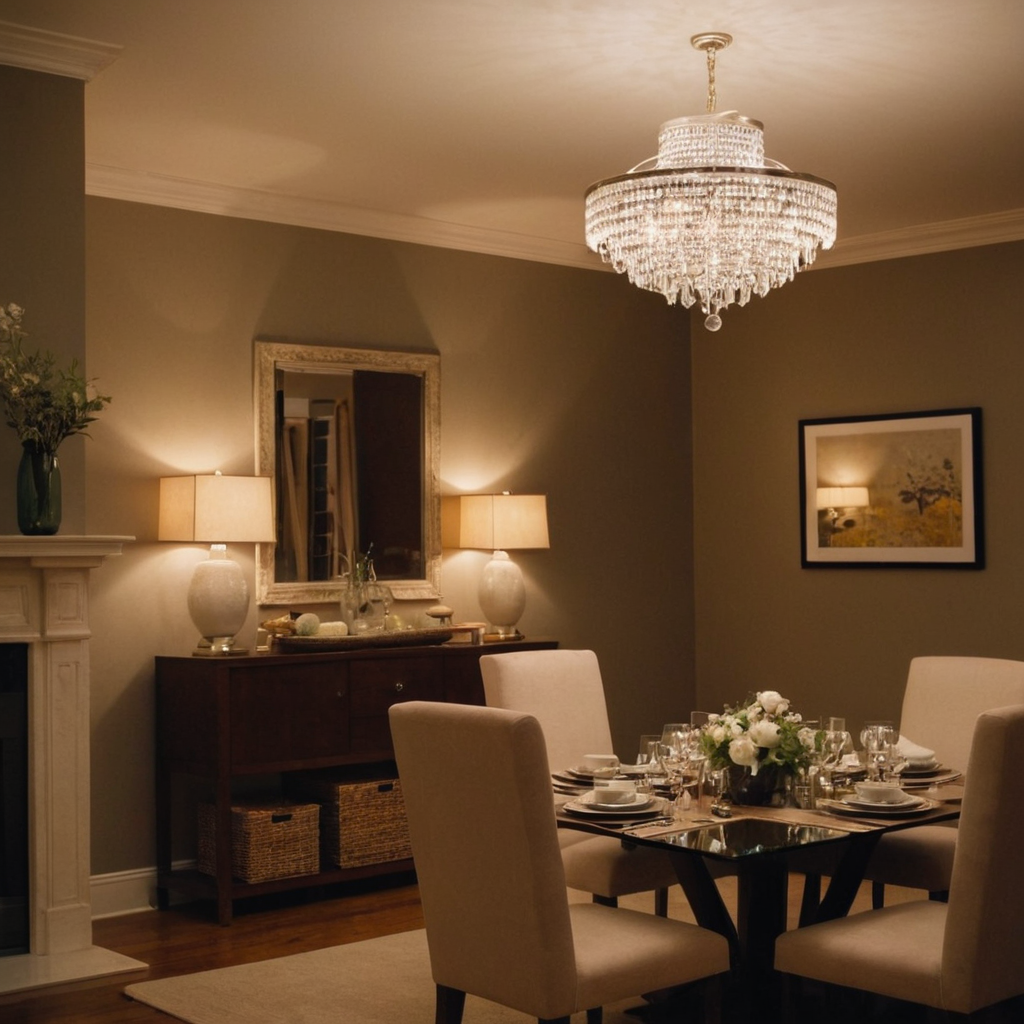
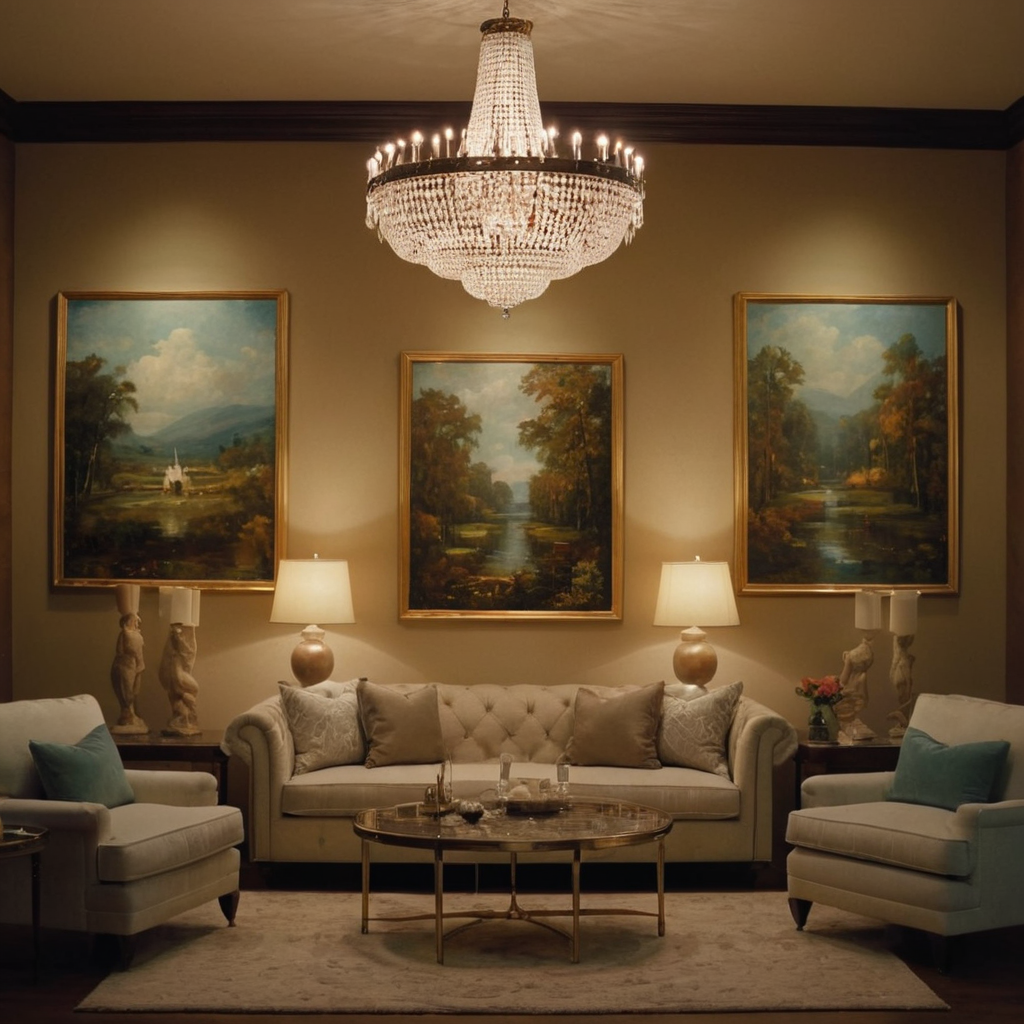
Lighting is one of the most crucial elements in interior design as it can completely alter the mood and atmosphere of a space. Whether you’re aiming for a cozy, ambient glow or bright, functional illumination, the right lighting fixtures are key. Consider using layered lighting to create depth and versatility in your room.
To effectively enhance your space with lighting, mix different types of fixtures such as overhead lights, floor lamps, and table lamps. Pay attention to color temperatures; warmer tones create a relaxing ambiance while cooler hues provide a more energetic feel.
2. Textiles
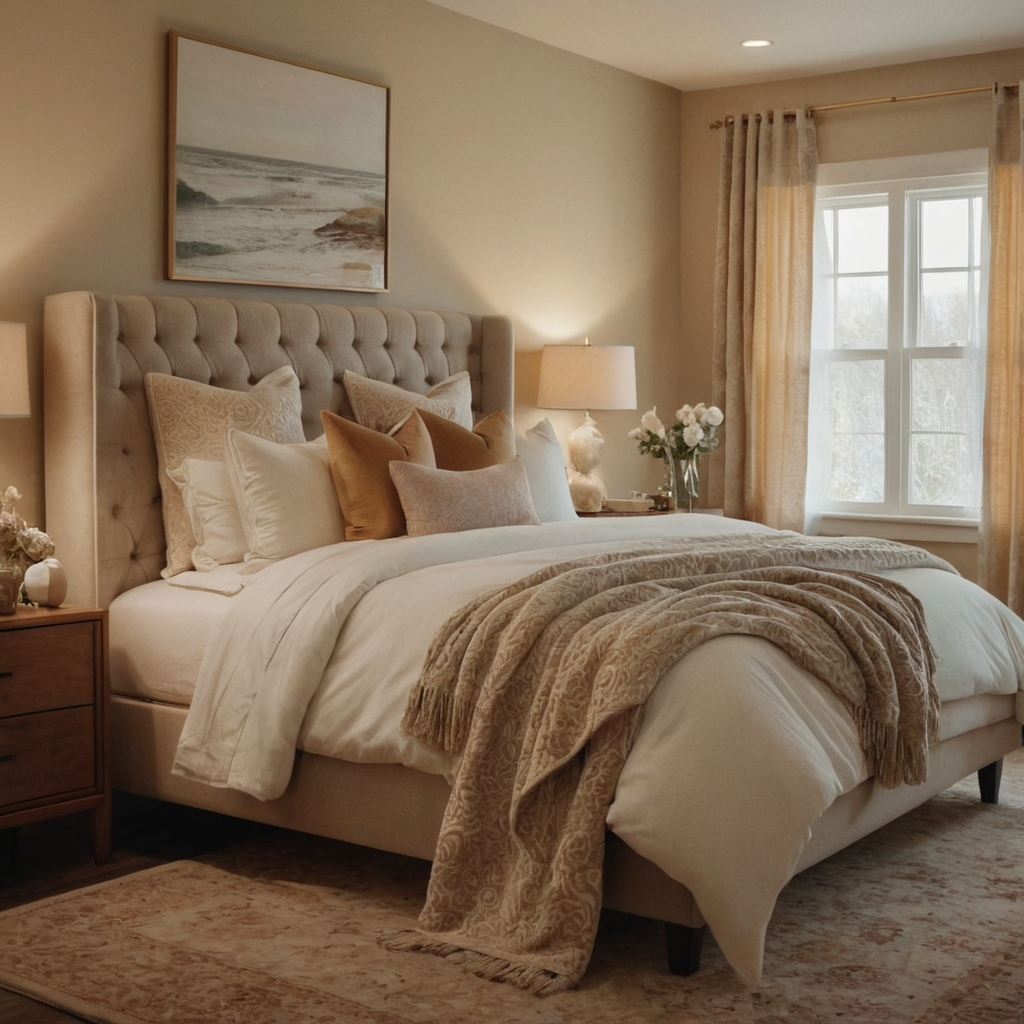
Textiles play a significant role in interior design as they add texture and warmth to any space. From curtains and rugs to throw pillows and blankets, textiles can define the style and comfort level of your home. They also serve practical functions like insulation and sound absorption.
When choosing textiles, consider how they complement your existing color palette and furniture. Mix patterns for a dynamic look but ensure there’s harmony in scale and hue. Opt for high-quality materials that will stand up to daily use, such as wool or cotton blends.
3. Decorative Accents
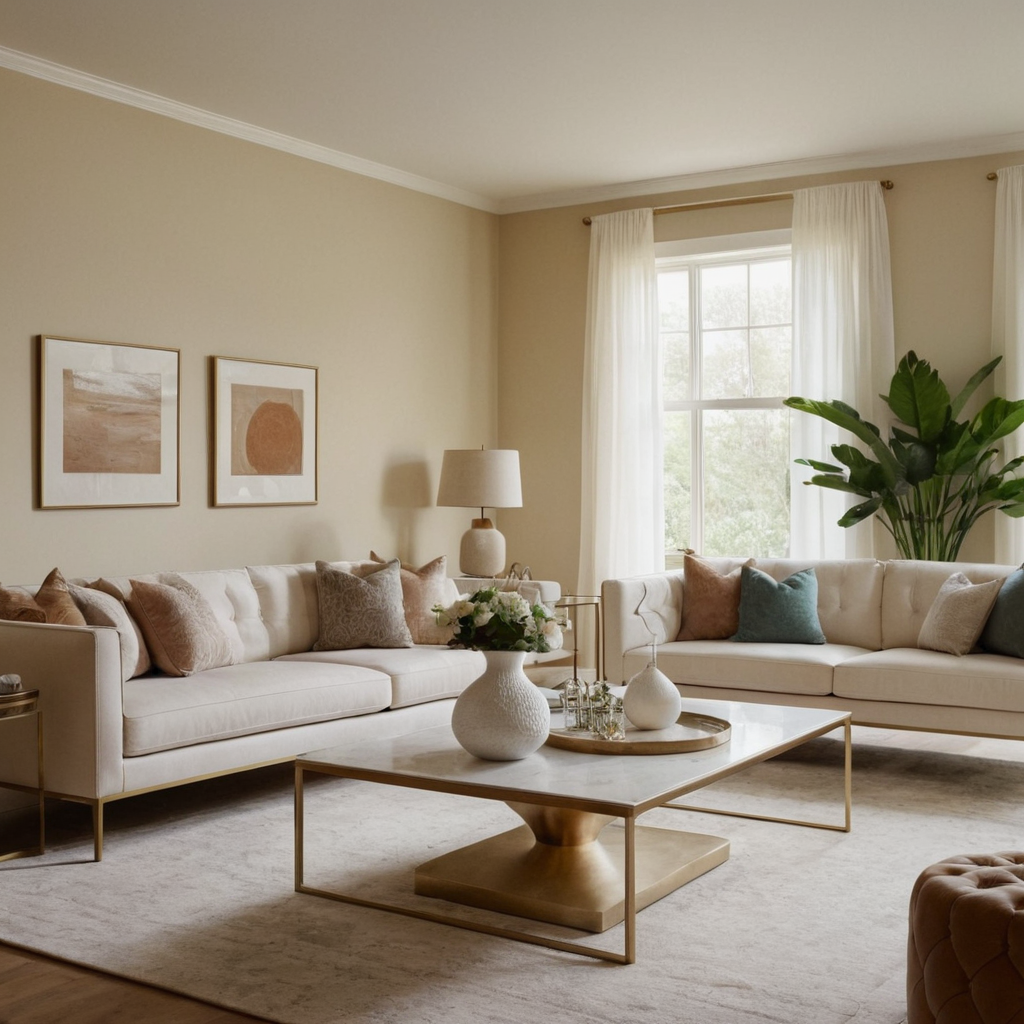
Decorative accents such as artwork, sculptures, and decorative objects are essential to personalize your space. These elements add character and reflect your personal style. They can range from abstract paintings to vintage trinkets or modern minimalist pieces.
When placing accents, consider the flow of the room and aim for a balanced arrangement that doesn’t overwhelm the space. Use them to draw attention to focal points like a fireplace or statement furniture piece. Mix different materials like metal, glass, and ceramics to create visual interest.
4. Mirrors
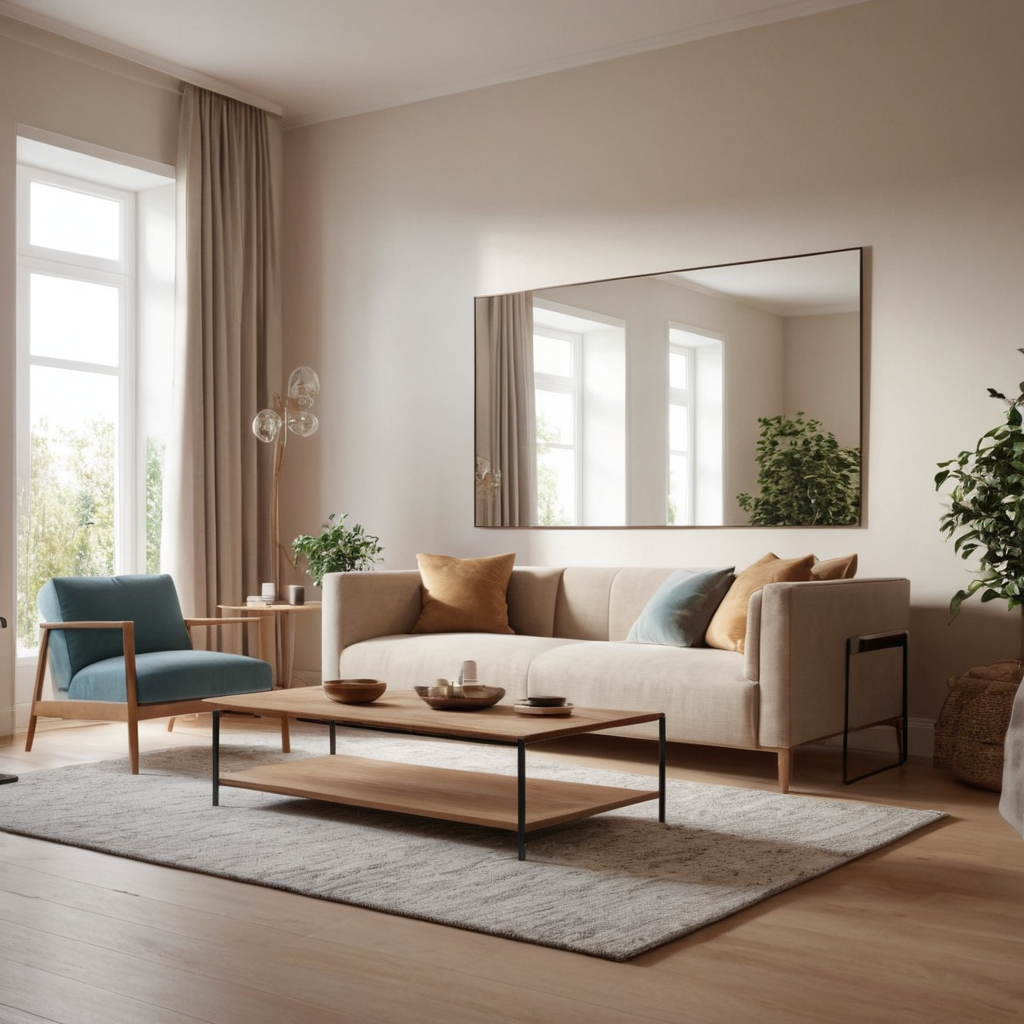
Mirrors are not just functional but can also be used as design elements to enhance your space. They reflect light, making rooms appear brighter and larger than they actually are. Strategically placed mirrors can also create the illusion of depth in small spaces.
Consider using large mirrors on walls opposite windows or as a backdrop for seating areas to maximize natural light reflection. In smaller rooms, use multiple smaller mirrors to achieve similar effects. Choose frames that complement your decor style whether it’s rustic wood or sleek metallic finishes.
5. Rugs
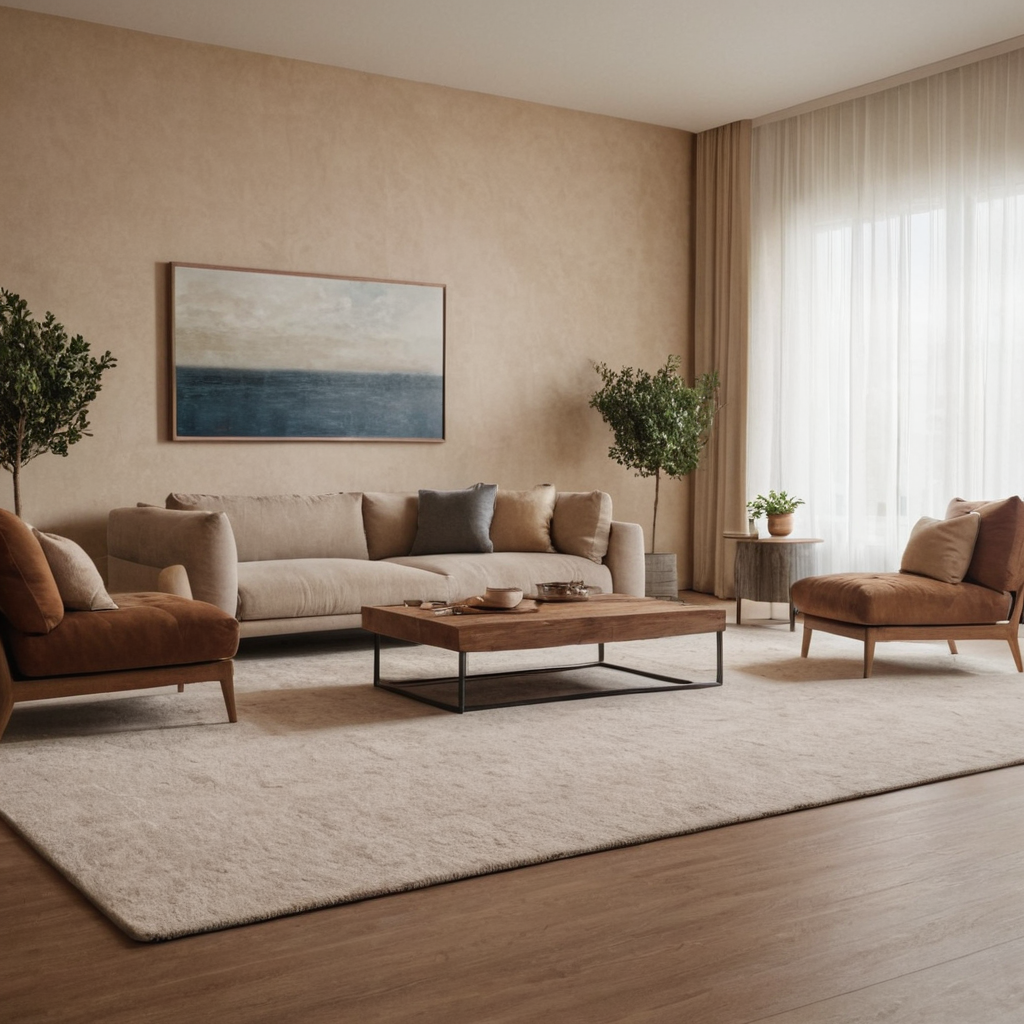
Area rugs are integral for defining spaces and adding warmth underfoot. They come in various sizes, patterns, and textures that can anchor a seating arrangement or visually break up large expanses of flooring. The right rug can set the tone for your room’s style whether it’s casual, formal, or eclectic.
When selecting a rug, consider its size relative to your furniture layout; it should be large enough so all chairs sit comfortably on top of it. Choose colors and patterns that complement existing decor without clashing. Natural fibers like wool and silk are ideal for high-traffic areas.
6. Furniture Arrangement
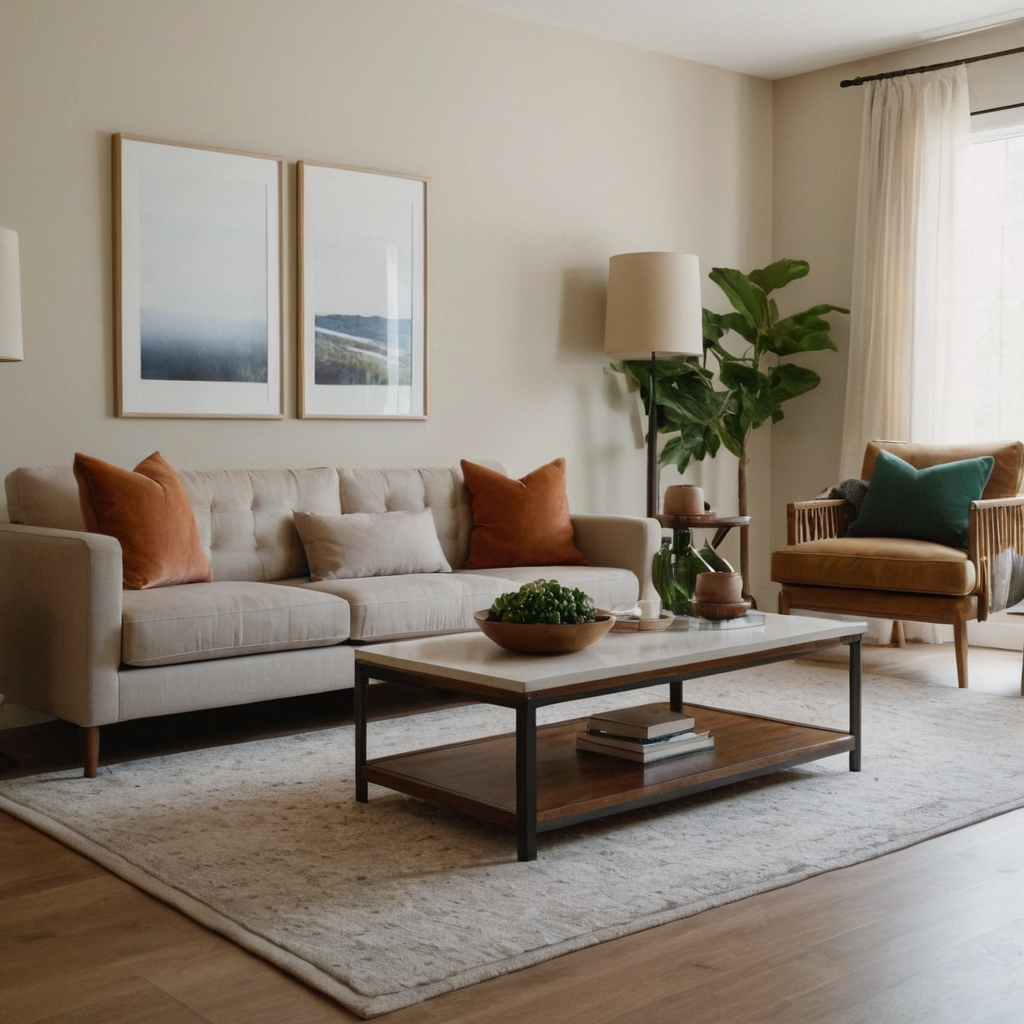
The way you arrange your furniture can greatly affect how comfortable and functional your space feels. Proper placement ensures that all areas are accessible and conducive to activities like conversation or relaxation. It’s important to consider traffic flow and balance when setting up a room.
When arranging furniture, create natural focal points by placing seating around them, such as a fireplace or TV screen. Ensure there is enough walking space between pieces while still creating intimate groupings where people can converse easily. Use multi-functional furniture like ottomans with storage to maximize utility in smaller spaces.
7. Plants
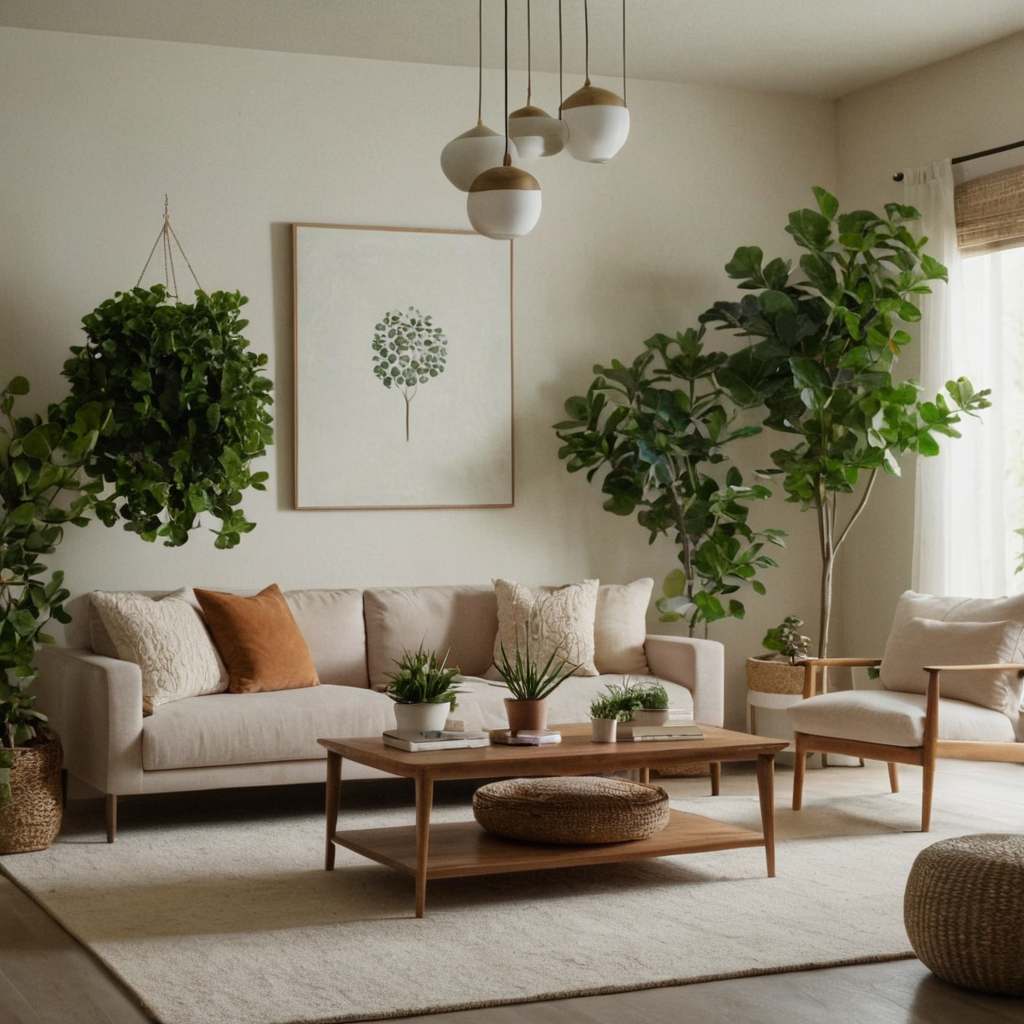
Incorporating plants into your interior design brings life to a space and improves air quality. They add natural elements that can balance out the hard lines of furniture and architectural features. Plants come in various sizes, shapes, and colors, allowing for creative placement throughout your home.
Choose low-maintenance indoor plants like succulents or snake plants if you’re not experienced with gardening. Place larger plants in corners to fill empty spaces or use smaller ones on tables and shelves as accents. Consider the lighting conditions of each area when selecting plant types, ensuring they receive appropriate light for their growth.