1. Embrace Exposed Brick
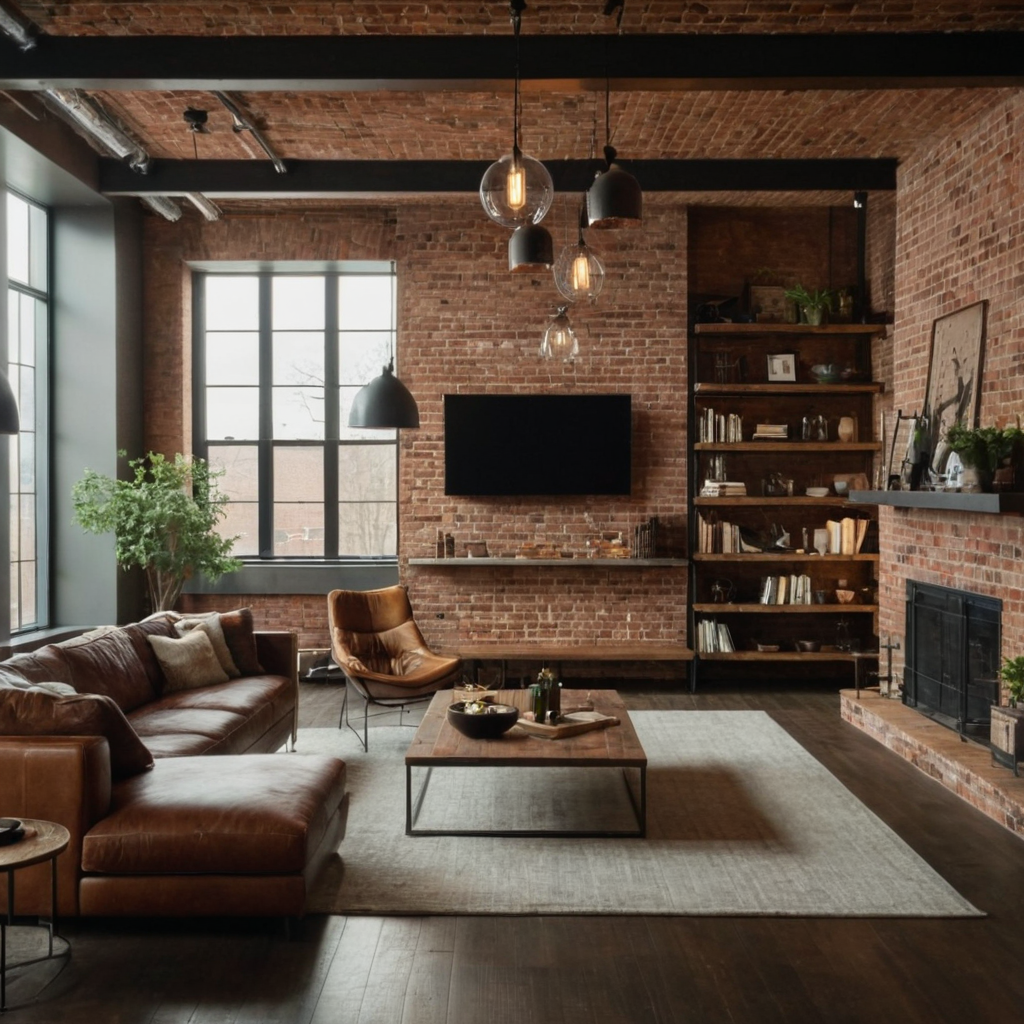
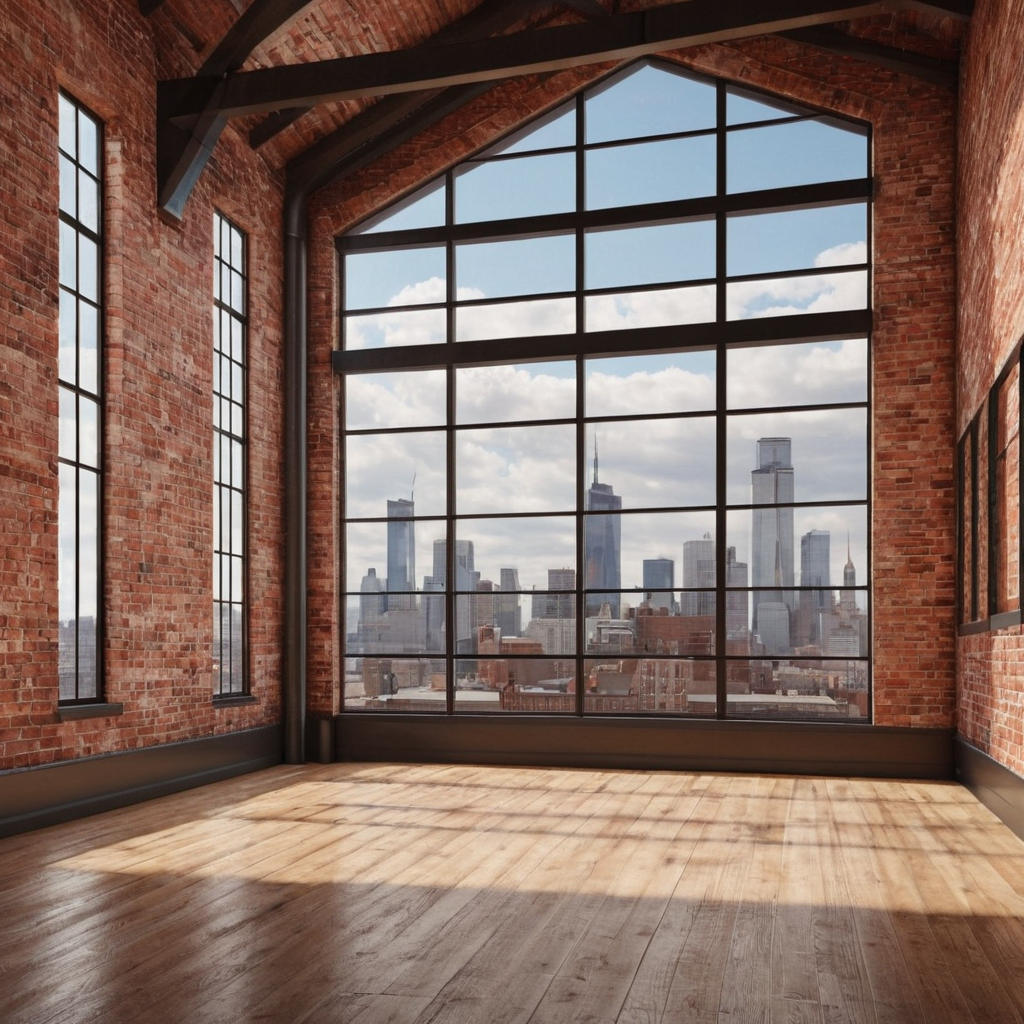
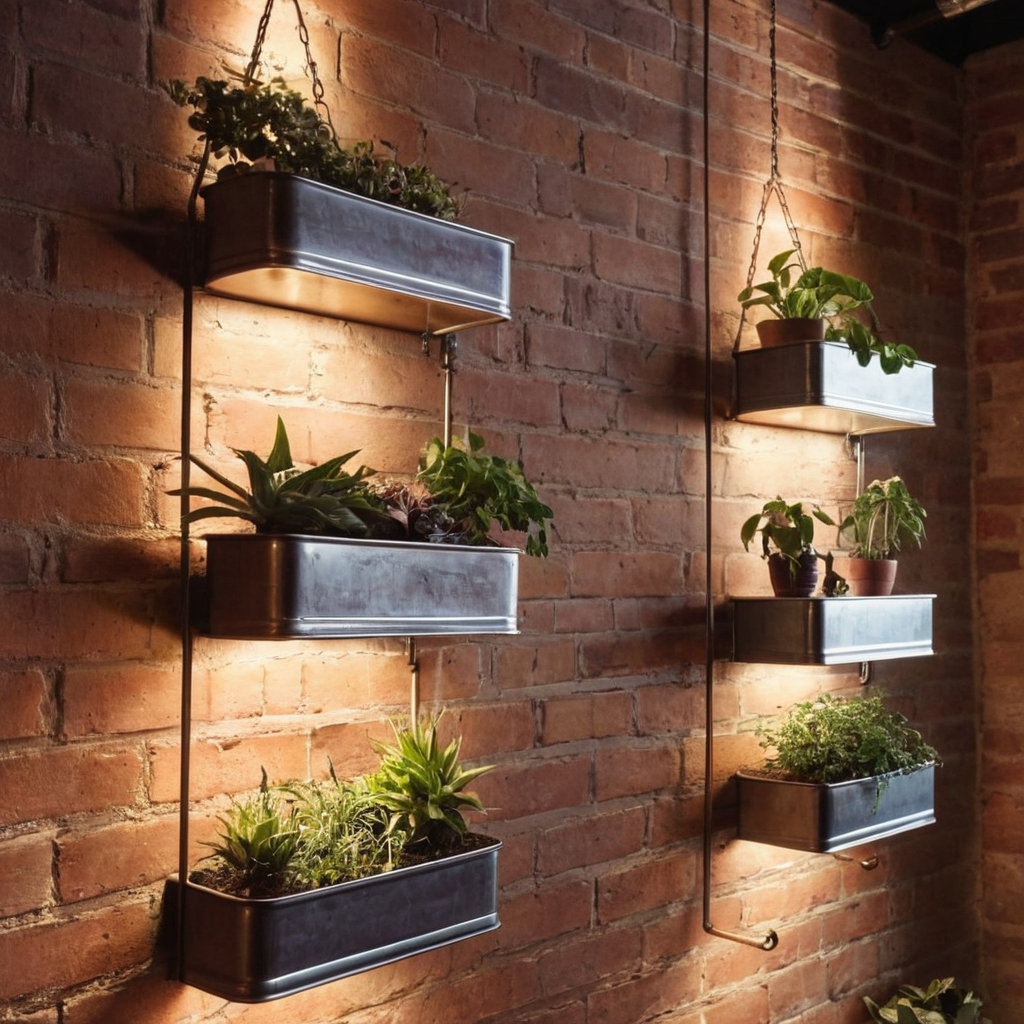
Exposed brick is a hallmark of industrial loft design, adding warmth and character to the space. It’s not just about aesthetics; exposed brick can also enhance thermal insulation by naturally regulating room temperature. To incorporate this feature into your home, consider leaving existing walls in their natural state or installing faux brick panels for a more budget-friendly option.
When styling around exposed brick, keep it simple and avoid overcrowding the space with too many decorative items. Opt for sleek furniture with minimalist designs to let the brick take center stage. Choose materials like metal, glass, and wood that complement the raw texture of the brick.
2. Utilize Metal Accents
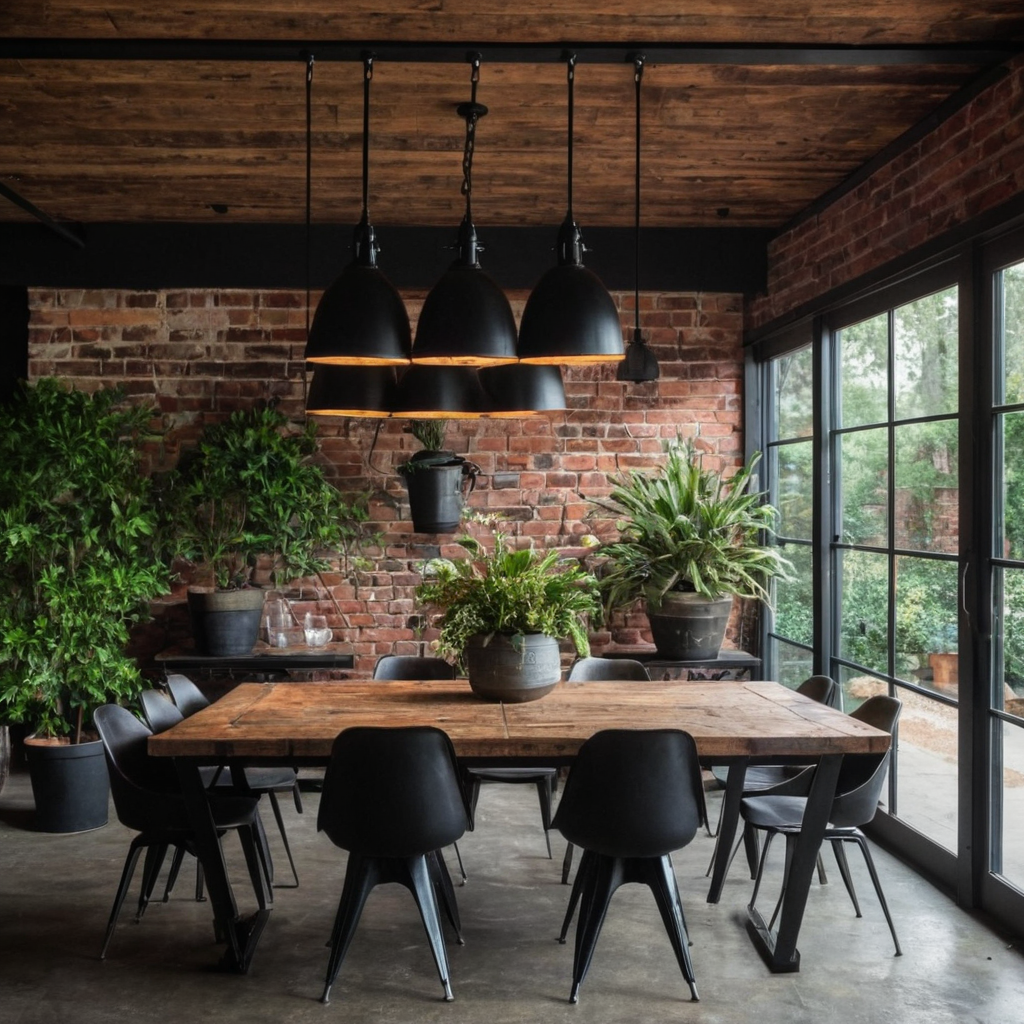
Metal accents are essential in creating an industrial look that’s both chic and functional. From metal piping used as structural support to metal chairs and pendant lighting fixtures, the versatility of metal allows it to seamlessly integrate into any space. Metal can be cold, but when paired with softer materials like leather or wood, it creates a harmonious balance.
Incorporate metal accents by selecting furniture pieces made from iron, steel, or copper. Mix these metals with rustic wooden tables and chairs for contrast. Use industrial-style lighting fixtures to bring the look together and add depth to your space.
3. Focus on Open Concept Living

Open concept living is key to achieving the spacious feel characteristic of lofts. Removing non-load-bearing walls can create a larger, more fluid space that feels welcoming and airy. This layout not only maximizes natural light but also simplifies the flow between different areas like the kitchen, dining, and living room.
To ensure an open concept doesn’t sacrifice privacy or functionality, use furniture to subtly divide spaces without closing them off completely. Floating shelves can separate a work area from the living space while keeping it visually connected. Consider using half-height walls for界定空间而不完全隔离。考虑使用半高墙来划分卧室或浴室,同时保持开放感。
4. Incorporate Industrial Lighting

Industrial lighting is crucial in setting the mood and enhancing the character of a loft space. Pendant lights, track lighting, and wall-mounted sconces with exposed bulbs are common choices that not only provide ample light but also add to the aesthetic appeal of your home. These fixtures often feature rugged materials like metal, glass, or leather, which complement the raw beauty of an industrial interior.
When selecting lighting for your loft, consider both practicality and style. Pendant lights can be used over dining tables or kitchen islands, while track lighting offers flexibility in illuminating work areas or highlighting specific features like art pieces or architectural details. Opt for warm-toned bulbs to soften the harshness of metal fixtures.
5. Use Raw Materials
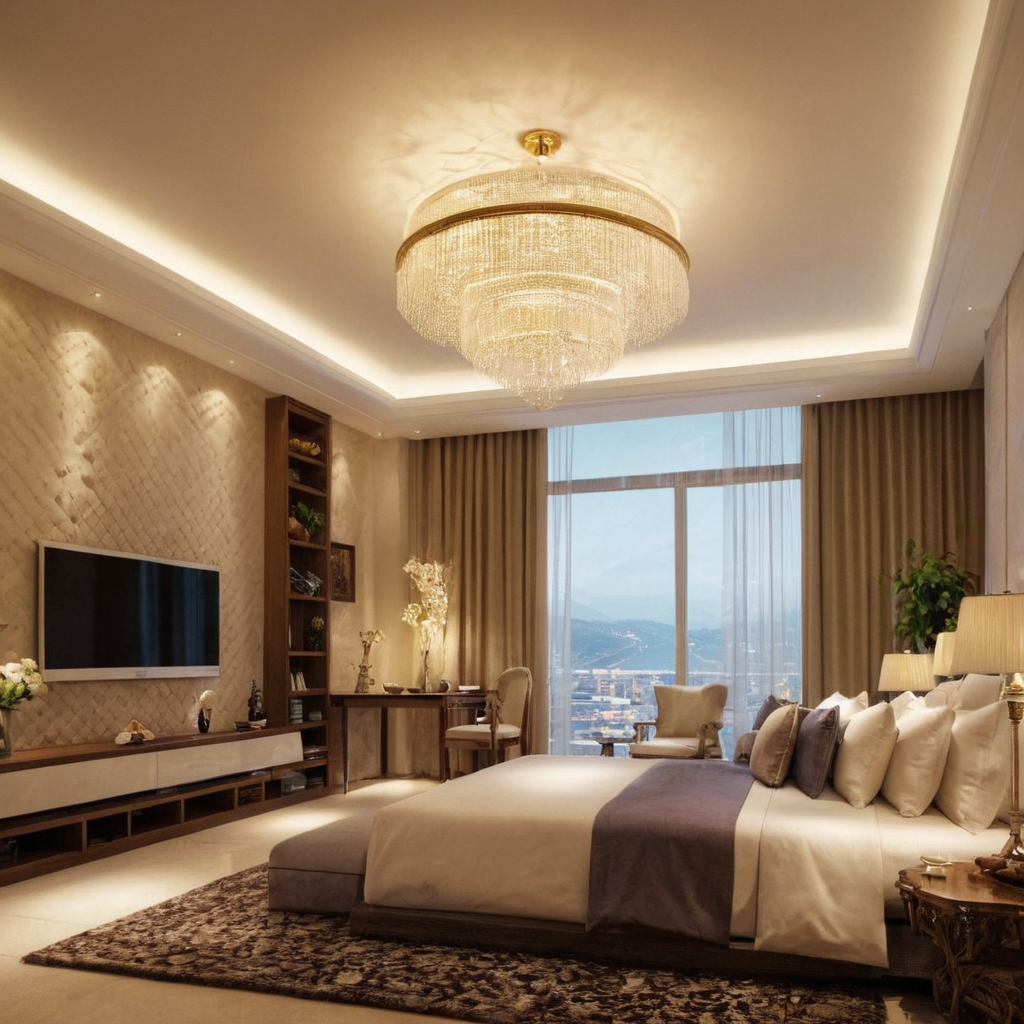
Raw materials are the backbone of industrial design, contributing to an authentic and unpolished look. Wood, metal, concrete, and glass are commonly used in industrial lofts as they naturally exude a sense of durability and strength. These elements can be seen in flooring, walls, furniture, and decor, adding texture and depth to your space.
To effectively use raw materials in your design, choose pieces that showcase their natural characteristics without excessive finishing or polishing. For instance, select reclaimed wood for shelving units or concrete blocks as coffee tables. Combine these elements with smooth leather or glass surfaces to create a balanced look.
6. Add Textural Accents

Adding textural accents is a great way to enhance the industrial aesthetic of your loft without overwhelming it with colors or patterns. Materials like leather, distressed wood, and raw metal can be used in various forms such as throw pillows, rugs, and decorative items. These textures not only add warmth but also create visual interest.
To incorporate textural accents into your design, consider using a mix of materials that complement each other yet stand out individually. For example, pair a leather sofa with a distressed wood coffee table or hang raw metal art pieces above textured wall coverings. Ensure these elements are spread throughout the space to avoid clustering them in one area.
7. Keep the Color Palette Neutral

A neutral color palette is essential in industrial design as it allows the raw textures and materials to take center stage. Shades of gray, black, white, and muted tones are ideal for creating a cohesive and modern look. These colors also help maintain a sense of spaciousness and balance within your loft space.
When choosing colors for furniture, decor, or walls, stick primarily to neutral shades but consider adding pops of color through accessories like throw pillows or artwork. This approach keeps the overall design feeling grounded while still allowing for personal expression. Use lighter tones in larger areas to expand the visual space and deeper tones in smaller areas for definition.