1. Pendant Lights Over Dining Tables
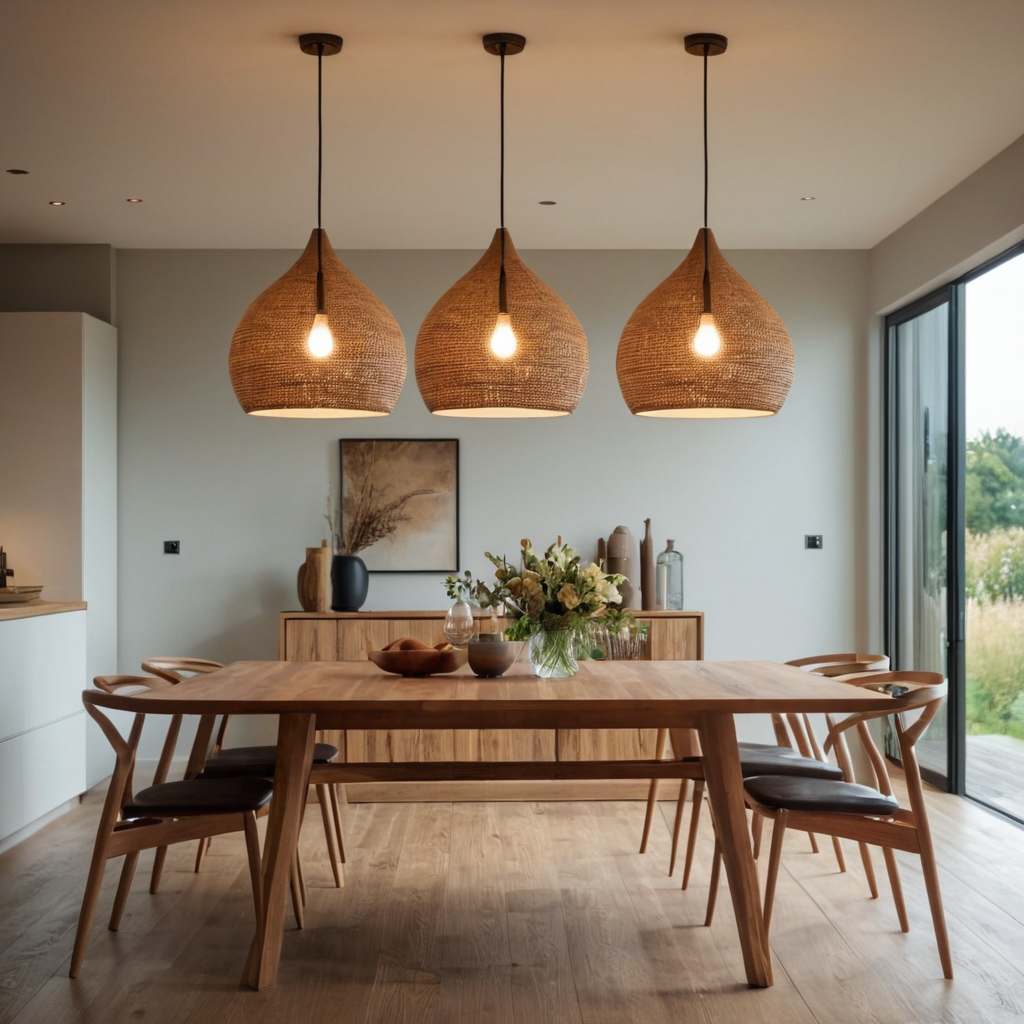
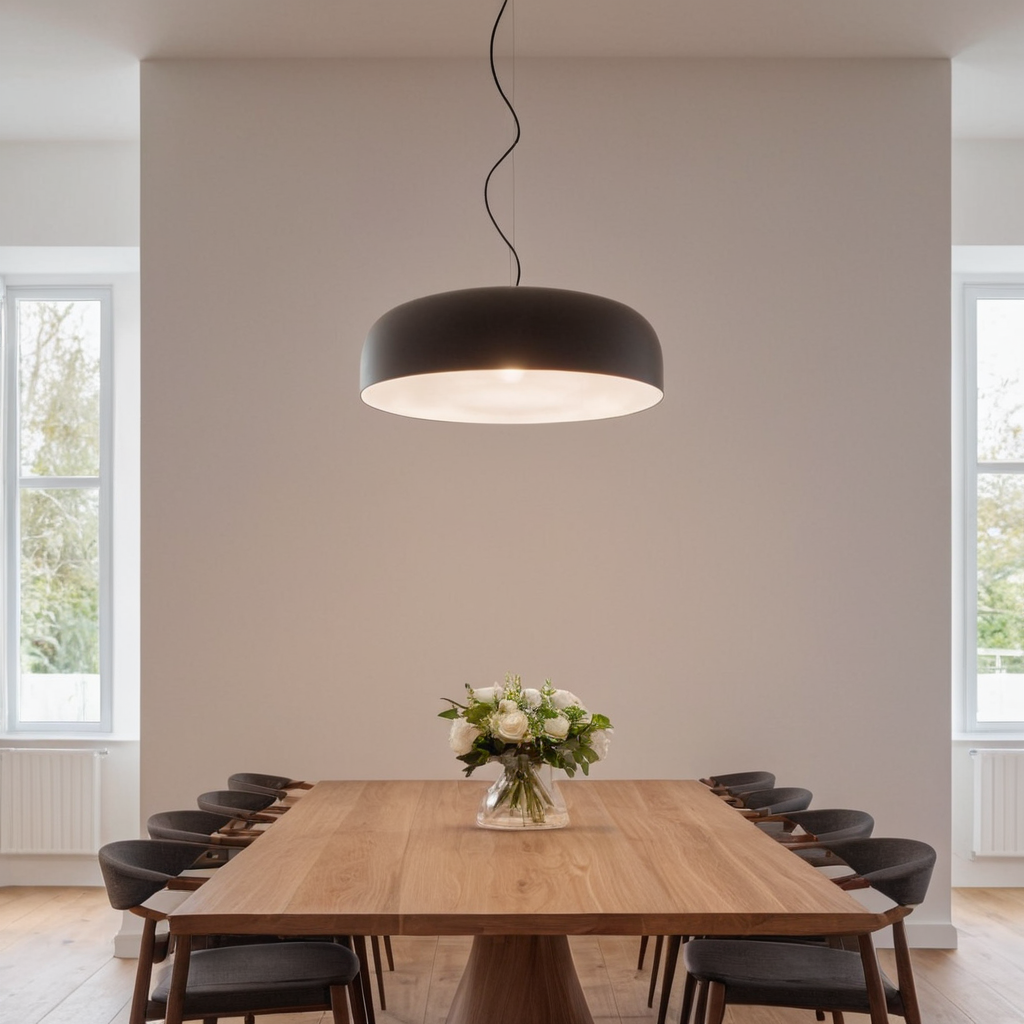
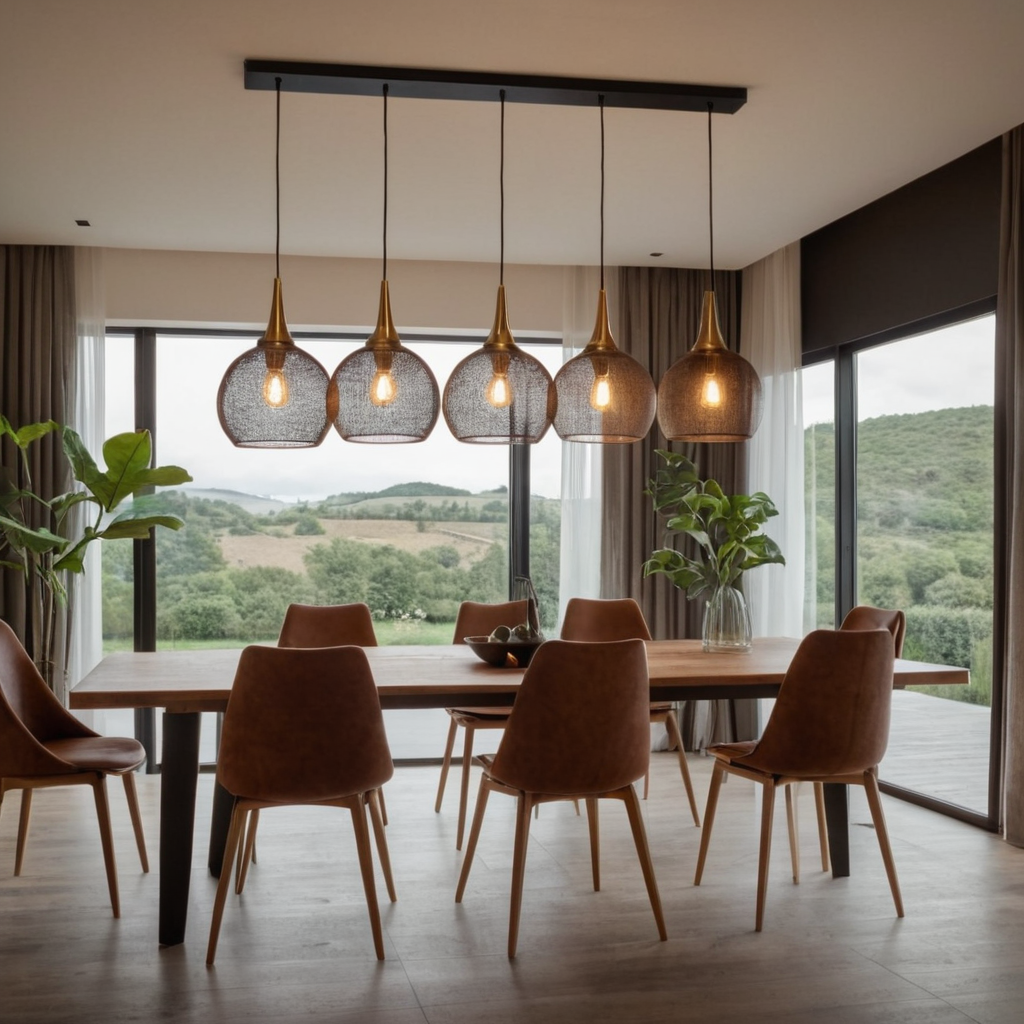
Pendant lights are a versatile and stylish option for enhancing the dining area, creating an intimate atmosphere that complements your decor. These hanging lights can range from minimalist to ornate, depending on your design preferences, making them a focal point in any room. For practical application, consider the size of the fixture relative to the table – larger tables may require multiple pendants or a cluster arrangement. Choose materials and finishes that harmonize with existing elements like chairs and wall color for cohesive styling.
2. Floor Lamps for Reading Nooks
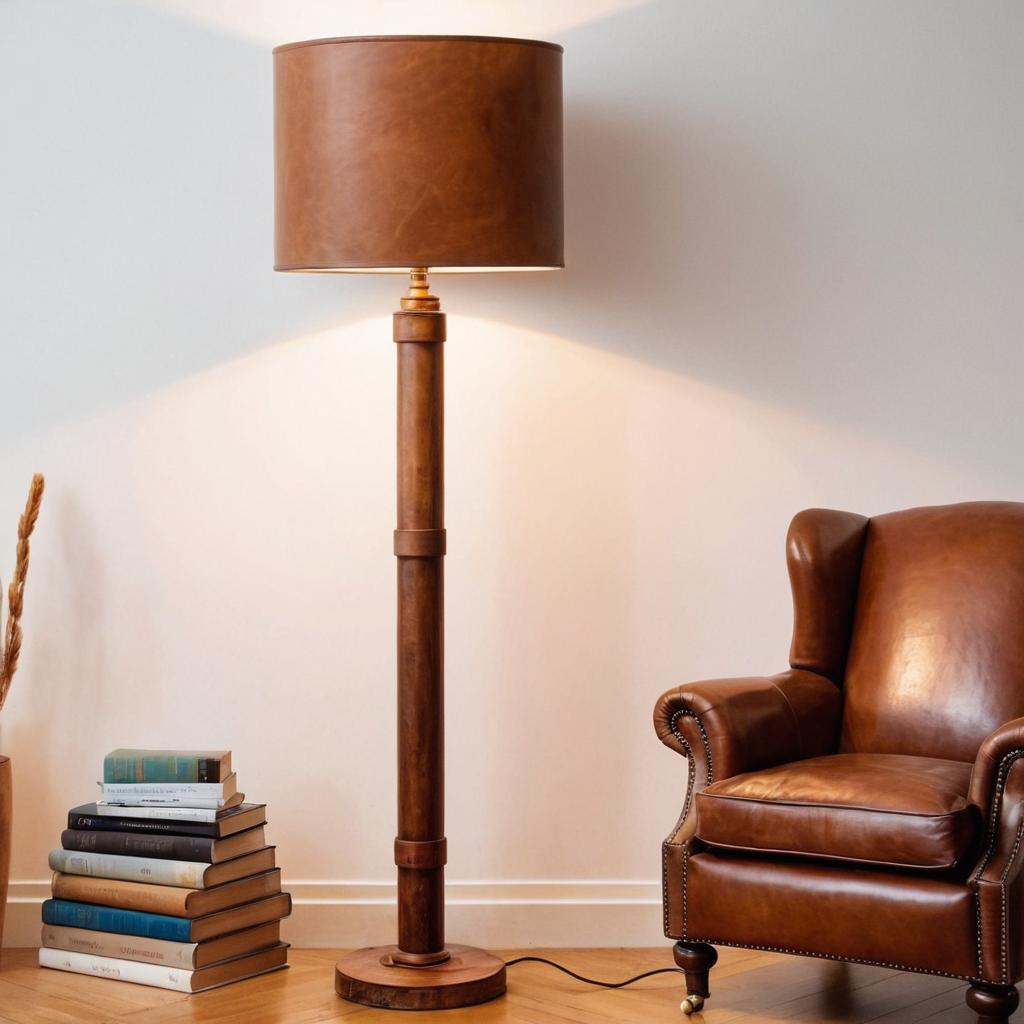
Floor lamps are essential for creating cozy reading spots or adding ambient light to corners of the room that might otherwise be dark. Their design flexibility allows them to serve both functional and aesthetic purposes, with a variety of styles such as minimalist metal, rustic wood, or classic drum shades. When selecting a floor lamp, consider the height in relation to seating areas; it should be tall enough not to block your view but low enough for comfortable reading light.
3. Architectural Fixtures for Grand Spaces
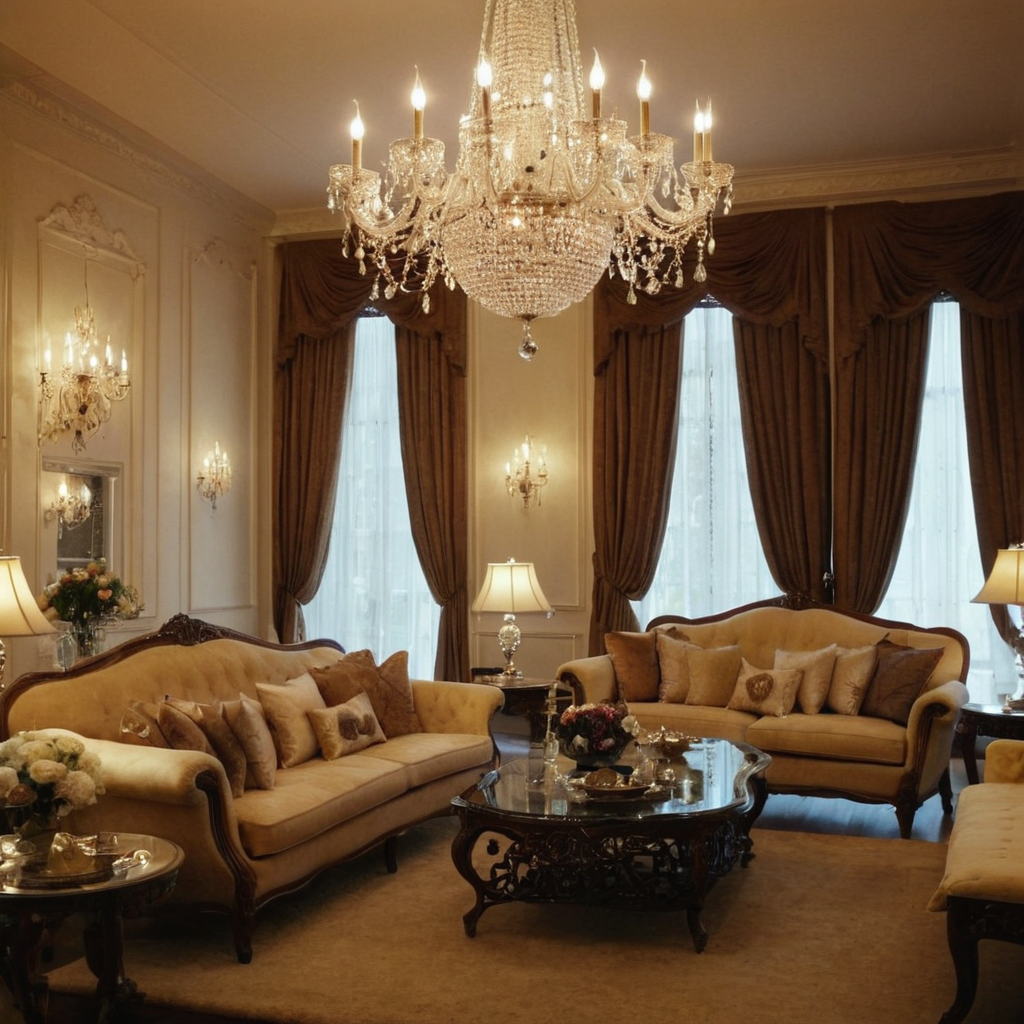
For expansive areas like living rooms or entryways, architectural lighting fixtures can create a dramatic impact while also providing essential illumination. These are often statement pieces designed to complement the grandeur of large spaces with intricate designs and significant scale. The key is to balance the boldness of these lights with surrounding decor; use them as accents rather than overwhelming elements by pairing them with more understated furnishings.
4. Mix & Match for Custom Effects
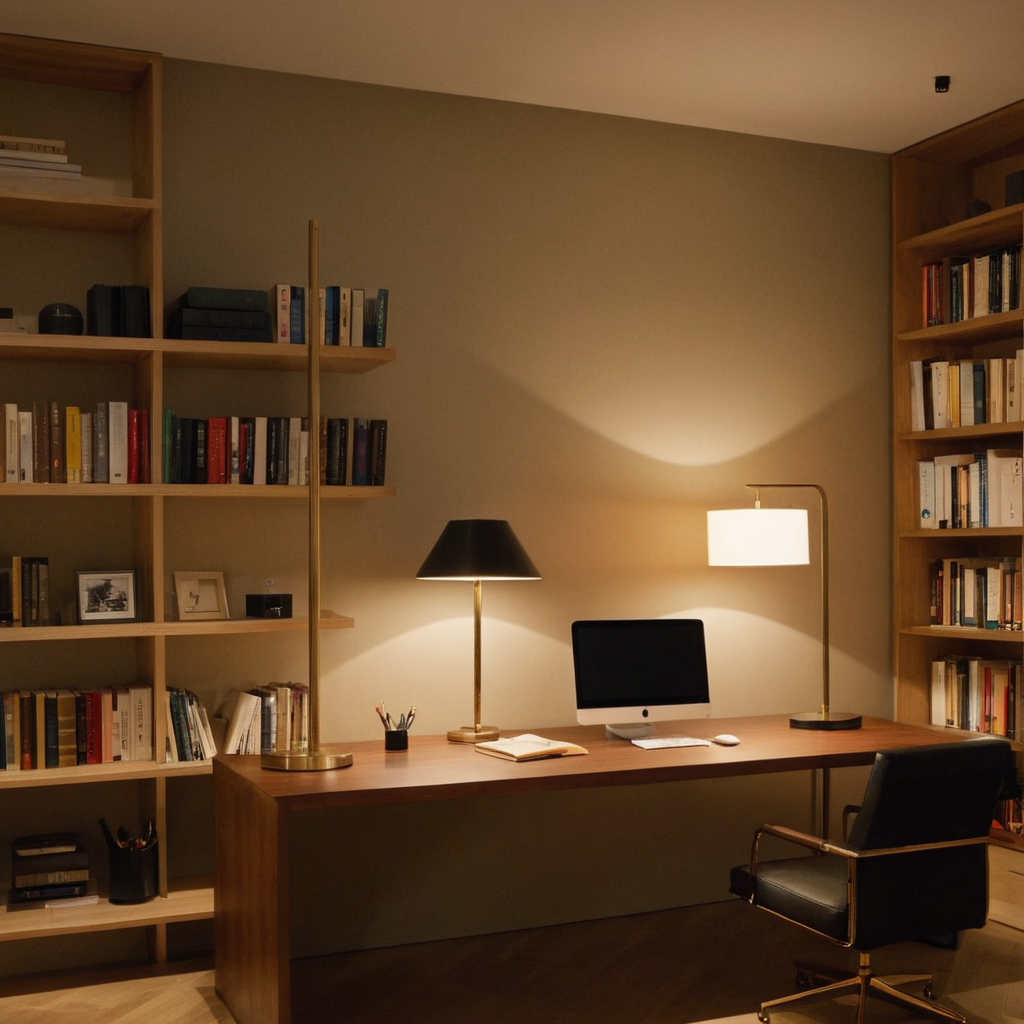
Combining different types of lighting fixtures can create unique visual effects that cater to both functionality and aesthetic appeal. For example, pairing pendant lights with floor lamps in the same room can add depth and dimension to your space. This technique is particularly effective when aiming to set different moods – bright task lighting from a desk lamp versus softer ambient light from overhead fixtures. Experimenting with placement and layering ensures that each area has adequate lighting for its intended use.
5. Light Fixtures as Decorative Accents
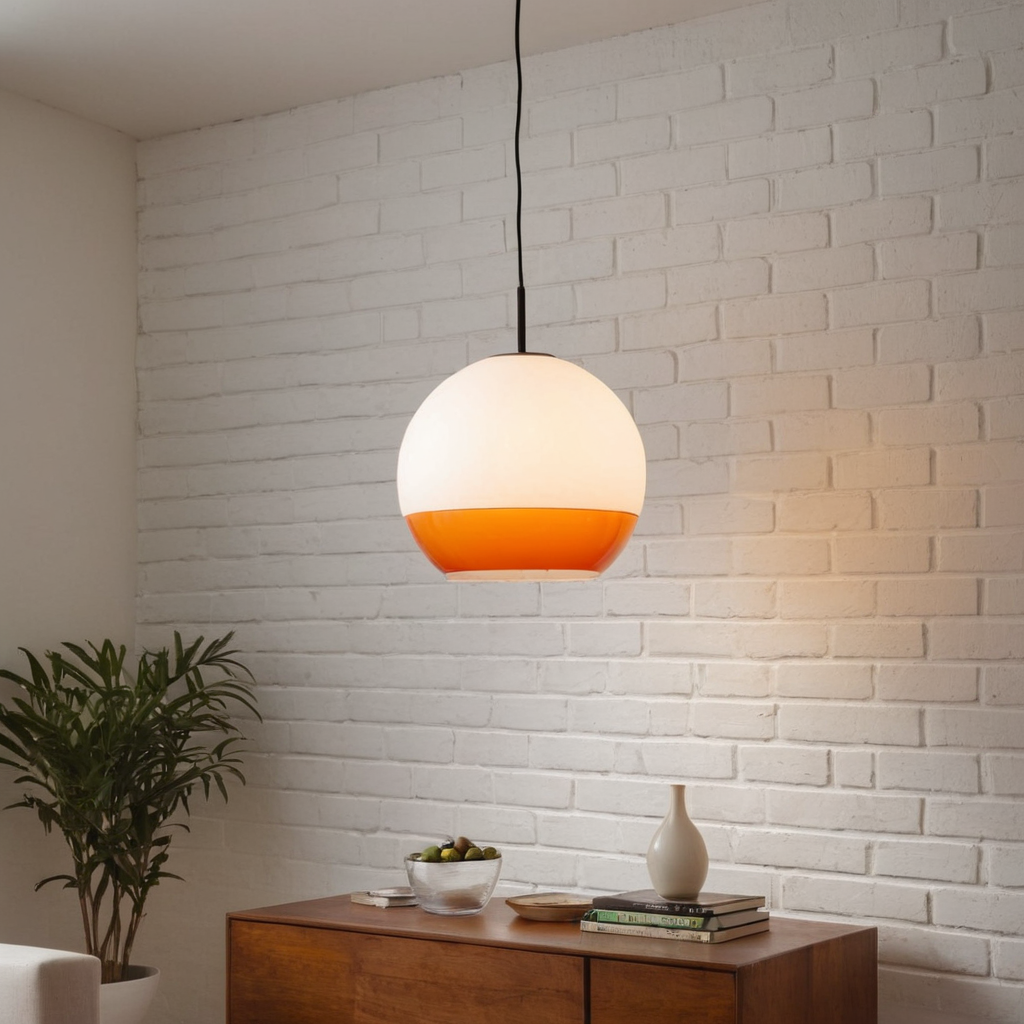
Lighting fixtures can double as decorative accents, adding texture and interest to walls and ceilings without the need for additional decor items. This approach works well in minimalist spaces where every piece must serve a purpose. Consider fixtures with unique shapes or textures like geometric metal designs or woven materials that catch light in interesting ways. Position these pieces strategically to draw attention to specific areas of the room, such as over seating arrangements or above artwork.
6. Energy-Efficient Lighting Choices
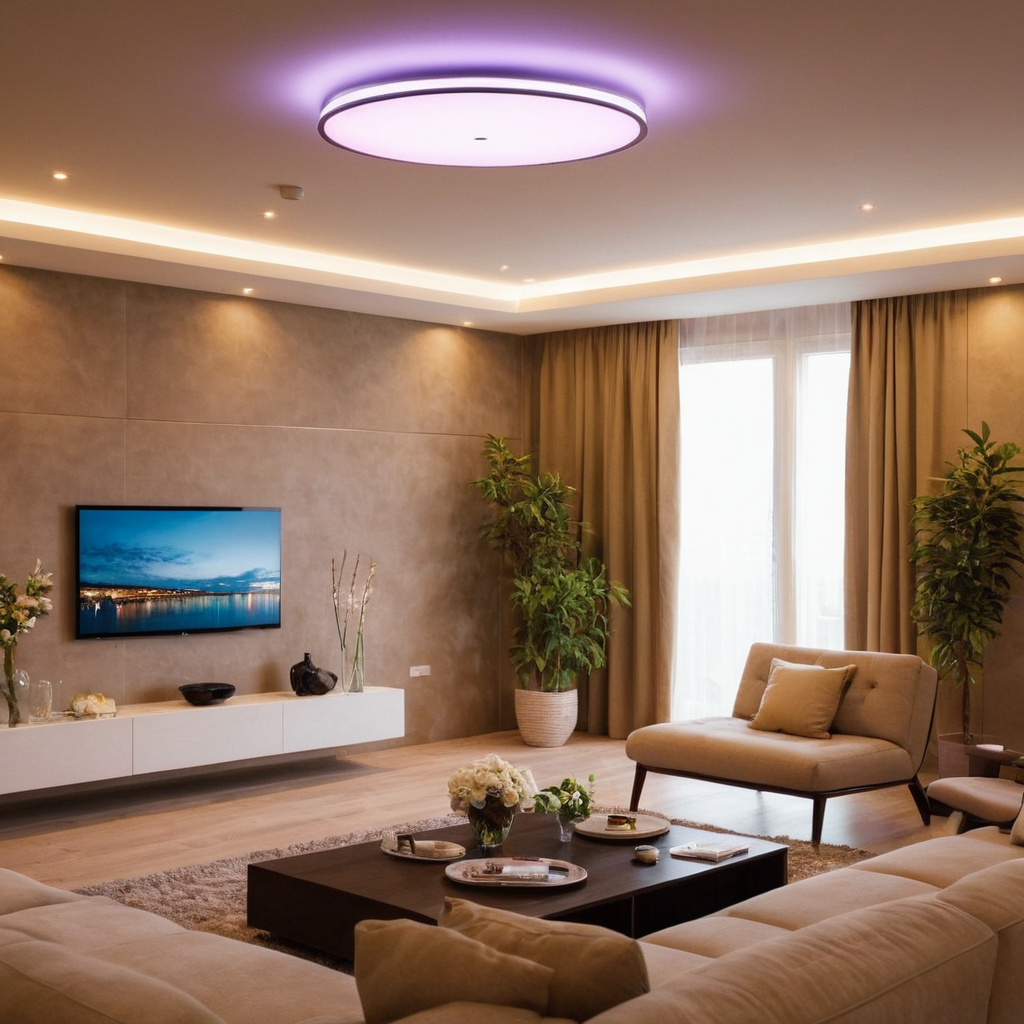
Choosing energy-efficient lighting fixtures is not only environmentally friendly but also beneficial for long-term savings on utility bills. LED bulbs are a popular choice due to their low power consumption and longevity compared to traditional incandescent lights. Opting for smart lighting systems that can be controlled via apps or voice commands adds both functionality and convenience, allowing you to adjust brightness levels and switch lights off remotely. This technology integrates seamlessly with modern decor styles while offering practical advantages.