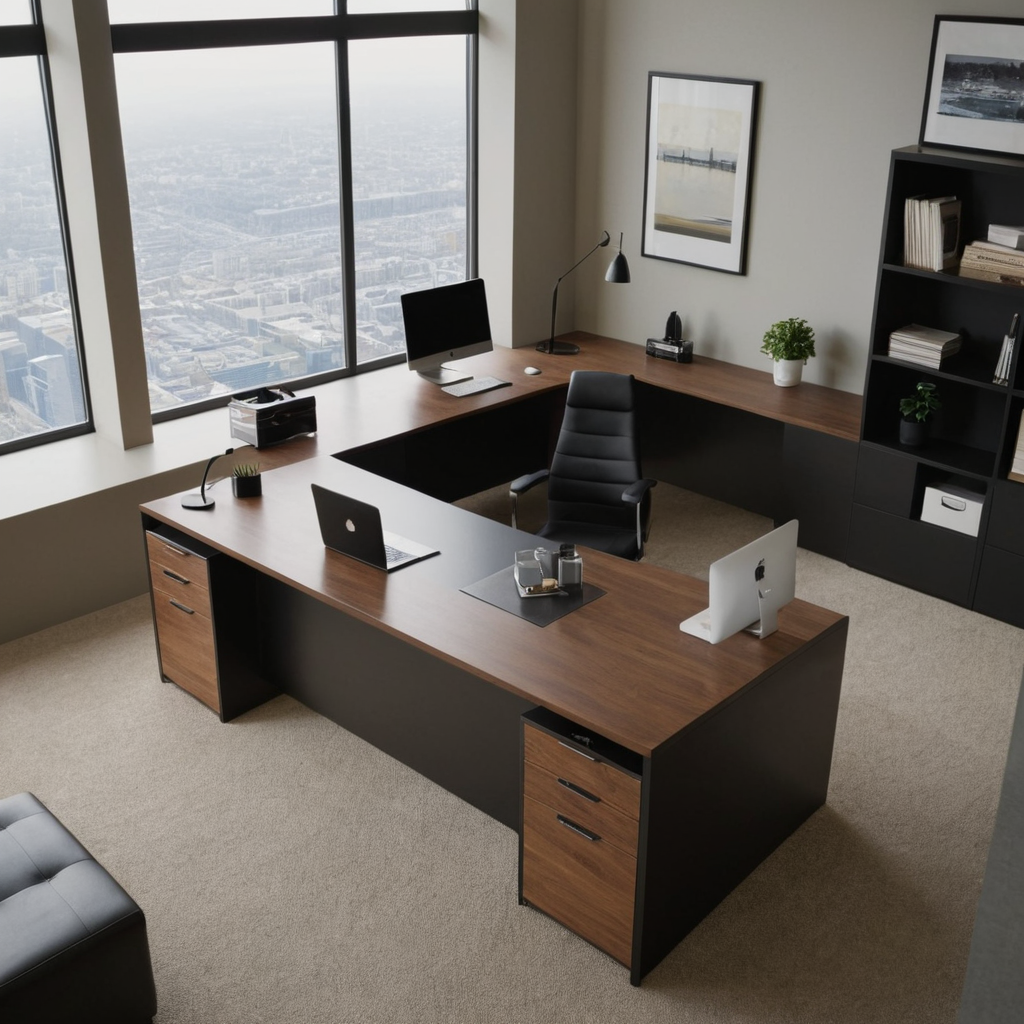
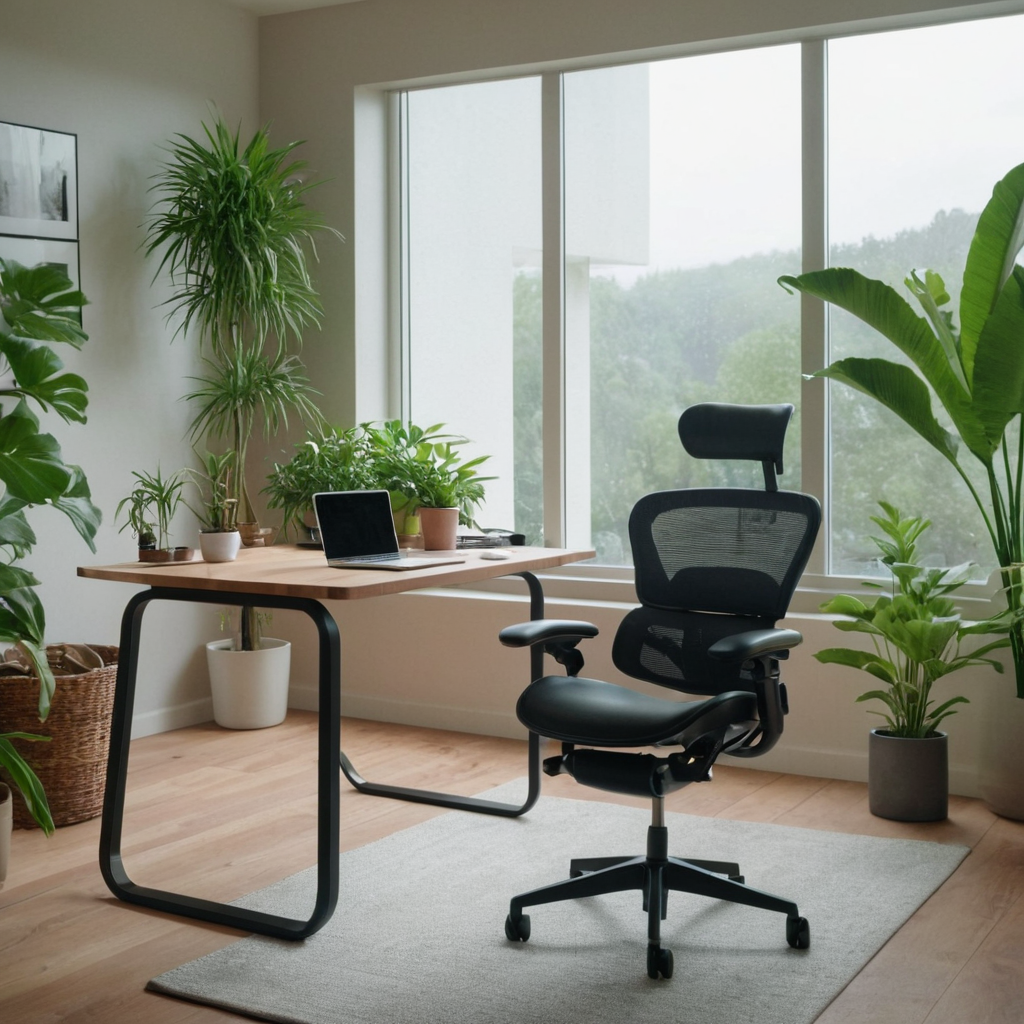
1. Choose the Right Desk and Chair
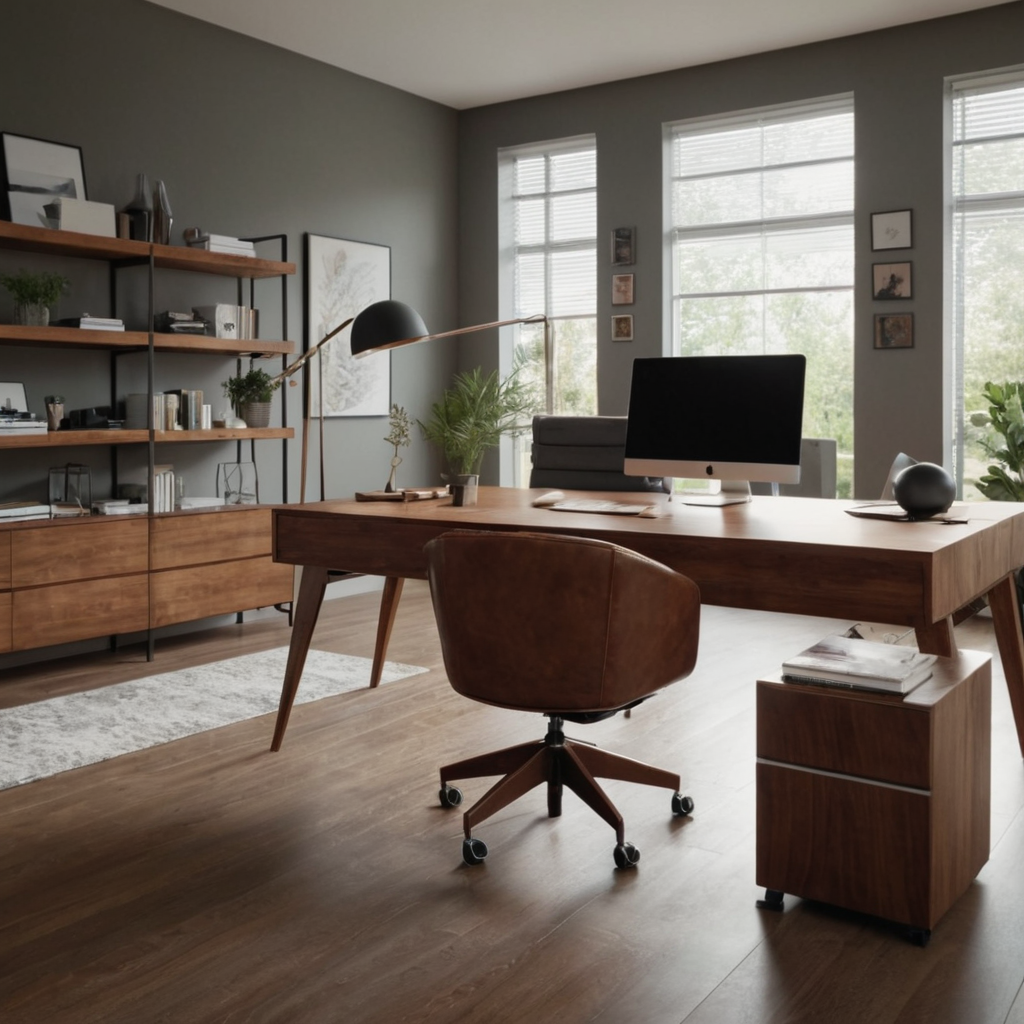
Selecting the right desk and chair is crucial for maintaining good posture and reducing strain during long hours of work. Look for a desk that allows you to place your monitor at eye level, ensuring it’s neither too high nor too low. A comfortable, ergonomic chair with adjustable height and lumbar support can prevent backaches and improve focus. Consider the size of your space and choose furniture that fits without overcrowding the area.
To create an ideal setup, measure your room dimensions carefully before purchasing any furniture. Opt for a desk with ample surface area for all necessary items like your computer, books, and office supplies. For chairs, brands such as Herman Miller or Steelcase offer ergonomic options suitable for home offices.
2. Optimize Lighting for Comfort
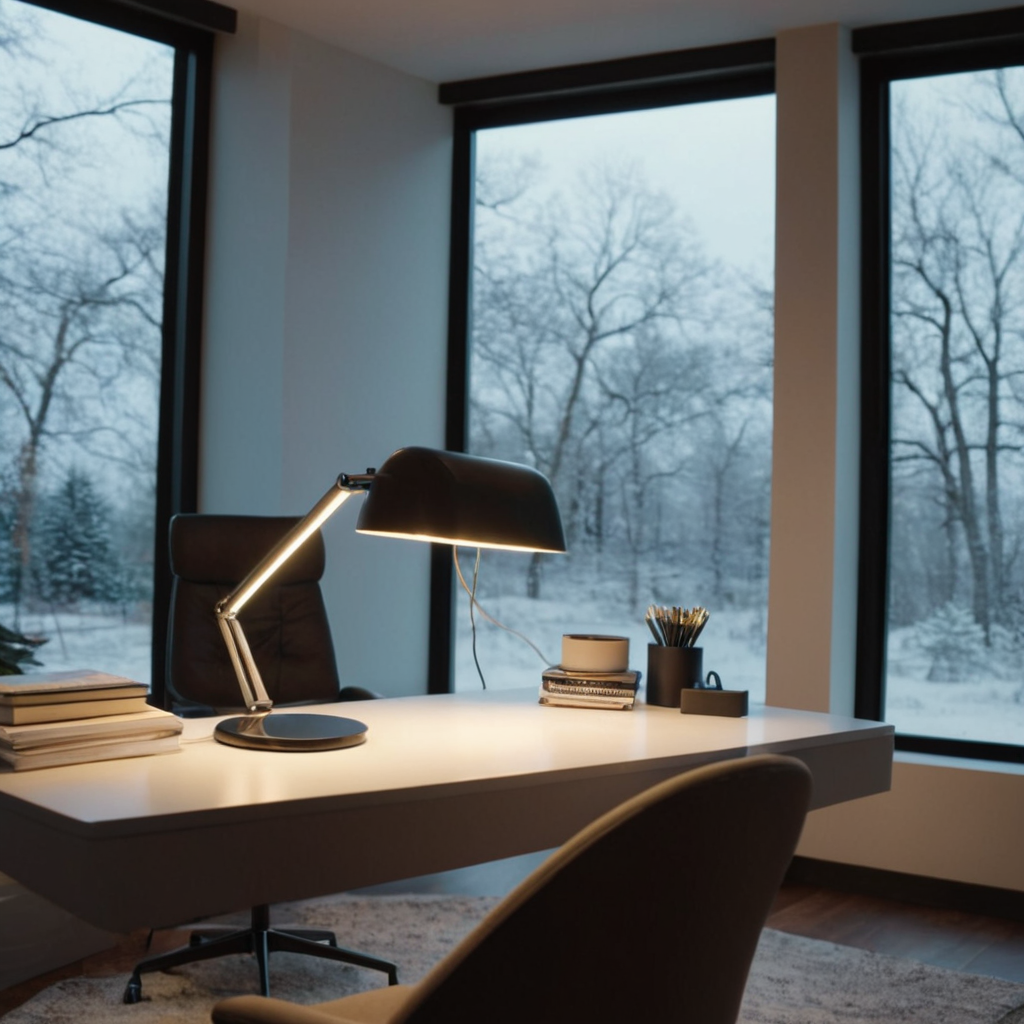
Proper lighting in your home office is essential to reduce eye strain and enhance productivity. Natural light from windows can boost mood and energy levels but ensure that it doesn’t cause glare on your computer screen. If natural light isn’t sufficient, invest in quality artificial lights like LED desk lamps or floor lamps with adjustable brightness settings.
Position your desk near a window for natural daylight when possible, but avoid direct sunlight as it can create uncomfortable heat and glare. Use task lighting to provide focused illumination over your work area without causing shadows on your screen.
3. Organize Your Workspace for Efficiency
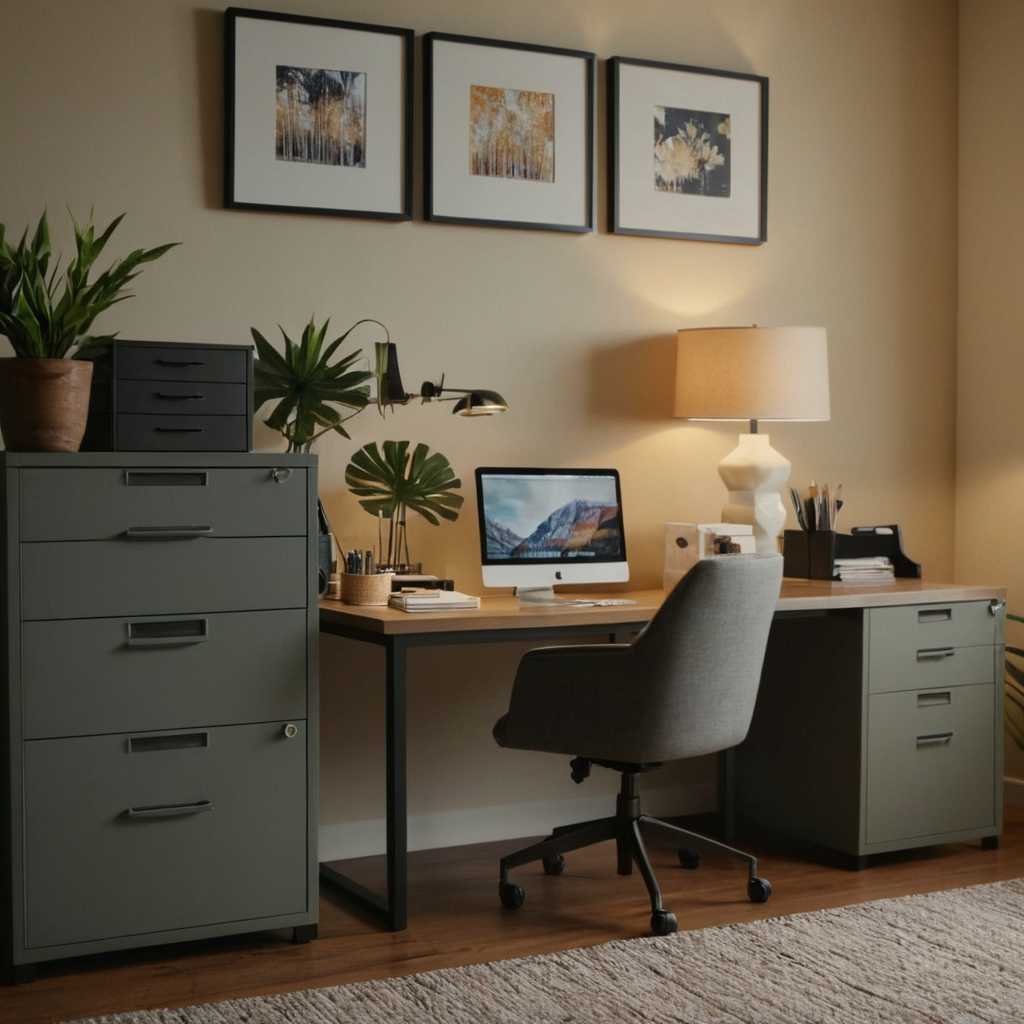
An organized workspace not only improves productivity but also reduces stress levels. Use storage solutions like shelves, drawers, and filing cabinets to keep your documents, supplies, and personal items neatly arranged. Minimize clutter by regularly cleaning out unnecessary items from your desk area.
Consider using drawer organizers or stackable bins to categorize different types of office supplies. Vertical space can be maximized with wall-mounted shelves for books and binders, freeing up desktop real estate.
4. Personalize Your Space for Inspiration
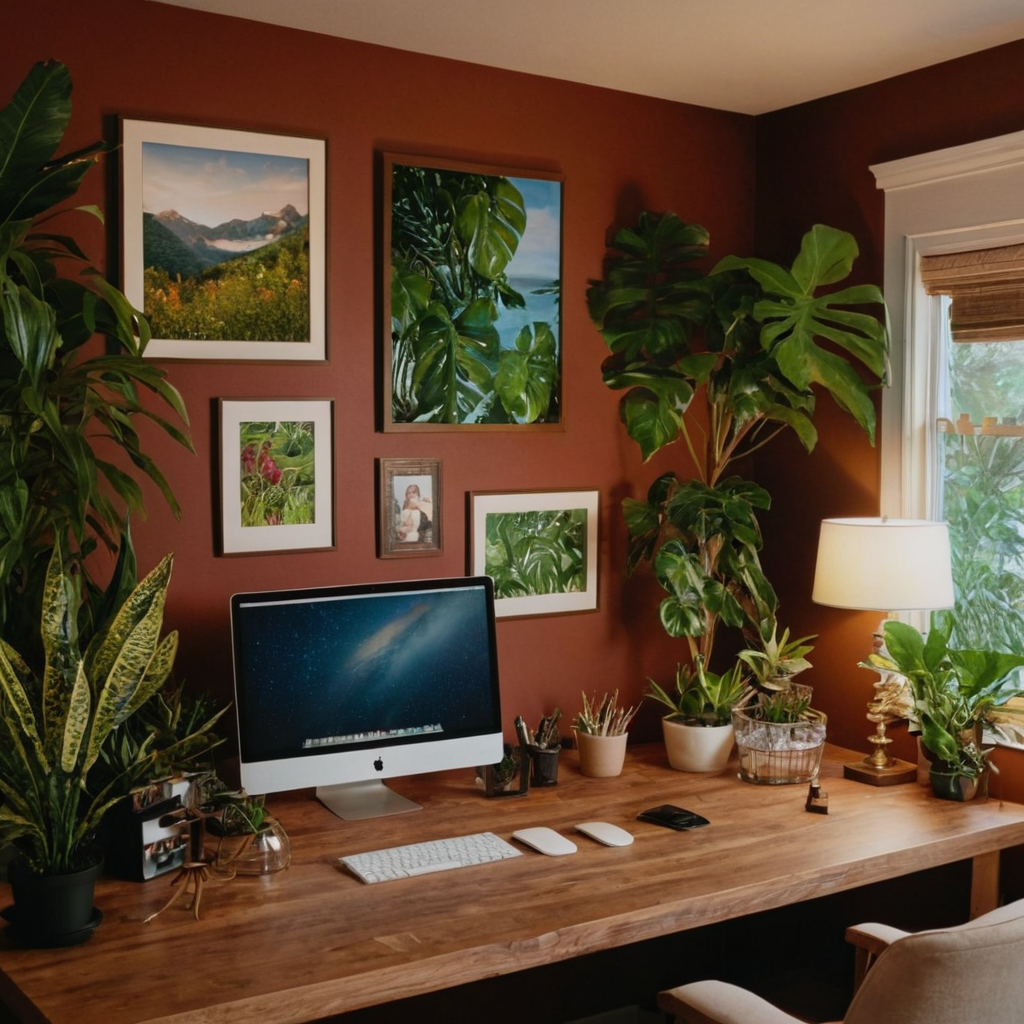
Personal touches can make your workspace more inviting and inspiring, promoting a positive work environment. Display personal items such as photos of loved ones or art pieces that motivate you. Plants not only enhance the aesthetics but also improve air quality and productivity.
Incorporate personal elements like a favorite mug or unique stationery to add character to your space. Use wall hangings or artwork that reflects your interests or motivates you during work hours.
5. Create Comfortable Seating Areas for Breaks
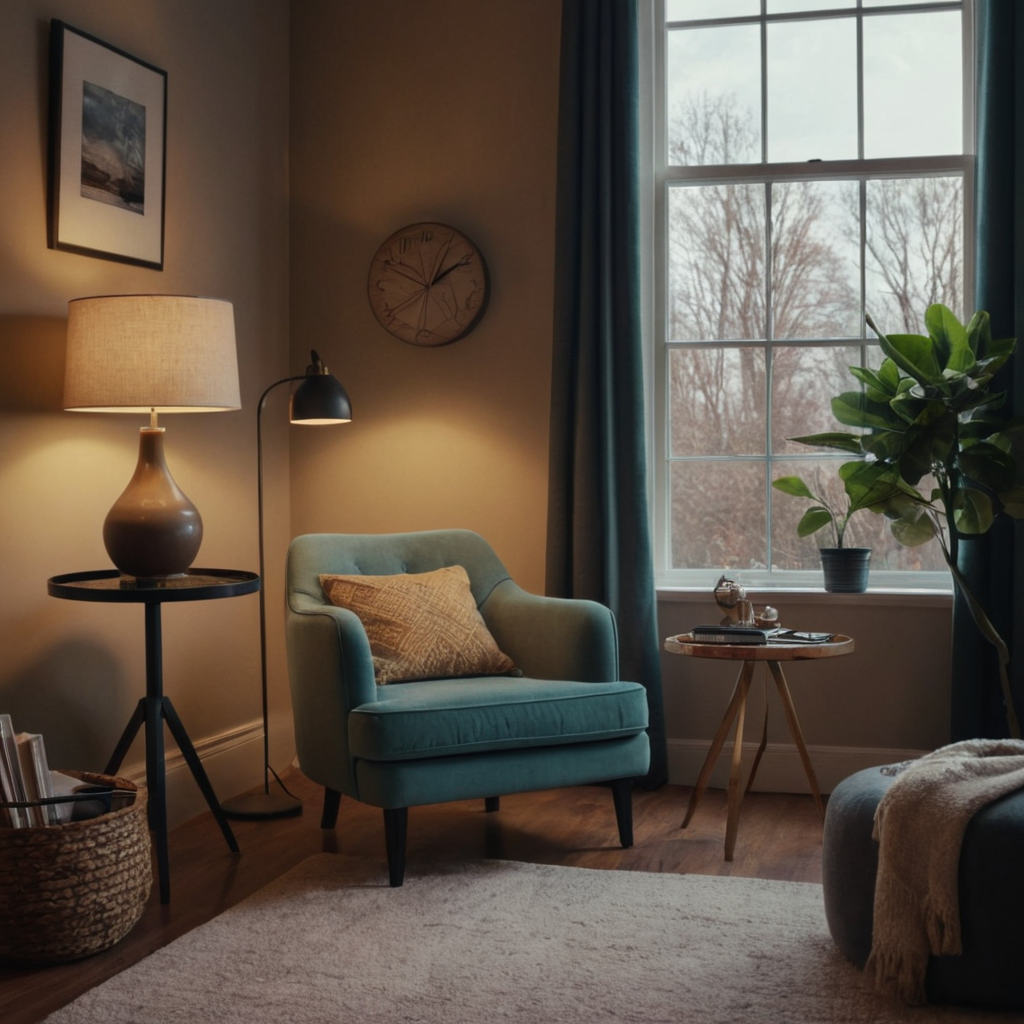
Incorporating a comfortable seating area in your home office can provide a space to relax during breaks or brainstorm ideas away from the desk. A small sofa or armchair with a side table is ideal for short respites and reading materials.
Choose furniture that complements your overall design aesthetic but ensures comfort for longer periods of rest. Position this seating area near windows if possible, allowing you to enjoy natural light and views during breaks.
6. Enhance Tech for Seamless Remote Work
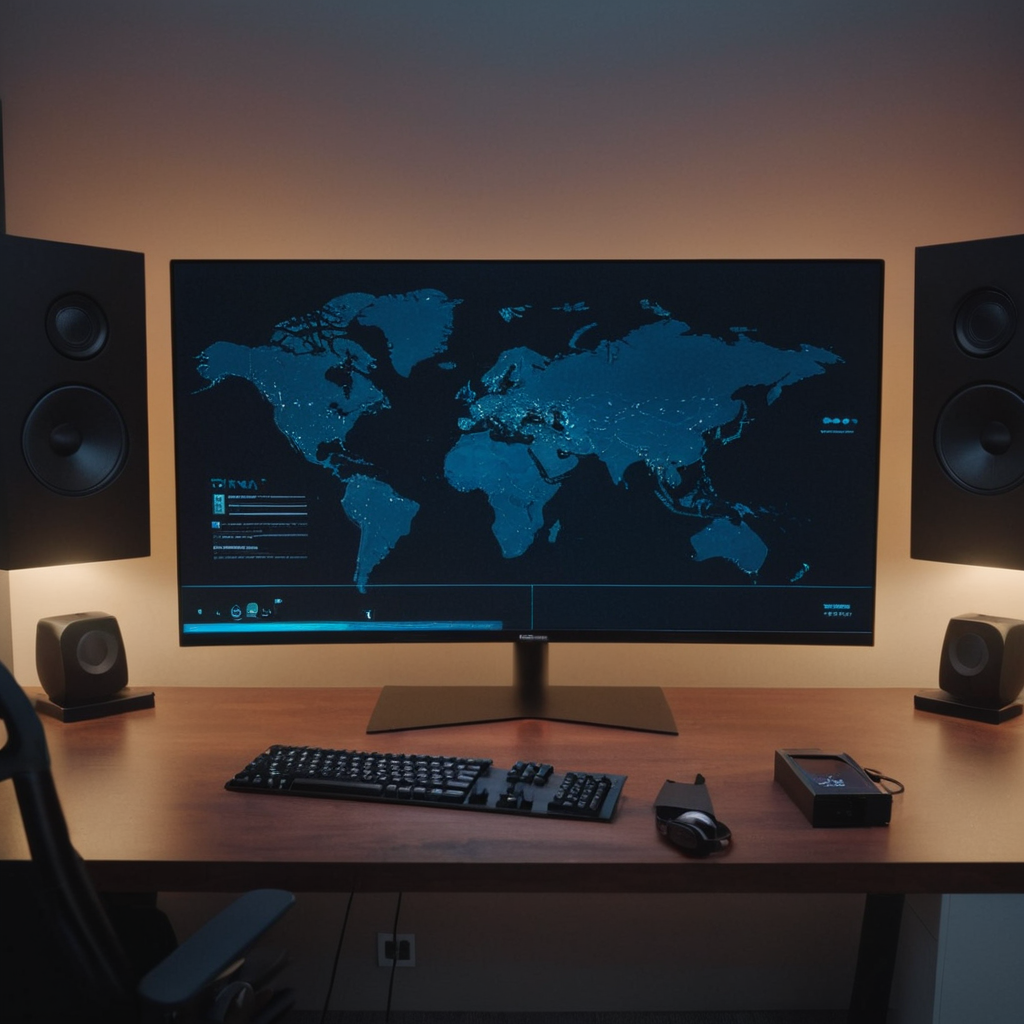
To ensure smooth remote work, invest in quality technology that supports your daily tasks. A reliable computer or laptop is essential, along with fast internet connectivity to avoid delays during video calls and file transfers.
Consider additional tech like a high-resolution monitor for clearer visuals, noise-canceling headphones for better focus, and an external webcam for professional-looking video meetings. Organize cables neatly using cable management boxes or clips to maintain a clean desk appearance.