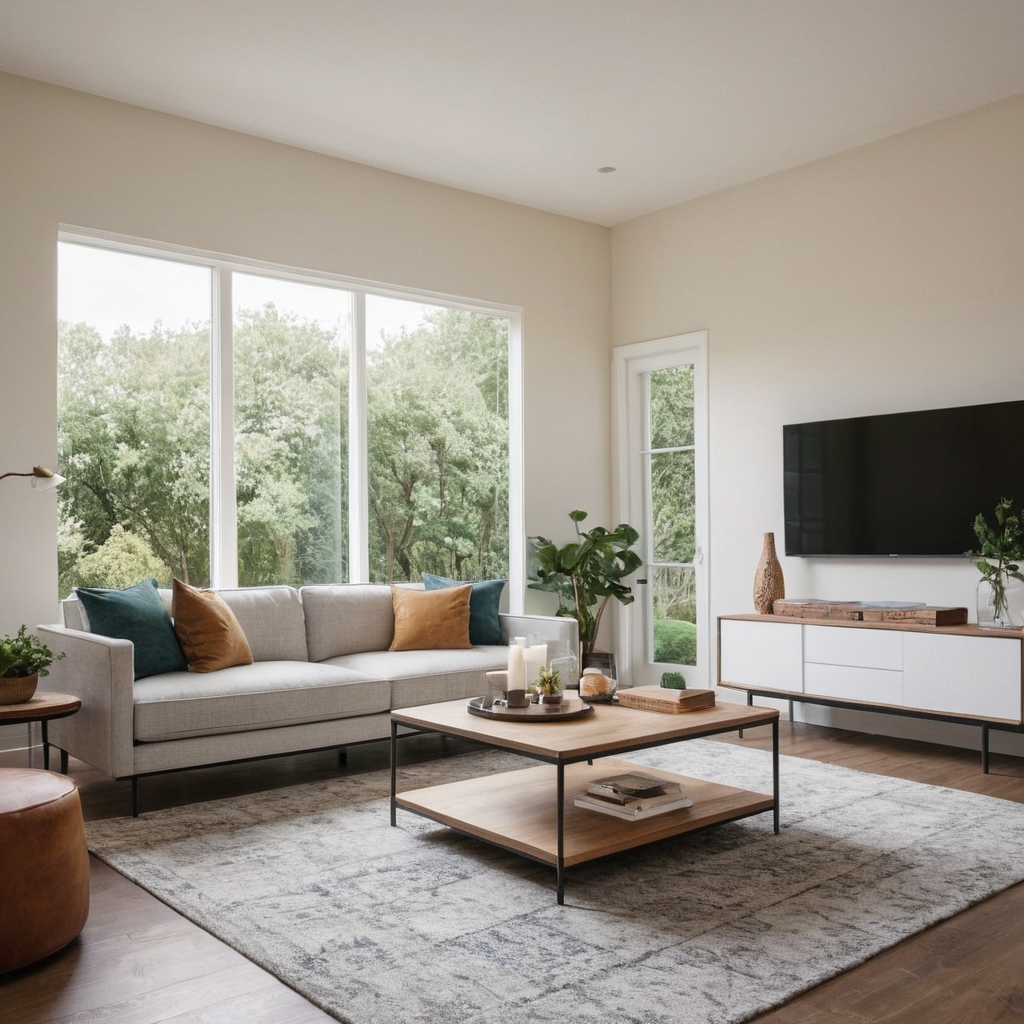
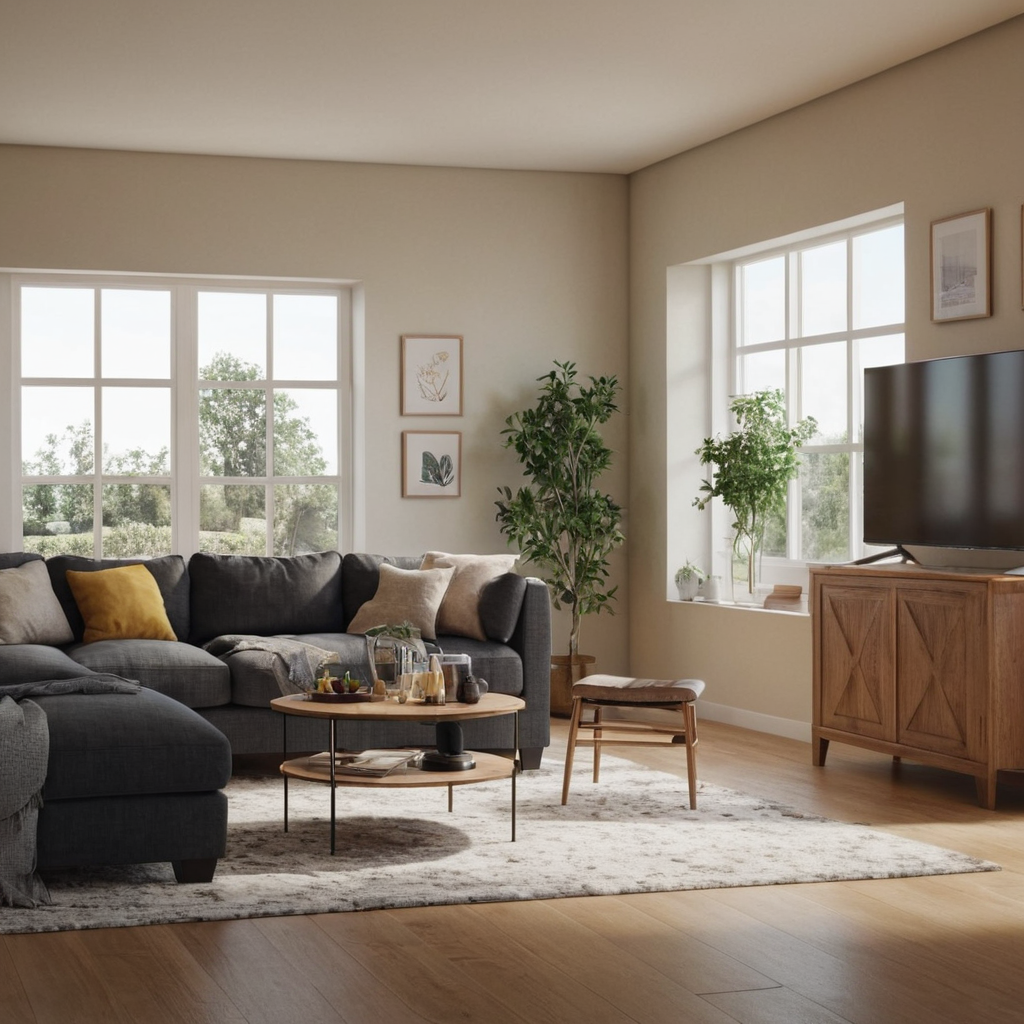
1. Balance Functionality with Aesthetics
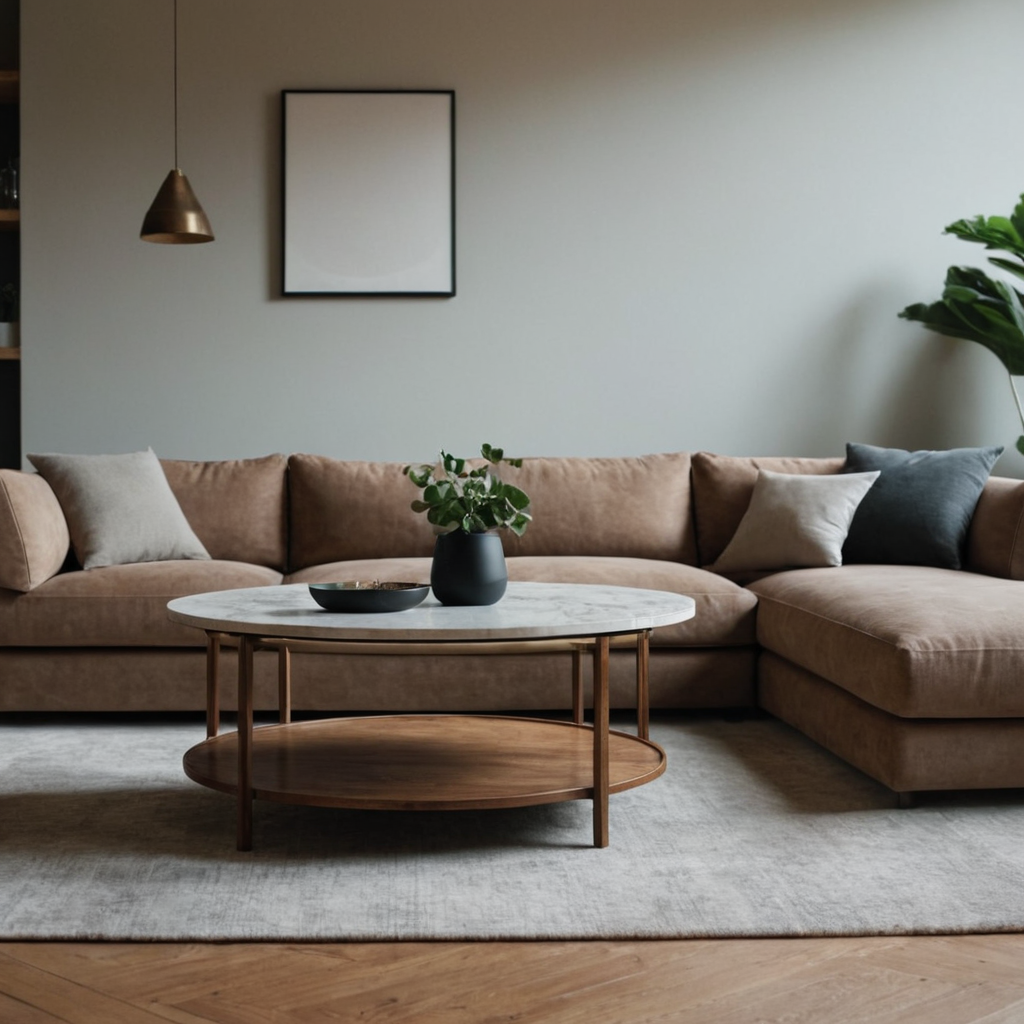
When selecting furniture, it’s crucial to strike a balance between functionality and aesthetics. High-quality design should not compromise on practicality; every piece should serve both its intended use and enhance the visual appeal of your space. This ensures that your home is not only beautiful but also functional.
To achieve this, consider the primary purpose of each furniture item before making a purchase. For instance, choose a dining table that seats everyone comfortably while still fitting well within the room’s dimensions without overwhelming it. Similarly, select sofas and chairs that are both comfortable for sitting and complement your home’s design theme.
2. Scale and Proportion
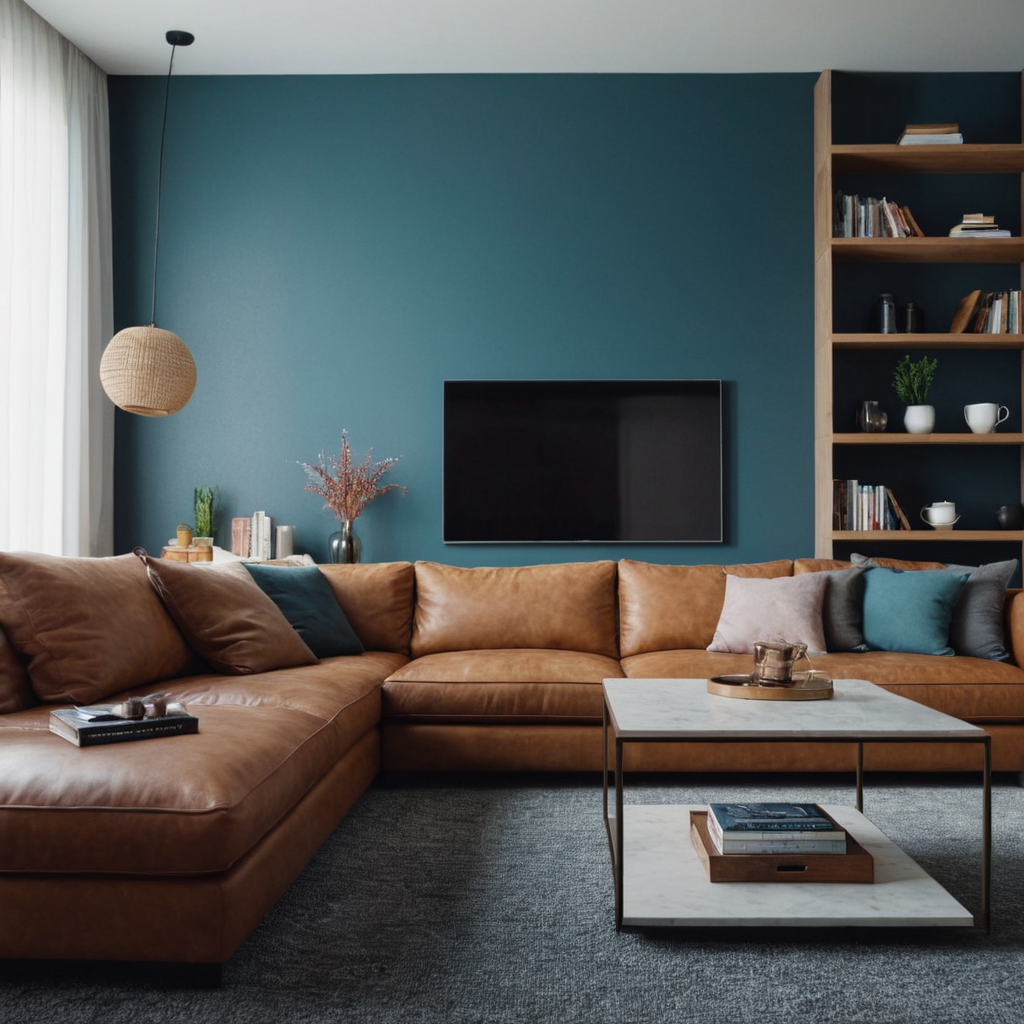
Understanding scale and proportion is key when it comes to furniture selection. The right size of your furniture pieces can make or break the overall appearance of a space, affecting how comfortable and functional the area feels. Proper proportions ensure that each piece interacts harmoniously with others in the room.
When choosing furniture, measure your rooms first to determine what sizes will work best. Avoid overcrowding smaller spaces; opt for multi-functional pieces like ottomans or storage beds that can serve multiple purposes without taking up too much space.
3. Color and Texture Coordination
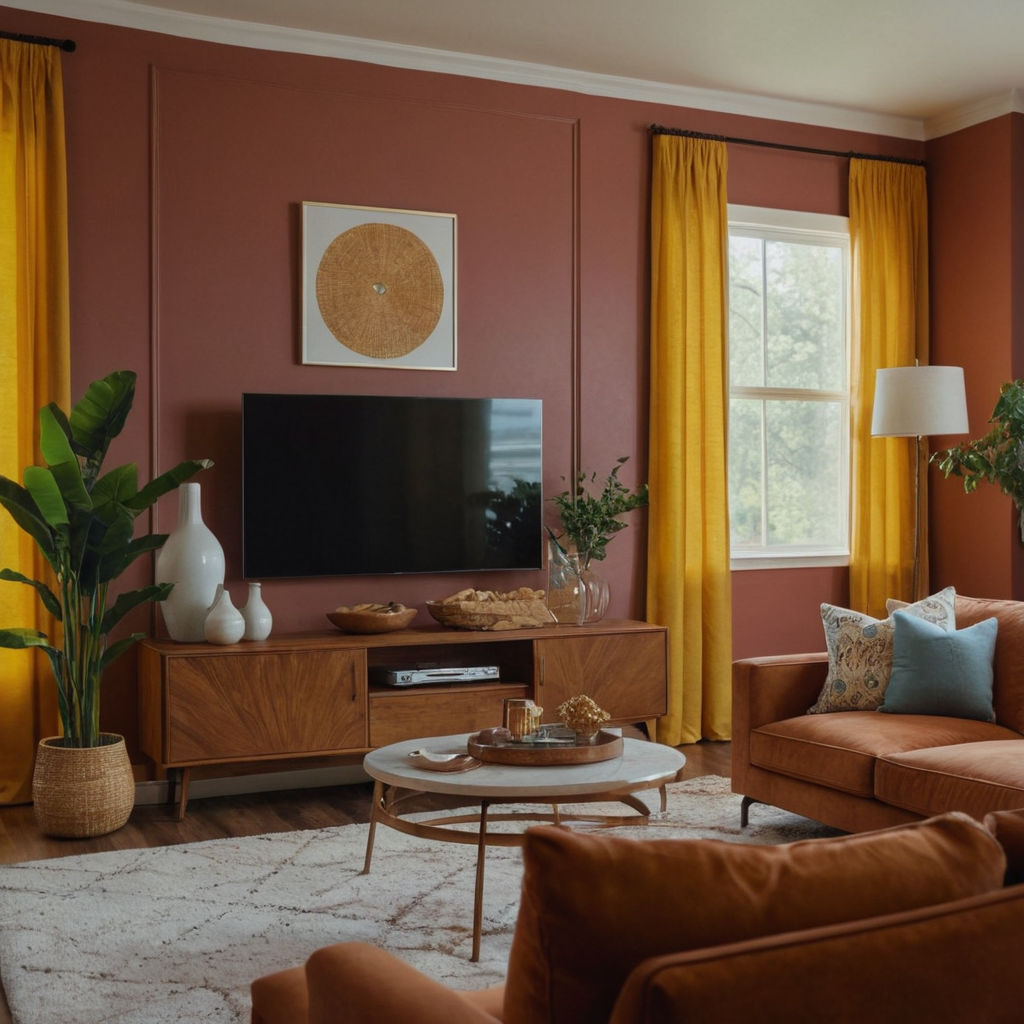
The color scheme and texture of your furniture play critical roles in setting the mood and visual flow of a room. Coordinating these elements can help create an inviting atmosphere that reflects your personal style.
Start by selecting a base color for your larger furniture items like sofas and coffee tables, then layer with contrasting or complementary colors through cushions, rugs, and smaller decor pieces. Use texture to add depth; mix matte and glossy surfaces or combine smooth fabrics with rougher textures.
4. Consider the Room’s Purpose
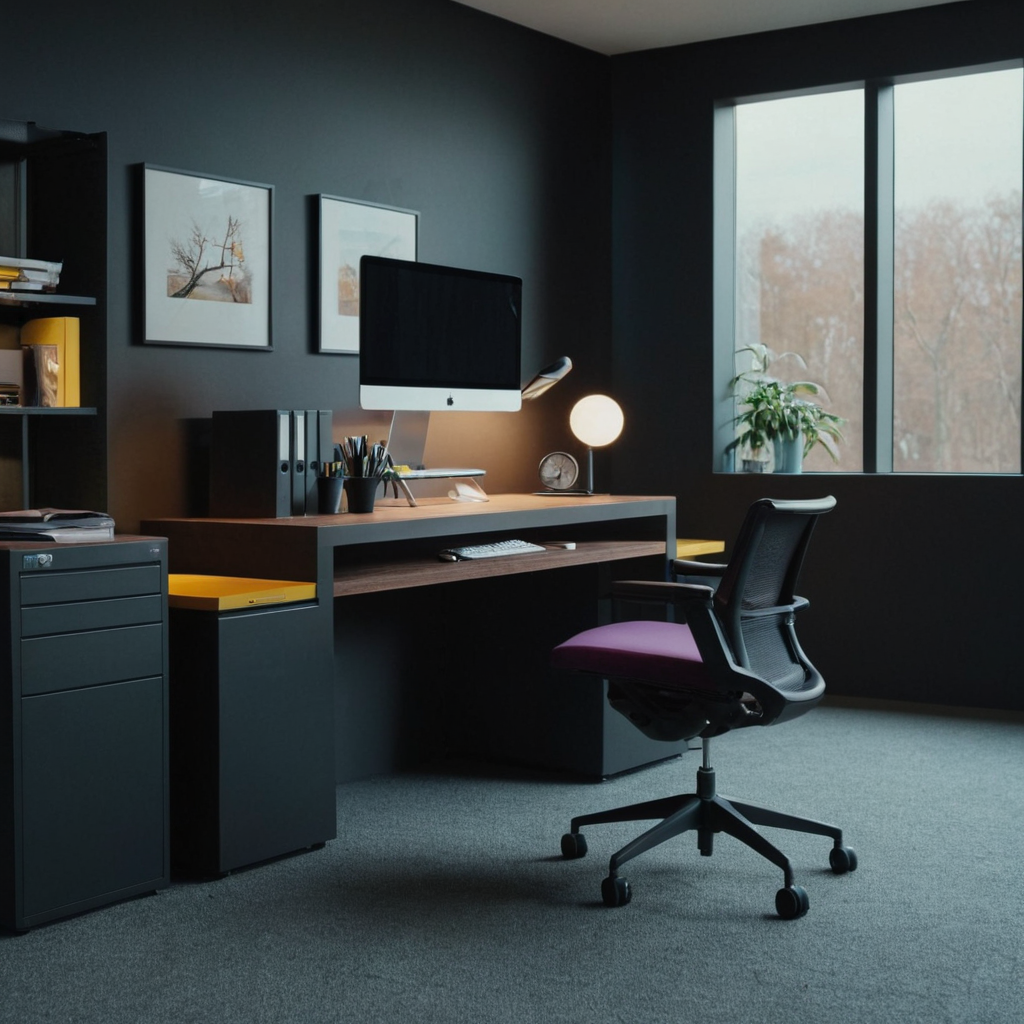
Each room in your home serves a different purpose, so it’s essential to choose furniture that aligns with these functions. The right furniture can enhance usability while also contributing to the aesthetic appeal of each space.
For example, in a workspace or study, prioritize ergonomic seating and plenty of storage solutions to keep essentials organized. In contrast, a bedroom should focus on comfort; invest in a high-quality mattress and consider adding soft, cozy textures like plush rugs and throw blankets.
5. Mix Vintage and Modern Pieces
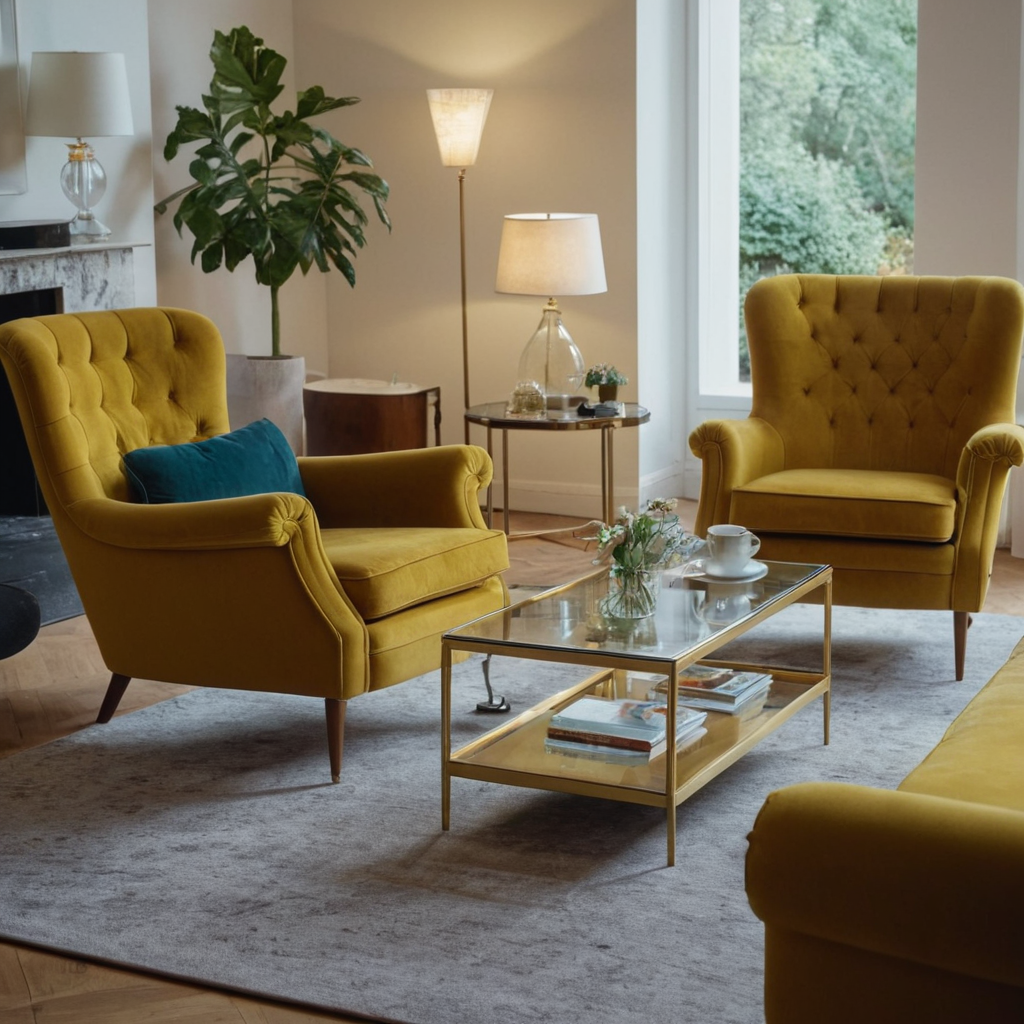
Mixing vintage furniture pieces with modern designs can create a unique, eclectic look that adds character to your home. This approach allows you to blend timeless styles with contemporary trends for an interesting and personalized space.
Look for vintage items that complement the overall theme of your room but also stand out as statement pieces. Pair them with more traditional or modern furniture to create contrast and interest. For example, a mid-century coffee table can work well alongside a sleek, minimalist sofa.
6. Quality over Quantity
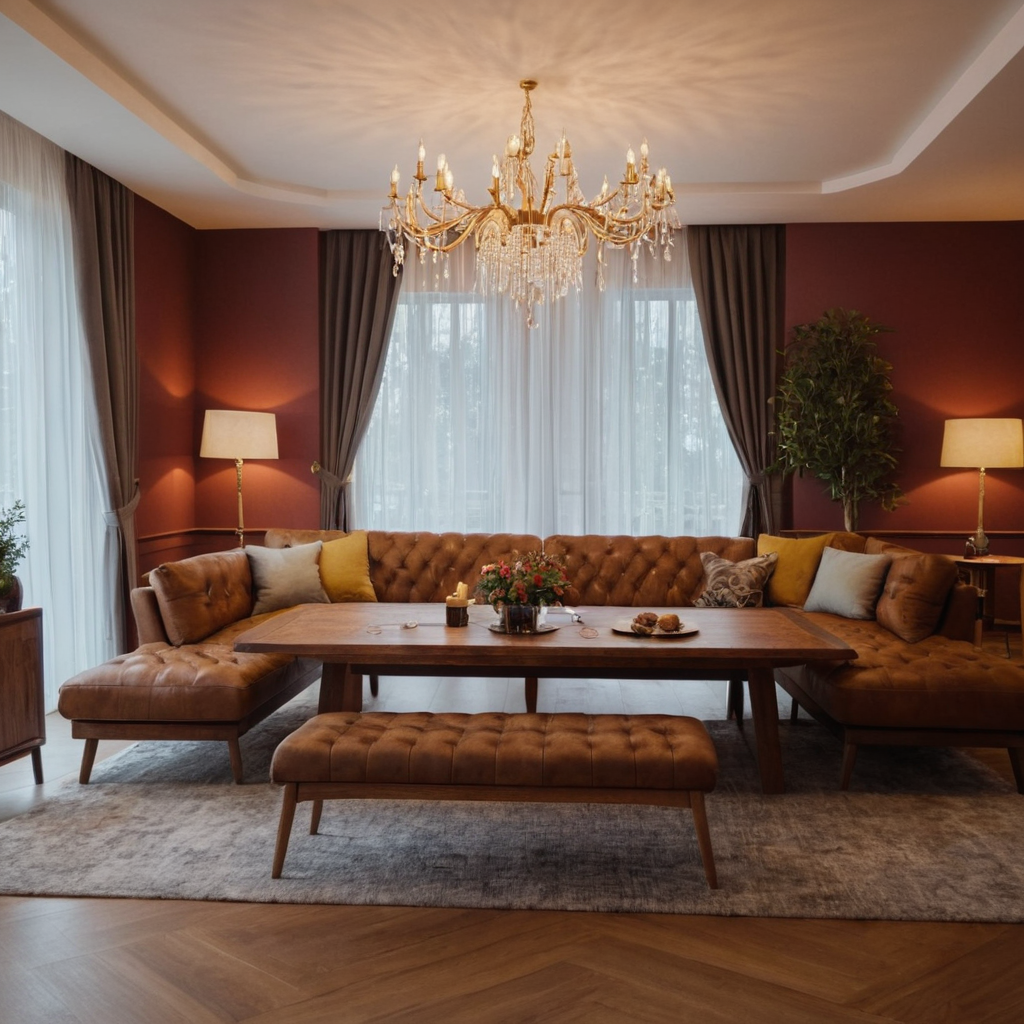
Investing in quality furniture pieces that will last can be more cost-effective than frequently replacing lower-quality items. High-quality materials ensure durability, which means you won’t have to replace them as often, saving money and reducing environmental waste.
When shopping for furniture, look for solid wood constructions, sturdy frames, and high-quality upholstery. Opting for fewer but better pieces also allows you to create a more curated and intentional space that reflects your personal style.