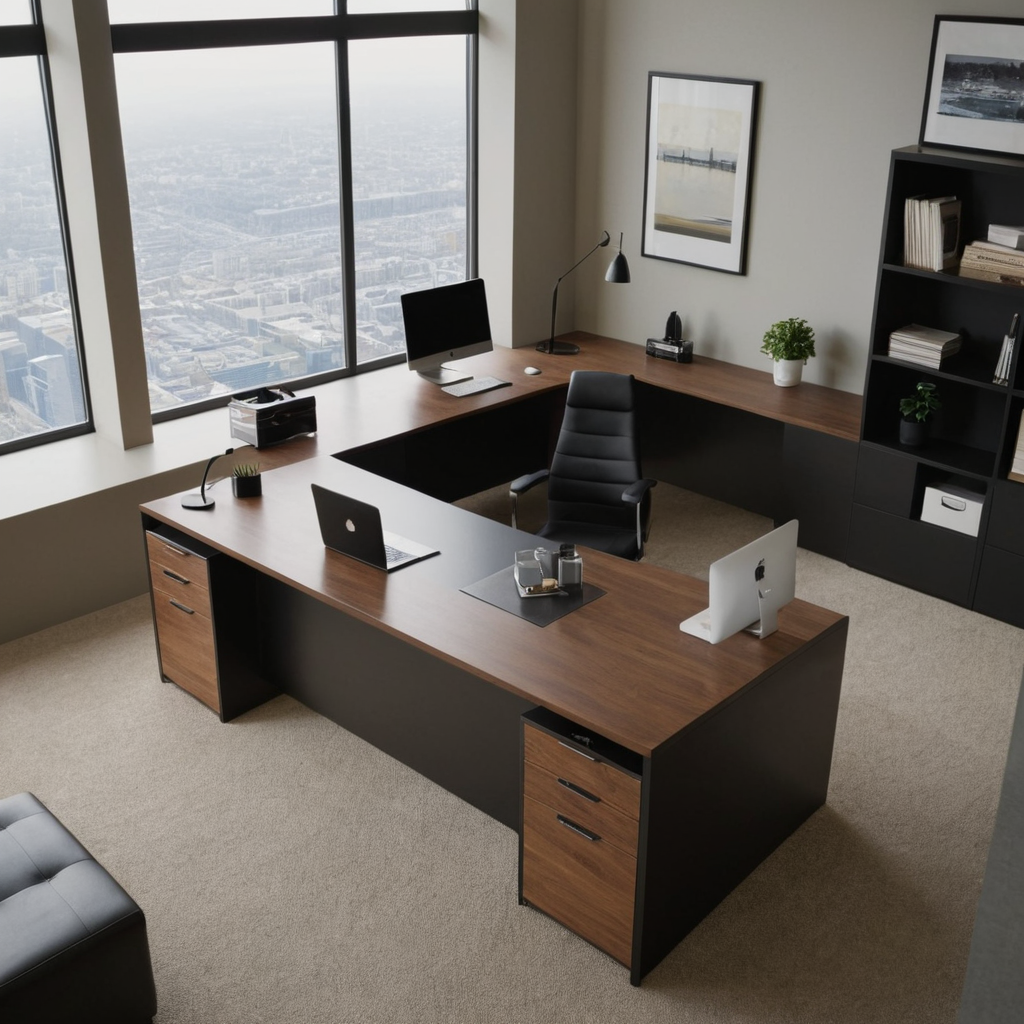
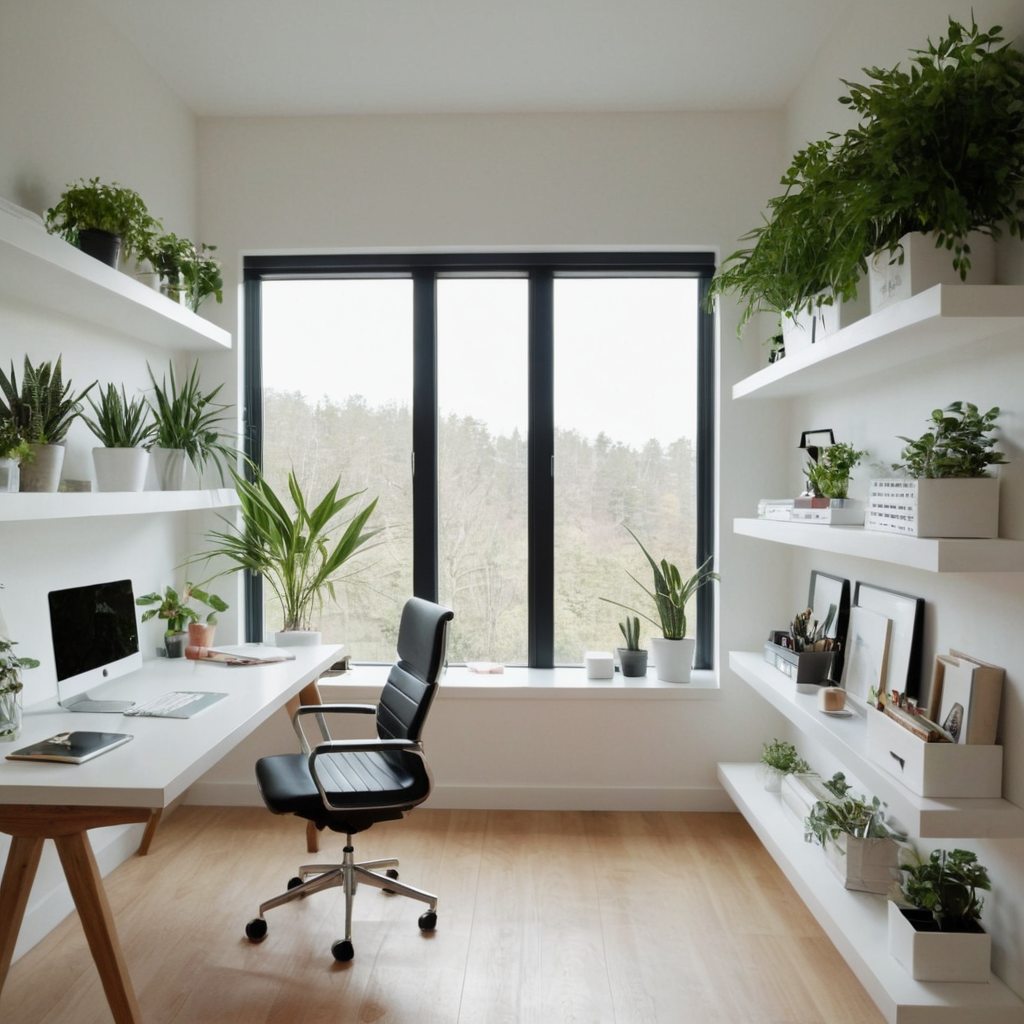
1. Ergonomic Comfort
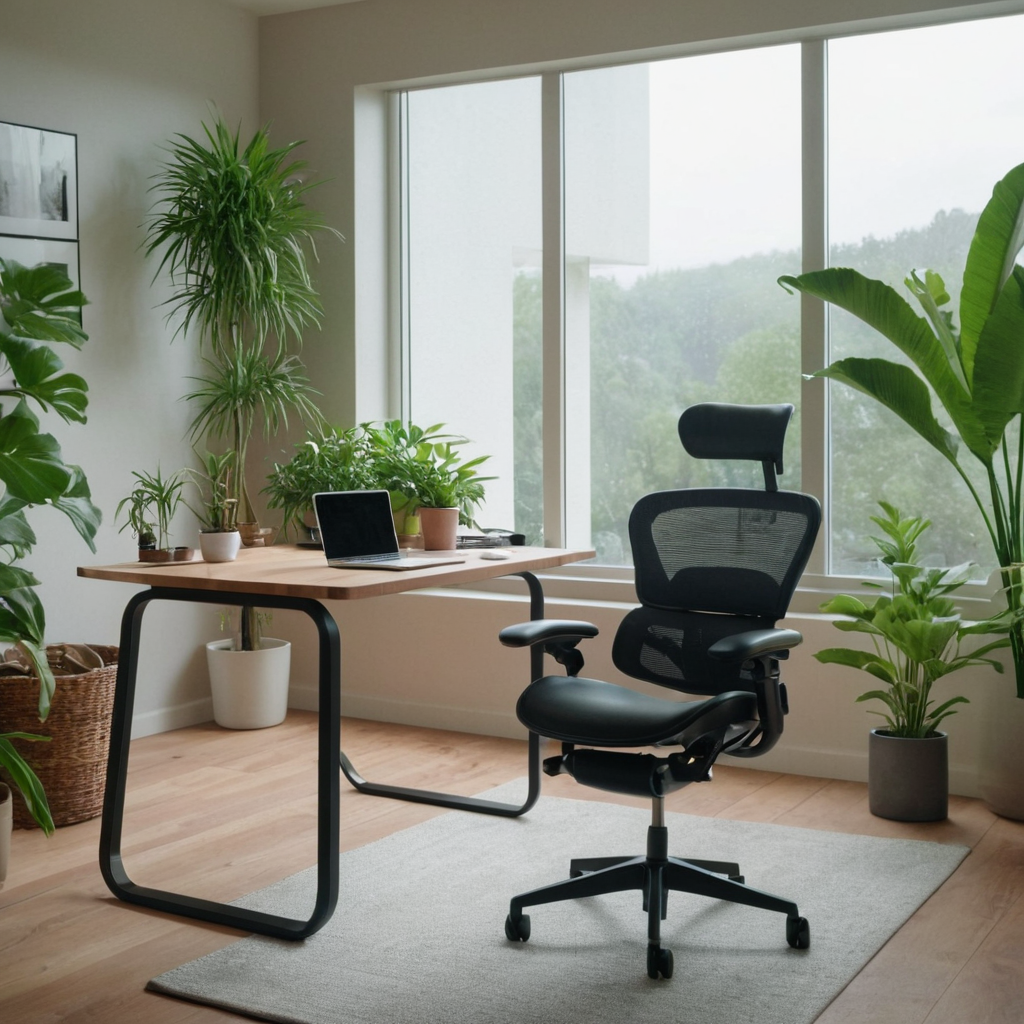
Ergonomics is crucial for both productivity and long-term health in a home office setup. An ergonomic chair, desk height, and monitor placement can significantly reduce strain on your back, neck, and eyes. To achieve this, consider investing in adjustable furniture that allows you to customize the fit based on your body’s needs.
Practical advice: Start by ensuring your feet are flat on the floor with hips at 90 degrees when seated. Adjust the monitor height so it’s directly in front of you at eye level. Consider using a standing desk or alternating between sitting and standing throughout the day to keep your circulation active.
2. Desk Organization
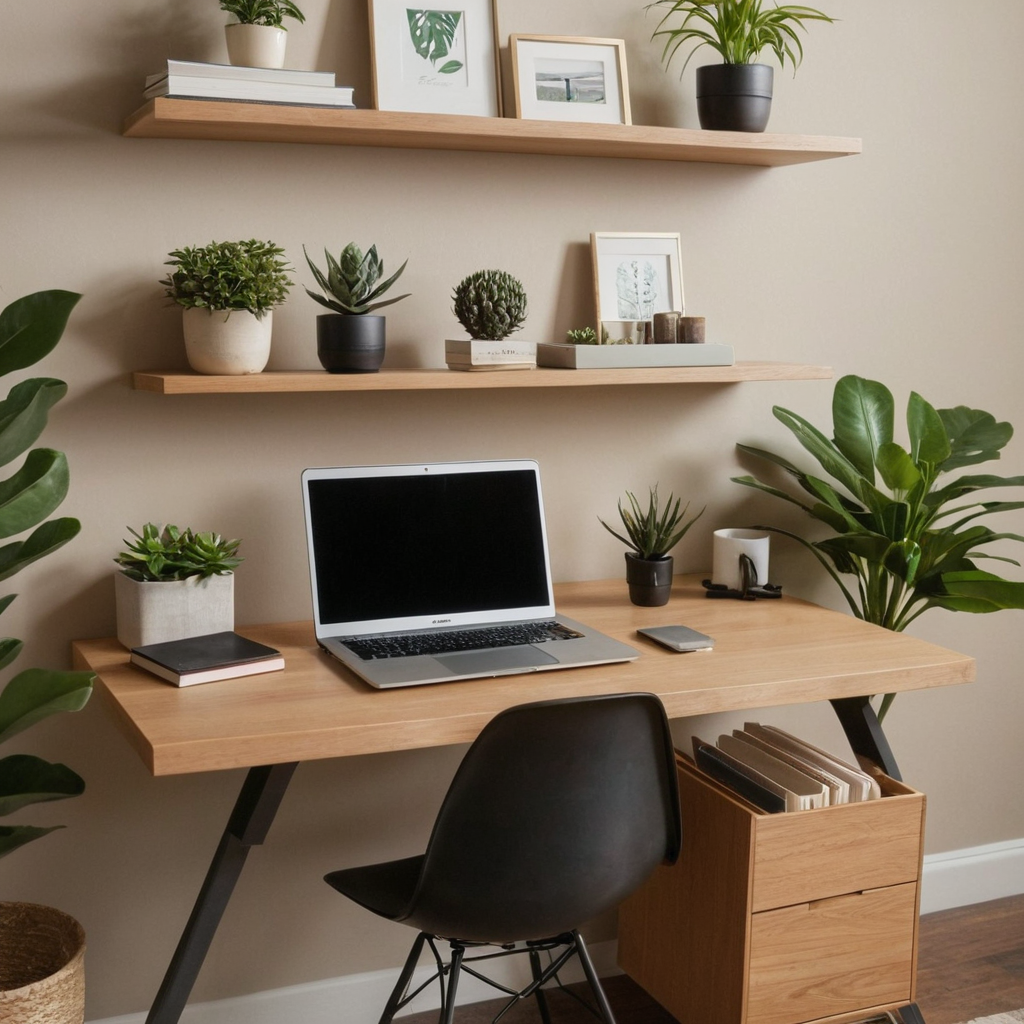
A clutter-free desk can significantly improve focus and productivity. Keeping your workspace organized not only enhances the aesthetic appeal but also makes it easier to find what you need quickly, reducing stress and saving time.
Practical advice: Use drawer organizers, under-desk storage bins, or floating shelves to keep essentials like stationery, cables, and small electronics out of sight yet accessible. Regularly declutter your desk by sorting through items daily or weekly to ensure only necessary tools are present.
3. Lighting Design
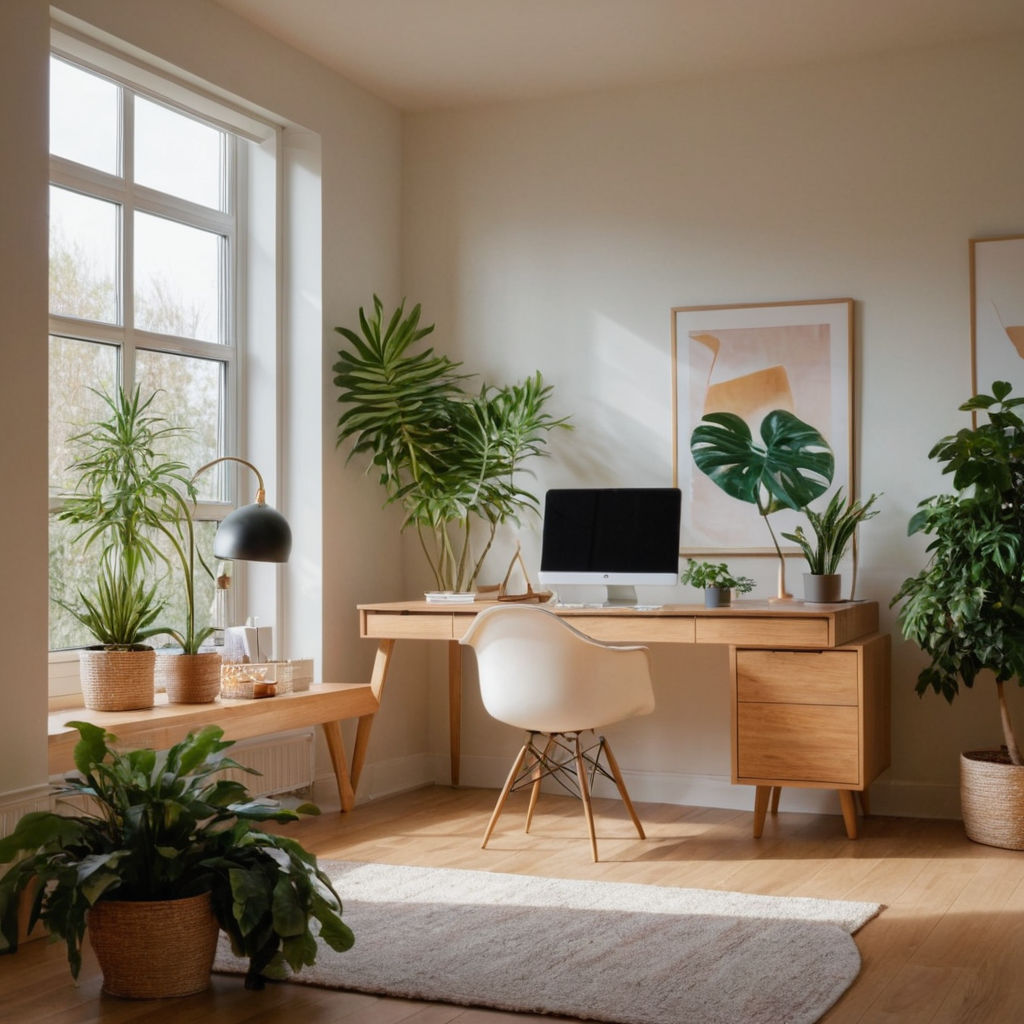
Proper lighting is essential to maintain focus and prevent eye strain in any workspace. Natural light is ideal, but it’s not always possible depending on your home office location. Therefore, incorporating a mix of natural and artificial light sources can create a balanced and comfortable environment.
Practical advice: Position your desk near a window to maximize natural light during the day. Use floor or table lamps with dimmable settings for adjustable lighting that complements natural light levels throughout the day. Avoid harsh overhead lighting as it can cause glare on screens.
4. Personalize Your Space
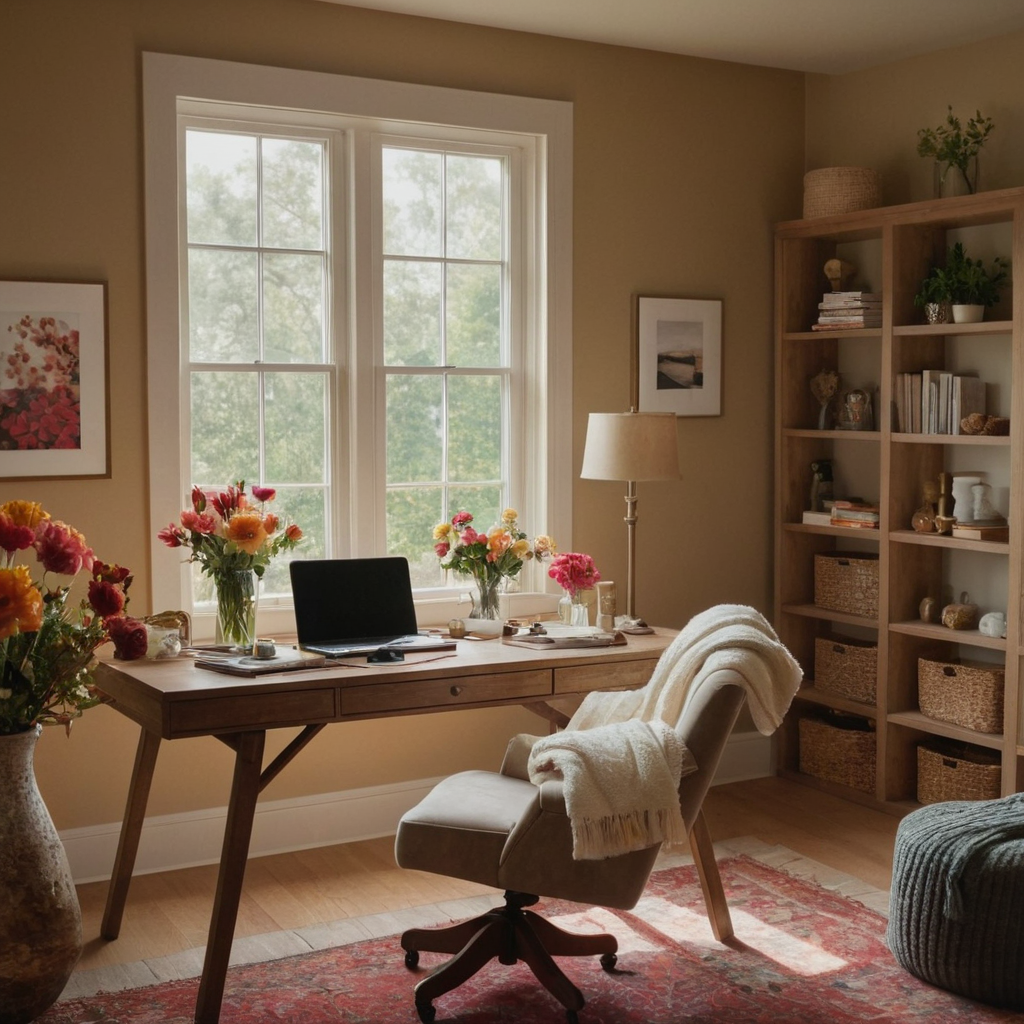
Personalizing your home office can make it a more enjoyable place to work, boosting creativity and mood. Incorporating elements that reflect your personality or interests adds a touch of comfort and inspiration.
Practical advice: Display artwork or photographs you love, use decorative objects like vases or sculptures, and add plants for freshness and greenery. Choose colors that inspire you; soft blues can be calming, while reds might boost energy.
5. Sound Management
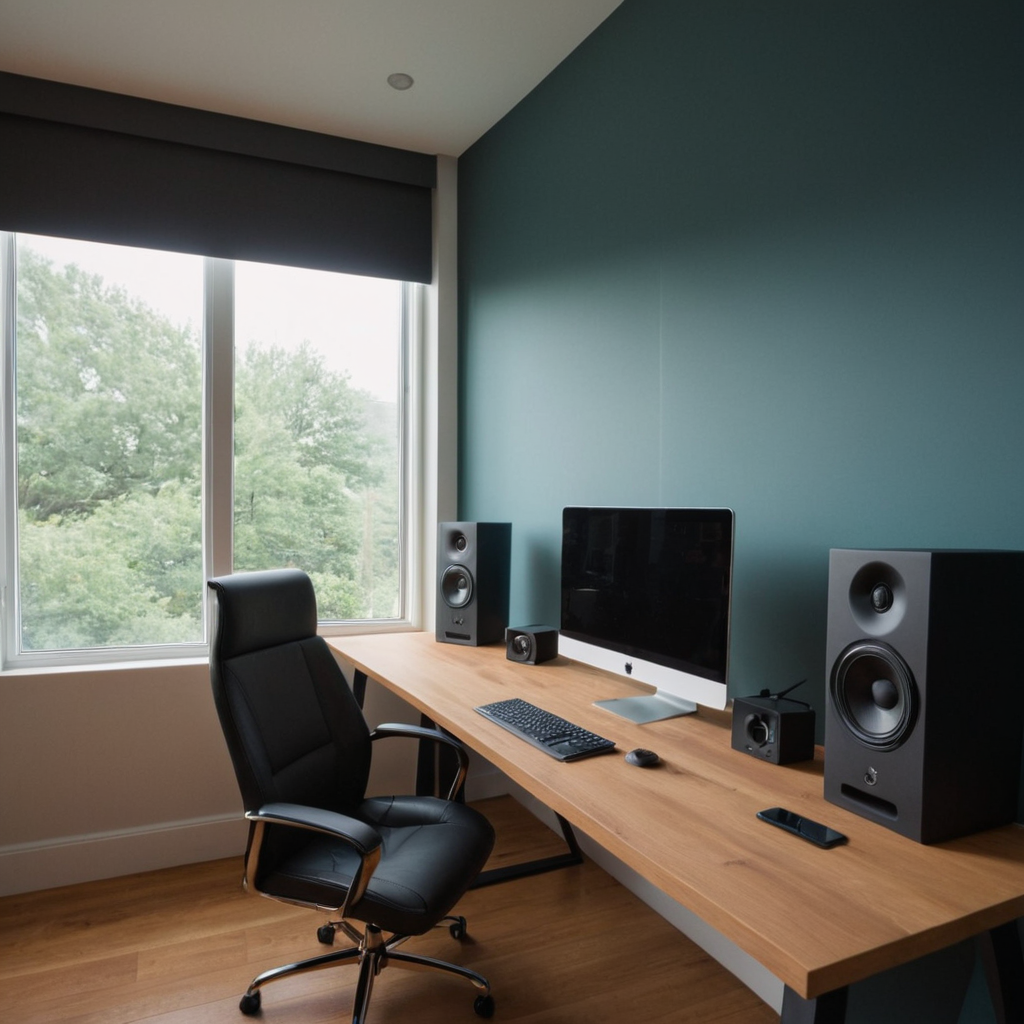
Noise can be a significant distraction when working from home. Managing sound levels is crucial for maintaining concentration and productivity in your home office.
Practical advice: Invest in noise-canceling headphones or use white noise machines to mask disruptive sounds. If possible, choose a room farthest from household traffic areas like the kitchen or living room. Acoustic panels on walls can also help absorb excess sound.
6. Tech Integration
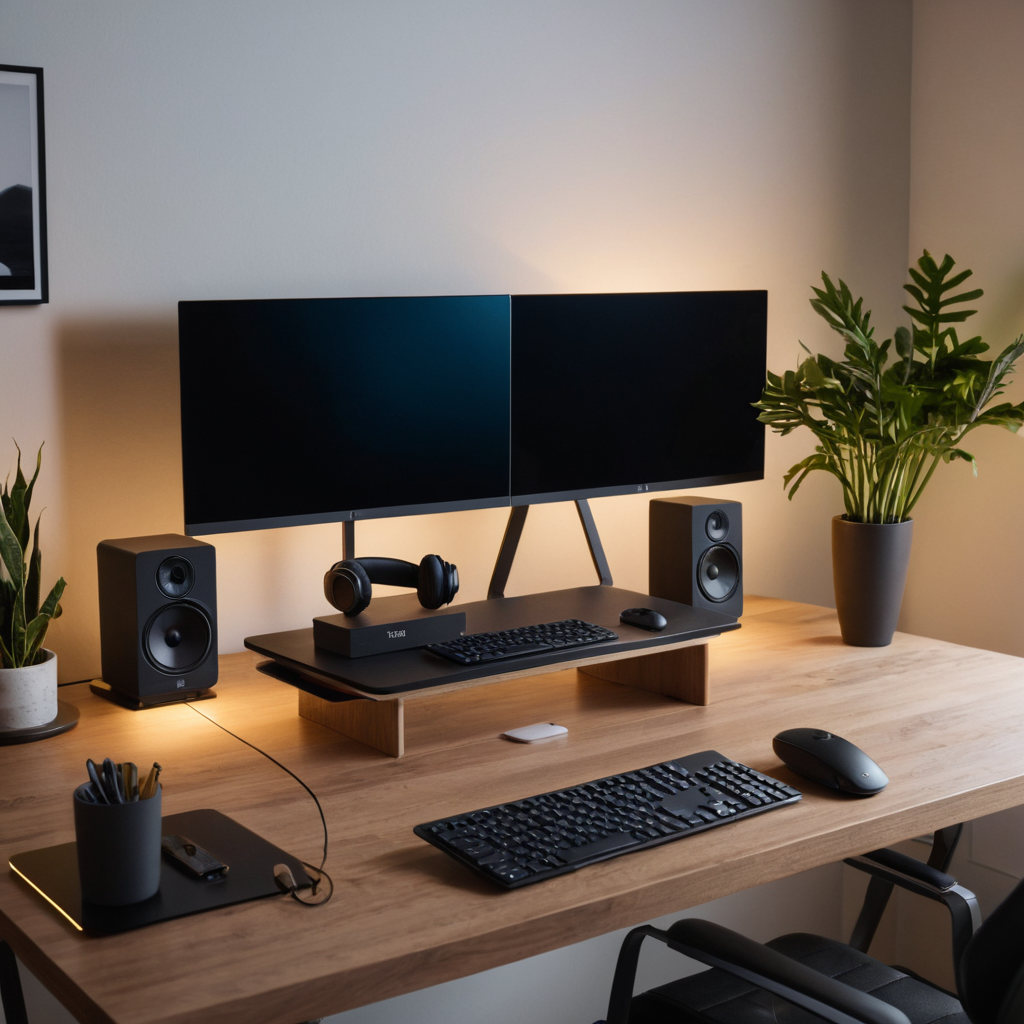
Incorporating technology effectively can transform your home office into a more efficient and functional workspace. From high-speed internet to reliable devices, the right tech tools are essential for remote work.
Practical advice: Ensure you have a stable Wi-Fi connection and a fast computer or laptop that suits your needs. Consider setting up an external monitor if working on multiple screens can benefit your workflow. Use apps or software to manage tasks and keep track of deadlines efficiently.