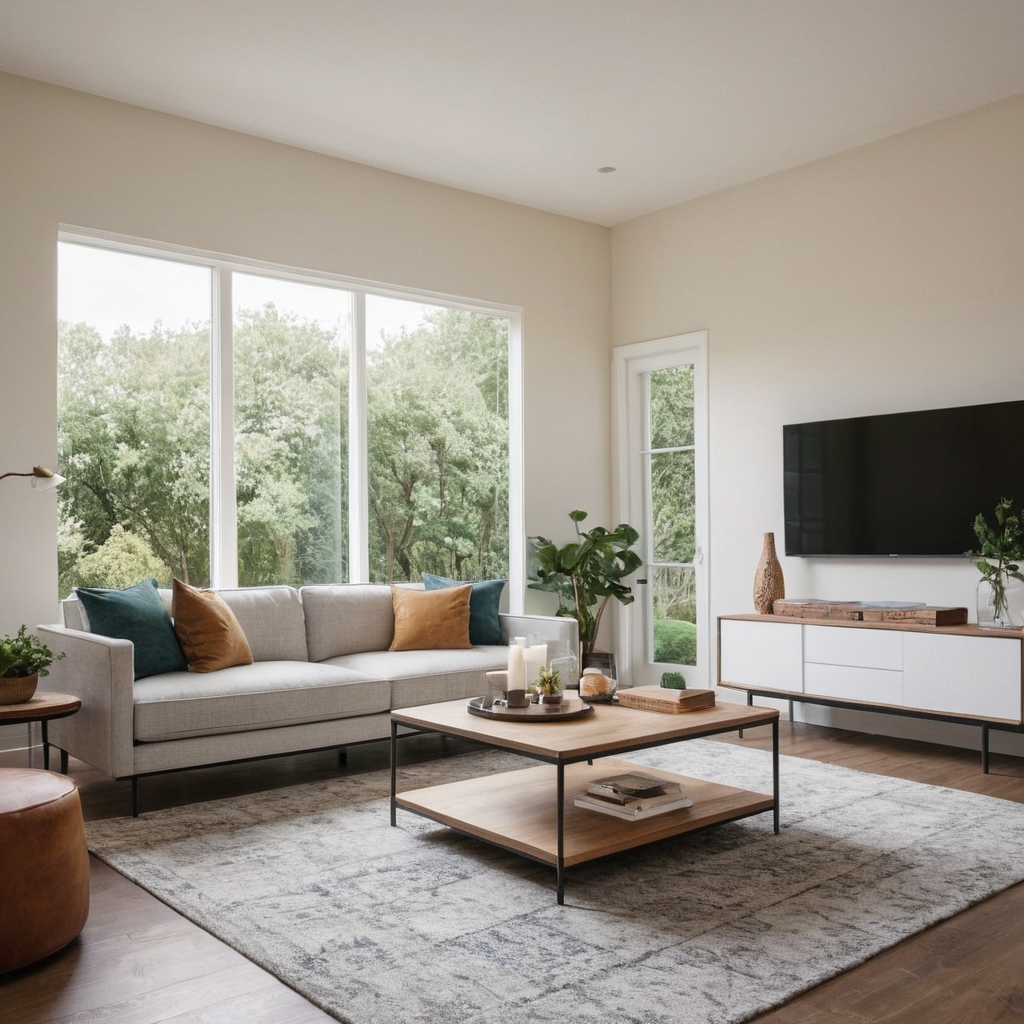
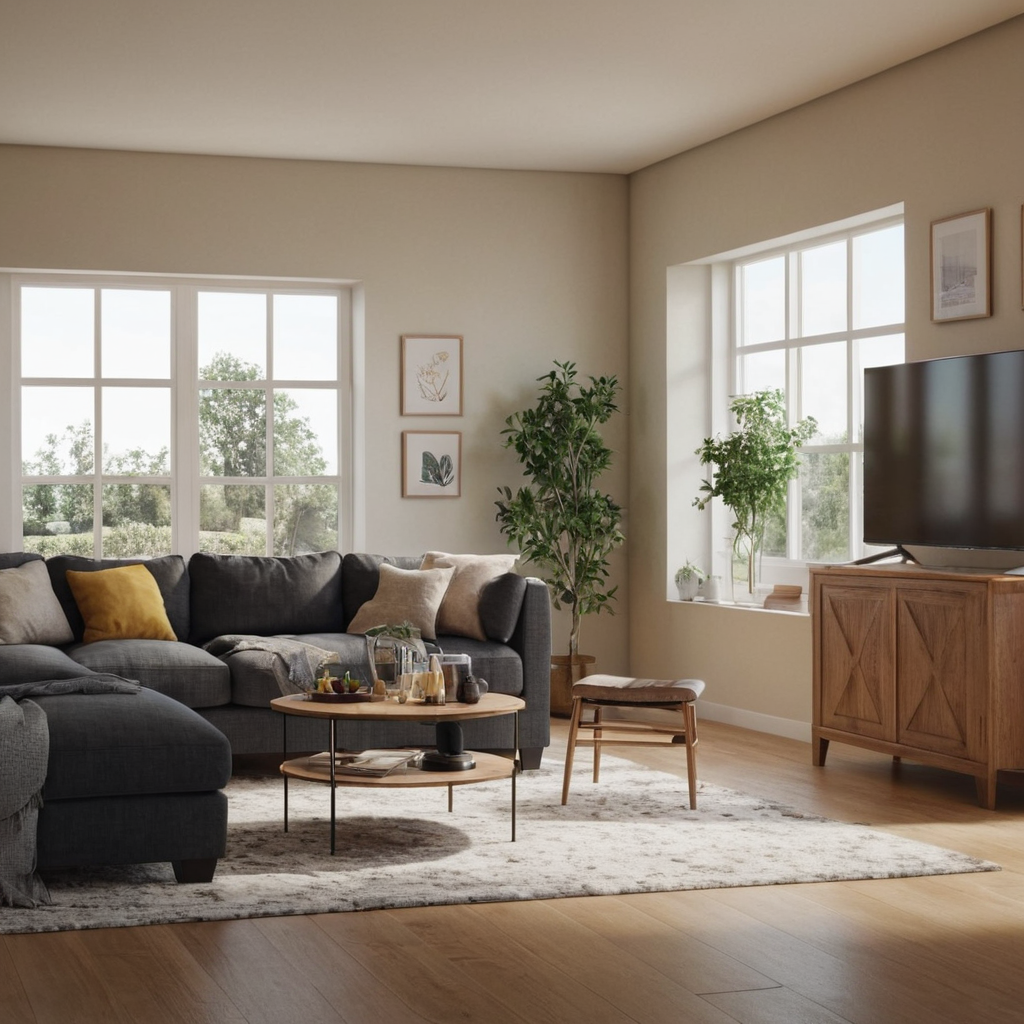
1. Define Your Style
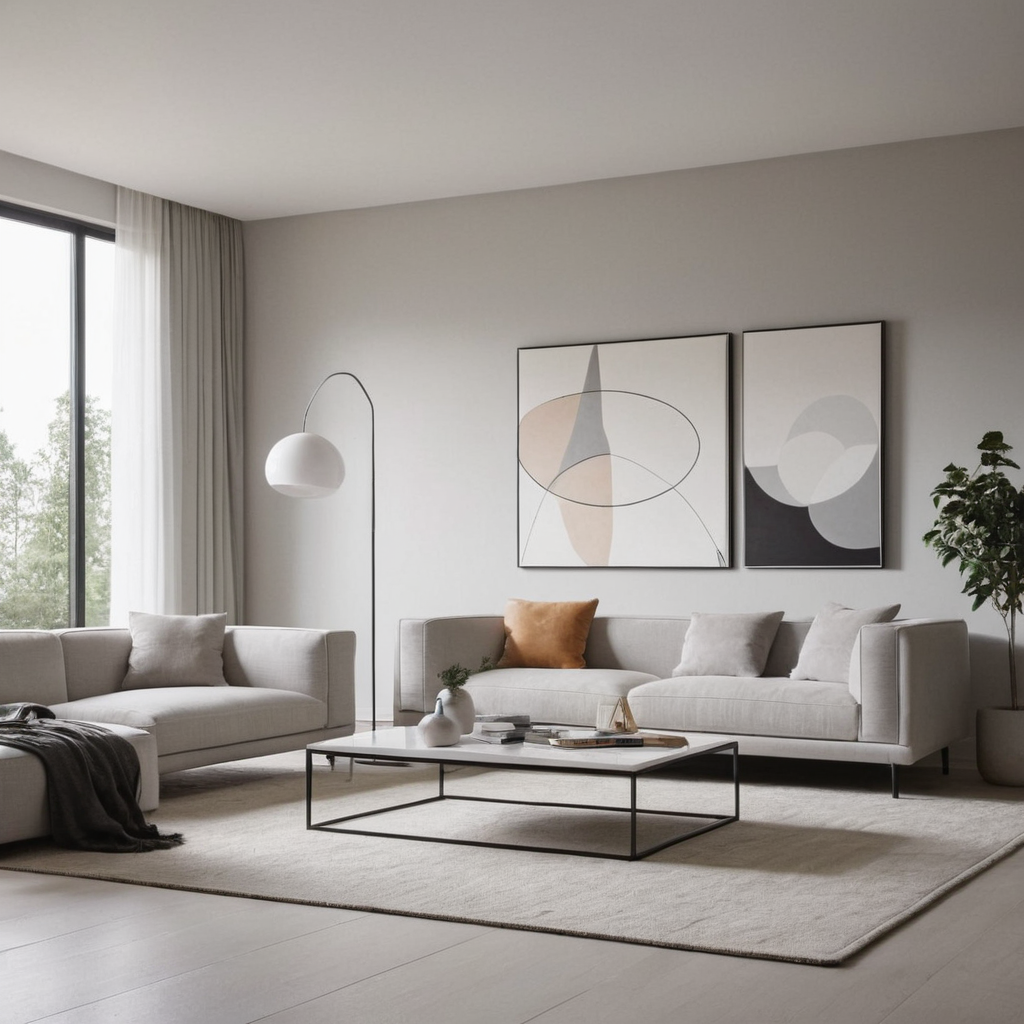
Understanding your personal style is key to choosing the right furniture pieces. Whether you lean towards modern minimalist designs or traditional ornate styles, this will guide your choices and ensure they harmonize with your space’s overall aesthetic. Defining a clear style can also help in selecting statement pieces that act as focal points of interest.
To define your style, gather inspiration from magazines, online platforms like Pinterest, or even home decor shows. Look for recurring themes in what attracts you and consider how these elements can be incorporated into your furniture choices. This will not only make the selection process easier but also ensure longevity and satisfaction with your purchases.
2. Measure Your Space
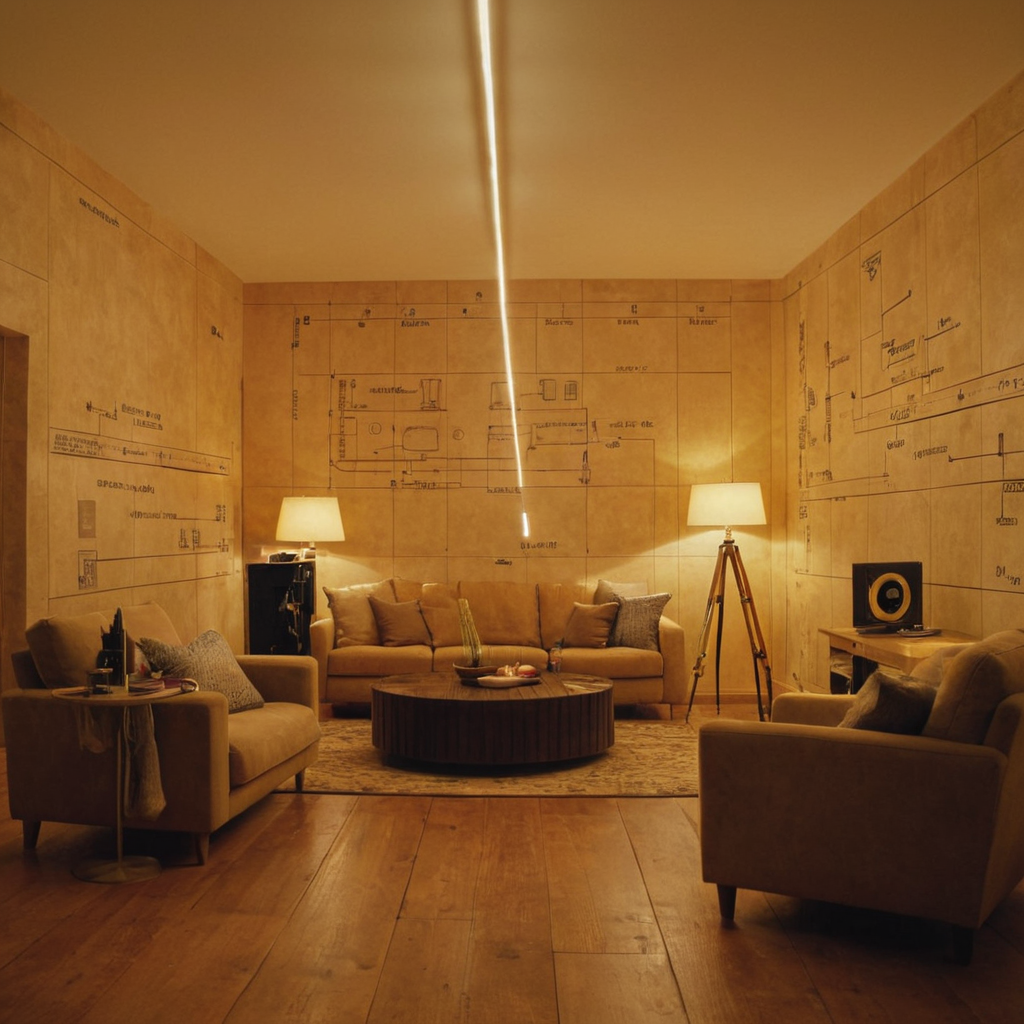
Before making any purchases, take accurate measurements of your room dimensions and the furniture you’re considering to ensure everything fits perfectly without overcrowding the space. Proper sizing is crucial for both aesthetic harmony and practicality.
To measure effectively, use a measuring tape or laser level for precise readings. Consider not just the length and width but also height clearances, especially in smaller spaces. Always factor in at least 18 inches of walking space around furniture to maintain comfort and usability.
3. Choose Quality Materials
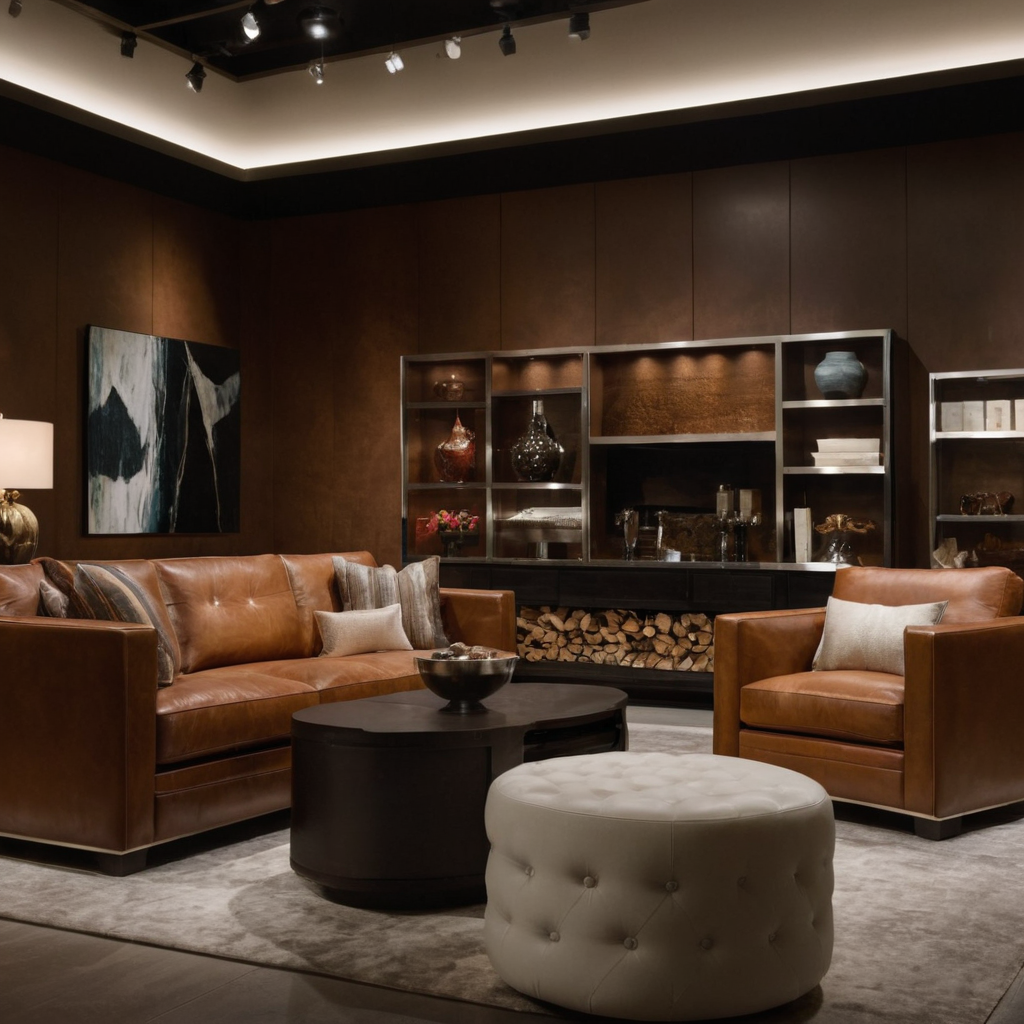
Investing in high-quality materials is essential for both longevity and aesthetic appeal. High-grade woods, robust metals, or premium fabrics can significantly enhance the durability and look of your furniture over time.
When selecting materials, consider how they will hold up to daily use. For example, leather sofas are known for their durability but may require occasional maintenance. Hardwoods like oak offer a timeless appearance and strength. Researching material care and choosing based on expected wear can help in maintaining the aesthetic integrity of your furniture.
4. Focus on Functionality
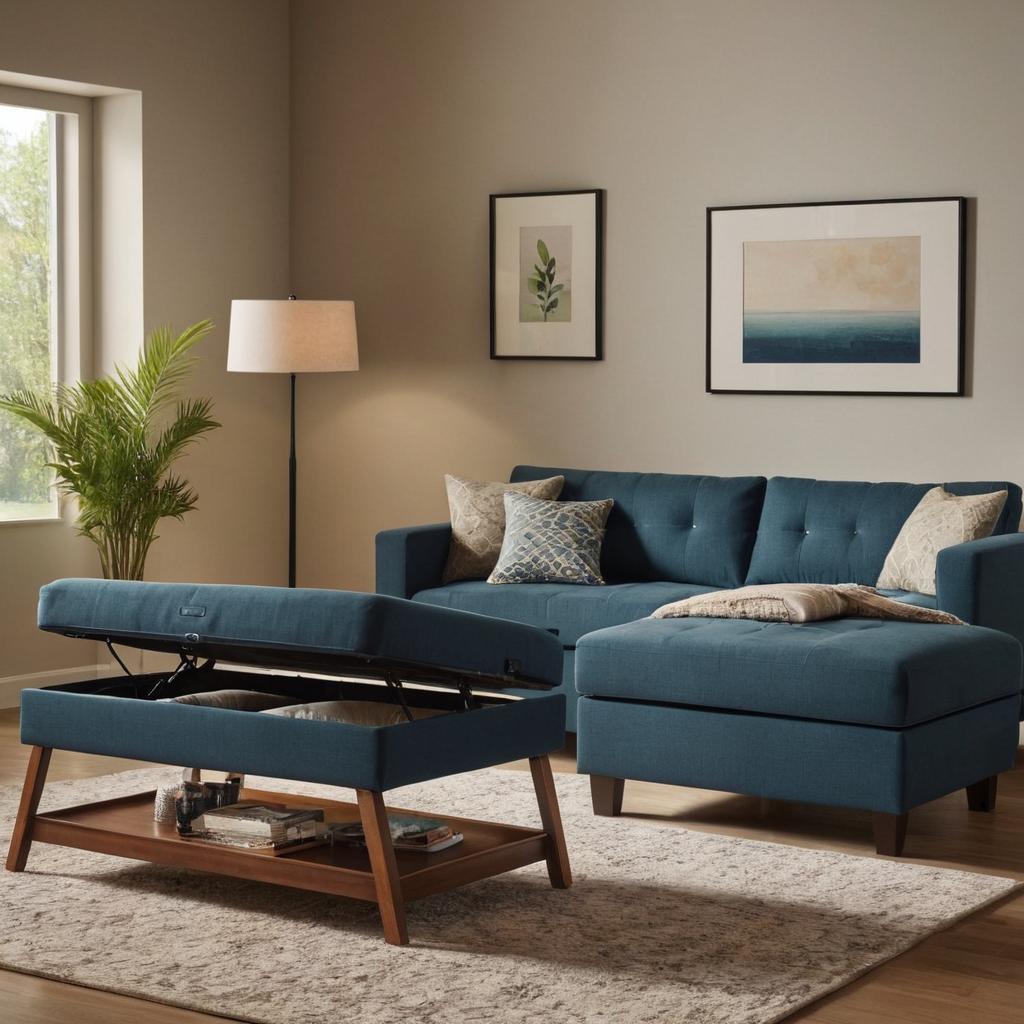
Functionality should be a primary consideration in any piece of furniture you choose. From storage options to comfort levels, practicality can greatly enhance your space’s utility and livability.
When choosing pieces, think about how they will serve daily needs. For instance, an ottoman with hidden storage can provide extra seating while doubling as a closet for blankets or books. Ensure that dining tables and desks are the appropriate height to avoid discomfort during use. Balancing form and function is key to creating spaces that are both beautiful and useful.
5. Consider Color Schemes
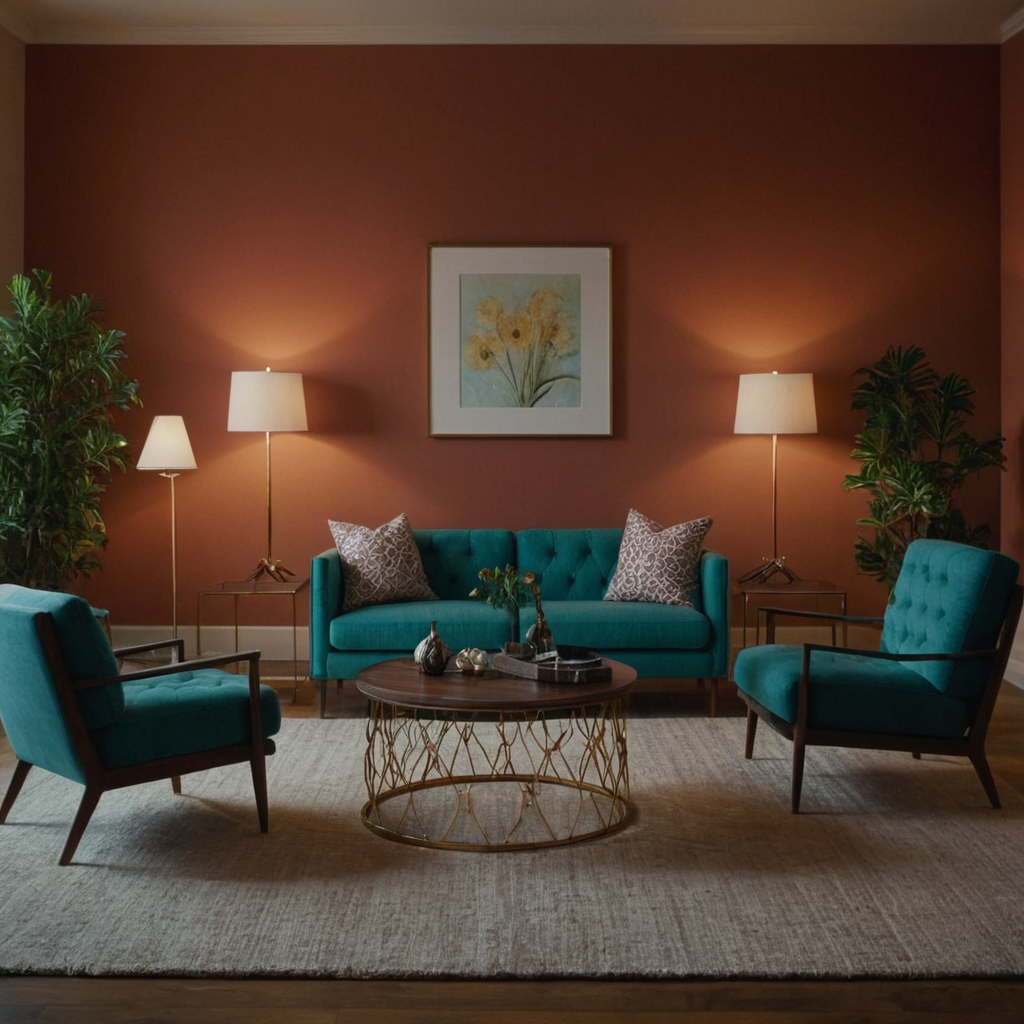
Choosing the right colors for your furniture can transform the feel of a room. Colors influence mood, energy levels, and how space is perceived. Neutral tones offer versatility and a timeless look, while bolder hues can create dynamic focal points.
When selecting colors, consider the size of your room and natural light levels. Lighter shades can make smaller spaces appear larger and more open, whereas darker tones can add depth to spacious areas. Coordinate with existing decor elements but don’t be afraid to introduce a splash of color through vibrant cushions or rugs.
6. Mix and Match Styles
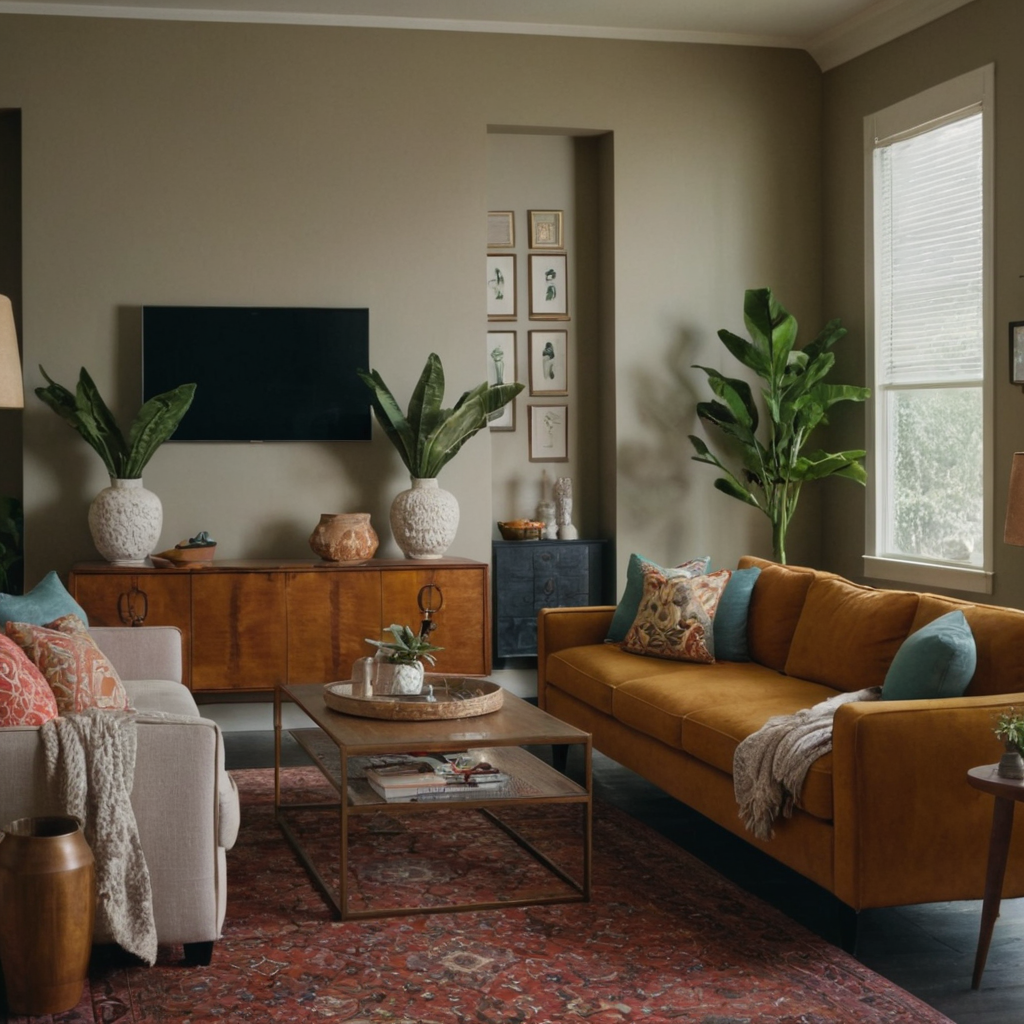
Creating a cohesive yet dynamic look can be achieved by mixing furniture styles. Mixing modern with traditional or vintage pieces can create an eclectic, personalized aesthetic that reflects your unique taste.
To mix styles effectively, maintain balance through complementary colors or materials. For example, pair a sleek, contemporary sofa with an ornate wooden coffee table to blend contrasting elements harmoniously. Focus on the overall theme and purpose of each room, using style contrasts to add interest without overwhelming the space.
7. Lighting Considerations
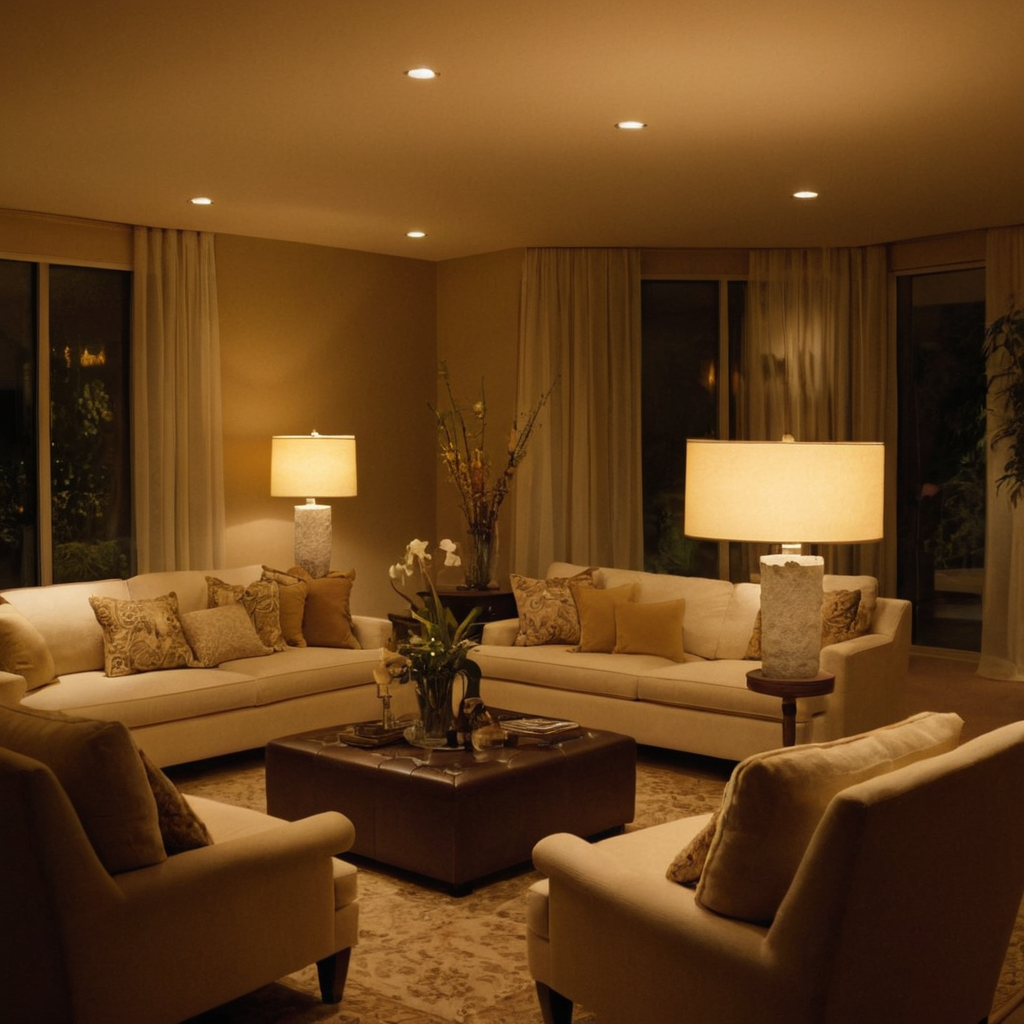
Lighting is crucial in showcasing the features of your furniture and enhancing the ambiance of a room. Proper lighting can highlight textures, colors, and design elements effectively.
Consider different types of lighting such as floor lamps, table lamps, and ceiling fixtures to create layered light that illuminates various parts of the room without glare or harsh shadows. Position lights to bring out the best in your furniture, especially around statement pieces where you want to draw attention.
8. Selecting the Right Scale

The scale of your furniture must be in proportion to both the room size and other elements within it. Mismatched scales can make a space feel unbalanced or claustrophobic.
To ensure proper scale, consider the dimensions of the room first. In small spaces, choose smaller-scale pieces or those with legs that visually lighten the look. For larger rooms, larger furniture can prevent emptiness and maintain balance. Always check how your chosen piece interacts with existing elements like window sizes and doorways.
9. Ensure Comfort
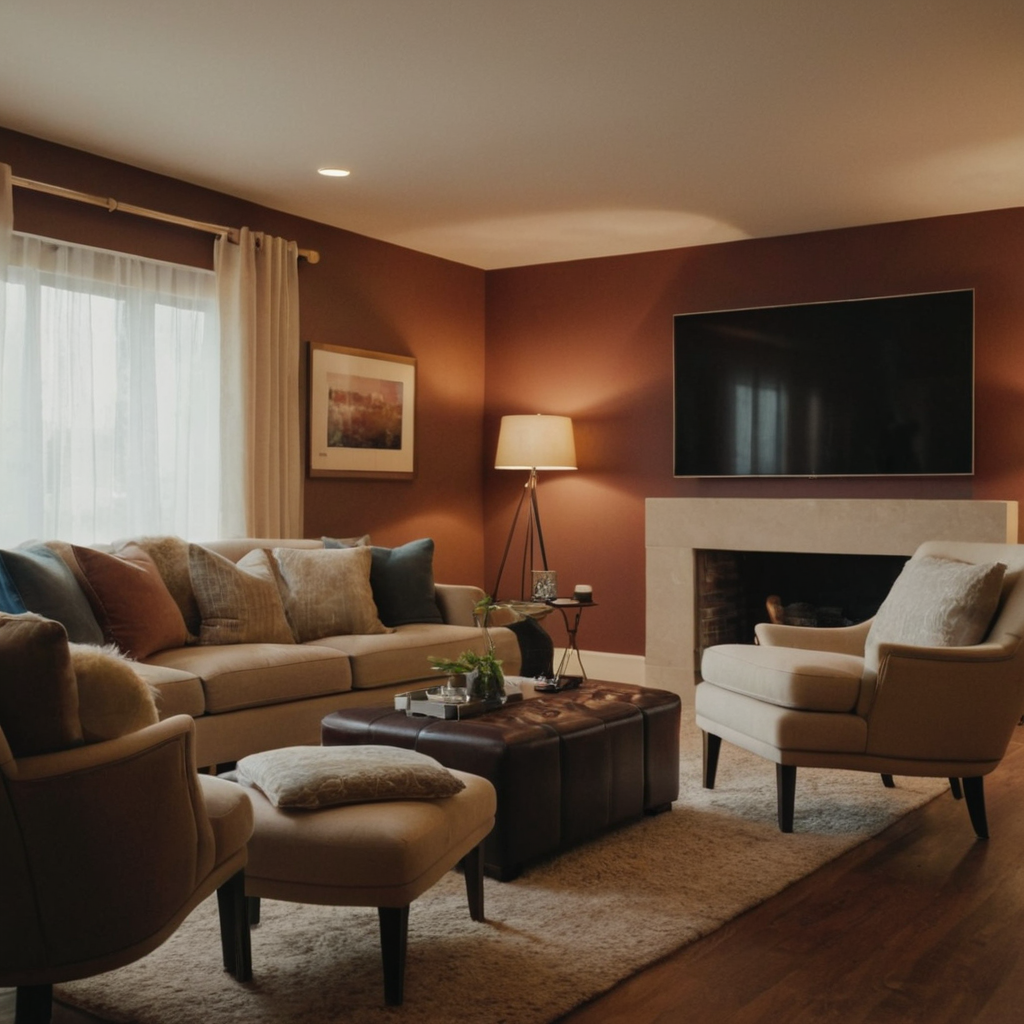
Comfort is paramount when selecting furniture for living spaces like bedrooms or living rooms. Furniture should not only look great but also feel good to sit, lie on, or work from.
To ensure comfort, invest in high-quality cushions and upholstery that support both form and function. Try out chairs and sofas before buying if possible; sit on them for several minutes to gauge long-term comfort. For desks, choose ergonomically designed pieces to avoid strain during prolonged use.
10. Budgeting Wisely

Creating a budget helps prioritize spending on essential furniture pieces that offer the most value and utility to your space. Allocating funds for long-term investments over short-lived trends can enhance both financial planning and satisfaction with your choices.
Start by listing necessary items and their expected costs, then adjust according to available funds. Allocate more towards key pieces like sofas or dining tables where quality significantly impacts comfort and aesthetics. Look for sales, discounts, or second-hand options that meet your criteria without exceeding your budget.